Behavior
How to prevent Jack Russell Terrier back problems?
Keep your JRT at a healthy weight and avoid high jumps to reduce back stress.

Quick answer
How to prevent Jack Russell Terrier back problems?
Keep your JRT at a healthy weight and avoid high jumps to reduce back stress.
Jack Russell Terrier back problems can be a serious concern for owners. These issues often arise due to their unique body structure, which includes a long spine and short legs.
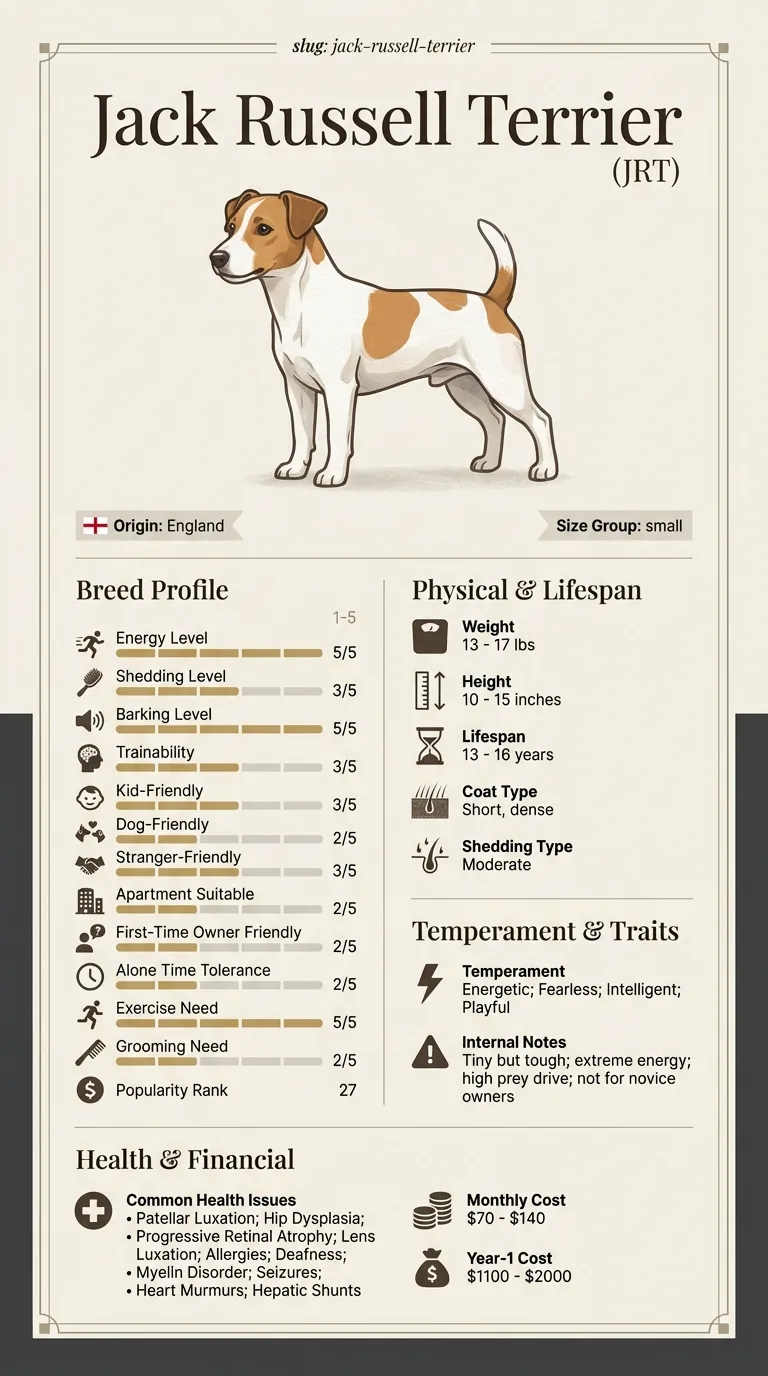
Typical owners facing these challenges include those with active Jack Russell Terriers who may not realize their energetic play style can exacerbate back issues. First-time dog owners may also struggle to identify signs of discomfort and how to manage them effectively.
This guide is not medical advice. If your dog shows pain, sudden behavior change, or worsening symptoms, consult a licensed veterinarian.
Some links may be affiliate links. We may earn a commission at no extra cost to you. We only suggest products we believe are helpful for dog owners.
We research and check what we publish, but we do not warrant that any figure, date, price, or statement is accurate, complete, or current, and we accept no liability for any loss, cost, injury, or other harm arising from the use of this site. Use it as one reference among several. You remain responsible for your own decisions and for your dog's care - confirm anything that matters with a licensed veterinarian or another qualified professional before you act on it. Full disclaimer.
Check this first
If your Jack Russell Terrier shows any of the following red flags, it’s time to call your vet right away: - Inability to walk or stand, which could signal severe spinal injury. - Sudden loss of bowel or bladder control, indicating nerve damage. - Intense pain responses, such as yelping or snapping when touched. - Visible swelling or deformity in the spine area.
In contrast, mild cases of back problems may include signs like occasional limping or stiffness after play. You can monitor these situations by noting any changes in behavior or mobility. Keeping a close eye on your dog's activity levels, and ensuring they have a comfortable space to rest can be beneficial. If your JRT experiences mild back discomfort, consider gentle exercise and consult your vet to create a management plan. Remember, it’s always better to err on the side of caution. If symptoms worsen or persist, seek veterinary advice promptly.
If any of these apply, call your vet or an emergency clinic now. The rest of this page is for the cases that are not an emergency.
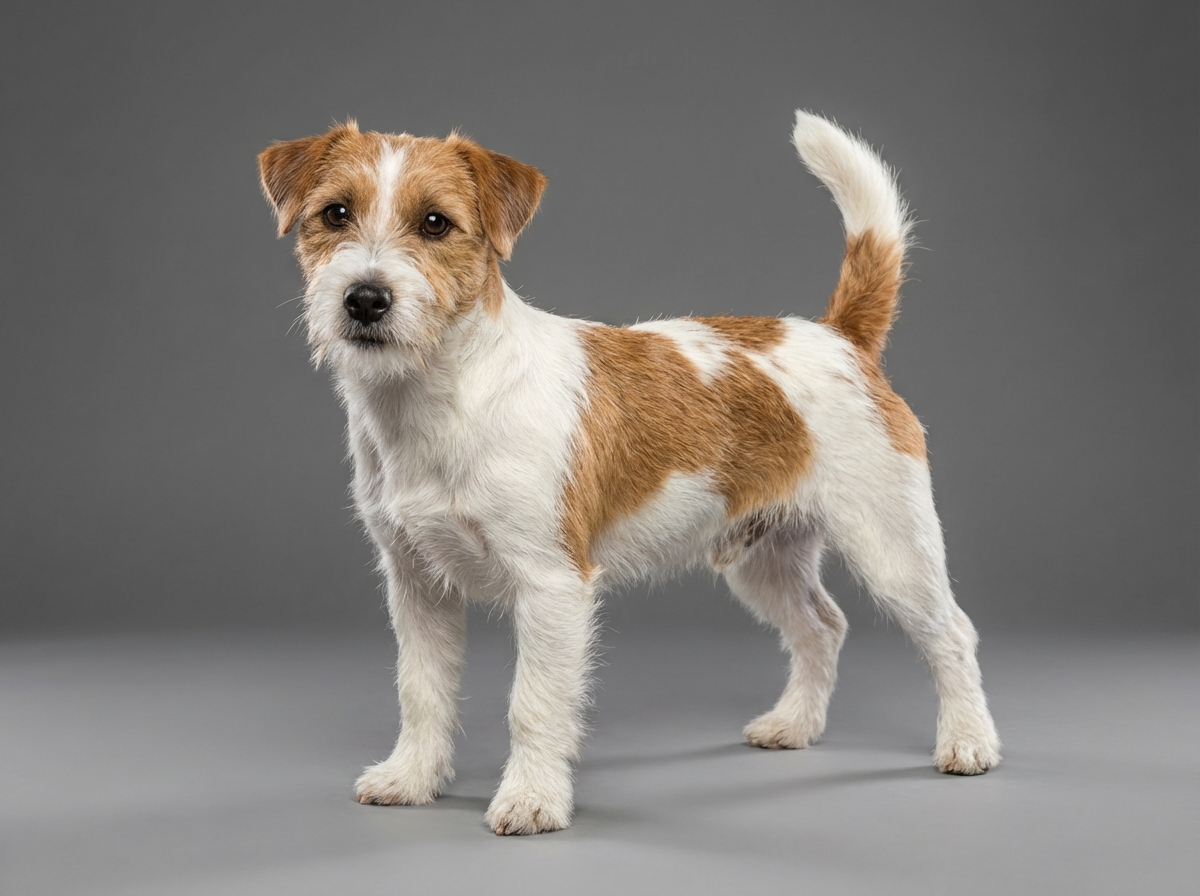
Jack Russell Terrier back problems can significantly affect their daily life. These issues often stem from their long spine and short legs, making them prone to spinal injuries or discomfort. Common signs include reluctance to jump, difficulty climbing stairs, or signs of pain when being touched along the back.
Back problems are quite common in Jack Russell Terriers, especially as they age. Their energetic nature can sometimes lead to injuries if they aren't monitored, making awareness essential for owners.
Jack Russell Terriers have long spines and short legs, which makes them prone to back problems. Their active nature can exacerbate these issues, as they often jump, twist, and run, putting extra strain on their backs. Additionally, some genetic factors may contribute to susceptibility to spinal issues.
The environment can play a significant role in back problems for Jack Russells. A lack of proper exercise and conditioning can lead to weakened muscles supporting the spine. Furthermore, slippery surfaces or jumping from high places can increase the risk of injury.
If your dog shows signs of pain, difficulty in movement, or persistent back problems, it's essential to consult a veterinarian. They can assess whether there are underlying health issues that need treatment. Early intervention can prevent more severe complications down the road.
Avoiding common pitfalls can greatly improve your Jack Russell Terrier's back problems. Here are some mistakes to watch out for.
Start here: Jack Russell Terrier Most Common Genetic Disorders
See all Jack Russell Terrier health problems, which breeds are prone to back problems, or the full Jack Russell Terrier breed guide for temperament, exercise needs and ownership costs.
You may start seeing improvements in your Jack Russell Terrier's back problems within 4 to 8 weeks of consistent care and follow-up with your vet.
Success means your dog can move comfortably, participate in regular activities, and exhibit reduced signs of pain or discomfort.
Maggie, a busy nurse in Seattle, adopted a Jack Russell Terrier named Max. After just a few months, she noticed him struggling to jump onto the couch and hesitating during walks. Concerned, she learned that Jack Russells are prone to back problems due to their long spines and short legs. Maggie consulted her vet and began a regimen of controlled exercises and stretches tailored for Max. She also adjusted his jumping habits, using ramps to help him get on furniture. Slowly, Max regained his confidence and mobility, allowing him to enjoy his favorite activities again.
Key takeaway: With proper care and training, you can effectively manage Jack Russell Terrier back problems, helping them lead a happier, more active life.
Common signs include reluctance to move, difficulty jumping, or whining when touched. You might also notice your Jack Russell Terrier having trouble standing up after lying down. If you see any of these behaviors, it’s a good idea to consult your vet.
To prevent back problems, focus on maintaining a healthy weight and ensure your JRT gets regular exercise. Avoid jumping from high places and provide ramps or steps for getting onto furniture. Training to minimize sudden movements can also help.
Common signs include difficulty jumping, reluctance to walk or play, or signs of pain when touched along the back. If your JRT shows any of these symptoms, consult your vet for a thorough examination.
Yes, training can help mitigate back issues. Focus on commands that promote controlled movements, such as 'gentle' or 'easy'. Consider working with a trainer experienced in small breed behavior.
If diagnosed, your vet may recommend rest, medication, or physical therapy. In severe cases, surgery might be necessary. Follow your vet's advice closely to help your JRT recover safely.
Yes, older Jack Russell Terriers are more prone to back problems due to age-related changes. Conditions like arthritis can worsen their spinal health, making regular vet check-ups essential to manage their comfort and mobility.
Limit your dog's jumping and rough play to reduce strain on their back. Soft bedding and supportive harnesses can also help. However, it's important to consult your vet for tailored advice and potential treatments.
Gentle walks and controlled play are generally beneficial. Avoid high-impact activities like agility training or excessive running, as these can aggravate back problems. Always consult your vet before starting any new exercise routine.
Keep your JRT at a healthy weight and avoid high jumps to reduce back stress.
Regular walks and play sessions are great, but avoid strenuous activities that strain their backs.
Yes, ramps can help your JRT access furniture safely and reduce the risk of back injuries.
If your JRT shows pain, difficulty moving, or changes in behavior, it's time to see the vet.
Yes, their body structure makes them more susceptible to back issues, so preventative care is essential.
A one-page prep sheet for this condition: the signs, the questions to ask, what to get priced. Unlocks here.
You get: Vet visit prep sheet
No spam. One-click unsubscribe. See our privacy policy.
Preview page 1 before you decide.