Behavior
How can I prevent back problems in my Yorkie?
Prevent back problems by avoiding high jumps and maintaining a healthy weight through diet and exercise.

Quick answer
How can I prevent back problems in my Yorkie?
Prevent back problems by avoiding high jumps and maintaining a healthy weight through diet and exercise.
Yorkshire Terrier back problems can be a serious issue for these small dogs. Their long spine and short legs make them prone to discomfort and injury.
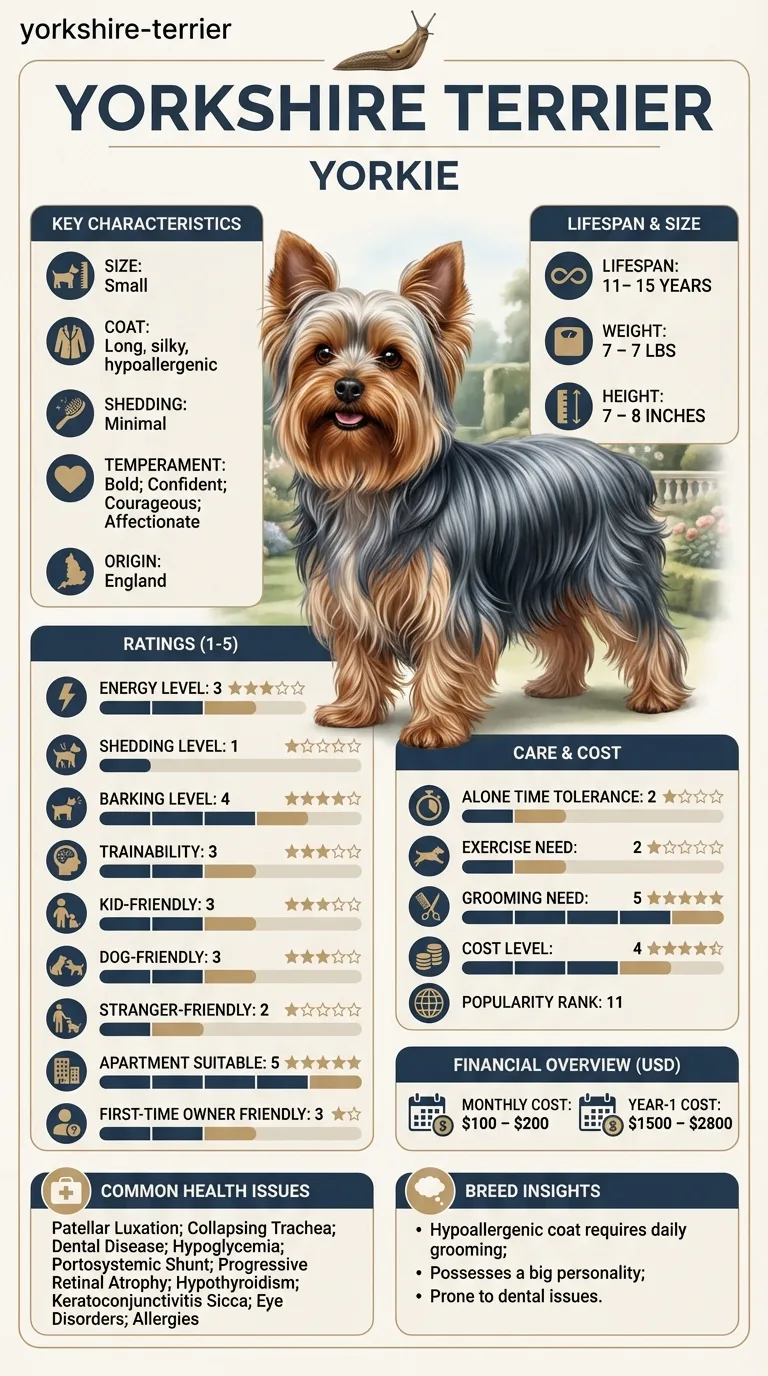
This issue often affects new dog owners or those who are not familiar with the breed's specific health needs. Busy pet parents, especially those with active lifestyles, may find it challenging to monitor their Yorkie's back health.
This guide is not medical advice. If your dog shows pain, sudden behavior change, or worsening symptoms, consult a licensed veterinarian.
Some links may be affiliate links. We may earn a commission at no extra cost to you. We only suggest products we believe are helpful for dog owners.
We research and check what we publish, but we do not warrant that any figure, date, price, or statement is accurate, complete, or current, and we accept no liability for any loss, cost, injury, or other harm arising from the use of this site. Use it as one reference among several. You remain responsible for your own decisions and for your dog's care - confirm anything that matters with a licensed veterinarian or another qualified professional before you act on it. Full disclaimer.
Check this first
Recognizing when Yorkshire Terrier back problems require immediate veterinary attention is crucial. If your Yorkie shows any of these red-flag signs, it's time to call your vet right away. These signs include severe pain when touched, inability to walk or stand, sudden weakness in the hind legs, or any visible deformities in the back.
Additionally, if your dog seems to be panting excessively, whining, or shows signs of distress, don’t hesitate to seek help.
On the other hand, not all back problems are emergencies. If your Yorkshire Terrier has mild discomfort, is still able to move around, and shows only slight hesitation when jumping or climbing stairs, you can monitor the situation at home. In these cases, creating a gentle exercise plan and using supportive harnesses can help.
Keep an eye on your dog's behavior and make sure they are eating and drinking normally. If symptoms persist or worsen, consult your vet for further advice.
If any of these apply, call your vet or an emergency clinic now. The rest of this page is for the cases that are not an emergency.
Yorkshire Terrier back problems are often a daily concern for owners of this beloved breed. With their long spines and short legs, these small dogs are predisposed to back issues, which can manifest as pain, difficulty walking, or reluctance to jump. Many Yorkies experience these problems, especially as they age or if they engage in too much physical activity.
Back problems in Yorkshire Terriers are relatively common and can affect many dogs, particularly those over six years old. Regular vet check-ups and awareness of their physical limits can help manage these issues.
Yorkshire Terriers have a long spine and short legs, which makes them more prone to back problems. Their small size can lead to issues with spinal support, especially if they are not careful when jumping or playing.
Back problems can also be influenced by their living environment. If they are allowed to jump from high places or are not on a stable surface, it can lead to injuries. Additionally, lack of exercise can weaken their muscles, making them more susceptible to back issues.
If you notice persistent signs of discomfort, such as reluctance to jump or play, or if they seem to be in pain, it's crucial to consult a vet. A vet can diagnose any underlying conditions and recommend appropriate treatments.
Avoiding certain behaviors can help your Yorkshire Terrier manage back problems more effectively. Here are some common mistakes to watch out for.
Start here: Yorkshire Terrier Most Common Genetic Disorders: Screening
See all Yorkshire Terrier health problems, which breeds are prone to back problems, or the full Yorkshire Terrier breed guide for temperament, exercise needs and ownership costs.
You may notice improvement in 4 to 8 weeks with consistent care and follow-up with your vet.
Your Yorkshire Terrier will show reduced discomfort, increased mobility, and a happier demeanor.
Sarah, a busy nurse in Chicago, adopted a Yorkshire Terrier named Bella. Soon, she noticed Bella hesitated to jump on the couch and seemed to struggle during walks. After a vet visit confirmed back problems, Sarah felt overwhelmed but committed to helping her pup. She started a gentle exercise routine focused on strengthening Bella's back and consulted a trainer for guidance. Sarah also learned to support Bella when climbing stairs and avoided letting her jump off furniture. With dedication, Bella's mobility improved, and she became more playful and energetic. Sarah felt relieved and proud to see her Yorkie thriving again.
Key takeaway: With patience and the right approach, you can help your Yorkshire Terrier overcome back problems and enjoy a happier life.
Yorkshire Terriers are prone to back problems due to their long spines and short legs. This conformation can lead to conditions like intervertebral disc disease. Regular check-ups with your vet can help monitor their spine health.
To prevent back problems, avoid activities that put stress on their spine, like jumping off furniture. Regular, moderate exercise and maintaining a healthy weight are also crucial. Consider using ramps instead of stairs to minimize strain.
Signs of back problems may include difficulty jumping, yelping in pain, or reluctance to walk. You might also notice changes in their posture or difficulty standing. If you observe these signs, consult your veterinarian promptly.
Yes, training can help by teaching your Yorkie commands that limit jumping and promote safer movements. Positive reinforcement techniques work best. Incorporating gentle exercises can also strengthen their back and core muscles.
Treatment options may include anti-inflammatory medications, physical therapy, or, in severe cases, surgery. Always consult your vet to decide the best course of action based on your Yorkie's specific condition.
Yes, Yorkshire Terriers with a family history of back issues are at higher risk. Additionally, older dogs are more likely to develop problems. Regular vet visits are key for early detection.
At home, ensure your Yorkie has a comfortable bed and avoid letting them jump off high surfaces. Gentle stretching exercises can help maintain flexibility. Providing a balanced diet will also support overall health.
Early signs of back problems in a Yorkshire Terrier can include difficulty jumping, reluctance to climb stairs, or a noticeable change in their gait. You may also observe them being more cautious while playing or even showing signs of pain when you touch their back.
Managing your Yorkshire Terrier's back problems at home may involve creating a safe environment where they can move freely without risk. Limiting their jumping or rough play, providing supportive bedding, and ensuring they maintain a healthy weight can also help ease their discomfort.
You should take your Yorkshire Terrier to the vet if you notice any persistent signs of discomfort, such as yelping when touched, difficulty walking, or any sudden changes in behavior. Early intervention can prevent more serious issues and improve their quality of life.
Yes, older Yorkshire Terriers are more susceptible to back problems due to age-related wear and tear on their spine. Regular vet check-ups and monitoring their physical activity can help catch problems early and manage them more effectively.
Low-impact exercises like gentle leash walks or controlled play can help strengthen your Yorkshire Terrier's back muscles. Avoid high-impact activities that could strain their back, and always consult your vet for tailored exercise recommendations.
Prevent back problems by avoiding high jumps and maintaining a healthy weight through diet and exercise.
Use ramps for easier access to furniture and avoid strenuous activities to reduce back strain.
If your Yorkie shows signs of pain, difficulty moving, or unusual behavior, schedule a vet appointment immediately.
Gentle walks and low-impact activities are best, avoiding anything that involves jumping or sudden movements.
Treatment costs can vary, typically ranging from $100 for basic vet visits to several thousand for surgery, depending on the severity.
A one-page prep sheet for this condition: the signs, the questions to ask, what to get priced. Unlocks here.
You get: Vet visit prep sheet
No spam. One-click unsubscribe. See our privacy policy.
Preview page 1 before you decide.