Health
What is the earliest sign of diabetes in a dog?
Increased thirst and urination, usually before anything else. Measuring water intake over a day turns a vague impression into useful information.

Quick answer
What is the earliest sign of diabetes in a dog?
Increased thirst and urination, usually before anything else. Measuring water intake over a day turns a vague impression into useful information.
The classic early picture is a dog that drinks more, urinates more, eats well and still loses weight, and recognising that combination weeks earlier than most owners do makes a real difference.
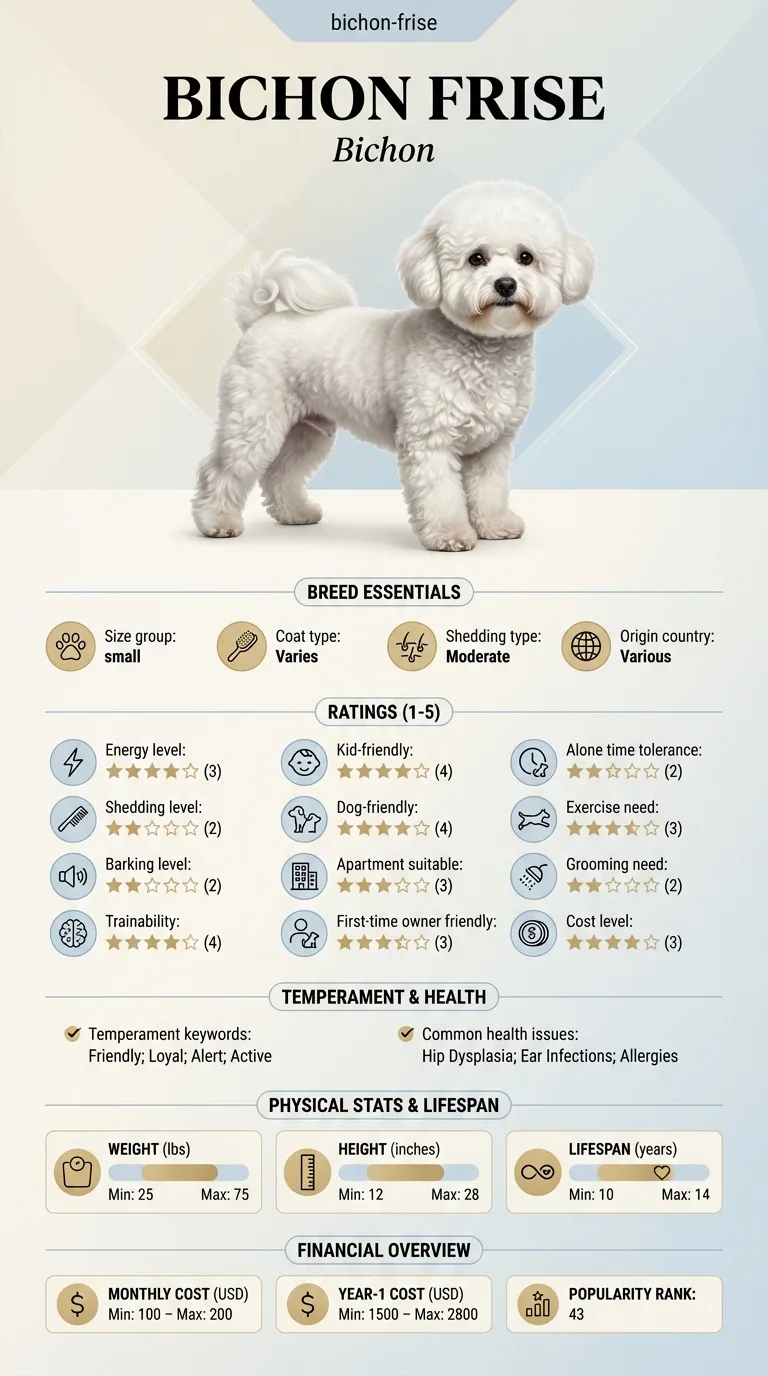
Owners who have noticed the water bowl emptying faster and want to know whether it matters. Also owners facing a new diagnosis and trying to work out whether they can realistically manage twice-daily injections for the rest of a long-lived dog's life.
This guide is not medical advice. If your dog shows pain, sudden behavior change, or worsening symptoms, consult a licensed veterinarian.
Some links may be affiliate links. We may earn a commission at no extra cost to you. We only suggest products we believe are helpful for dog owners.
We research and check what we publish, but we do not warrant that any figure, date, price, or statement is accurate, complete, or current, and we accept no liability for any loss, cost, injury, or other harm arising from the use of this site. Use it as one reference among several. You remain responsible for your own decisions and for your dog's care - confirm anything that matters with a licensed veterinarian or another qualified professional before you act on it. Full disclaimer.
Diabetes mellitus is the loss of the body's ability to move glucose from blood into cells, almost always because the pancreas no longer produces enough insulin. Blood sugar rises, spills into the urine and pulls water with it, producing thirst, urination and weight loss in a dog with a good appetite. It is treated with lifelong insulin, dietary consistency and regular monitoring, and untreated it becomes life-threatening.
Diagnosed regularly in general practice across many breeds, most often in middle-aged and older dogs. It is not on the Bichon Frise's documented health list, so it is not a breed-specific expectation. What makes it relevant to this breed is longevity, since fourteen to fifteen years places a dog well into the age band where it appears, and the eye connection, since diabetic cataracts arrive in a breed already prone to them.
No inherited diabetes predisposition is documented in the Bichon Frise, and it would be wrong to imply one. Two genuine breed connections are worth drawing, though, and both are consequences rather than causes. The first is the eye: cataracts are on this breed's health list, and diabetes produces cataracts rapidly, so a Bichon has two independent routes to a cloudy lens and needs eye changes assessed properly. The second is longevity. A dog living fourteen or fifteen years spends far more time in the age range where diabetes appears than a breed living nine or ten.
The most modifiable factor is body condition. The Bichon Frise has an exercise requirement of only two out of five and a healthy appetite, and in a household where several people hand out food it gains weight without anyone deciding to allow it. Excess fat contributes to insulin resistance. Feeding patterns matter too: irregular meal times and constant grazing make a diagnosed dog far harder to stabilise than a household with fixed twelve-hour routines. Fatty scraps and scavenging raise the risk of pancreatic inflammation, which is one route to damaging the insulin-producing cells.
Book an appointment for increased thirst or urination, for weight loss in a dog that is eating normally, for new night-time accidents in a house-trained adult, or for cloudiness developing in both eyes. Bring your water measurement with you. Go to an emergency clinic immediately for vomiting with weakness and refusal of food, for breath with an unusual sweet or chemical smell, for a diabetic dog that becomes wobbly, disoriented, trembling or collapses, or for any seizure. Blood sugar dropping too low during insulin treatment is an acute emergency, and your vet should give you a written plan for it at diagnosis.
See all Bichon Frise health problems, which breeds are prone to diabetes, or the full Bichon Frise breed guide for temperament, exercise needs and ownership costs.
Expect stabilisation to take weeks to months rather than days. Initial insulin doses are starting points, adjusted after glucose curves, and it is normal for several revisions to be needed. Thirst and urination usually improve within the first fortnight of effective treatment, and weight begins recovering over one to two months. Cataracts that have already formed do not clear with glucose control, so eye discussions run in parallel. Monitoring continues for life, typically with rechecks every three to six months once stable.
Success is a dog with normal thirst, a stable weight, a steady appetite and good energy, on a dose that has held for months, in a household that has built the routine into ordinary life rather than organising life around it. It is not perfect blood glucose readings, which are neither achievable nor the goal. For a Bichon Frise diagnosed at ten, success is comfortably reaching the fourteen or fifteen years the breed is capable of.
Any one of these alone has many explanations. Two or three together, appearing over a few weeks, is the pattern that should send you to a vet rather than to a search engine.
Owners deserve an honest description before they agree to anything, because the routine is demanding and it is lifelong.
Most diabetic dogs need insulin injections twice a day, roughly twelve hours apart, given consistently. The injections themselves are quick and use very fine needles, and most dogs tolerate them far better than their owners expect. What is hard is not the needle. It is the schedule.
Meals must be consistent in timing and content, given in relation to the injections. Insulin needs refrigerating and handling correctly. Exercise should be regular rather than sporadic, because a sudden burst of activity changes glucose demand.
Monitoring means periodic glucose curves, either at the clinic or increasingly at home, plus regular checks of weight, thirst and urine. Doses are adjusted over months rather than settled in a week.
Holidays, work travel and long days out all require planning. Boarding kennels need to be willing and able to inject on schedule.
None of this is impossible, and thousands of owners do it well for years. But it is a genuine change to how a household runs, and it is fairer to say so than to describe it as manageable and leave it there.

Wendy noticed that she was refilling her Bichon Frise Pip's water bowl three times a day instead of once. He was eight, eating enthusiastically, and had started asking to go out in the early hours. Rather than watch for another fortnight, she did something her vet later described as the most useful thing an owner had done that month. She filled the bowl from a measuring jug and wrote down how much went in over twenty-four hours, then did it again the next day. The figure was well over double what a dog his size should drink. She phoned with a number rather than a worry, and was seen the following morning. Pip was diagnosed with diabetes on blood and urine testing. He had lost nearly two pounds that Wendy had not noticed under his coat. Insulin was started, and stabilising him took three months of adjustments and two glucose curves. He is eleven now, on a settled dose, and Wendy still keeps the measuring jug beside the bowl.
Key takeaway: Turning increased thirst into a measured number is the difference between a vague worry and an appointment that happens weeks earlier than it otherwise would.
Diabetes is not among the health issues documented for the breed, which are skin allergies, patellar luxation, bladder stones, cataracts and dental disease. It occurs across many breeds, more often in middle-aged and older dogs and more often in unspayed females. A Bichon owner should know the signs without expecting the diagnosis.
In dogs it is generally permanent and requires lifelong insulin, unlike the situation in cats where remission is possible. Where diabetes has been triggered or worsened by another condition, treating that condition improves control but rarely removes the need for insulin. Honest expectations from the outset help enormously.
Excess glucose entering the lens is converted into a sugar that draws water in, disrupting the lens structure and turning it opaque. This can happen strikingly fast, sometimes over a few weeks. Because cataracts are already a documented Bichon Frise problem, any rapid change in both eyes warrants a prompt appointment.
In female dogs, hormonal cycles influence insulin resistance, and spaying is generally recommended for a diabetic female because those fluctuations make control very difficult. It is one of several factors your vet will discuss, and it is a reason unspayed females are over-represented among diagnosed dogs.
Blood sugar dropping too low is the acute danger with insulin treatment. Signs include wobbliness, disorientation, weakness, trembling and in severe cases seizures or collapse. Your vet will give you a specific plan for this at the time of diagnosis, and it is one to keep written down and visible.
Diet is an important part of the plan, particularly consistency of timing and content, and your vet may recommend a specific therapeutic food. It does not replace insulin in a diabetic dog. Feeding changes made without veterinary input can genuinely destabilise a dog whose insulin dose has been set around a previous diet.
Increased thirst and urination, usually before anything else. Measuring water intake over a day turns a vague impression into useful information.
Weight loss in a dog that is eating well or eating more. Most other causes of weight loss reduce appetite rather than increasing it.
In dogs, yes, almost always. Canine diabetes is generally permanent and treated with twice-daily insulin for life.
Diabetic cataracts can develop within weeks. Since cataracts are already documented in this breed, rapid eye change deserves a prompt appointment.
Yes. Insulin, needles, prescription diet and regular monitoring form a substantial recurring cost well above ordinary Bichon running expenses.
A one-page prep sheet for this condition: the signs, the questions to ask, what to get priced. Unlocks here.
You get: Vet visit prep sheet
No spam. One-click unsubscribe. See our privacy policy.
Preview page 1 before you decide.