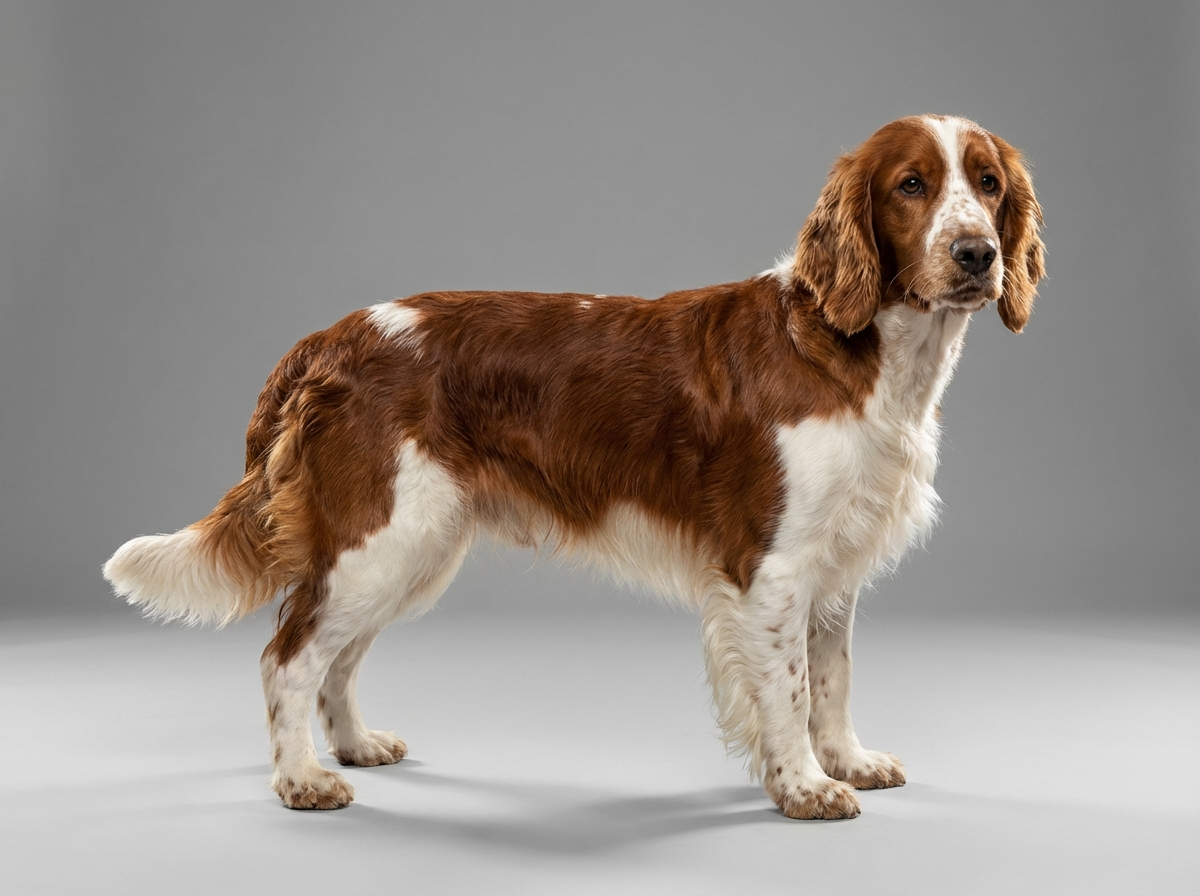
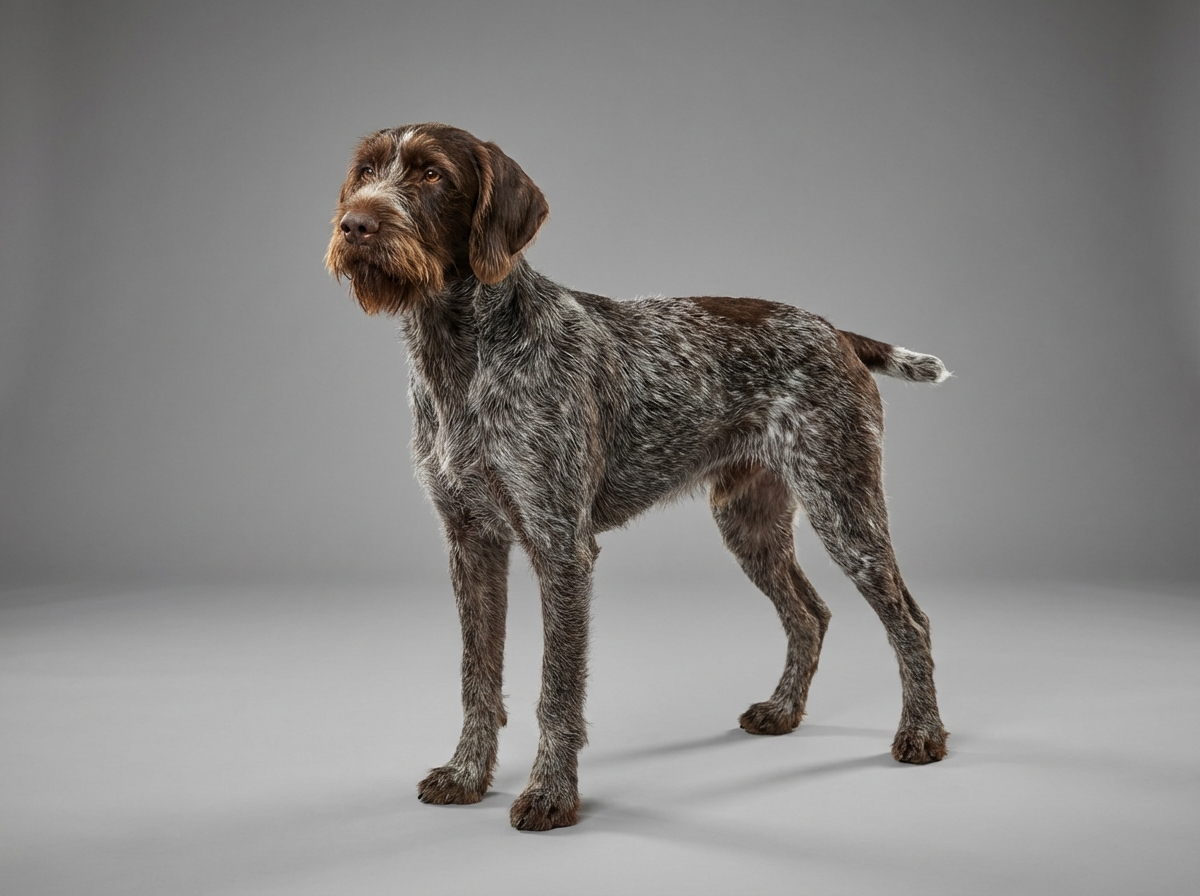
The breed standard describes this coat as medium, straight and water-resistant. That is a working coat, developed to let a dog spend a Welsh winter in wet cover, and it does three jobs at once. It sheds water. It traps a layer of air against the skin, which insulates in both directions rather than only against cold. And it puts a physical barrier between direct sun and skin that, on a mostly white-and-red dog, is thinner and paler than people assume.
Clipping it short removes all three. The dog is not cooler; the insulating layer that slowed heat coming in has gone along with the layer that slowed heat going out. It is sunburnable, which matters on a Nebraska July afternoon. And the regrowth on a coat of this type frequently comes back with a different texture — coarser, patchier, less water-shedding than it was — sometimes for a season, sometimes permanently. That is the part owners regret, because it changes the dog's weather protection going into the following winter.
The thing that actually helps in heat is the opposite of clipping: getting the dead undercoat out so air can move through what remains. A thorough de-shedding session in late spring, plus weekly brushing through summer, does more for a hot dog than a clipper ever will, and it costs less.
What should be trimmed is the feathering — the ears, the backs of the legs, the chest — which mats rather than shedding cleanly and collects burrs and seed heads on prairie ground. Tidying that is normal grooming. Taking the body coat down is a different decision entirely, and in this climate it is the wrong one.