Health
What quick tips can help with Labradoodle heart problems?
Ensure your Labradoodle has a balanced diet and regular exercise to support heart health. Keep an eye on their weight and schedule regular vet check-ups.

Quick answer
What quick tips can help with Labradoodle heart problems?
Ensure your Labradoodle has a balanced diet and regular exercise to support heart health. Keep an eye on their weight and schedule regular vet check-ups.
Labradoodle heart problems can be a serious concern for owners. These issues can affect your dog's quality of life and longevity.
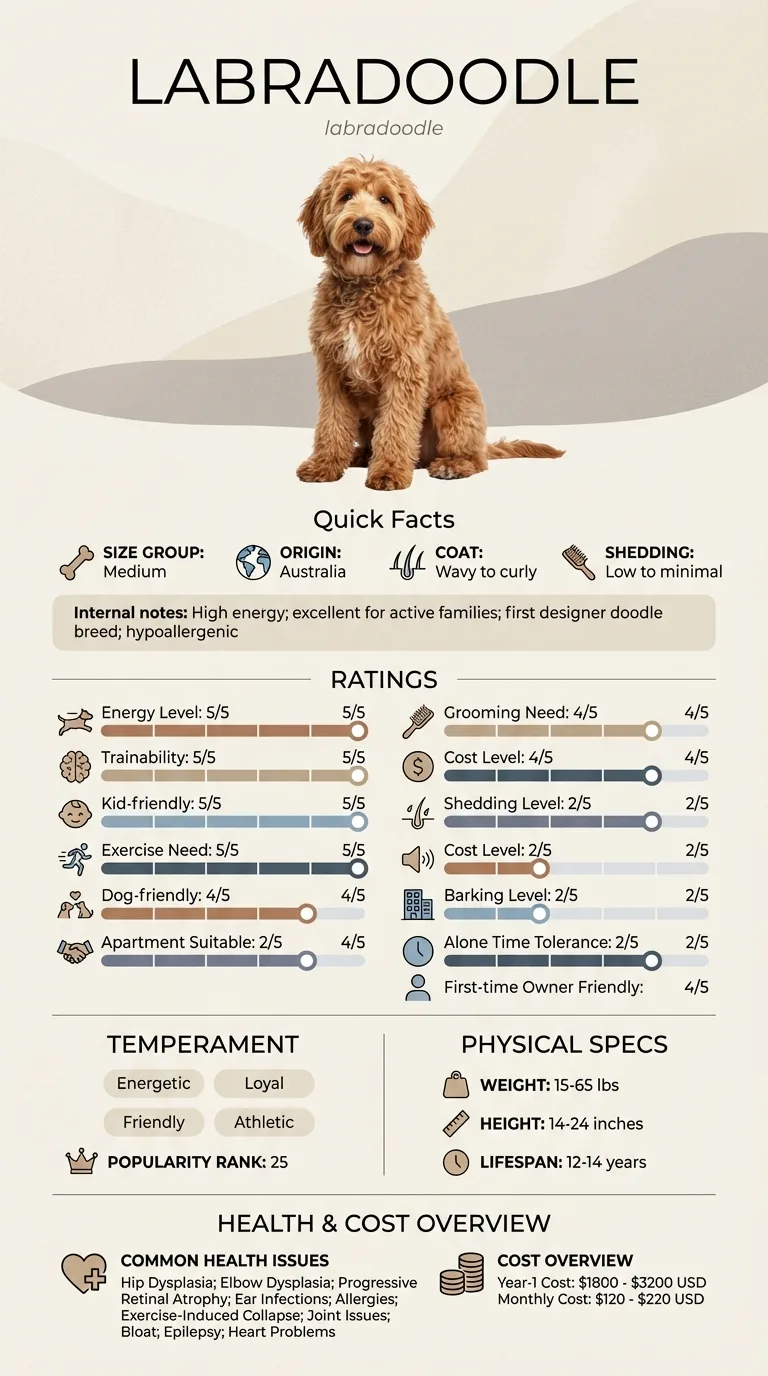
This issue often troubles first-time dog owners or busy families who may not notice subtle changes in their Labradoodle's behavior. Owners of older dogs or those with a family history of heart issues should also be particularly vigilant.
This guide is not medical advice. If your dog shows pain, sudden behavior change, or worsening symptoms, consult a licensed veterinarian.
Some links may be affiliate links. We may earn a commission at no extra cost to you. We only suggest products we believe are helpful for dog owners.
We research and check what we publish, but we do not warrant that any figure, date, price, or statement is accurate, complete, or current, and we accept no liability for any loss, cost, injury, or other harm arising from the use of this site. Use it as one reference among several. You remain responsible for your own decisions and for your dog's care - confirm anything that matters with a licensed veterinarian or another qualified professional before you act on it. Full disclaimer.
Check this first
Recognizing when Labradoodle heart problems require immediate veterinary attention is crucial. If your Labradoodle shows any of the following red-flag signs, it's time to call your vet right away. These include difficulty breathing, persistent coughing, or extreme lethargy. Additionally, if your dog collapses or has a sudden change in appetite, these are serious symptoms that warrant urgent care.
On the other hand, there are situations where you can monitor your Labradoodle's heart issues at home. If your dog occasionally seems tired after play but recovers quickly or shows mild coughing that doesn't persist, you might not need immediate help. Keeping a close eye on any changes in behavior or energy levels can help you decide the best course of action. Regular vet check-ups are essential to catch potential problems before they escalate.
When in doubt, it’s always better to err on the side of caution. Heart issues can escalate quickly in dogs, so observing your Labradoodle's condition is vital. Don't hesitate to reach out to a vet if something feels off. They can provide guidance based on your dog's specific symptoms and history.
If any of these apply, call your vet or an emergency clinic now. The rest of this page is for the cases that are not an emergency.
Labradoodle heart problems can manifest as lethargy, cough, or difficulty breathing. These symptoms often occur during exercise or playtime, which might surprise owners who expect their energetic dogs to be lively. Regular vet check-ups are crucial, as early detection can lead to better management of these issues.
Heart problems in Labradoodles are not the most common health issue, but they do occur. Conditions like subvalvular aortic stenosis and cardiomyopathy can affect this breed, particularly as they age. Awareness and proactive care can help mitigate risks.
Labradoodles can be prone to specific heart problems due to their genetics. Conditions like subvalvular aortic stenosis and cardiomyopathy can affect them, especially as they age. These breed-related issues often stem from inherited traits, making certain Labradoodles more susceptible than others.
Environmental factors can also play a role in heart problems. Poor diet, lack of exercise, and obesity can contribute to heart issues in Labradoodles. Stressful living situations, like frequent changes or a chaotic home, may further aggravate their health.
If you notice symptoms like coughing, fatigue, or rapid breathing, contact your vet immediately. These could be signs of serious heart problems that require professional attention. Regular check-ups are essential, especially as your Labradoodle ages.
Understanding what not to do can help address Labradoodle heart problems effectively. Here are some common mistakes to avoid:
Start here: Labradoodle Most Common Genetic Disorders: Screening
See all Labradoodle health problems, which breeds are prone to heart problems, or the full Labradoodle breed guide for temperament, exercise needs and ownership costs.
Addressing Labradoodle heart problems typically takes several months. Initial veterinary visits can diagnose the issue, followed by regular check-ups and possible lifestyle changes for at least 6 months.
Success means your Labradoodle shows improvement in energy levels and overall health. You should notice fewer symptoms and an increased quality of life for your furry friend.
When Sarah adopted Max, her Labradoodle, she was thrilled. But soon, she noticed him struggling to keep up during walks. After a vet visit, Sarah learned that Max had heart problems. Determined to help him, she followed the vet’s advice and adjusted Max's diet, added daily moderate exercise, and scheduled regular check-ups. Over time, Max became more energetic and playful, allowing Sarah to enjoy their walks together once again.
Key takeaway: With proper care and attention, many Labradoodles can thrive despite heart problems. Regular vet check-ups and lifestyle adjustments are essential.
Common signs of heart problems in Labradoodles include coughing, difficulty breathing, fatigue, and a decreased appetite. If you notice any of these symptoms, it's essential to consult a vet for a thorough examination.
To help prevent heart problems in your Labradoodle, maintain a healthy diet and regular exercise. Regular vet visits are crucial for monitoring heart health and catching any early signs of trouble.
Common symptoms include coughing, fatigue, and difficulty breathing. If your Labradoodle shows any of these signs, consult your vet immediately for an evaluation.
Heart problems in Labradoodles are typically diagnosed through a physical exam, X-rays, or an echocardiogram. Your vet will listen for abnormal heart sounds and may recommend further tests if needed.
Yes, some heart problems can be managed with medication and lifestyle changes. Your vet will recommend the best treatment plan based on your dog's specific condition and needs.
Yes, heart problems can be inherited in Labradoodles, particularly conditions like subvalvular aortic stenosis. Responsible breeding practices can help reduce the risk of these inherited issues.
For older Labradoodles with heart problems, ensure they have a comfortable resting space, maintain a balanced diet, and follow your vet's exercise recommendations. Regular check-ups are crucial for monitoring their health.
Treatment options for Labradoodle heart problems may include medications, dietary changes, and in some cases, surgery. Always discuss the best course of action with your veterinarian, who can tailor a plan to your dog's specific needs.
If your Labradoodle shows any signs of distress, such as excessive coughing, fainting, or fatigue, you should take them to the vet immediately. Early detection and intervention can significantly improve their quality of life.
Ensure your Labradoodle has a balanced diet and regular exercise to support heart health. Keep an eye on their weight and schedule regular vet check-ups.
Yes, Labradoodles can be prone to certain heart issues, especially if there is a family history. Early detection is key for effective management.
Aim for annual check-ups, or more frequently if your Labradoodle shows symptoms of heart issues. Regular check-ups can help catch problems early.
Consult your vet immediately for a proper diagnosis and treatment plan. Early intervention can make a significant difference.
Yes, heart problems can lead to fatigue and anxiety, affecting your Labradoodle's overall behavior. Monitor any changes closely and communicate with your vet.
A one-page prep sheet for this condition: the signs, the questions to ask, what to get priced. Unlocks here.
You get: Vet visit prep sheet
No spam. One-click unsubscribe. See our privacy policy.
Preview page 1 before you decide.