Leptospirosis is a bacterial infection spread in the urine of infected wildlife and rodents. It survives in warm, standing fresh water and moist soil, and dogs pick it up by wading through it, drinking from it, or getting it on a cut. It can cause severe kidney and liver disease, treatment can run into hospitalisation, and it is transmissible to people, which makes it a household matter and not only a veterinary one.
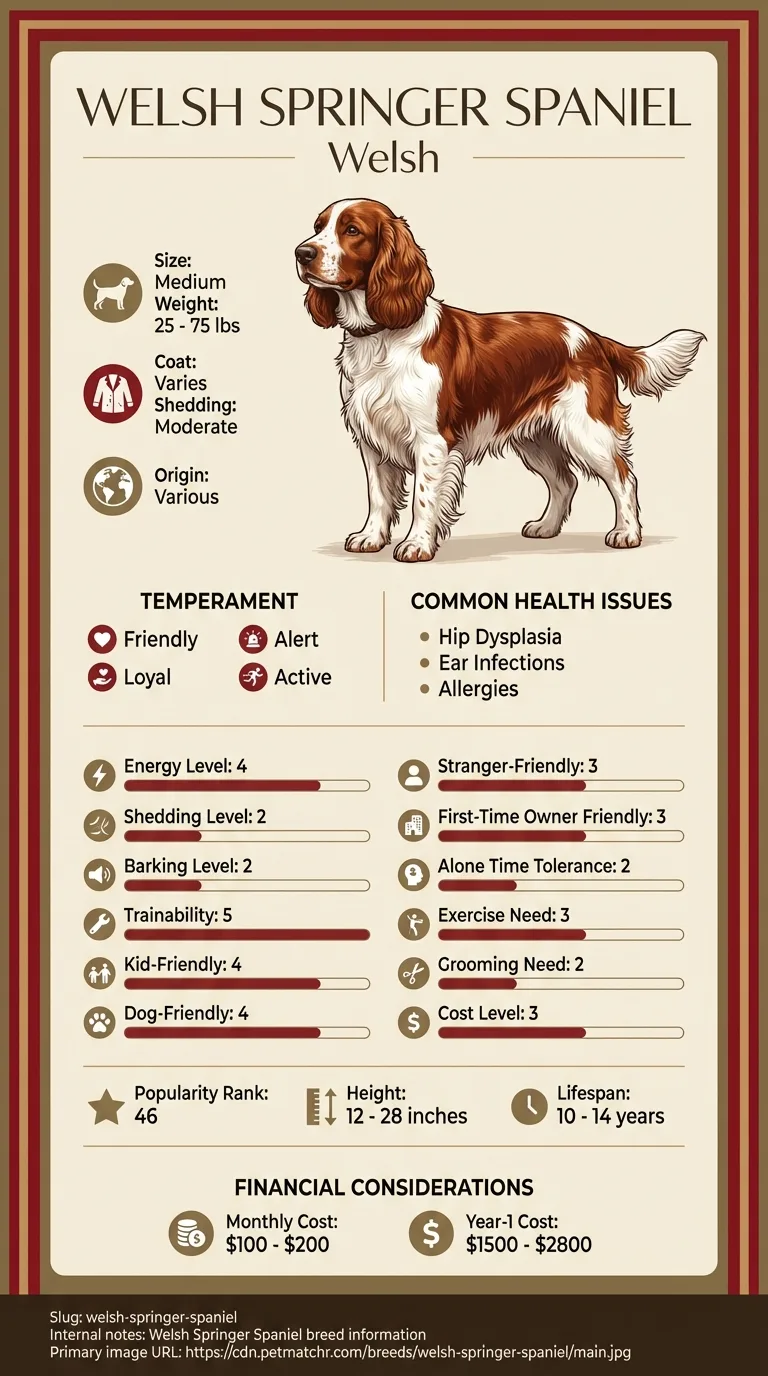
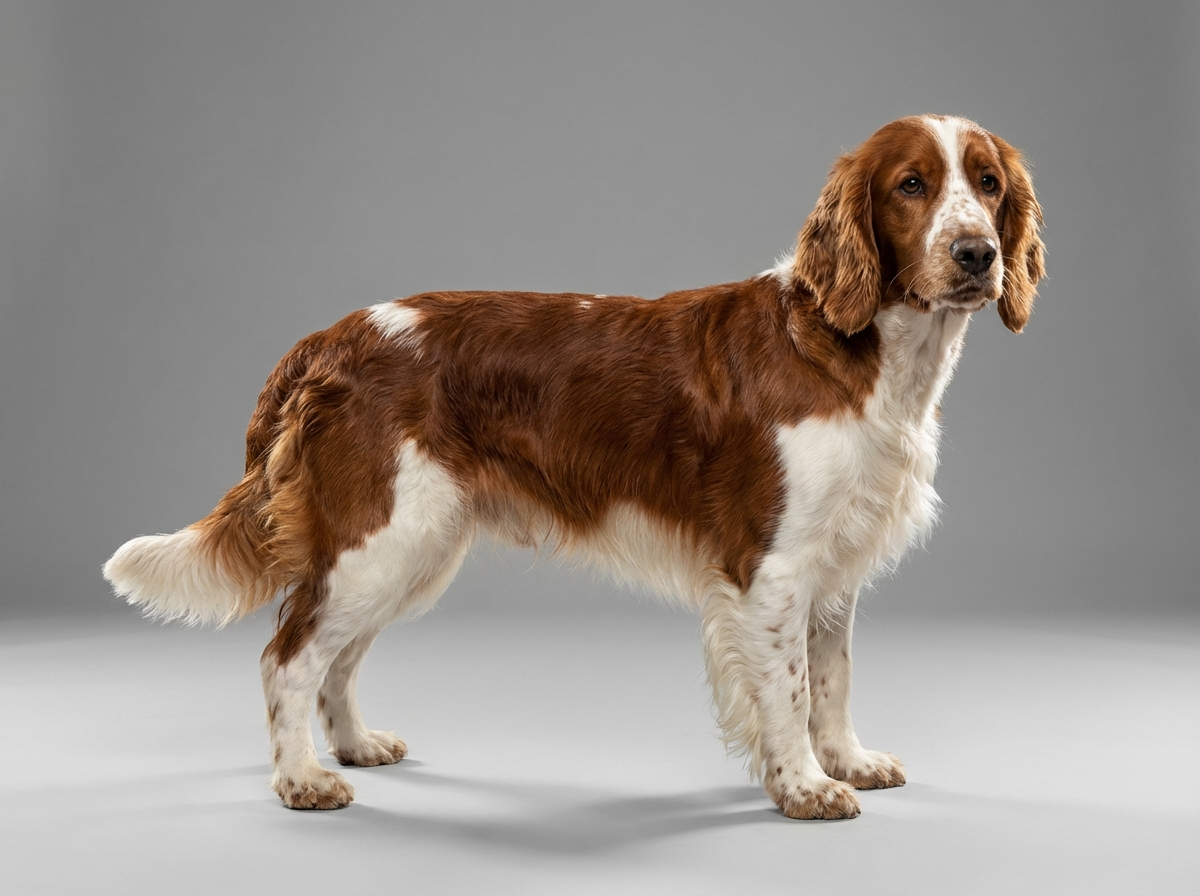
Houston assembles every ingredient at once: heat, humidity, an abundance of urban wildlife, a low flat plain and a drainage system that leaves water sitting for days. The risk is not really the bayou, which most owners are cautious about anyway. It is the ditch behind the park, the flooded lot after an afternoon thunderstorm, the standing water at the edge of a path — the places nobody thinks to steer a dog away from, and precisely the places a flushing spaniel is drawn to.
The answer is inexpensive. Leptospirosis vaccination is not one of the core canine vaccines everywhere, but in a Gulf Coast city with a water-seeking breed it is a conversation worth initiating rather than waiting to be offered. It is given as an initial two-dose series a few weeks apart and then boosted annually, and the annual cost is trivial against the alternative. Alongside it, the free measure is simply refusing the dog access to standing water it did not need.