Health
Is diabetes a documented risk for this breed?
No, but the breed's documented hypothyroidism risk is a reason to watch the broader endocrine system as a dog ages.

Quick answer
Is diabetes a documented risk for this breed?
No, but the breed's documented hypothyroidism risk is a reason to watch the broader endocrine system as a dog ages.
A dog suddenly drinking noticeably more water and needing far more frequent bathroom breaks is one of the clearest early patterns of diabetes, and it's worth paying attention to rather than assuming it's just a hot week.

Owners of middle-aged and senior dogs face this most often, and owners already managing another endocrine condition, like documented hypothyroidism in this breed, should stay especially alert since endocrine issues can sometimes cluster together.
This guide is not medical advice. If your dog shows pain, sudden behavior change, or worsening symptoms, consult a licensed veterinarian.
Some links may be affiliate links. We may earn a commission at no extra cost to you. We only suggest products we believe are helpful for dog owners.
We research and check what we publish, but we do not warrant that any figure, date, price, or statement is accurate, complete, or current, and we accept no liability for any loss, cost, injury, or other harm arising from the use of this site. Use it as one reference among several. You remain responsible for your own decisions and for your dog's care - confirm anything that matters with a licensed veterinarian or another qualified professional before you act on it. Full disclaimer.
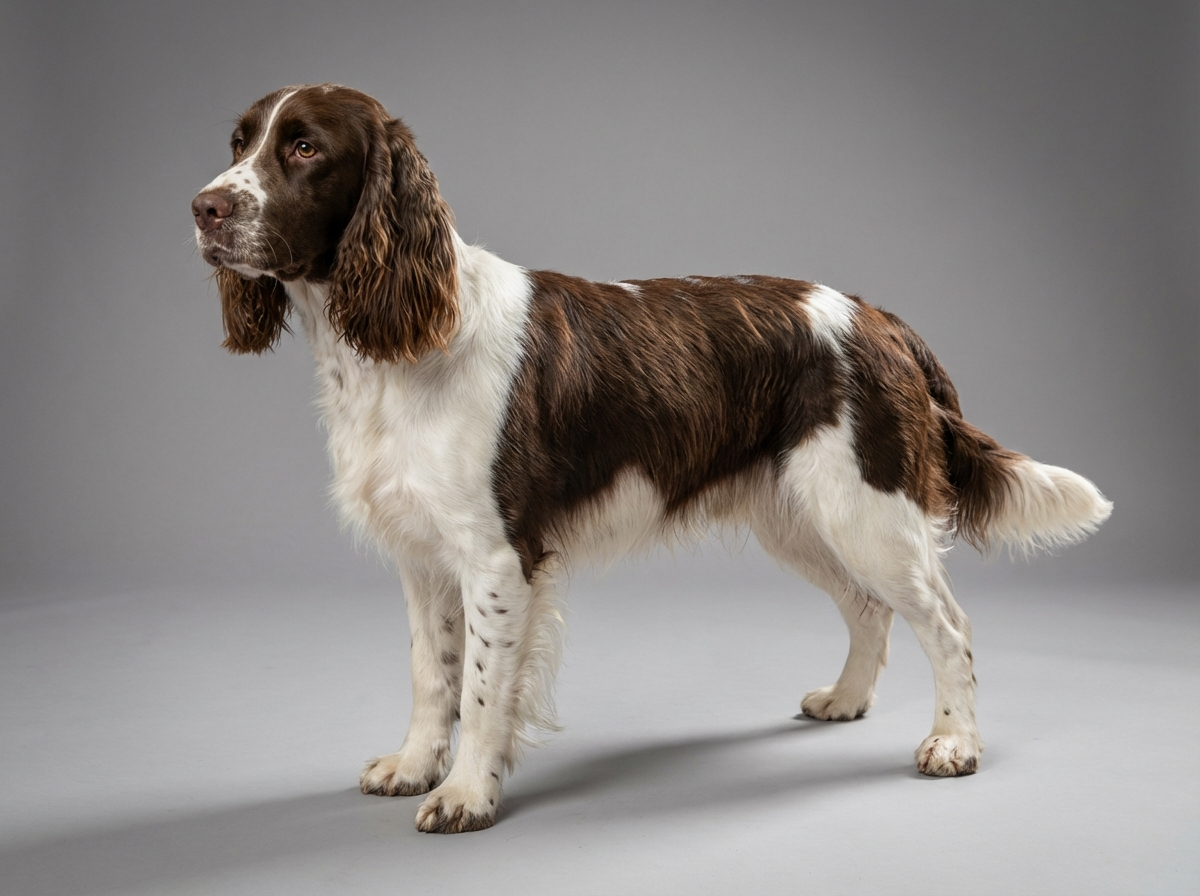
Diabetes develops when a dog's body can't produce or properly use insulin, leading to chronically elevated blood sugar and signs like increased thirst, urination, and weight loss. It isn't a documented health issue for the Welsh Springer Spaniel, but the breed's documented hypothyroidism risk is a reason to keep a broader eye on endocrine health as the dog ages.
Diabetes isn't among the Welsh Springer Spaniel's five specifically documented health issues. It's included here because this breed's documented hypothyroidism risk places it in a category where broader endocrine monitoring is reasonable, and diabetes is a common enough condition across dog breeds generally to be worth understanding.
There's no documented genetic predisposition to diabetes for this breed in breeds.json. The relevant breed connection is indirect: the documented hypothyroidism risk means this breed's owners are more likely to already be monitoring endocrine health, and weight gain associated with thyroid issues can itself raise diabetes risk.
Diet and body weight are the most significant modifiable factors. A consistent, appropriate diet and regular exercise, both especially relevant given this breed's high documented exercise need, help maintain a healthy weight and reduce insulin resistance risk over time.
See your vet if you notice increased thirst and urination alongside weight loss, new eye cloudiness, or reduced energy. Sudden weakness, repeated vomiting, or disorientation in a diabetic dog should be treated as an emergency requiring immediate care.
See all Welsh Springer Spaniel health problems, which breeds are prone to diabetes, or the full Welsh Springer Spaniel breed guide for temperament, exercise needs and ownership costs.
Getting a diabetic dog's blood sugar well regulated typically takes several weeks of insulin dose adjustments and monitoring after diagnosis. Once stabilized, most dogs settle into a predictable daily routine that keeps them comfortable long-term.
Success looks like stable blood sugar, normal thirst and appetite, and steady weight, maintained through a consistent daily insulin and feeding routine rather than a cure, since diabetes in dogs is generally a lifelong condition.
Hypothyroidism is a documented health issue for the Welsh Springer Spaniel, and it's a useful reason for owners of this breed to pay closer attention to the endocrine system generally, even though diabetes itself isn't separately documented as a breed risk. The two conditions involve different glands, the thyroid versus the pancreas, but both fall under the broader category of hormonal regulation that can go awry with age.
A dog with undiagnosed or poorly managed hypothyroidism often gains weight more easily, and excess weight is itself a recognized risk factor for insulin resistance in dogs, similar to the pattern seen in humans. This doesn't mean hypothyroidism causes diabetes directly, but it does mean a Welsh Springer Spaniel already being monitored for one endocrine condition is a reasonable candidate for watching the other as well.
Routine senior bloodwork typically screens for blood sugar levels alongside thyroid function, which is one of the simplest ways this connection gets managed in practice without requiring separate, additional testing.
These signs together, especially increased thirst paired with weight loss, are a strong enough pattern to warrant a same-week vet visit and bloodwork.

If you think your Welsh has diabetes, the plan is three steps: write down what you have seen and when it started, book a veterinary appointment rather than waiting for the next flare, and take video of the behaviour or symptom before you go — the thing you are worried about rarely happens in the consulting room. Screening in the parents covers hip dysplasia, ear infections, epilepsy.
What the vet visit should produce is a diagnosis and a written plan, not just reassurance: what is being ruled out, what the monitoring interval is, and which signs mean you come back sooner. Ask what the treatment costs across a year rather than per visit, because that is the number that decides whether you are managing this condition or reacting to it.
Between appointments, keep a short log — dates, what you saw, what changed. It is the single most useful thing an owner brings to a follow-up, and for diabetes it is often what separates a clear pattern from a guess.
Alys's Welsh Springer Spaniel, Twm, had been managed for documented hypothyroidism since age six, with regular bloodwork keeping his thyroid levels stable. At age ten, that same routine bloodwork flagged elevated blood glucose, something Alys hadn't suspected since Twm hadn't shown obvious symptoms yet. Further testing confirmed early diabetes. Because it was caught through routine monitoring rather than after symptoms progressed, Twm's vet was able to start a manageable insulin routine before any complications, like cataracts, had developed. Alys now treats Twm's twice-yearly bloodwork as non-negotiable, having seen firsthand how one endocrine condition made her more likely to catch a second one early.
Key takeaway: Already monitoring one endocrine condition closely made it easier to catch a second, unrelated one early, before it had a chance to cause complications.
No, it isn't among this breed's documented health issues. Hypothyroidism is documented, and while the two conditions are separate, both are endocrine issues worth watching for as a dog ages.
A blood glucose test showing persistently elevated blood sugar, often alongside sugar detected in the urine, confirms a diabetes diagnosis. This is typically included in routine senior bloodwork panels.
Yes, most diabetic dogs are managed successfully with daily insulin injections, a consistent feeding schedule, and regular monitoring, allowing many dogs to live comfortably for years after diagnosis.
Yes, diabetic dogs are at significantly higher risk of developing cataracts, sometimes quite rapidly after diagnosis, which is why routine eye checks are part of ongoing diabetes management.
Ongoing management, insulin, syringes, monitoring supplies, and regular vet checks, commonly runs $500 to $1,500 or more annually depending on the specific insulin type and monitoring approach used.
A new diagnosis usually isn't an emergency itself, but a diabetic dog that becomes suddenly weak, is vomiting repeatedly, or seems disoriented may be experiencing a dangerous complication and needs immediate veterinary care.
No, but the breed's documented hypothyroidism risk is a reason to watch the broader endocrine system as a dog ages.
Increased thirst and urination paired with weight loss despite normal appetite is the clearest early combination.
Yes, it can cause cataracts to develop rapidly, making regular eye checks part of ongoing management.
Insulin, supplies, and monitoring commonly run $500 to $1,500 or more per year depending on the treatment approach.
Yes, with consistent insulin treatment and monitoring, many diabetic dogs live comfortably for years after diagnosis.
A one-page prep sheet for this condition: the signs, the questions to ask, what to get priced. Unlocks here.
You get: Vet visit prep sheet
No spam. One-click unsubscribe. See our privacy policy.
Preview page 1 before you decide.