Living
Which is bigger?
The Welsh Springer Spaniel, at 35–55 lbs versus the Sheltie's 15–25 lbs.

Quick answer
Which is bigger?
The Welsh Springer Spaniel, at 35–55 lbs versus the Sheltie's 15–25 lbs.
Shetland Sheepdog or Welsh Springer Spaniel? On paper they differ most on barking, and on the scales Welsh Springer Spaniel is the heavier at 35–55 lbs. Here is how the two compare on everything that shapes an ordinary week.
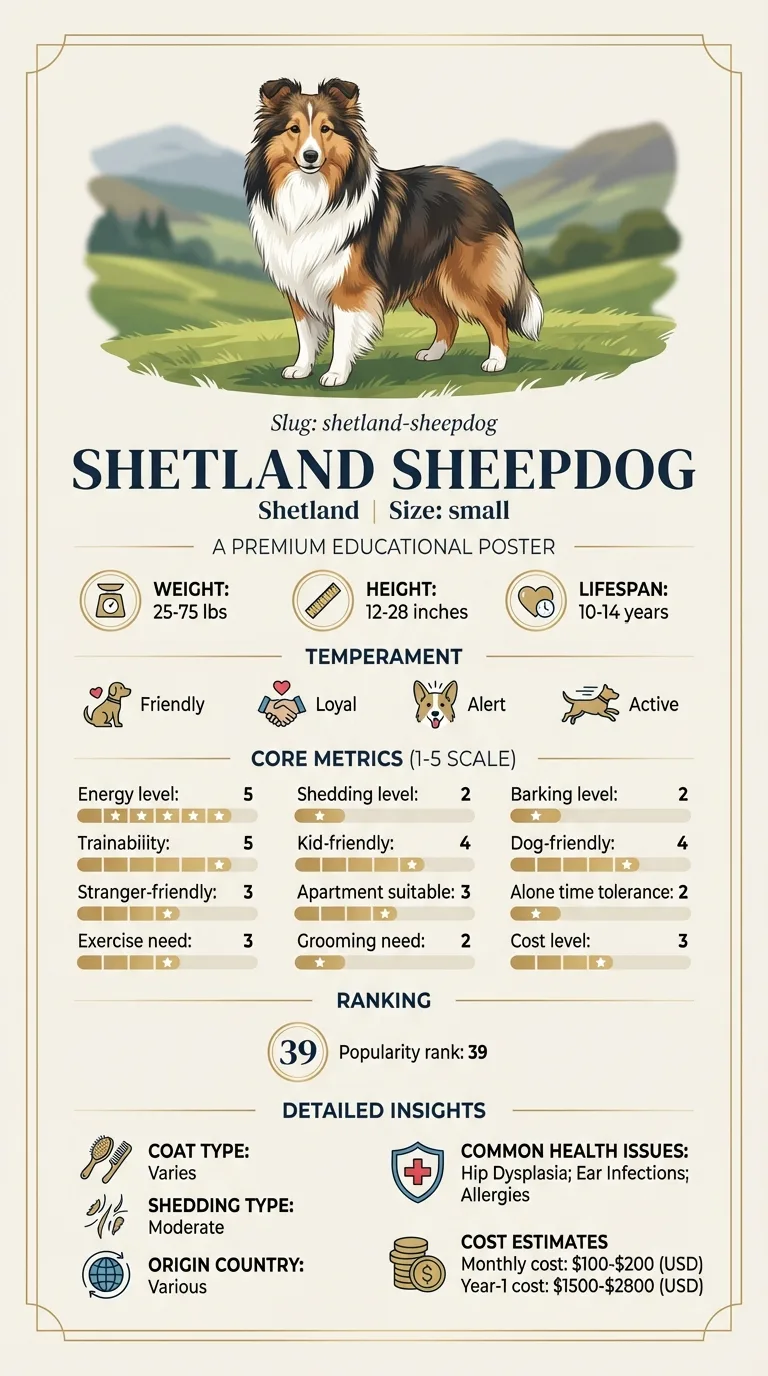
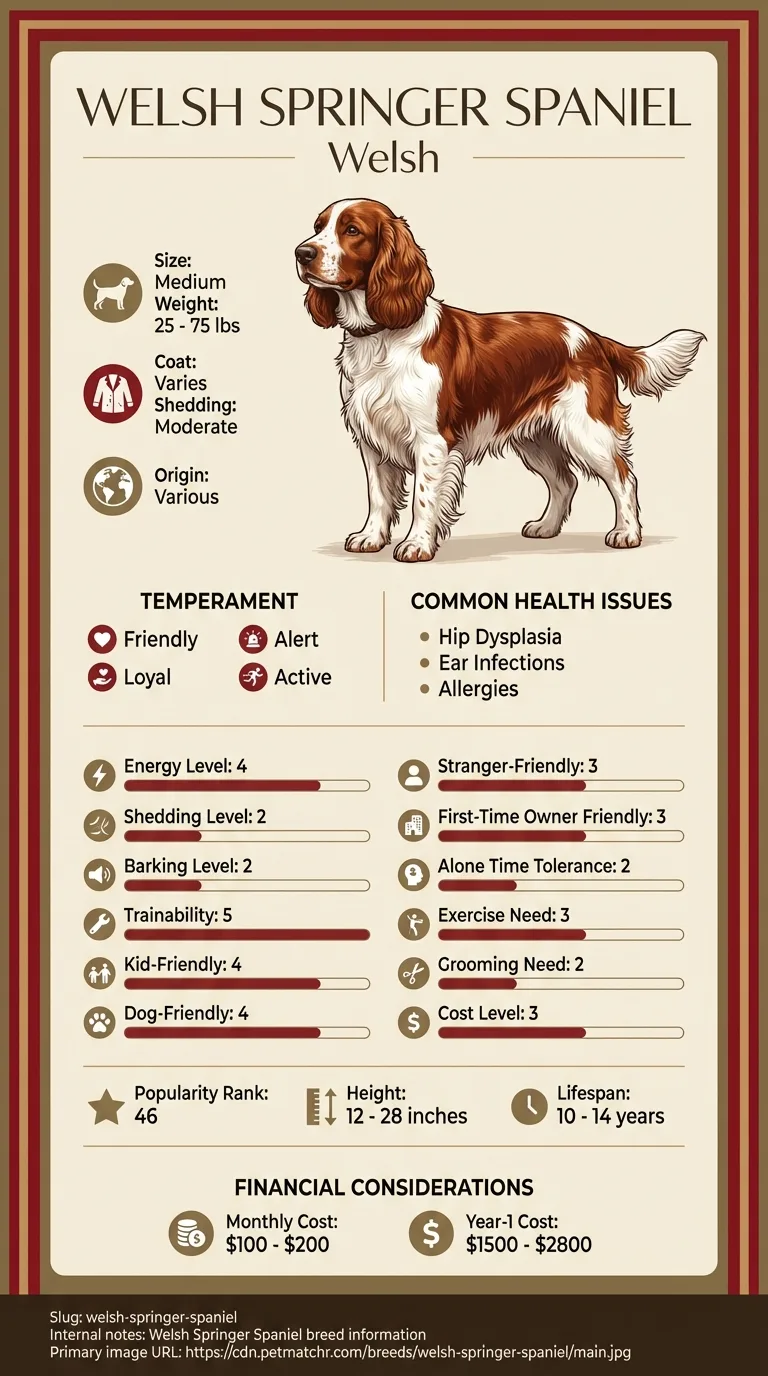
This is for someone already down to Shetland Sheepdog and Welsh Springer Spaniel and deciding between them. For this pair the decision usually turns on barking, so those are covered first and in most detail. Anyone choosing from a flat has a clear answer here: Shetland Sheepdog rates 3/5 against 2/5. The focus throughout is on daily consequences rather than breed background.
Between Shetland Sheepdog and Welsh Springer Spaniel, barking is what separates them, and Shetland Sheepdog is the lower-effort dog of the two to keep.
Choose Shetland Sheepdog if you are in a flat or a smaller home, this is your first dog and you want a dog that picks up training quickly.
Choose Welsh Springer Spaniel if you do not want a standing grooming appointment and shedding is a problem in your house.
| Feature | shetland sheepdog | welsh springer spaniel | Winner |
|---|---|---|---|
| Size class | small | medium | Equal |
| Weight | 15–25 lbs | 35–55 lbs | Equal |
| Height | 13–16 in | 17–19 in | Equal |
| Lifespan | 12–14 years | 12–15 years | welsh springer spaniel |
| Exercise need | High (4/5) | High (4/5) | Equal |
| Grooming need | High (4/5) | Moderate (3/5) | welsh springer spaniel |
| Shedding | High (4/5) | Moderate (3/5) | welsh springer spaniel |
| Energy level | High (4/5) | High (4/5) | Equal |
| Barking | Very high (5/5) | Moderate (3/5) | welsh springer spaniel |
| Apartment suitability | Moderate (3/5) | Low (2/5) | shetland sheepdog |
| Good for first-time owners | High (4/5) | Moderate (3/5) | shetland sheepdog |
| Tolerates being alone | Low (2/5) | Low (2/5) | Equal |
| Trainability | Very high (5/5) | High (4/5) | shetland sheepdog |
| Good with kids | High (4/5) | High (4/5) | Equal |
| Good with other dogs | High (4/5) | High (4/5) | Equal |
| Friendly to strangers | Low (2/5) | Moderate (3/5) | welsh springer spaniel |
| Cost level | Moderate (3/5) | Moderate (3/5) | Equal |
| Coat | Long, dense double coat | Medium, straight and water-resistant | Equal |
| Origin | Various | Various | Equal |
| Typical monthly cost | $80–$150 | $100–$200 | Equal |
| Typical first-year cost | $1,100–$2,300 | $1,400–$2,900 | Equal |
Step up one size class from the Sheltie's 15–25 lbs and you land close to the Welsh Springer Spaniel's 35–55 lb frame — a medium-sized sporting dog standing 17–19 inches versus the Sheltie's 13–16 inches. It's a meaningful but not extreme difference: both are solidly built dogs that fit in a mid-size car crate, unlike some of the giant breeds a Sheltie might be compared against. The Welsh Springer's slightly longer legs and deeper chest reflect its flushing-and-retrieving job in the field, while the Sheltie's compact, low-slung frame comes from a heritage of working close to livestock on rough Scottish terrain.
These two are close to evenly matched on paper — both rate High (4/5) for exercise need and High (4/5) energy level. The difference shows up in style rather than volume: the Welsh Springer Spaniel was bred to flush and retrieve game, so it thrives on retrieving games, scent work, and off-leash rambles, while the Sheltie channels its energy into structured tasks like agility or herding-style fetch games that use its brain as much as its legs. Owners shouldn't expect either dog to be satisfied with a short leash walk, but a bored Sheltie tends to bark about it, while a bored Springer tends to dig or chew.
The Sheltie asks more of its owner here: High (4/5) grooming and High (4/5) shedding from its long, dense double coat means frequent brushing and a fur-covered house, especially during seasonal coat blow. The Welsh Springer Spaniel's medium, straight, water-resistant coat is easier to manage at Moderate (3/5) for both grooming and shedding — regular brushing and attention to its feathered ears (which also makes it prone to ear infections, one of its listed health issues) covers most of the work. Neither is a wash-and-go breed, but the gap between 'high' and 'moderate' translates into real time saved each week for Springer owners.
The Sheltie actually edges out the Welsh Springer Spaniel for apartment suitability, Moderate (3/5) versus Low (2/5), despite carrying a Very High (5/5) barking rating against the Springer's Moderate (3/5). That's a real trade-off: a Sheltie in a small space will likely vocalize at every hallway noise, while a quieter Welsh Springer needs more physical room and daily mileage to stay content indoors. Both breeds tolerate being alone poorly, rated Low (2/5) apiece, so neither suits an owner gone ten-plus hours a day. A ground-floor unit with a fenced yard flatters the Springer far more than a compact apartment does.
The Sheltie holds a slight edge in raw trainability — Very High (5/5) versus the Welsh Springer's still-strong High (4/5) — and rates High (4/5) for first-time owners against the Springer's Moderate (3/5). Both breeds are described as loyal and biddable in their own way: the Sheltie's temperament list includes Bright and Sensitive, meaning it responds best to gentle, consistent correction, while the Springer's Loyal, Even-tempered profile with a note of Reserved with strangers suggests a dog that needs early socialization to come out of its shell. A first-time owner willing to put in socialization work can absolutely succeed with a Welsh Springer, just with a slightly longer runway than a Sheltie offers.
Families score well with either breed: both rate High (4/5) with kids and High (4/5) with other dogs, making this one of the closer categories on the page. The real differentiator is how each dog handles new people. The Sheltie's Low (2/5) friendliness to strangers, paired with its Vocal nature, means visitors often get announced loudly and eyed warily at first. The Welsh Springer Spaniel, despite being labeled Reserved with strangers in temperament, actually scores a touch higher at Moderate (3/5) once introductions happen. Households that host frequently may find the Springer settles into a room of new faces a bit more easily than a Sheltie does.
The Welsh Springer Spaniel edges ahead on longevity, 12–15 years against the Sheltie's 12–14, giving it the wider potential range. Sheltie owners should watch for Collie Eye Anomaly, MDR1 Drug Sensitivity (a metabolic issue affecting drug tolerance), Dermatomyositis, Hypothyroidism, and Patellar Luxation. The Welsh Springer's list — Hip Dysplasia, Ear Infections, Epilepsy, Glaucoma, and Hypothyroidism — shares hypothyroidism with the Sheltie but otherwise leans toward joint and ear issues common in floppy-eared sporting breeds. Notably, the Springer's feathered ears need regular checks to head off the ear infections it's prone to, an ongoing task the Sheltie's upright ears don't require.
Both breeds sit at Moderate (3/5) on the cost scale, and their monthly ranges overlap closely: $80–$150 for the Sheltie versus $100–$200 for the Welsh Springer Spaniel. First-year costs follow the same pattern, $1,100–$2,300 against $1,400–$2,900, with the Springer's higher ceiling likely reflecting its larger size and food needs. Neither breed carries a single dominant cost driver the way a bloat-prone giant breed might — routine care, quality food, and grooming supplies make up most of the ongoing bill for both, so budget differences here come down more to individual vet and food choices than to the breed itself.
Shetland Sheepdog weighs 15–25 lbs and lives 12–14 years; Welsh Springer Spaniel weighs 35–55 lbs and lives 12–15 years. The two diverge most on barking. They are level on tolerates being alone, cost level and good with other dogs, so those cannot decide it. The table below marks a winner only where one breed is genuinely easier for a typical owner; size and origin are facts rather than merits and stay level. Ratings come from one source applied to both breeds, so they are meaningful against each other rather than as absolute scores.

The Welsh Springer, rated Moderate (3/5) for barking against the Sheltie's Very High (5/5) — a meaningful difference for shared-wall living.
Yes — it rates High (4/5) with kids, matching the Sheltie exactly, so both are strong family choices on this measure.
The Welsh Springer Spaniel, at Moderate (3/5), slightly outpaces the Sheltie's Low (2/5), despite being described as reserved with strangers in temperament.
The Sheltie has a slim edge, rated Very High (5/5) trainability versus the Welsh Springer's High (4/5) — both train well, but the Sheltie responds fastest.
Roughly double the weight — 35–55 lbs versus the Sheltie's 15–25 lbs — and a few inches taller at the shoulder.
The Welsh Springer Spaniel, with a 12–15 year lifespan versus the Sheltie's 12–14 years.
No — it rates Moderate (3/5) for grooming versus the Sheltie's High (4/5), thanks to a shorter, water-resistant coat instead of the Sheltie's long double coat.
The Welsh Springer Spaniel, at 35–55 lbs versus the Sheltie's 15–25 lbs.
The Sheltie, rated High (4/5) versus the Springer's Moderate (3/5).
The Sheltie, rated Moderate (3/5) versus the Springer's Low (2/5), if its barking can be managed.
The Welsh Springer Spaniel, rated Moderate (3/5) barking versus the Sheltie's Very High (5/5).
Secure checkout on Stripe. We never see your card.
7-day money-back guarantee. Instant access.
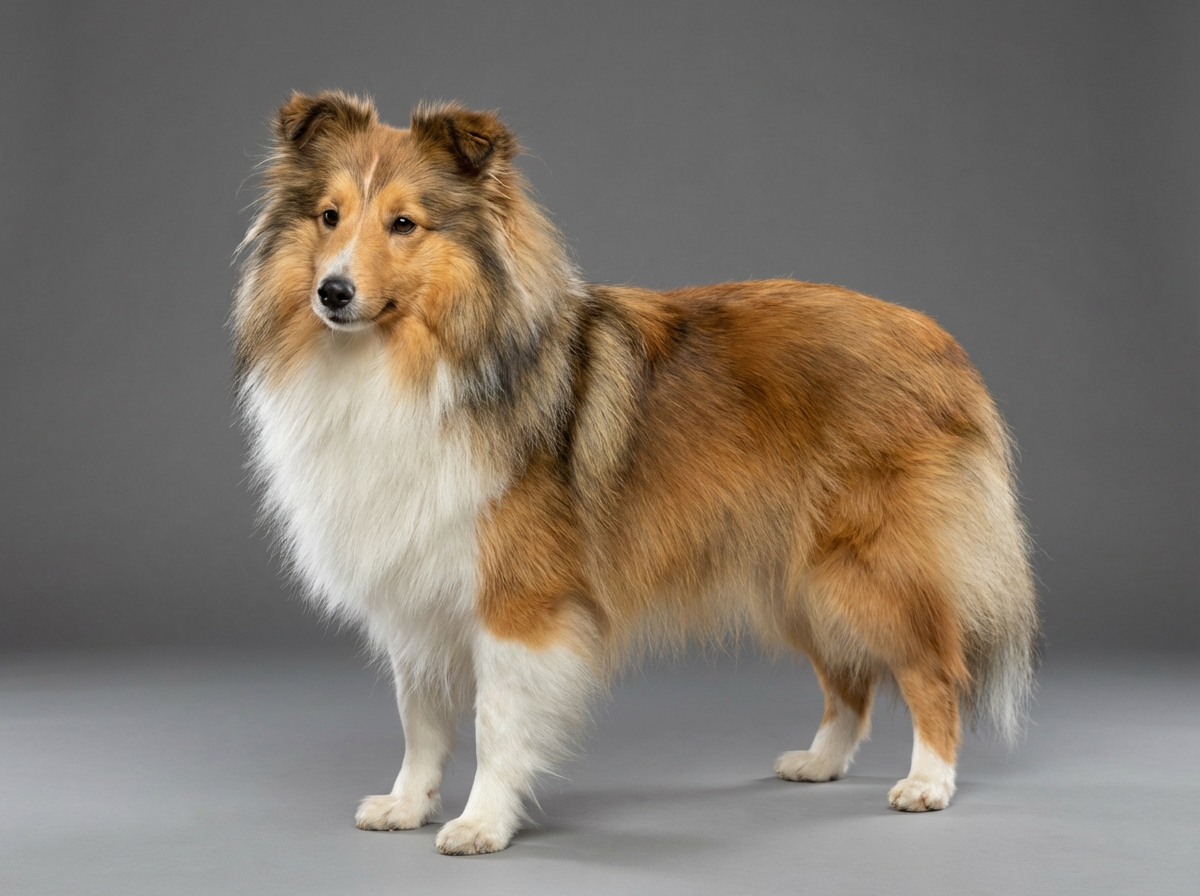
Health information here is general and is not veterinary advice. If your dog shows pain, sudden behaviour change, or worsening symptoms, consult a licensed veterinarian.
Some links on this site are affiliate links. We may earn a commission at no extra cost to you, and we only suggest products we believe are helpful for dog owners.
We research and check what we publish, but we do not warrant that any figure, date, price, or statement is accurate, complete, or current, and we accept no liability for any loss, cost, injury, or other harm arising from the use of this site. Use it as one reference among several. You remain responsible for your own decisions and for your dog's care - confirm anything that matters with a licensed veterinarian or another qualified professional before you act on it. Full disclaimer.
Match your lifestyle to the right dog.
Take quizNot sure which breed is right for you? Take our 2-minute quiz to find out.
Take the quiz