Health
Why do Shelties get ear infections?
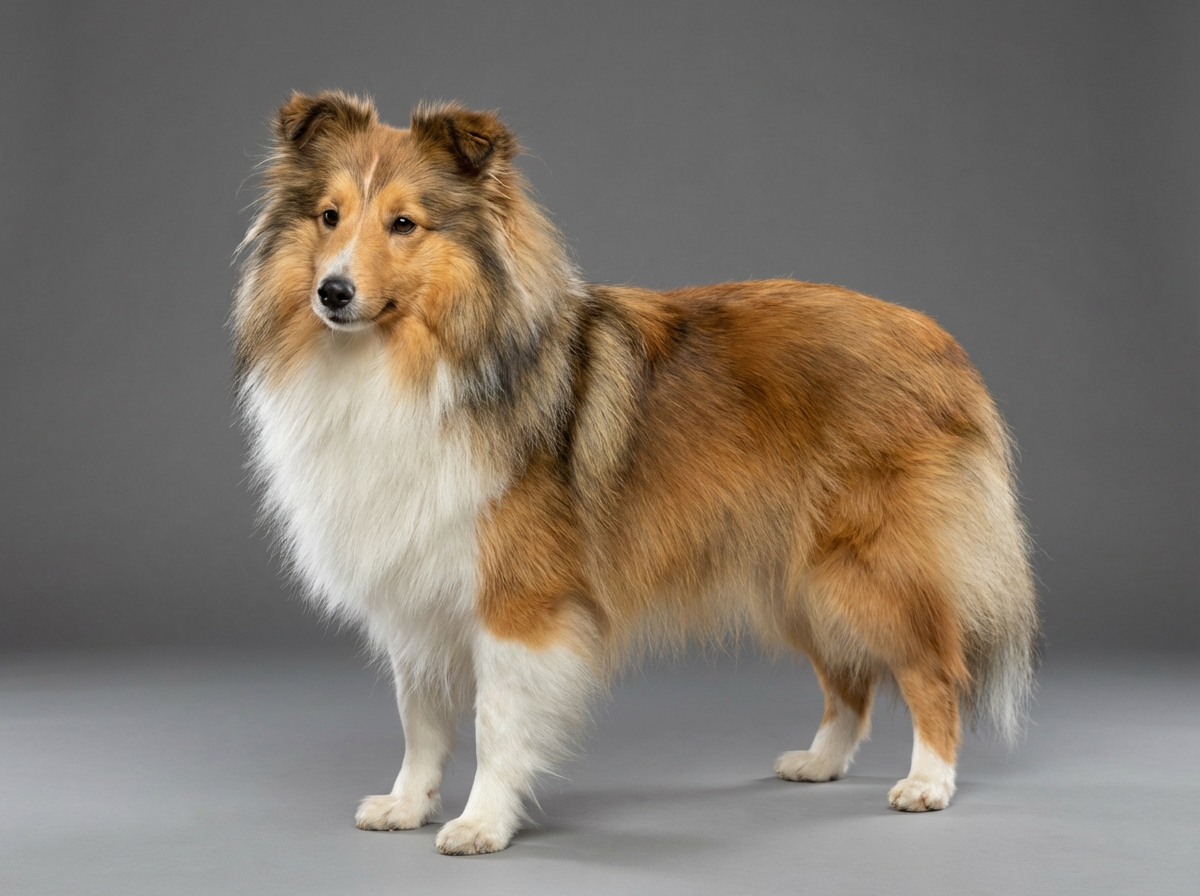
The semi-erect, tipped ear partly covers the canal without allowing the airflow a pricked ear provides, so moisture and debris linger.

Quick answer
Why do Shelties get ear infections?
The semi-erect, tipped ear partly covers the canal without allowing the airflow a pricked ear provides, so moisture and debris linger.
An ear infection that clears and comes back is not bad luck. It is a symptom with a cause that nobody has looked for yet, and the fourth course of drops will not find it either.

Owners on their third or fourth course of ear medication in a year. People whose Sheltie shakes her head constantly after swimming or bathing. Anyone whose dog now flinches when a hand goes near her head.
This guide is not medical advice. If your dog shows pain, sudden behavior change, or worsening symptoms, consult a licensed veterinarian.
Some links may be affiliate links. We may earn a commission at no extra cost to you. We only suggest products we believe are helpful for dog owners.
We research and check what we publish, but we do not warrant that any figure, date, price, or statement is accurate, complete, or current, and we accept no liability for any loss, cost, injury, or other harm arising from the use of this site. Use it as one reference among several. You remain responsible for your own decisions and for your dog's care - confirm anything that matters with a licensed veterinarian or another qualified professional before you act on it. Full disclaimer.
Otitis externa is inflammation of the outer ear canal, usually with overgrowth of the yeast and bacteria that live there normally. It is painful, it is one of the most common reasons dogs are taken to a vet, and its defining frustration is recurrence. The organisms found on a swab are almost never the whole story; they are the opportunists exploiting a canal that something else made inflamed, moist or narrowed.
Ear infection is not listed among the Shetland Sheepdog's five documented conditions, but two of those conditions, hypothyroidism and the breed's overall skin picture, feed directly into it. In practice ear disease is one of the more frequent reasons Sheltie owners visit a vet, and the semi-erect ear plus a thick surrounding coat makes the breed more prone than a pricked-ear dog and less prone than a spaniel.
Ear carriage is the structural driver. A semi-erect ear with a folded tip sits between the two extremes: it does not seal the canal the way a heavy pendulous ear does, but it shades the opening and holds a flap of haired skin over it, so warm humid air does not clear. The dense coat around the ear base compounds that by retaining water after any wetting. On the medical side, hypothyroidism is documented in this breed and is a recognised cause of recurrent ear and skin infection, and it is under-tested precisely because its other signs, weight gain and lethargy, are hidden by coat and attributed to age.
Water is the main one. Swimming, wet walks and baths all deposit moisture in a canal that drains slowly, and a dog dried only on the surface stays damp underneath for hours. Humid summers do the same more slowly. Grass seeds enter the canal during summer walks and cause sudden, intense one-sided pain. Over-cleaning is an environmental factor owners rarely consider: frequent aggressive cleaning of a healthy ear irritates the lining and can create the inflammation it was meant to prevent.
Seek same-day care for a painful ear, for a head tilt, for loss of balance, for flicking eye movements, or for sudden deafness, since these indicate the middle or inner ear may be involved and delay risks permanent damage. Go promptly too for sudden violent head shaking and one-sided pain after a walk in long grass, which suggests a grass seed. Book an appointment for any smell, discharge or redness rather than reaching for leftover medication, and if this is the second infection in a year, ask directly what the underlying cause is being investigated as, and whether allergy work-up or thyroid bloodwork is appropriate.
See all Shetland Sheepdog health problems, which breeds are prone to ear infections, or the full Shetland Sheepdog breed guide for temperament, exercise needs and ownership costs.
An uncomplicated infection clears in one to three weeks with appropriate treatment. Identifying an underlying allergy takes considerably longer, with diet trials alone requiring eight to twelve weeks. Thyroid results come back within days. Once a cause is addressed, most dogs move from several infections a year to one mild flare or none.
Ears that smell of nothing, a dog who tolerates them being handled, and infections that become occasional rather than constant. Where allergy is the driver, success is control rather than cure, and the honest measure is how many courses of treatment a year rather than whether any are needed at all.
Ear disease has a progression, and the earlier stages are noticeable if you are looking. Check both ears weekly at grooming, using your nose as much as your eyes.
Ear medication is usually effective at what it does. It clears the organisms currently present in the canal. What it does not do is change whatever made the canal hospitable to them, and if that remains, the infection returns as soon as the drops stop.
The most common underlying cause in dogs is allergy. Allergic skin disease inflames the lining of the ear canal exactly as it inflames the skin elsewhere, and an inflamed canal produces more wax, retains more moisture and swells slightly, all of which favour overgrowth. That is why a dog with recurring ear infections should be assessed for allergy rather than simply re-treated. Recurrent ear disease is frequently the only visible sign of atopy in a heavily coated dog.
The second underlying cause worth naming here is thyroid. Hypothyroidism is documented in the Shetland Sheepdog, and low thyroid hormone degrades skin barrier function and immune response, producing exactly the pattern of recurring infection that owners find inexplicable in an otherwise healthy dog. A dog with repeat ear problems, weight gain under her coat and reduced energy deserves thyroid bloodwork, not another bottle of drops.
There is a structural consequence to leaving this cycle running. Repeated inflammation causes the canal lining to thicken and eventually to calcify, narrowing the passage permanently. A narrowed canal drains and ventilates worse, so infections become more frequent and harder to treat, and in extreme cases surgery is the only remaining option. That progression is the real argument for finding the cause after the second infection rather than the sixth.

If you think your Shetland has ear infections, the plan is three steps: write down what you have seen and when it started, book a veterinary appointment rather than waiting for the next flare, and take video of the behaviour or symptom before you go — the thing you are worried about rarely happens in the consulting room. Screening in the parents covers collie eye anomaly, mdr1 drug sensitivity, dermatomyositis.
What the vet visit should produce is a diagnosis and a written plan, not just reassurance: what is being ruled out, what the monitoring interval is, and which signs mean you come back sooner. Ask what the treatment costs across a year rather than per visit, because that is the number that decides whether you are managing this condition or reacting to it.
Between appointments, keep a short log — dates, what you saw, what changed. It is the single most useful thing an owner brings to a follow-up, and for ear infections it is often what separates a clear pattern from a guess.
Morven had been treated for ear infections five times in fourteen months. Each course worked. Each time the ears were bad again within a couple of months. Her owner Padraig had started cleaning them twice a week, which if anything made things worse. At the fifth visit a different vet asked a different question: what else had changed. Padraig mentioned that Morven had slowed down over the winter and seemed to feel the cold, though she had not gained weight as far as he could tell. She had, in fact, gained three pounds, which was invisible under her coat but obvious on the scales. Thyroid bloodwork was clearly abnormal. Once treated, her energy returned over about three months and she has had one mild ear flare in the two years since.
Key takeaway: The third ear infection is not an ear problem. Ask what is underneath it, and put the dog on the scales while you are asking.
Ask your vet rather than assuming. Routine plucking is no longer universally recommended, because it can cause micro-trauma and inflammation in a healthy canal. Some dogs with heavy hair growth and recurrent problems do benefit. It is an individual decision.
With a veterinary ear cleaner, filling the canal, massaging the base and letting the dog shake it out, then wiping the visible parts only. Never push cotton buds down the canal. Do not clean at all if the eardrum status is unknown or the ear is painful.
No. Different infections need different treatments, and using the wrong product breeds resistance and delays diagnosis. Some products are also unsafe if the eardrum is ruptured, which is why the ear is examined before anything is prescribed.
Yes. A persistent head tilt, loss of balance, flicking eye movements or vomiting suggests the middle or inner ear is involved. That needs same-day veterinary care rather than a routine appointment.
Water in the canal is a strong contributor, particularly under a folded ear tip. Dry the ear base thoroughly after swimming and bathing, and ask your vet about a drying ear solution if your dog swims regularly.
Two in a year is a reasonable trigger to ask what the underlying cause might be. By the third, treating the ear alone is knowingly managing a symptom, and the conversation should turn to allergy testing, diet trials and thyroid bloodwork.
The semi-erect, tipped ear partly covers the canal without allowing the airflow a pricked ear provides, so moisture and debris linger.
Smell. A yeasty or musty odour from the ear appears before redness, discharge or any sign of pain.
Because the drops clear the organisms but not the underlying cause, which is usually allergy and sometimes thyroid disease.
A head tilt, loss of balance or abnormal eye movements suggests middle or inner ear involvement and needs same-day care.
Repeated consultations, cytology and medication add up quickly against a normal running cost of eighty to a hundred and fifty dollars a month.
A one-page prep sheet for this condition: the signs, the questions to ask, what to get priced. Unlocks here.
You get: Vet visit prep sheet
No spam. One-click unsubscribe. See our privacy policy.
Preview page 1 before you decide.