Costs
Shetland Sheepdog cost in Honolulu
$124–$233 monthly and $1,705–$3,565 in year one, the highest on this site, with Hawaii's animal entry requirements adding a substantial planned cost before the dog even arrives.

See Shetland Sheepdog price across all cities →
Quick answer
Shetland Sheepdog cost in Honolulu
$124–$233 monthly and $1,705–$3,565 in year one, the highest on this site, with Hawaii's animal entry requirements adding a substantial planned cost before the dog even arrives.
Hawaii is one of the few places on earth that is free of rabies, and it protects that status with the strictest animal entry requirements of any American state. A dog arriving from the mainland does not simply get off the plane. There is a quarantine programme, and the version that allows release at the airport on arrival requires a sequence of steps, microchipping, two rabies vaccinations spaced correctly, a specific blood test with a mandatory waiting period afterwards, and paperwork lodged in advance, that has to begin months before the flight.
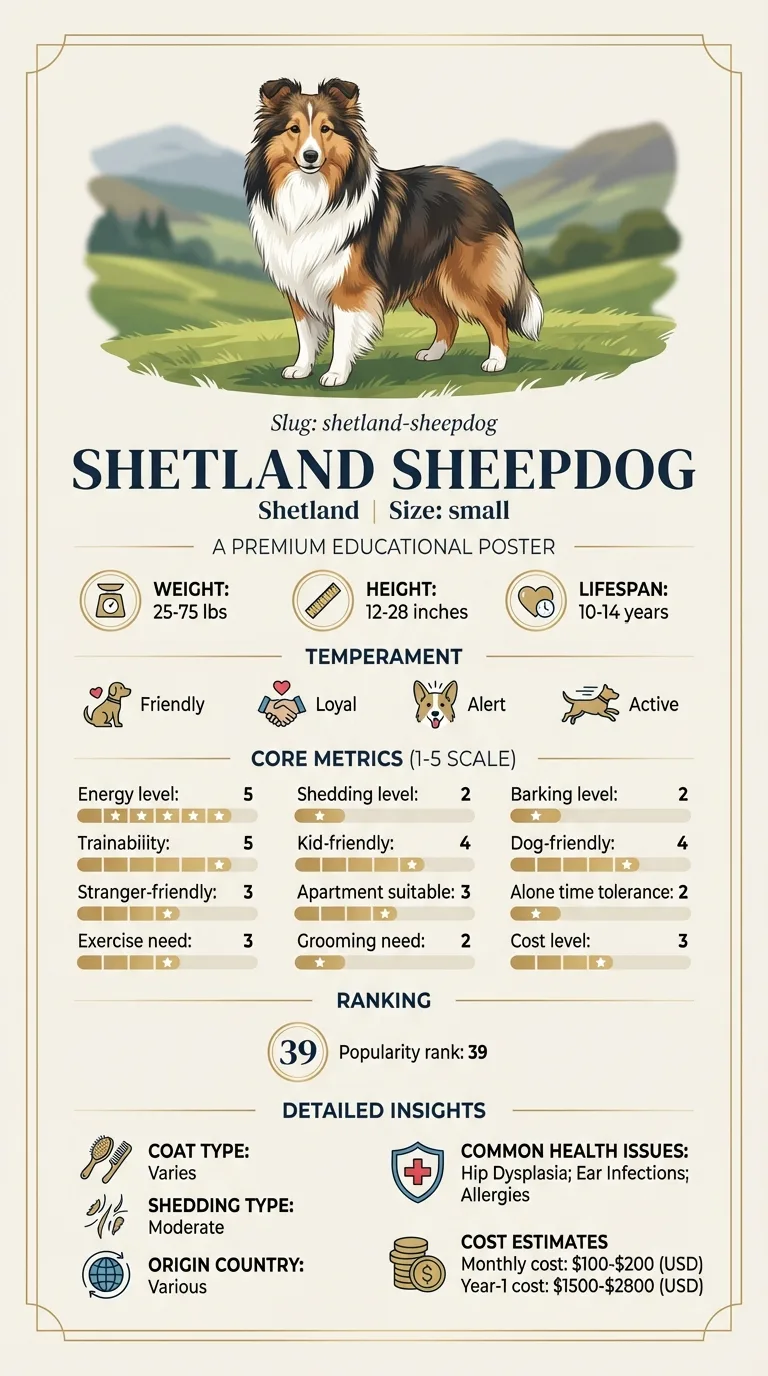
Collie Eye Anomaly, MDR1 Drug Sensitivity, Dermatomyositis, Hypothyroidism and Patellar Luxation are documented in this breed. MDR1 is an inherited sensitivity to a set of drugs used routinely in practice, including certain parasite preventives and anesthetics, that can cause serious harm at an ordinary dose. On an island, where switching clinics is not a simple matter, having that result on file matters more than usual.
Honolulu prices at the top of every category covered here, and the largest single expense for a mainland arrival happens before the dog lands.
Estimate · source: estimation · confidence: medium · updated 2026-09-06 · not a quote
| Item | Cost range |
|---|---|
Hawaii entry requirements for a mainland dog Covers vaccinations, microchip, the required blood test and documentation. The upper end reflects doing it late or incorrectly. | $350 - $1200 |
Local setup (exam, sterilization, gear) Island clinic pricing is the highest in this set; combine visits wherever possible. | $600 - $1000 |
| Item | Cost range |
|---|---|
Food, with island shipping in the price Small-breed volume, but every bag has crossed an ocean, which shows up clearly at the register. | $52 - $86 |
De-shedding on a tropical schedule More frequent than a mainland routine, because dead undercoat left in place is what actually traps heat here. | $45 - $92 |
Each range starts from a national baseline for this breed's size class and is then adjusted for local cost of living and veterinary pricing. The baselines, and the source each one came from, are listed on our sources page (dataset 2026.09). Two inputs, the purchase price and the emergency reserve, have no published national figure we could verify, so we leave them to you rather than invent them.
These are planning estimates, not quotes. Your own numbers will move with the individual dog, your vet and your insurer. Build a budget with your own figures.
Insurance carries more weight in Honolulu than almost anywhere, purely because the local price of any given treatment is so high.
Enrol before arrival if possible, and certainly before any condition is documented. At island treatment prices the premium buys more here than in a cheap market.
Only with a reserve genuinely sized to Hawaii pricing, which is a considerably larger number than mainland owners assume.
Honolulu rewards planning far ahead, because the two biggest costs on this page are both decided months before they are paid.
Plan the timeline backwards from the flight date, because the sequence is unforgiving. The blood test has a waiting period attached to it, the rabies vaccinations have to be correctly spaced and current, the microchip has to be readable and recorded on every document, and the paperwork has to reach the state before the dog does. Any error, and the fallback is quarantine rather than release, which is both expensive and unpleasant for a breed that tolerates being alone poorly.
The cost of doing it properly is mostly veterinary fees and time on the mainland. The cost of doing it badly is quarantine boarding plus a stressed dog. For a Shetland Sheepdog specifically, the second scenario is worse than it would be for a stoic breed, because this is a devoted, sensitive animal rated two out of five for alone-time tolerance, and a confined stay among unfamiliar people and dogs is close to a worst case.
Anyone acquiring a dog already living in Hawaii sidesteps this entirely. That is worth weighing seriously against importing from a mainland breeder, and it is the single biggest number on this page.
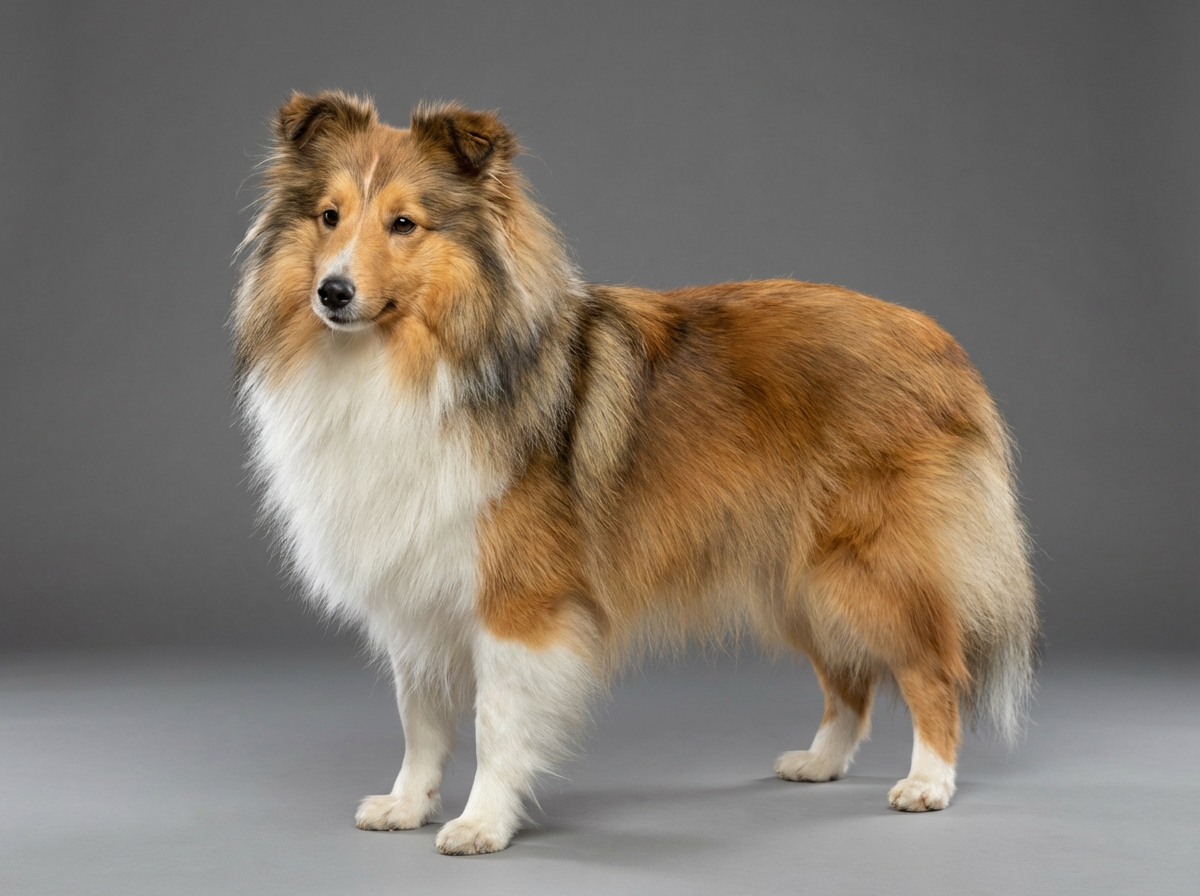
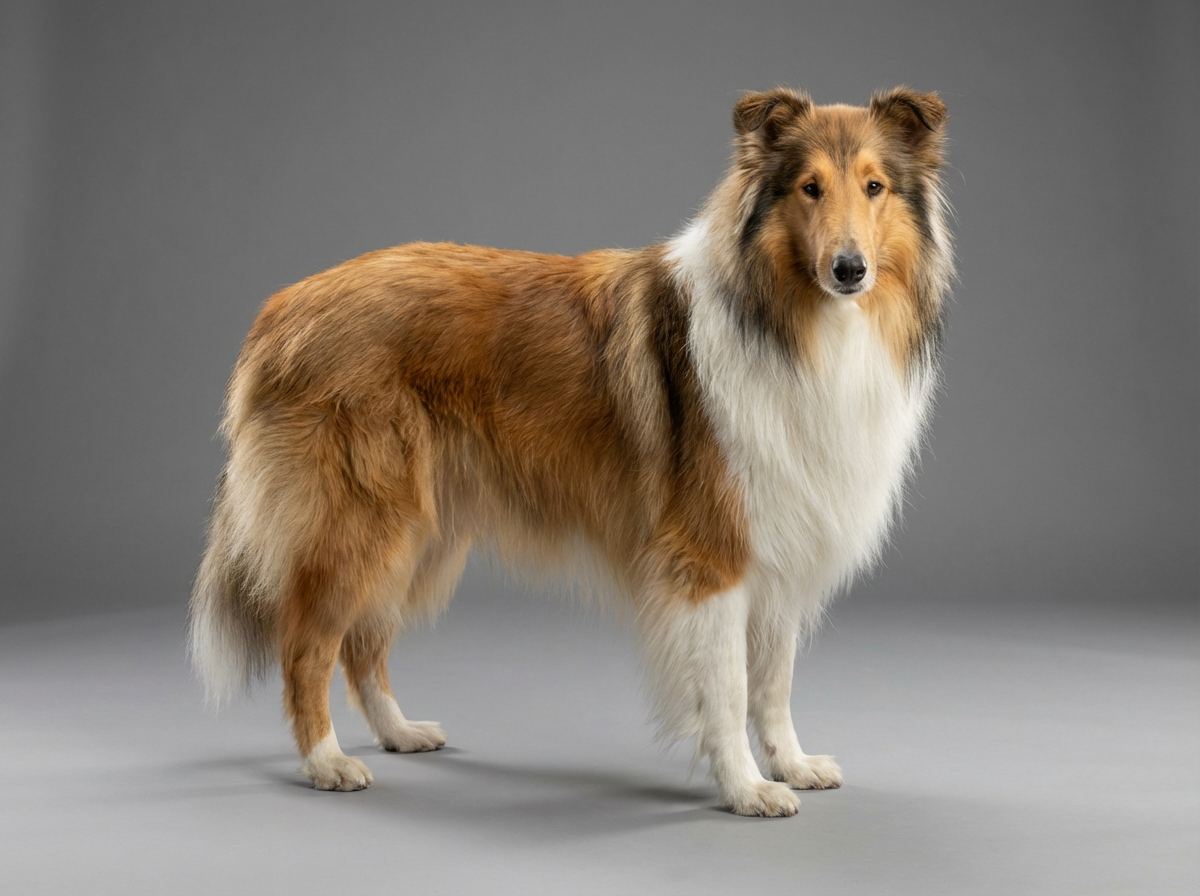
The second Honolulu question is the coat. A long, dense double coat evolved for a cold, wind-exposed Scottish island, and Oahu is neither cold nor wind-exposed in the same way. This does not make the breed unworkable here, but it does make routine non-negotiable.
The correct approach is counterintuitive and worth stating plainly: do not shave it. A double coat insulates against heat as well as cold, and removing it exposes skin directly to tropical sun in a breed with a documented Dermatomyositis risk. What actually helps is aggressive removal of dead undercoat, because it is the trapped, matted underlayer that holds heat rather than the coat as a whole. Regular de-shedding, air movement and shade do the work.
Daily routine follows from that. Exercise happens early and late, and a dog with an exercise need rated four out of five gets its miles at dawn along the Ala Wai or on a shaded valley trail rather than at midday. Twelve months of parasite prevention is the other constant, and product choice should follow a confirmed MDR1 result rather than convenience.

A family relocating from Oregon began their Sheltie's Hawaii paperwork six weeks before the move, assuming that was ample. The required blood test carries a waiting period they had not accounted for, and the dog spent time in quarantine rather than walking out of the airport with them. The bill was real, but what they remembered was the dog itself: a devoted, sensitive animal that does not do confinement among strangers well, and that took a fortnight to settle afterwards.
Key takeaway: For this breed the Hawaii entry timeline is not just an administrative cost, it is the difference between an easy arrival and a stressful one for a dog rated two out of five on being left alone.
$124 to $233, the highest range covered anywhere on this site, driven by Hawaii's shipping-inflated prices and high service costs.
$1,705 to $3,565, before counting any mainland import costs, which sit outside these figures entirely.
A planned sequence of microchipping, correctly spaced rabies vaccinations, a specific blood test with a waiting period, and paperwork filed in advance. It starts months before the flight.
The fallback is a longer quarantine stay at your expense, which for a breed rated two out of five on alone-time tolerance is genuinely hard on the dog as well as the wallet.
No. The double coat regulates temperature in both directions and shields skin from sun. De-shed thoroughly instead, since it is the trapped dead undercoat that holds heat.
About $815, reflecting the highest local service pricing of any city covered here.
$124–$233 monthly and $1,705–$3,565 in year one, the highest on this site, with Hawaii's animal entry requirements adding a substantial planned cost before the dog even arrives.
Yes, with routine. Keep the coat on, remove dead undercoat aggressively, exercise at dawn and dusk, and treat shade and airflow as part of the daily setup rather than optional extras.
This guide is not medical advice. If your dog shows pain, sudden behavior change, or worsening symptoms, consult a licensed veterinarian.
Some links may be affiliate links. We may earn a commission at no extra cost to you. We only suggest products we believe are helpful for dog owners.
We research and check what we publish, but we do not warrant that any figure, date, price, or statement is accurate, complete, or current, and we accept no liability for any loss, cost, injury, or other harm arising from the use of this site. Use it as one reference among several. You remain responsible for your own decisions and for your dog's care - confirm anything that matters with a licensed veterinarian or another qualified professional before you act on it. Full disclaimer.
One sheet with every line item, the emergency fund and when insurance pays off - unlocks on this page.
You get: 12-month budget sheet
No spam. One-click unsubscribe. See our privacy policy.
Preview page 1 before you decide.