Health
What is the first sign of diabetes in a dog?
Increased thirst. Measure water intake with a jug over three days rather than relying on the impression that the bowl empties fast.

Quick answer
What is the first sign of diabetes in a dog?
Increased thirst. Measure water intake with a jug over three days rather than relying on the impression that the bowl empties fast.
Every owner of a diabetic dog can name the moment in hindsight: the bowl that needed refilling twice a day, the puddle by the back door, the dog asking to go out at three in the morning. Almost nobody recognises it at the time.
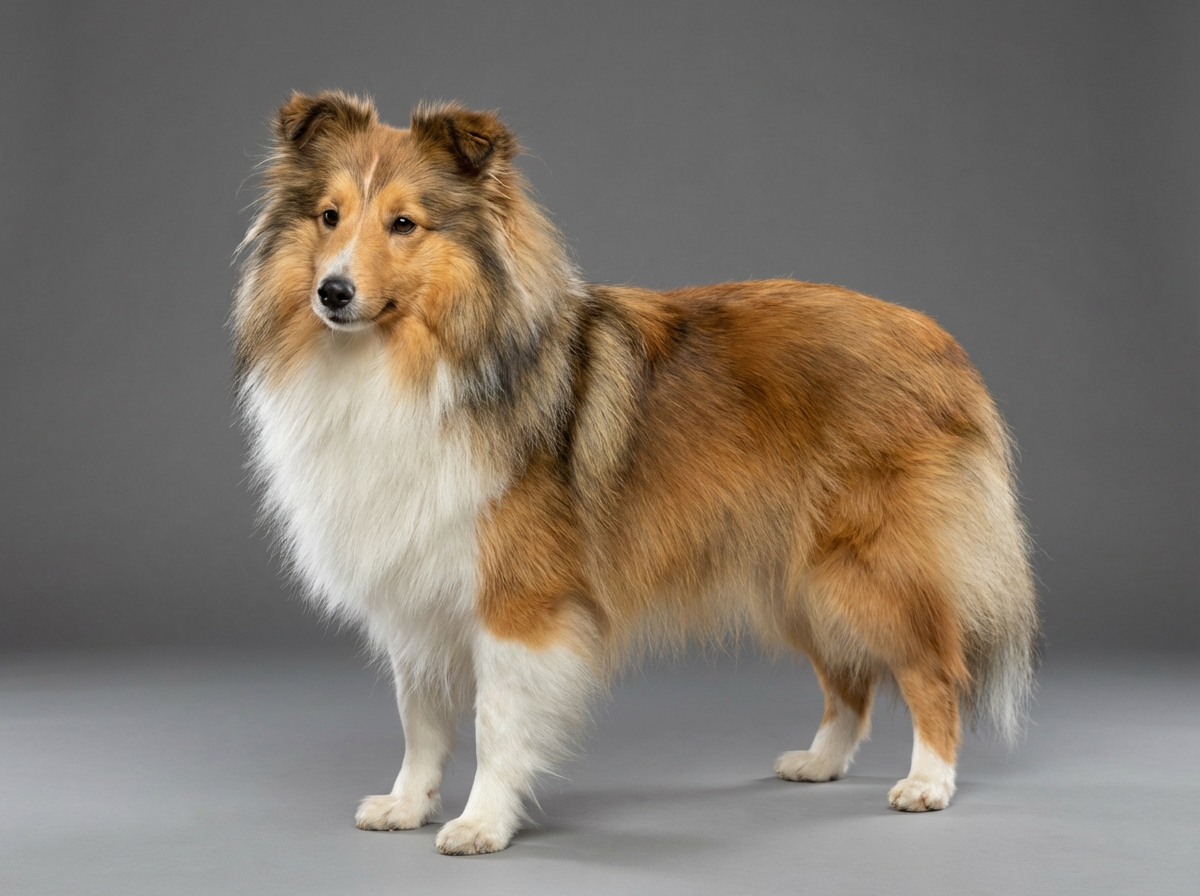
Owners who have noticed the water bowl emptying faster and are not sure whether it means anything. People facing a new diagnosis and the prospect of twice-daily injections. Anyone whose older Sheltie has clouded over in the eyes within a few weeks.
This guide is not medical advice. If your dog shows pain, sudden behavior change, or worsening symptoms, consult a licensed veterinarian.
Some links may be affiliate links. We may earn a commission at no extra cost to you. We only suggest products we believe are helpful for dog owners.
We research and check what we publish, but we do not warrant that any figure, date, price, or statement is accurate, complete, or current, and we accept no liability for any loss, cost, injury, or other harm arising from the use of this site. Use it as one reference among several. You remain responsible for your own decisions and for your dog's care - confirm anything that matters with a licensed veterinarian or another qualified professional before you act on it. Full disclaimer.
Diabetes mellitus is the failure of the body to regulate blood glucose because the pancreas no longer produces enough insulin. Glucose accumulates in the blood while the cells that need it go without, producing the characteristic combination of heavy drinking, large volumes of urine, a big appetite and steady weight loss. It is treatable and dogs live well with it, but treatment is lifelong, requires injections twice daily, and demands a level of routine that owners should understand before committing.
Diabetes affects roughly one in several hundred dogs across the population, with onset typically between seven and ten years. It is not documented as a Shetland Sheepdog predisposition, and the breed's five recorded conditions concern the eyes, drug metabolism, skin and muscle, thyroid function and the kneecap. The thyroid entry is the relevant adjacency, since immune-mediated endocrine diseases sometimes cluster in the same individual.
The Shetland Sheepdog has no documented diabetes predisposition. What is documented is hypothyroidism, and in dogs that is frequently immune-mediated, which puts the breed in the broader category of dogs whose immune systems can turn on endocrine tissue. Dermatomyositis, also documented here, is likewise immune-mediated. That does not mean a Sheltie will get diabetes, but it does justify a thorough endocrine assessment rather than a single test when signs appear. Longevity of 12 to 14 years also means most Shelties reach the typical age of onset.
Body condition is the environmental factor with the clearest influence, since excess fat reduces insulin sensitivity and makes control harder once diabetes exists. Diet plays a role through pancreatitis: repeated high-fat meals and scavenged fatty scraps can inflame the pancreas, and repeated pancreatic damage is a recognised route into diabetes. Long-term steroid treatment, sometimes given for skin or immune conditions, raises insulin resistance and occasionally unmasks the disease. Household routine matters enormously after diagnosis, since inconsistent feeding and exercise make stable control almost impossible.
Go to an emergency hospital immediately for weakness, trembling, disorientation, seizures or collapse in a dog receiving insulin, since low blood sugar is life threatening and needs treatment within minutes rather than hours. Also go urgently for a diabetic dog who is vomiting repeatedly, is not eating, or has become lethargic and is breathing oddly, which can indicate a serious metabolic crisis. Book a prompt appointment for the classic combination of increased thirst, increased urination, weight loss and a large appetite, ideally with measured water intake figures, and for any adult dog whose eyes have clouded over within weeks. Never adjust an insulin dose yourself without veterinary instruction.
See all Shetland Sheepdog health problems, which breeds are prone to diabetes, or the full Shetland Sheepdog breed guide for temperament, exercise needs and ownership costs.
Stabilising a newly diagnosed dog usually takes four to twelve weeks of dose adjustment and repeat glucose curves. Thirst and urination often improve within days of starting insulin. Cataracts, where they develop, typically appear within the first year. Monitoring continues for life with reassessment every three to six months.
A dog with stable weight, normal thirst, good energy and no episodes of low blood sugar, living a full life on twice-daily injections. Perfect glucose numbers are not the goal and are rarely achievable. A comfortable, stable dog with a predictable routine is.
Diabetes announces itself through a consistent quartet. Each one is measurable at home, which is unusual and useful.
A newly diagnosed owner usually fears the injections most, and they are almost always the easiest part. The needles are very fine, the volume is tiny, and most dogs stop reacting within a fortnight because it is paired with a meal. What takes more adjustment is the rigidity: insulin twice a day at consistent times, meals at consistent times, and consistent quantities of the same food.
Exercise needs consistency too, which is a real consideration in a breed rated four out of five for exercise need. A long unplanned hike drops blood glucose in a way a normal day does not. The aim is a similar amount of activity at a similar time each day rather than nothing during the week and a great deal at weekends. Where extra exercise happens, your vet will advise how to handle it.
The emergency to understand from day one is low blood sugar. Too much insulin relative to food or activity produces weakness, disorientation, trembling, stumbling and eventually seizures or collapse. This is a genuine emergency. Ask your vet at the first appointment exactly what to do, what to keep in the house for it, and when to phone, so that the plan exists before the night it is needed.
One breed connection matters here. Hypothyroidism is documented in the Shetland Sheepdog, and both diabetes and immune-mediated thyroid disease arise from the immune system attacking the dog's own tissue. A Sheltie with one endocrine condition is worth monitoring for the other, and untreated thyroid disease also makes diabetic control harder to achieve. Expect a full endocrine picture rather than a single test.

If you think your Shetland has diabetes, the plan is three steps: write down what you have seen and when it started, book a veterinary appointment rather than waiting for the next flare, and take video of the behaviour or symptom before you go — the thing you are worried about rarely happens in the consulting room. Screening in the parents covers collie eye anomaly, mdr1 drug sensitivity, dermatomyositis.
What the vet visit should produce is a diagnosis and a written plan, not just reassurance: what is being ruled out, what the monitoring interval is, and which signs mean you come back sooner. Ask what the treatment costs across a year rather than per visit, because that is the number that decides whether you are managing this condition or reacting to it.
Between appointments, keep a short log — dates, what you saw, what changed. It is the single most useful thing an owner brings to a follow-up, and for diabetes it is often what separates a clear pattern from a guess.
Islay was nine when her owner Gareth started to think she was drinking more, though he could not have said how much more. Rather than guessing, he did something his vet had once suggested: he filled her bowl from a measuring jug and wrote down the amount, three days running. The figures were roughly double what her body weight warranted. He took the notebook to the appointment. Bloodwork confirmed diabetes, and a thyroid panel run at the same time was normal, which mattered because hypothyroidism is documented in the breed and would have complicated control. Islay was stabilised over about nine weeks. Gareth's view is that the measuring jug turned a vague worry into a specific number, and that the number is what got her seen weeks earlier than she otherwise would have been.
Key takeaway: Do not estimate thirst. Measure it for three days with a jug, and take the figures to the appointment.
It is not among the five conditions documented for the breed. Diabetes occurs across many breeds, with some carrying clearly elevated risk. In a Sheltie it is an individual diagnosis rather than a breed expectation, though the documented tendency to thyroid disease makes endocrine monitoring worthwhile.
In the common canine form, no. The insulin-producing cells are gone and do not regenerate, so treatment is lifelong. Remission does occur in some female dogs whose diabetes was triggered by hormonal changes and who are then spayed, which is one reason spaying is usually recommended at diagnosis.
A large proportion of diabetic dogs develop cataracts, often within the first year, because glucose draws water into the lens. Good glucose control reduces the risk but does not eliminate it. Cataract surgery is frequently successful in dogs whose diabetes is well controlled.
Through a combination of how your dog is doing at home, periodic blood glucose curves, and a blood test reflecting average glucose over recent weeks. Home glucose monitoring is possible for many owners and reduces the stress of repeated clinic visits.
Consistency matters more than any specific formulation. Your vet will usually recommend a diet with a steady carbohydrate profile fed in equal meals timed with the insulin. What is not negotiable is feeding the same thing, in the same amount, at the same times.
Insulin itself is unaffected. The genotype remains worth knowing, because a diabetic dog is more likely than average to need cataract surgery or other procedures requiring anesthesia, and this breed carries a documented drug sensitivity.
Increased thirst. Measure water intake with a jug over three days rather than relying on the impression that the bowl empties fast.
Because without insulin the cells cannot take up glucose, so the body breaks down fat and muscle for fuel despite plenty of food.
Low blood sugar: weakness, trembling, disorientation or collapse. Ask your vet for a written plan at the first appointment.
A lot. Same food, same quantity, same times, similar daily exercise. Consistency is the main tool you control.
Insulin, syringes, prescription food and monitoring typically double or triple the breed's usual eighty to a hundred and fifty dollar monthly running cost.
A one-page prep sheet for this condition: the signs, the questions to ask, what to get priced. Unlocks here.
You get: Vet visit prep sheet
No spam. One-click unsubscribe. See our privacy policy.
Preview page 1 before you decide.