Ear Infections in Papillons: A Breed That Should Have the Advantage
Quick answer
What is the first sign of an ear infection?
Head shaking, scratching at the ear, or a dog that tilts its head to one side. Smell and discharge follow. Redness at the entrance to the canal is often visible before any of it in an erect-eared breed.
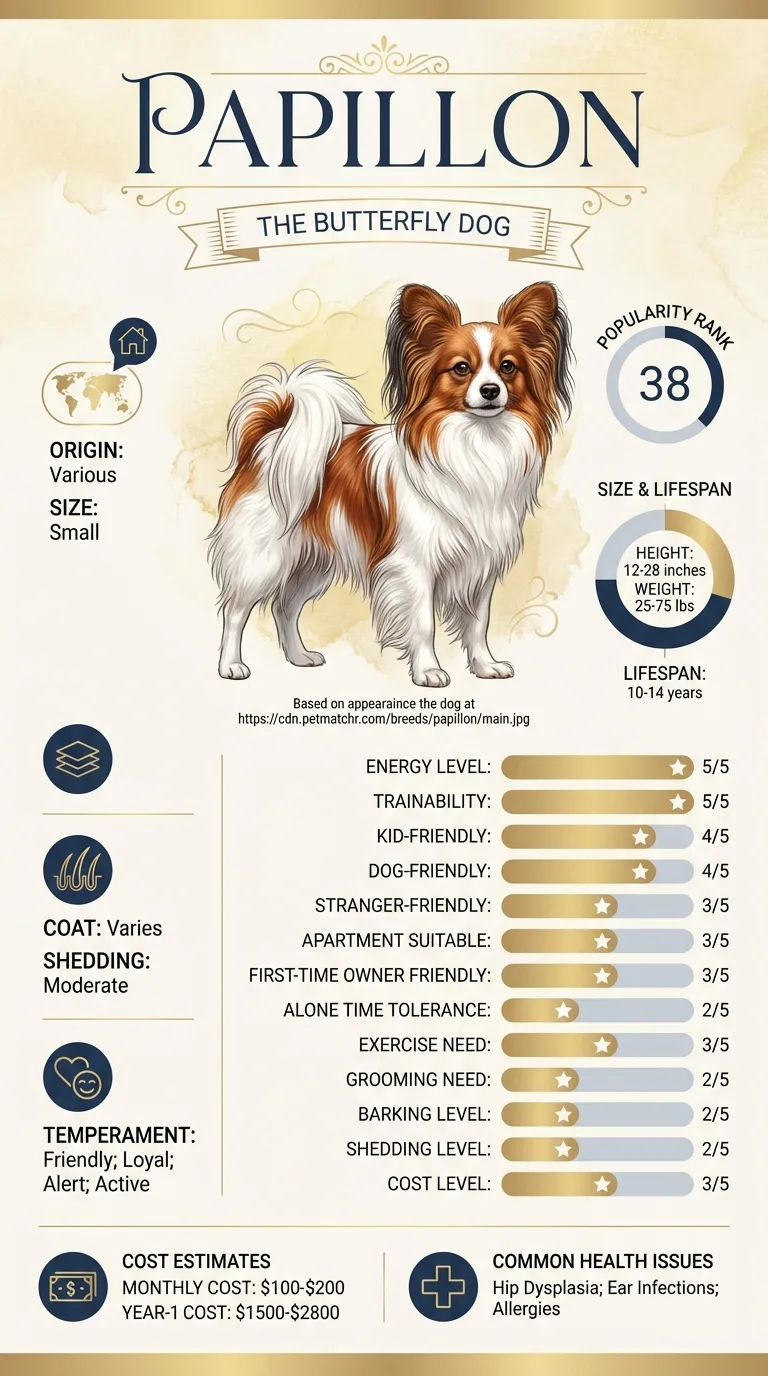
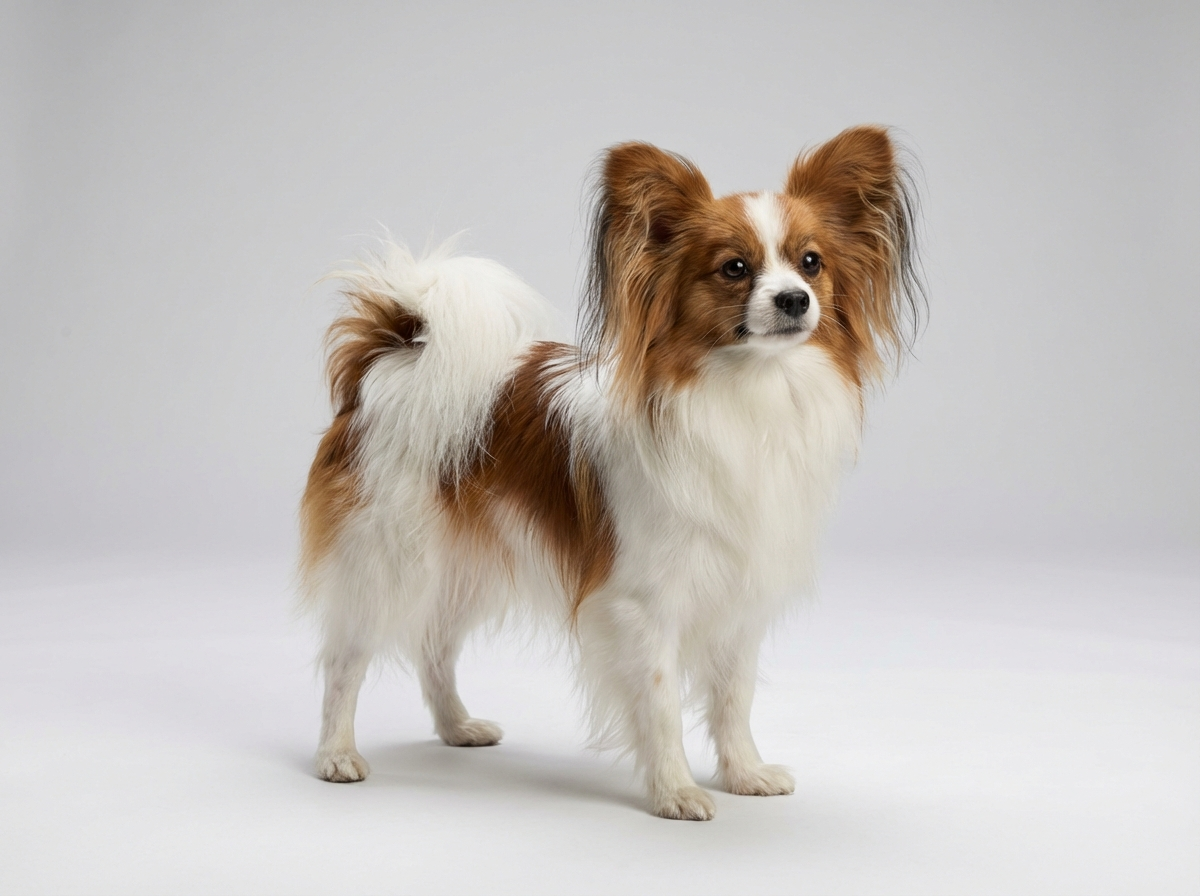
The Papillon is named for ears held open like butterfly wings. A breed with that ventilation getting repeated infections is telling you something.
Owners dealing with a second or third course of ear drops in a year, owners of a phalene whose dropped ears need different care, and anyone whose Papillon has started shaking its head after walks in long grass.
Important reminder
This guide is not medical advice. If your dog shows pain, sudden behavior change, or worsening symptoms, consult a licensed veterinarian.
Some links may be affiliate links. We may earn a commission at no extra cost to you. We only suggest products we believe are helpful for dog owners.
We research and check what we publish, but we do not warrant that any figure, date, price, or statement is accurate, complete, or current, and we accept no liability for any loss, cost, injury, or other harm arising from the use of this site. Use it as one reference among several. You remain responsible for your own decisions and for your dog's care - confirm anything that matters with a licensed veterinarian or another qualified professional before you act on it. Full disclaimer.
What this problem looks like
An ear infection is an overgrowth of yeast or bacteria in the ear canal, producing discharge, smell, redness and pain. In most cases it is a secondary event, sitting on top of an underlying reason the canal stopped defending itself. In a Papillon, whose upright fringed ears ventilate unusually well, a recurring infection is a stronger pointer to an underlying cause than it would be in a drop-eared breed.
Common triggers
Underlying allergic skin disease, which is the leading cause of recurrence in all breeds
Grass awns and plant debris falling into an open, fringed ear canal
Water trapped after baths or swimming, particularly in the dropped phalene ear
Ear mites, most often in puppies or dogs from multi-animal households
Over-cleaning with unsuitable products, which strips and irritates the canal lining
Ear disease is among the most frequent reasons dogs are seen by vets, but it is not a Papillon signature and does not appear on the breed's documented health list. The papillon variety's erect ears offer real protection. Phalenes and any individual with underlying allergy sit at more ordinary risk.
Why this happens
Breed factors
The breed's defining feature works in its favour. Large, obliquely set ears carried erect keep the canal opening exposed to air, so humidity falls quickly and the warm, damp environment that yeast and bacteria need does not establish. The counterbalance is the heavy fringe on the ear leather, which collects seeds, dust and debris and can carry them to the canal opening. The phalene variety, carrying the same ear dropped, loses part of the ventilation benefit and warrants closer attention after water.
Environment factors
Long dry grass in late summer is the single biggest environmental hazard, because a ripe grass awn is shaped to travel in one direction only and an open ear canal at eight to eleven inches off the ground is directly in its path. Water is the other main driver: baths, swimming and rain leave moisture in the canal that needs to evaporate. Humid climates, dusty homes and cigarette smoke all increase the background level of canal irritation.
What you can do at home (once it is not an emergency)
When to talk to your vet
Seek same-day attention for sudden violent head shaking, a head tilt, obvious pain when the ear is touched, or a dog that is walking in circles or has visible loss of balance, since those suggest a foreign body or involvement of the deeper ear. Blood or a foul discharge from one ear also needs seeing quickly. Book a routine appointment for redness, smell, discharge, or repeated scratching. If this is the second or third episode within a year, say so explicitly and ask what the underlying cause is being investigated as, rather than accepting another course of drops.
At home, alongside your vet's plan
Look inside both ears once a week in good light, before there is any smell, so you know what your dog's normal canal looks like.
Comb and trim the ear fringe so it does not trail across or into the canal opening, particularly in summer.
Check the ears and the feet after every walk in long dry grass between June and September, since that is when awns detach.
Dry the ears after baths and swims by holding a soft cloth at the canal opening rather than pushing anything in.
Keep a dated note of every ear episode, which is what turns three separate consultations into a recognised pattern.
A straightforward infection treated with the right medication improves within three to five days and resolves in one to two weeks, with a recheck to confirm the canal is genuinely clear rather than just less smelly. A foreign body is resolved the day it is removed. If an underlying allergy is driving recurrence, expect several months of investigation and a management plan rather than a single fix.
Canals that are pale pink, dry and odourless on a weekly look, and a dog that goes years between episodes rather than months. Where allergy is the driver, success may still include occasional flares, but they should be predictable, mild and quickly resolved rather than a rolling cycle of drops that never quite finishes.
What the erect ear does and does not protect against
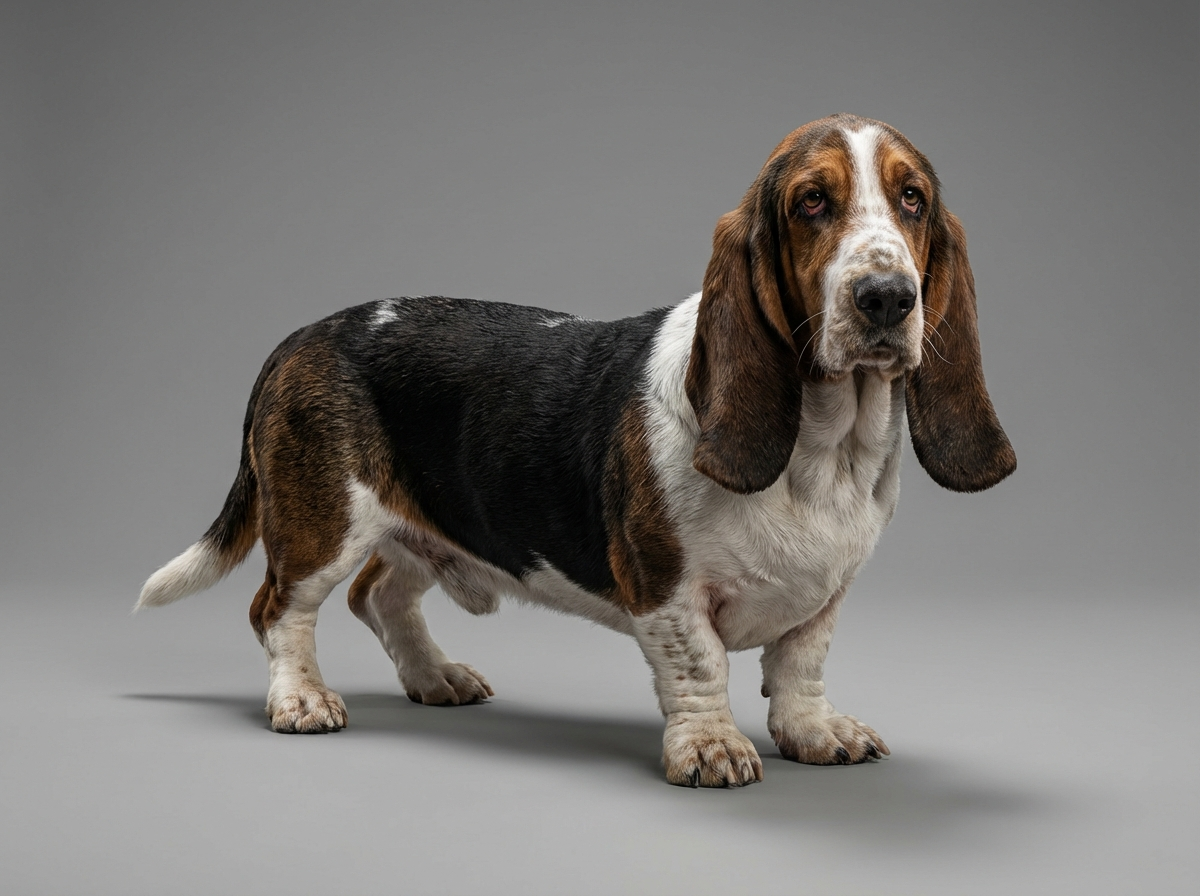
In a drop-eared spaniel the ear leather lies over the canal opening like a lid, trapping warmth and humidity and creating the conditions yeast and bacteria prefer. The Papillon variety carries its large ears erect, so the canal opening sits in the air and dries quickly after a bath or a swim.
That is a genuine structural advantage, and ear disease is absent from the breed's documented health list, which runs to patellar luxation, progressive retinal atrophy, dental disease, an open fontanel and a collapsing trachea.
What the upright ear does not protect against is what falls into an open canal. A vertical opening surrounded by long feathering is an efficient collector of grass seeds, dust and plant debris, and a grass awn that works its way down towards the eardrum causes sudden, severe, one-sided pain.
The phalene variety carries the same large fringed ear dropped, and those dogs lose part of the ventilation advantage. Phalene owners should dry the ears properly after baths and keep the fringe trimmed clear of the opening.
Ear Infections in Papillons - What the erect ear does and does not protect against
Recurrence is the signal, not the problem
A single ear infection after a swim or a dusty walk is bad luck. Two or three in a year in a well-ventilated ear is a pattern, and patterns have causes.
The most common underlying driver across all dogs is allergy. Atopic skin disease often shows itself in the ears before anywhere else, because the lining of the ear canal is skin and behaves like skin. A dog treated repeatedly for the infection while the allergy is never addressed will keep coming back.
Other underlying causes worth naming: a foreign body such as a grass awn, ear mites in a young dog or one from a multi-dog household, a polyp or mass narrowing the canal, and endocrine disease such as hypothyroidism altering the skin's defences.
The useful question to ask at the second consultation is not what drops to use but why this keeps happening. That question usually leads to swabs and microscopy, sometimes to sedated examination of the deep canal, and occasionally to an allergy workup. It is a longer conversation and it is the one that stops the cycle.
Three infections, one right ear
Josefa's Papillon, Taro, had three ear infections in eight months, all in the right ear. Each time drops cleared it and each time it came back. At the third visit she asked why it was always the same side.
Her vet stopped prescribing and booked a sedated examination instead. With Taro asleep and the canal flushed and viewed properly, a grass awn was found lodged deep against the ear drum, where it had almost certainly been since the previous summer.
It was removed intact. The canal was flushed, a short course of medication followed, and Taro has not had an ear problem in the four years since.
Josefa now checks both ears and all four feet after every summer walk, and she notes any ear episode with a date in her phone.
Key takeaway: One-sided recurrence is a physical clue, not a run of bad luck. Repeated drops for the same ear should prompt a proper look down it rather than a fourth prescription.
Frequently asked questions
Are Papillons prone to ear infections?
Not particularly. Erect, well-ventilated ears are a structural advantage and ear disease is not on the breed's documented health list. Phalenes with dropped ears sit somewhat closer to the average, and any individual dog with an underlying allergy can develop recurrent problems.
How do I clean my dog's ears properly?
Fill the canal with a veterinary ear cleaner, massage the base of the ear for twenty to thirty seconds until you hear it squelch, then let the dog shake and wipe the visible parts with cotton wool. Never push a cotton bud down the canal.
How often should ears be cleaned?
A healthy Papillon ear usually needs nothing beyond a look and a wipe of the visible surfaces. Over-cleaning irritates the canal lining and can cause the problem it is meant to prevent. Routine cleaning is for dogs with a known reason for it.
What does a grass seed in the ear look like?
Sudden, dramatic, one-sided distress: violent head shaking, tilting towards that side, pawing at the ear, and a dog that will not let you touch it. It usually appears within hours of a walk. It needs same-day attention and often sedation to remove.
Can I use leftover drops from last time?
No. Different infections need different medication, and using the wrong drops selects for resistant organisms. Worse, some ear medications are dangerous if the eardrum is ruptured, which is why a vet examines the drum before prescribing.
Why does my dog keep getting infections in the same ear?
One-sided recurrence points strongly at a local cause: a foreign body, a narrowed canal, a polyp or a mass. Allergic disease usually affects both ears. Persistently unilateral disease deserves a proper look down the canal under sedation.
Head shaking, scratching at the ear, or a dog that tilts its head to one side. Smell and discharge follow. Redness at the entrance to the canal is often visible before any of it in an erect-eared breed.
Health
Why do my Papillon's ear infections keep coming back?
Recurrence in a well-ventilated ear means an underlying cause, most often allergy, sometimes a foreign body or a hormonal condition. Treating the infection without finding the driver guarantees the next round.
Costs
What does treating an ear infection cost?
A consultation with cytology and drops usually runs one to two hundred dollars. Sedated examination and flushing, or an allergy workup for recurrent cases, runs into several hundred or more.
Living
How should I care for a phalene's dropped ears?
Dry the canal opening thoroughly after every bath and swim, keep the fringe trimmed back from the entrance, and lift the ear to look inside once a week rather than waiting for a smell.
Training
Can I train my dog to accept ear treatment?
Yes, and it makes a two-week course of drops manageable. Reward a lifted ear, then a hand at the base, then the bottle. Papillons learn this quickly and many stop objecting entirely within days.
Related DogBreedCompass guides
allergies in Papillons – Underlying allergy is the most common driver of recurrent ear disease.
skin infections in Papillons – Skin infection elsewhere on the body often accompanies ear disease.
hypothyroidism in Papillons – Endocrine disease alters skin defences and drives recurrence.