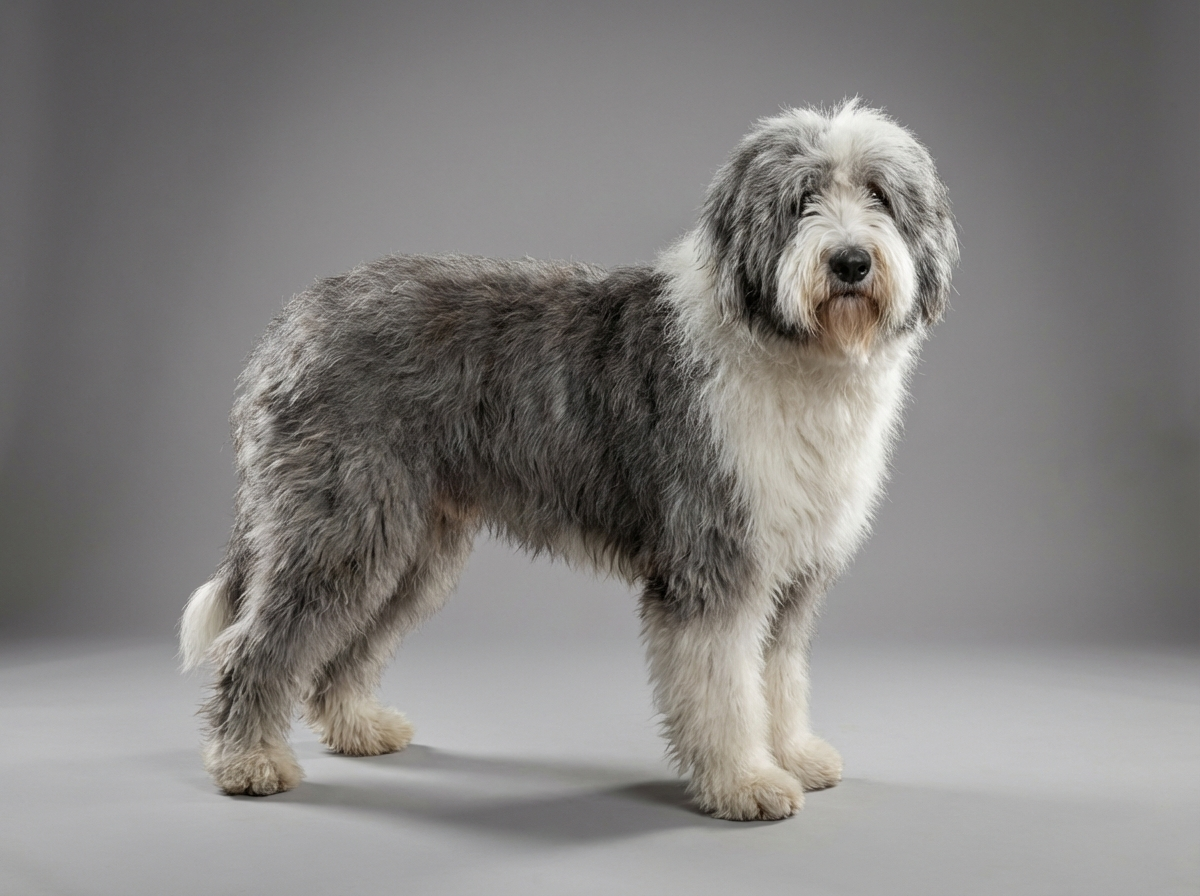
Health
Is sudden disc rupture typical for this breed?
No, it's the less common pattern here; this breed's build tends toward gradual disc bulging rather than sudden rupture.

Quick answer
Is sudden disc rupture typical for this breed?
No, it's the less common pattern here; this breed's build tends toward gradual disc bulging rather than sudden rupture.
The same disc disease that causes a slow wobble in one dog can, far less often in this breed, cause sudden collapse in another.
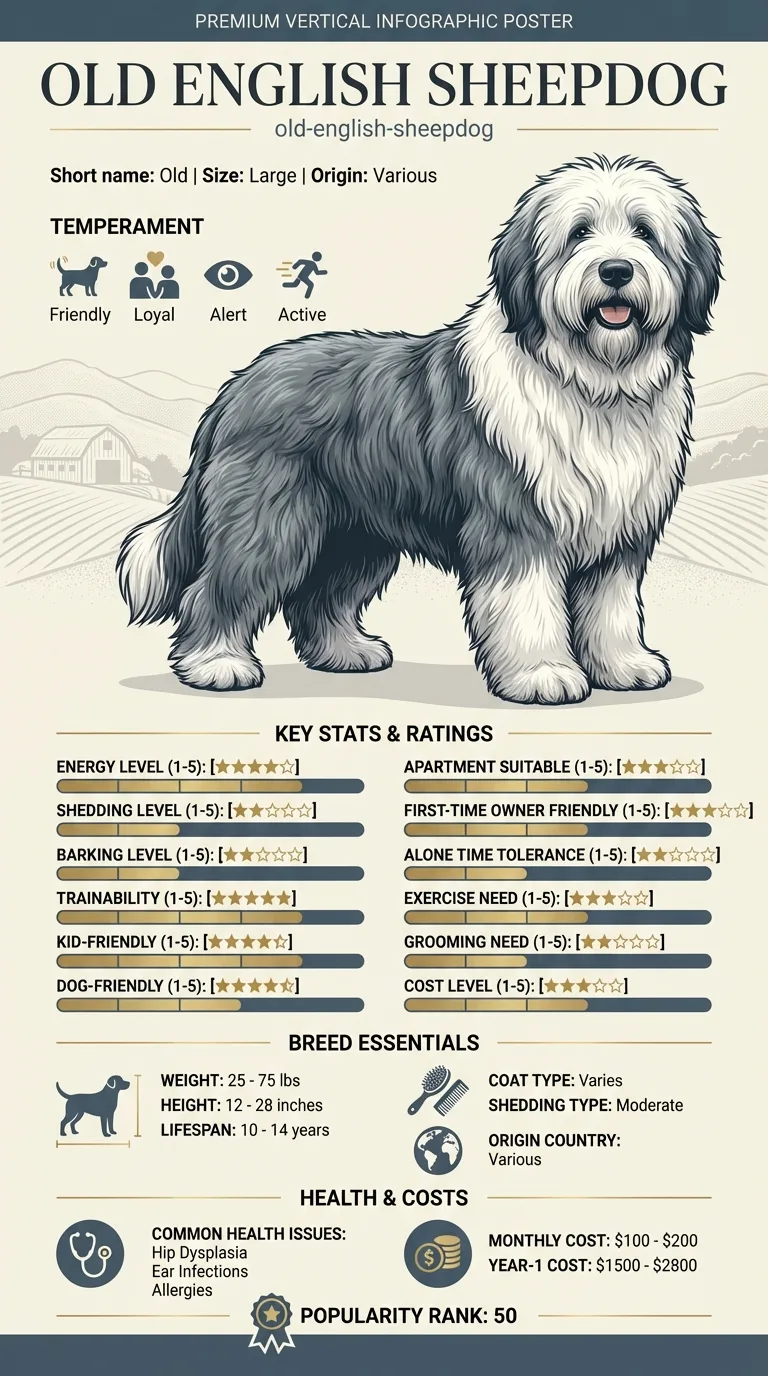
Owners of any dog, regardless of typical breed pattern, who witness a sudden yelp, collapse, or refusal to move, since acute disc rupture requires immediate recognition rather than a wait-and-see approach.
This guide is not medical advice. If your dog shows pain, sudden behavior change, or worsening symptoms, consult a licensed veterinarian.
Some links may be affiliate links. We may earn a commission at no extra cost to you. We only suggest products we believe are helpful for dog owners.
Check this first
These signs, however rare in this particular breed, mean a possible acute disc rupture and require same-day emergency veterinary attention.
If any of these apply, call your vet or an emergency clinic now. The rest of this page is for the cases that are not an emergency.
Type I intervertebral disc disease is a sudden, acute disc rupture, classically associated with short-legged, long-backed breeds whose discs calcify early. It's genuinely atypical for this breed's normally proportioned build, where gradual disc bulging is far more common, but trauma or unusually advanced degeneration can still trigger an acute rupture, and when it happens it's a true emergency.
This is a genuinely uncommon pattern for this breed specifically, since its normally proportioned build lacks the early disc calcification that drives Type I ruptures in chondrodystrophic breeds. It isn't part of this breed's documented health profile, but any dog can experience it under the right circumstances, so recognizing the emergency signs still matters.
This breed's normally proportioned, non-chondrodystrophic build means its discs don't undergo the early calcification that makes sudden rupture common in short-legged breeds, which is why Type I specifically is not a pattern documented as typical here, unlike the gradual bulging this breed's build is more prone to.
When an acute rupture does happen in this breed, it's more often tied to a specific traumatic event, a bad fall, an awkward jump, or forceful play, rather than the routine, expected disc calcification process seen in chondrodystrophic breeds.
Treat any sudden yelp followed by reluctance to move, back-leg weakness or paralysis, or loss of bladder or bowel control as an emergency requiring immediate veterinary care. Keep your dog as still as possible during transport to avoid worsening spinal cord compression.
See all OLD English Sheepdog health problems, which breeds are prone to intervertebral disc disease ivdd type i, or the full OLD English Sheepdog breed guide for temperament, exercise needs and ownership costs.
An acute rupture requires same-day emergency evaluation, and treatment decisions, whether medical management or surgery, are typically made within twenty-four to forty-eight hours. Recovery, if surgery is needed, generally involves weeks of restricted activity and rehabilitation.
Success looks like prompt recognition and same-day treatment, since outcomes are strongly tied to how quickly care begins after symptoms appear, rather than a guarantee of full recovery regardless of timing.
Type I disc disease is driven by a specific kind of early disc degeneration, chondroid metaplasia, where the disc's soft inner material calcifies and loses flexibility years before it would in a normally aging spine. This process is strongly associated with chondrodystrophic body types, the short-legged, long-backed build seen in breeds like Dachshunds and Corgis, not with a normally proportioned large breed like this one. When this breed's discs do fail, they far more commonly follow the slower Type II bulging pattern covered on this breed's general IVDD page. A true Type I rupture here is more likely to be associated with significant trauma, an unusually hard landing from a jump, or a disc that had already degenerated further than typical for the dog's build, rather than a routine, expected age-related process.
If you think your Old has intervertebral disc disease (ivdd) type i, the plan is three steps: write down what you have seen and when it started, book a veterinary appointment rather than waiting for the next flare, and take video of the behaviour or symptom before you go — the thing you are worried about rarely happens in the consulting room. Screening in the parents covers hip dysplasia, cataracts, hypothyroidism.
What the vet visit should produce is a diagnosis and a written plan, not just reassurance: what is being ruled out, what the monitoring interval is, and which signs mean you come back sooner. Ask what the treatment costs across a year rather than per visit, because that is the number that decides whether you are managing this condition or reacting to it.
Between appointments, keep a short log — dates, what you saw, what changed. It is the single most useful thing an owner brings to a follow-up, and for intervertebral disc disease (ivdd) type i it is often what separates a clear pattern from a guess.
Nell, a six-year-old Old English Sheepdog in Tulsa, yelped sharply after leaping off a raised deck to chase a squirrel and then refused to move from the spot where she landed. Her owner Andre carried her carefully to the car and drove straight to an emergency clinic rather than waiting to see if she'd walk it off. A neurological exam found significant weakness in her back legs, and an MRI confirmed an acute disc rupture, an atypical finding for her breed that her vet attributed to the force of the awkward landing. Nell underwent surgical decompression within hours and spent the following eight weeks in strict, supervised rest and rehabilitation, regaining nearly normal mobility by the end of it.
Key takeaway: A pattern this breed rarely gets still happened to Nell, and treating the sudden yelp and refusal to move as an emergency immediately, rather than waiting to see if she'd walk it off, was what gave her the best chance at recovery.
No, it's genuinely less typical here than in short-legged, long-backed breeds where early disc calcification makes sudden rupture much more likely. When this breed develops disc disease, it more often follows a slower, gradual pattern instead.
Yes, a hard fall, an awkward landing from a jump, or forceful twisting can trigger an acute rupture even in a breed whose discs aren't predisposed to early calcification, though it's still an uncommon event overall.
Treat it as an emergency and get to a vet or emergency clinic immediately. Keep your dog as still as possible during transport, since further movement can worsen spinal cord compression.
A neurological exam assesses the severity, and MRI is the imaging standard to confirm and locate the rupture. Treatment ranges from strict cage rest and medication for mild cases to emergency surgical decompression for dogs with significant weakness or paralysis.
Many dogs recover well, especially with prompt treatment, though the odds of full recovery drop the longer significant weakness or paralysis has been present before treatment starts, which is why speed matters enormously.
Not always for mild cases with pain but no significant weakness, but for dogs with notable weakness or paralysis, surgical decompression generally offers meaningfully better recovery odds than rest and medication alone.
The gradual pattern develops over months and causes slowly worsening weakness; Type I is sudden, appearing within hours, and is a genuine emergency requiring immediate action rather than time to monitor.
No, it's the less common pattern here; this breed's build tends toward gradual disc bulging rather than sudden rupture.
Significant trauma, an awkward jump landing, or unusually advanced disc degeneration are the more likely triggers rather than routine aging.
Yes, always. It requires immediate veterinary evaluation, not a wait-and-see approach, given how quickly spinal cord damage can become permanent.
Emergency MRI and surgical decompression for an acute disc rupture can run into several thousand dollars depending on severity and location.
Many dogs regain significant function with prompt treatment, though outcomes depend heavily on how quickly surgery or treatment begins after symptoms appear.
A one-page prep sheet for this condition: the signs, the questions to ask, what to get priced. Unlocks here.
You get: Vet visit prep sheet
No spam. One-click unsubscribe. See our privacy policy.
Preview page 1 before you decide.