Health
Is epilepsy documented in this breed?
No, but seizures can occur in any dog, and this breed is not specifically protected from that possibility.

Quick answer
Is epilepsy documented in this breed?
No, but seizures can occur in any dog, and this breed is not specifically protected from that possibility.
A seizure is one of the more frightening things an owner can witness, and knowing what's actually happening, and what isn't an emergency response, makes a real difference in the moment.

This is relevant to any owner, since a first seizure is always unexpected. It's especially disorienting for owners who assumed, based on breed information, that this wasn't something to prepare for at all.
This guide is not medical advice. If your dog shows pain, sudden behavior change, or worsening symptoms, consult a licensed veterinarian.
Some links may be affiliate links. We may earn a commission at no extra cost to you. We only suggest products we believe are helpful for dog owners.
Check this first
A seizure lasting longer than five minutes, multiple seizures occurring in succession without full recovery in between (cluster seizures), or a first-time seizure in a dog with no prior history are all emergencies requiring immediate veterinary care. Prolonged or repeated seizures can cause dangerous overheating and other complications the longer they continue.
A brief, isolated seizure, generally under two minutes, followed by a normal recovery period (which itself can look disoriented for a while, and that's expected) still warrants a same-day or next-day vet call to discuss what happened and determine next steps, even if it doesn't require an emergency room visit in that specific moment.
If any of these apply, call your vet or an emergency clinic now. The rest of this page is for the cases that are not an emergency.
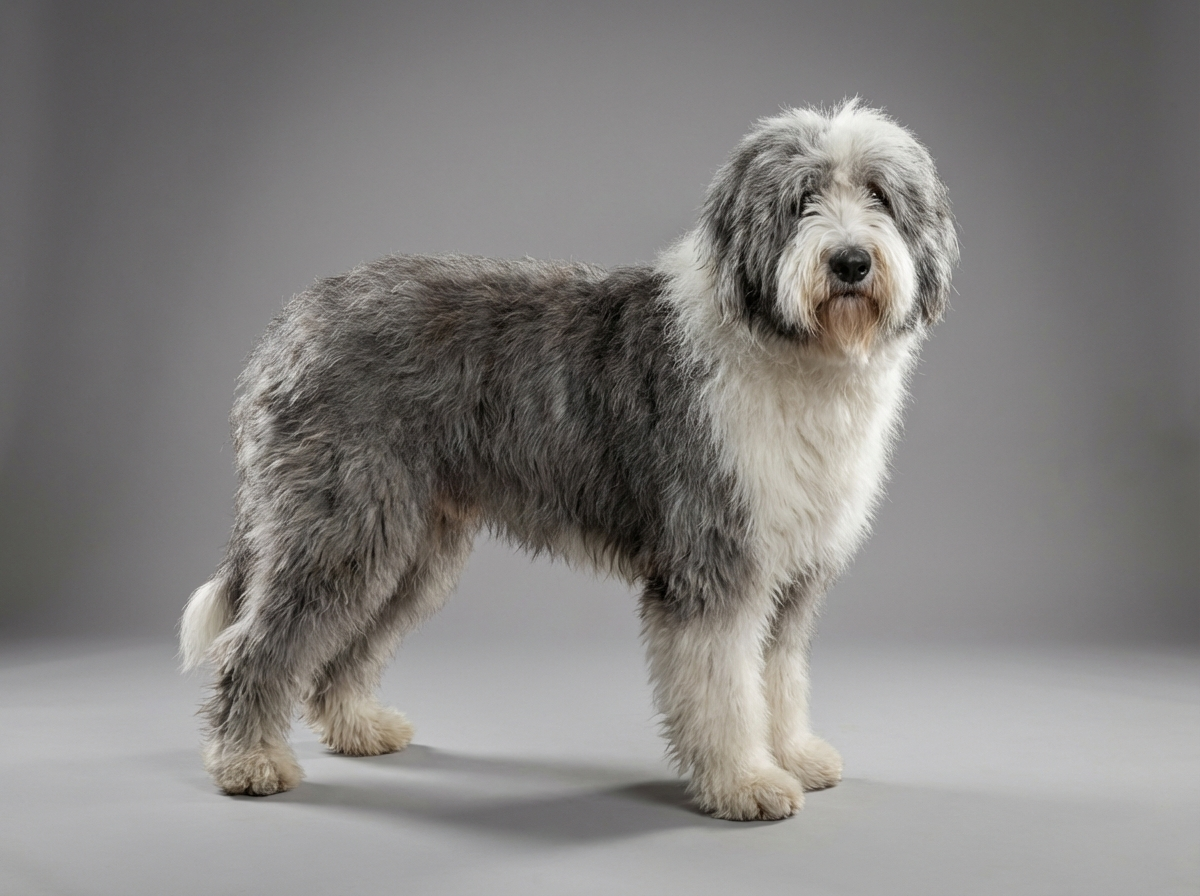
Epilepsy is not a documented common health issue in Old English Sheepdogs, but seizures can happen in any dog regardless of breed. Understanding what a seizure looks like and how to respond matters for any owner, and a first seizure always warrants veterinary investigation into the underlying cause.
Not documented as an elevated risk in this breed specifically. Seizures of some kind occur across dog breeds generally, making general awareness worthwhile for any owner.
There's no documented genetic predisposition to epilepsy in Old English Sheepdogs. Seizures, when they occur, are more often traced to an identifiable underlying cause, metabolic, toxic, or structural, in this breed than to idiopathic epilepsy specifically, though idiopathic epilepsy remains possible in any dog.
Toxin exposure and metabolic imbalances are the environmental factors most relevant to seizures in dogs generally, making a careful home environment and regular wellness bloodwork broadly useful precautions.
Talk to your vet after any seizure, even a brief, isolated one that resolves on its own, to investigate the underlying cause. Seek emergency care immediately for a seizure lasting more than five minutes or multiple seizures without full recovery in between.
The instinct to intervene physically during a seizure is understandable but usually counterproductive.
See all OLD English Sheepdog health problems, which breeds are prone to epilepsy, or the full OLD English Sheepdog breed guide for temperament, exercise needs and ownership costs.
Initial workup after a first seizure typically takes place within days via bloodwork, with further specialist evaluation over subsequent weeks if seizures recur or an underlying structural cause is suspected.
Success looks like identifying and addressing any underlying cause where possible, or, for dogs with recurring seizures, achieving good control through appropriate medication and monitoring.
If you think your Old has epilepsy, the plan is three steps: write down what you have seen and when it started, book a veterinary appointment rather than waiting for the next flare, and take video of the behaviour or symptom before you go — the thing you are worried about rarely happens in the consulting room. Screening in the parents covers hip dysplasia, cataracts, hypothyroidism.
What the vet visit should produce is a diagnosis and a written plan, not just reassurance: what is being ruled out, what the monitoring interval is, and which signs mean you come back sooner. Ask what the treatment costs across a year rather than per visit, because that is the number that decides whether you are managing this condition or reacting to it.
Between appointments, keep a short log — dates, what you saw, what changed. It is the single most useful thing an owner brings to a follow-up, and for epilepsy it is often what separates a clear pattern from a guess.
Ollie, a six-year-old Old English Sheepdog with no prior health concerns, had a sudden seizure lasting about ninety seconds while resting in the living room. His owners, having read that seizures weren't a documented breed issue, were caught completely off guard. They cleared the area, timed the episode, and called their vet the same day once Ollie recovered. Bloodwork identified a metabolic imbalance as the likely cause, which was treated directly, and Ollie has had no further seizures since.
Key takeaway: A first seizure always deserves investigation, regardless of whether it's a documented breed concern. In many cases, there's a specific, treatable cause behind it.
No, it isn't among this breed's documented common health issues. Seizures can occur in any dog regardless of breed, and epilepsy specifically refers to recurring seizures without an identifiable external cause.
Most commonly, sudden collapse, stiffening, paddling or jerking limb movements, and sometimes loss of bladder or bowel control. Some dogs have milder, more subtle seizures that look like a brief episode of unusual staring or twitching.
Clear the area of anything your dog could hit, time the seizure, and avoid putting your hands near their mouth. Stay nearby but let the seizure run its course unless it passes the emergency time threshold.
Causes range from idiopathic epilepsy (no identifiable cause, often genetic) to toxin exposure, low blood sugar, liver or kidney disease, brain abnormalities, or other underlying conditions, which is why a vet workup after a first seizure matters.
Not necessarily. A single, isolated seizure often doesn't warrant starting medication, while dogs with recurring seizures typically do, based on your vet's assessment of frequency and severity.
Typically bloodwork to check for underlying metabolic causes, and depending on findings, possibly advanced imaging or referral to a veterinary neurologist if recurring seizures suggest a structural or unexplained cause.
With anti-seizure medication prescribed and monitored by a vet, along with regular bloodwork to check medication levels and organ function, tailored to the individual dog's seizure pattern and response to treatment.
No, but seizures can occur in any dog, and this breed is not specifically protected from that possibility.
Clear the area, time it, and avoid touching near the mouth; let it run its course unless it exceeds the emergency time threshold.
Lasting more than five minutes, or multiple seizures in a row without full recovery in between.
Not necessarily; many causes exist, and a vet workup after a first seizure determines the next steps.
Bloodwork typically runs under a couple hundred dollars; advanced imaging or specialist referral adds significantly more.
A one-page prep sheet for this condition: the signs, the questions to ask, what to get priced. Unlocks here.
You get: Vet visit prep sheet
No spam. One-click unsubscribe. See our privacy policy.
Preview page 1 before you decide.