Health
Does this breed have a documented obesity gene?
No, the well-known POMC mutation is documented in Labradors, not this breed.

Quick answer
Does this breed have a documented obesity gene?
No, the well-known POMC mutation is documented in Labradors, not this breed.
This isn't about a specific appetite gene your dog was born with. It's about a body shape you genuinely can't see changing until it already has.
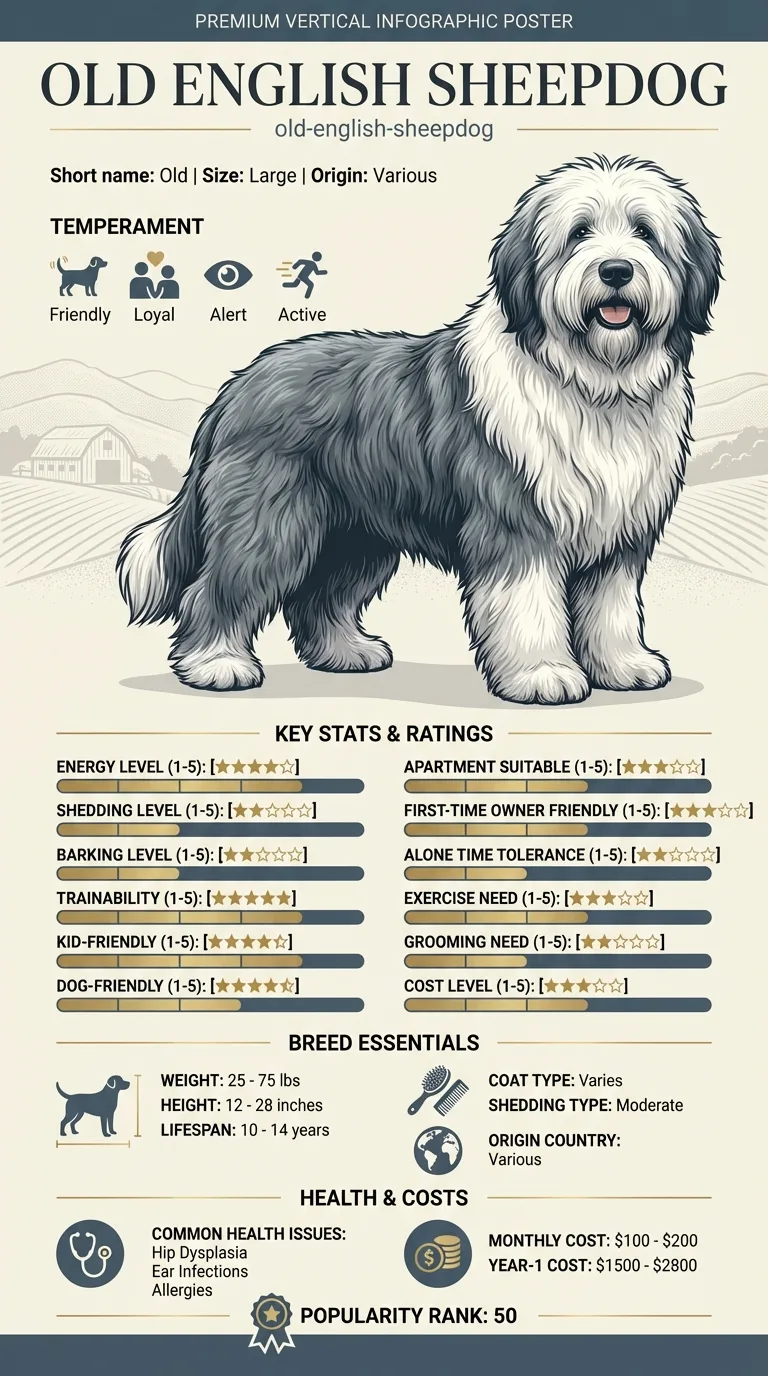
This affects any owner of this breed, since the coat-related detection problem applies regardless of whether a dog is naturally food-motivated, and moderate exercise needs mean it's easy to underexercise a large, low-demand-seeming dog.
This guide is not medical advice. If your dog shows pain, sudden behavior change, or worsening symptoms, consult a licensed veterinarian.
Some links may be affiliate links. We may earn a commission at no extra cost to you. We only suggest products we believe are helpful for dog owners.
Check this first
Weight gain itself isn't a medical emergency, but it's worth taking seriously because of what it contributes to over time: added strain on joints already at risk from this breed's documented hip dysplasia, increased risk factors for conditions like diabetes, and reduced exercise tolerance generally.
A rapid, unexplained weight change, gain or loss, over a short period of a few weeks, rather than a gradual drift over months, is worth a vet visit to rule out an underlying medical cause like hypothyroidism, which is documented in this breed and can itself drive weight gain independent of diet and exercise habits.
If any of these apply, call your vet or an emergency clinic now. The rest of this page is for the cases that are not an emergency.
Old English Sheepdogs don't carry the specific, well-documented POMC gene mutation associated with increased appetite in Labrador Retrievers. Weight gain in this breed is driven instead by a coat that hides early changes and a moderate exercise need that's easy to under-meet, both practical rather than a specific documented genetic mechanism.
There's no documented specific genetic obesity mutation in this breed, but weight gain itself is a common, practical concern across dog breeds generally, and this breed's coat and moderate exercise needs make it a genuinely relevant one here.
This breed's moderate rather than high exercise need, documented in its energy level rating, means owners can under-exercise a large dog without it seeming obviously under-stimulated the way a high-energy breed would show. Its dense double coat also physically hides the visual cues, a thickening waist or reduced rib visibility, that would normally alert an owner to early weight gain.
Consistent overfeeding, insufficient daily exercise relative to this breed's actual needs, and not adjusting portions as a dog ages and naturally becomes less active are the main environmental drivers of weight gain here.
Talk to your vet if you notice weight gain despite consistent diet and exercise, since this can point toward an underlying issue like hypothyroidism. Any rapid, unexplained weight change over a few weeks also warrants a vet visit.
Weight gain in this breed tends to sneak up on owners through a specific combination of factors, not through a documented specific gene.
See all OLD English Sheepdog health problems, which breeds are prone to genetic predisposition to obesity, or the full OLD English Sheepdog breed guide for temperament, exercise needs and ownership costs.
A gradual, sustainable weight-loss plan, if needed, typically shows meaningful progress over two to three months rather than a quick fix, with ongoing portion and exercise management needed long-term.
Success looks like an established habit of monthly hands-on checks and consistent portion control, catching any weight drift early rather than discovering significant weight gain only once it's already occurred.
If you think your Old has genetic predisposition to obesity, the plan is three steps: write down what you have seen and when it started, book a veterinary appointment rather than waiting for the next flare, and take video of the behaviour or symptom before you go — the thing you are worried about rarely happens in the consulting room. Screening in the parents covers hip dysplasia, cataracts, hypothyroidism.
What the vet visit should produce is a diagnosis and a written plan, not just reassurance: what is being ruled out, what the monitoring interval is, and which signs mean you come back sooner. Ask what the treatment costs across a year rather than per visit, because that is the number that decides whether you are managing this condition or reacting to it.
Between appointments, keep a short log — dates, what you saw, what changed. It is the single most useful thing an owner brings to a follow-up, and for genetic predisposition to obesity it is often what separates a clear pattern from a guess.
Bramble, an Old English Sheepdog, gained roughly fifteen pounds over about a year and a half without his owner noticing, since his coat gave no visual clue and he still seemed like his usual self day to day. It was only at a vet visit, where the vet did a hands-on body condition check, that the weight gain became clear. A structured portion-control plan combined with more consistent daily walks brought Bramble back to a healthy weight over about three months, and his owner now does a monthly hands-on check at home to catch any future drift early.
Key takeaway: In this breed, weight gain doesn't announce itself visually the way it would on a short-haired dog. A deliberate hands-on habit is what actually catches it.
No, that specific, well-documented mutation is found in Labrador Retrievers and Flat-Coated Retrievers. There's no equivalent documented mutation established for Old English Sheepdogs.
Two practical factors: a dense coat that hides early weight gain from view, and a moderate rather than high exercise need that can lead owners to under-exercise a large dog that doesn't obviously demand more activity.
Use a hands-on check: feel along the ribs, which should be easily felt without excessive pressure, and check for a visible waist when looking down at your dog from above, parting the coat if needed.
A moderate, consistent amount of daily activity. It's not an extremely high-energy breed, but treating it as low-maintenance activity-wise is a common mistake that contributes to weight gain.
Yes, hypothyroidism, a documented issue in this breed, can cause weight gain independent of diet and exercise habits, which is why unexplained weight gain deserves a vet visit rather than just a diet adjustment.
Extra weight adds mechanical strain to joints already at risk from this breed's documented hip dysplasia, and is a general risk factor for conditions like diabetes and reduced exercise tolerance.
Monthly is a reasonable habit, since visual checks alone are unreliable given this breed's dense coat.
No, the well-known POMC mutation is documented in Labradors, not this breed.
A coat that hides early weight gain, combined with moderate exercise needs that are easy to under-meet.
A monthly hands-on rib check and looking for a visible waist from above.
Yes, hypothyroidism, a documented issue in this breed, can cause weight gain independent of diet and exercise.
It adds strain to joints already at risk from this breed's documented hip dysplasia.
A one-page prep sheet for this condition: the signs, the questions to ask, what to get priced. Unlocks here.
You get: Vet visit prep sheet
No spam. One-click unsubscribe. See our privacy policy.
Preview page 1 before you decide.