Health
Is thyroiditis the cause behind most hypothyroidism cases?
Yes, in most documented cases, an autoimmune attack on the thyroid gland is the underlying process that eventually causes the hormone deficiency called hypothyroidism.

Quick answer
Is thyroiditis the cause behind most hypothyroidism cases?
Yes, in most documented cases, an autoimmune attack on the thyroid gland is the underlying process that eventually causes the hormone deficiency called hypothyroidism.
By the time hormone levels test low enough to diagnose hypothyroidism, the immune system may have been quietly destroying thyroid tissue for a long time already.
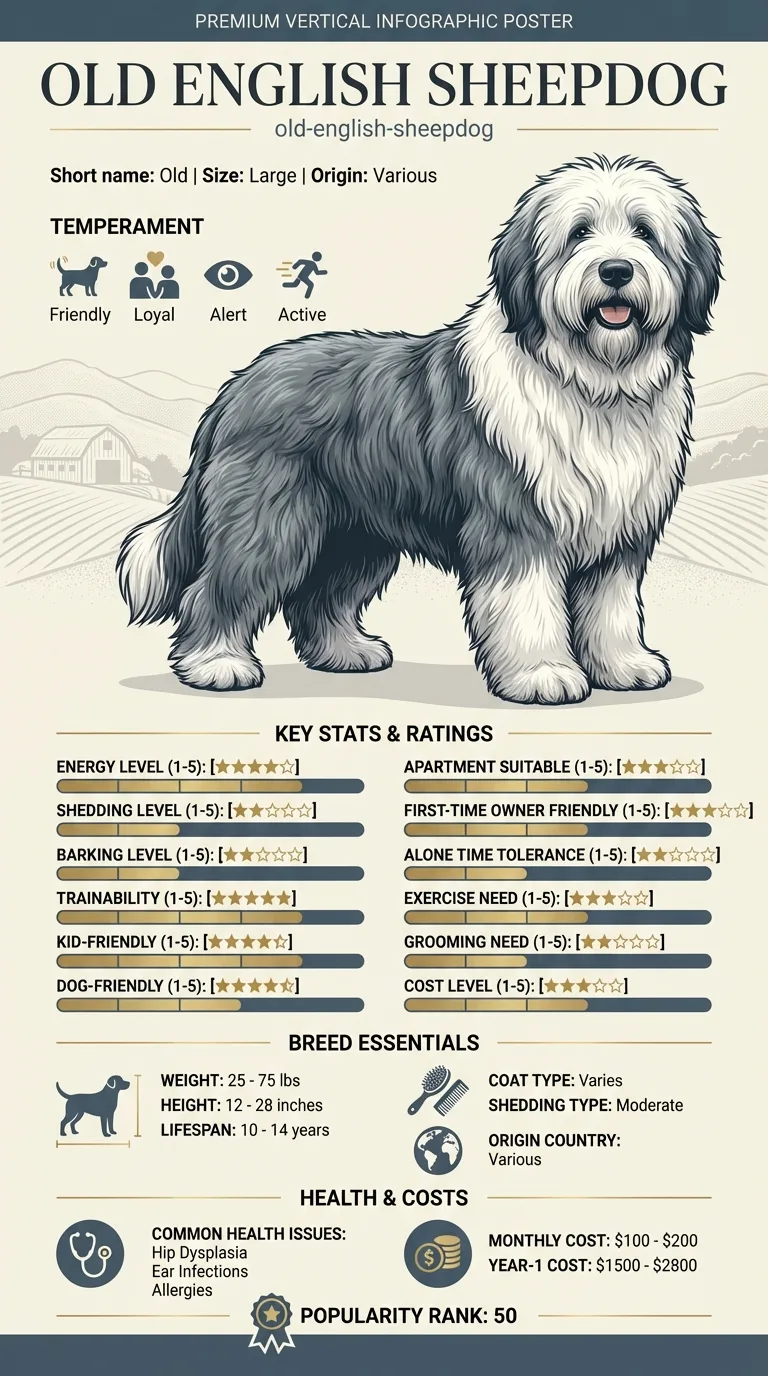
Owners of dogs newly diagnosed with hypothyroidism who want to understand the underlying cause, and breeders trying to make informed decisions about a bloodline with a history of thyroid disease.
This guide is not medical advice. If your dog shows pain, sudden behavior change, or worsening symptoms, consult a licensed veterinarian.
Some links may be affiliate links. We may earn a commission at no extra cost to you. We only suggest products we believe are helpful for dog owners.
Immune-mediated thyroiditis is the autoimmune process, antibodies attacking thyroid tissue, that underlies most documented hypothyroidism cases in dogs, including this breed. It typically develops slowly over months to years before enough thyroid tissue is destroyed to cause the hormone deficiency and its visible symptoms, which means the disease can be active well before a standard hormone panel would catch it.
Because most documented hypothyroidism in dogs traces back to this autoimmune process, and hypothyroidism itself is specifically listed as a common issue in this breed, immune-mediated thyroiditis is very likely the underlying mechanism behind the majority of those cases, even though it's less commonly discussed by name.
This breed's documented predisposition to hypothyroidism most likely reflects an underlying hereditary tendency toward autoimmune thyroid attack, the same pattern well documented across many purebred dog populations with concentrated gene pools.
There's no single clear environmental trigger for the autoimmune process itself, though general immune system stressors and possibly environmental factors still being studied across dog populations broadly may play a contributing role alongside the underlying genetic predisposition.
Talk to your vet about thyroid testing, including antibody testing, if your dog shows unexplained weight gain, coat changes, or low energy, or if you know of a family history of thyroid disease. These aren't emergencies, but earlier detection allows treatment to start before symptoms become more pronounced.
See all OLD English Sheepdog health problems, which breeds are prone to immune mediated thyroiditis, or the full OLD English Sheepdog breed guide for temperament, exercise needs and ownership costs.
The autoimmune process itself can be active for months to years before causing a detectable hormone deficiency. Once hypothyroidism is diagnosed and treatment starts, symptom improvement typically follows within weeks, even though the underlying autoimmune process isn't reversed by the hormone replacement itself.
Success looks like early detection through screening where possible, and once symptomatic, consistent lifelong hormone replacement that keeps the dog's energy, weight, and coat quality stable despite the underlying autoimmune process continuing in the background.
In immune-mediated thyroiditis, the body produces antibodies that mistakenly target thyroid tissue as if it were a foreign threat, gradually destroying the cells responsible for hormone production. This is a slow-moving process, often unfolding over months to years before enough thyroid tissue is lost that hormone levels drop low enough to cause the visible symptoms of hypothyroidism, the weight gain, coat changes, and low energy owners eventually notice. Because the destruction is immune-driven rather than simple age-related wear, a dog can test with detectable thyroid antibodies well before its hormone levels themselves fall into an abnormal range, meaning the disease process is already underway during what looks like a period of normal health.
A standard thyroid panel measures hormone levels themselves, which is enough to diagnose hypothyroidism once it's already present. A thyroglobulin autoantibody test looks instead for evidence of the autoimmune attack, which can be useful both for confirming that thyroiditis specifically, rather than another less common cause, is behind a hormone-level diagnosis, and for breeders wanting to screen dogs before symptoms ever appear. Some breed clubs and individual breeders use periodic antibody testing on breeding stock specifically because thyroiditis has a documented hereditary component, and identifying carriers or early-stage cases before breeding is one of the more direct ways to reduce how often it appears in future litters.

Otis, a five-year-old Old English Sheepdog in Milwaukee, showed no obvious symptoms at all when his owner Ingrid mentioned during a routine visit that Otis's littermate had recently been diagnosed with hypothyroidism. Otis's vet suggested a full thyroid panel including antibody testing rather than waiting for symptoms to appear. His hormone levels were still technically normal, but his antibody test came back positive, indicating the autoimmune process was already underway. Ingrid and her vet agreed on rechecking bloodwork every six months instead of annually, catching the eventual hormone drop early enough that Otis started medication before any noticeable symptoms had developed.
Key takeaway: A littermate's diagnosis was the clue that led to catching Otis's thyroid disease at the antibody stage, well before symptoms would have otherwise been the first sign something was wrong.
Not exactly. Thyroiditis is the autoimmune process that gradually destroys thyroid tissue; hypothyroidism is the resulting hormone deficiency once enough tissue is lost. Most documented hypothyroidism cases in dogs trace back to this underlying autoimmune process.
It's a blood test that looks for antibodies targeting thyroid tissue, distinct from a standard hormone panel. A positive result can indicate an active autoimmune process even before hormone levels themselves drop into an abnormal range.
It has a documented hereditary component in dogs generally, which is why some breeders use antibody screening on breeding stock as part of trying to reduce how often it appears in future generations.
Yes, the autoimmune process can be underway for months to years before enough thyroid tissue is destroyed to cause the hormone deficiency that produces visible symptoms like weight gain or coat changes.
No, once the hormone deficiency is present, treatment is the same daily thyroid hormone replacement regardless of whether the underlying cause is autoimmune thyroiditis or another less common process.
Many responsible breeders do test breeding stock periodically, since a documented hereditary pattern means antibody-positive dogs, even without symptoms yet, are worth factoring into breeding decisions.
The autoimmune process can begin at almost any adult age, though it's most often detected through symptoms or screening in middle-aged dogs, generally between two and seven years old.
Yes, in most documented cases, an autoimmune attack on the thyroid gland is the underlying process that eventually causes the hormone deficiency called hypothyroidism.
Yes, antibody testing can detect the autoimmune process well before hormone levels drop low enough to cause visible symptoms.
It adds a modest cost on top of a standard thyroid panel, generally worthwhile for breeding stock or dogs with a family history of thyroid disease.
No, treatment is the same thyroid hormone replacement regardless of the underlying cause once a hormone deficiency is confirmed.
Yes, especially if the breed line has any documented history of thyroid disease, since this is one of the more direct hereditary risk factors to screen for.
A one-page prep sheet for this condition: the signs, the questions to ask, what to get priced. Unlocks here.
You get: Vet visit prep sheet
No spam. One-click unsubscribe. See our privacy policy.
Preview page 1 before you decide.