Health
Why does glaucoma need faster action than this breed's other eye issues?
It can cause meaningful vision loss within 24-48 hours if untreated, much faster than this breed's other, slower eye conditions.

Quick answer
Why does glaucoma need faster action than this breed's other eye issues?
It can cause meaningful vision loss within 24-48 hours if untreated, much faster than this breed's other, slower eye conditions.
This is the one eye condition on this list where speed actually changes the outcome. A red, painful eye today needs attention today, not next week.

This is relevant to any owner of this breed, but particularly those managing another known eye condition, like a diagnosed cataract, since glaucoma can develop as a secondary complication.
This guide is not medical advice. If your dog shows pain, sudden behavior change, or worsening symptoms, consult a licensed veterinarian.
Some links may be affiliate links. We may earn a commission at no extra cost to you. We only suggest products we believe are helpful for dog owners.
Check this first
A red, painful-looking eye, a dilated pupil that doesn't respond normally to light, cloudiness, squinting, or a dog rubbing or pawing persistently at one eye should be treated as a same-day emergency, not a routine appointment. Vision loss from acute glaucoma can become permanent within as little as 24-48 hours without treatment, which is meaningfully faster than the other, more slowly progressing eye conditions common in this breed.
If you're unsure whether what you're seeing is ordinary hair-related irritation or something more serious, err on the side of urgency here specifically. The cost of an unnecessary same-day exam is far lower than the cost of delayed treatment for actual glaucoma.
If any of these apply, call your vet or an emergency clinic now. The rest of this page is for the cases that are not an emergency.
Glaucoma is a dangerous rise in pressure inside the eye that can cause meaningful, sometimes permanent vision loss within 24-48 hours if untreated, making it the most urgent of this breed's eye conditions. It can occur on its own or secondary to another eye issue, such as an advanced cataract, which is documented in this breed.
Glaucoma isn't specifically documented as a top common health issue in this breed on its own, but given the breed's documented cataract risk, which can be a contributing factor, it's a genuinely relevant condition to watch for.
This breed's documented cataract risk means glaucoma has a plausible secondary pathway here: an advanced or complicated cataract can contribute to increased eye pressure. This breed's dense facial coat also means early visual signs of glaucoma are more easily missed than in a short-haired dog.
There are limited external environmental drivers for glaucoma itself; it's primarily a medical condition related to eye pressure regulation, sometimes secondary to another eye issue rather than caused by anything in the environment.
There's no 'wait and see' tier for suspected glaucoma. Treat a red, painful, cloudy, or pupil-abnormal eye as a same-day emergency, and follow up promptly on ongoing monitoring recommendations if a diagnosis is confirmed.
Because glaucoma progresses quickly, delays here have a bigger practical impact than with this breed's other, slower eye conditions.
See all OLD English Sheepdog health problems, which breeds are prone to glaucoma, or the full OLD English Sheepdog breed guide for temperament, exercise needs and ownership costs.
Glaucoma requires treatment within hours to days of symptom onset to have the best chance of preserving vision. Ongoing management, if the eye is saved, often continues long-term with pressure-monitoring and medication.
Success looks like same-day recognition and treatment that preserves as much vision and comfort as possible, and vigilant monitoring of the unaffected eye afterward given the increased risk to it.
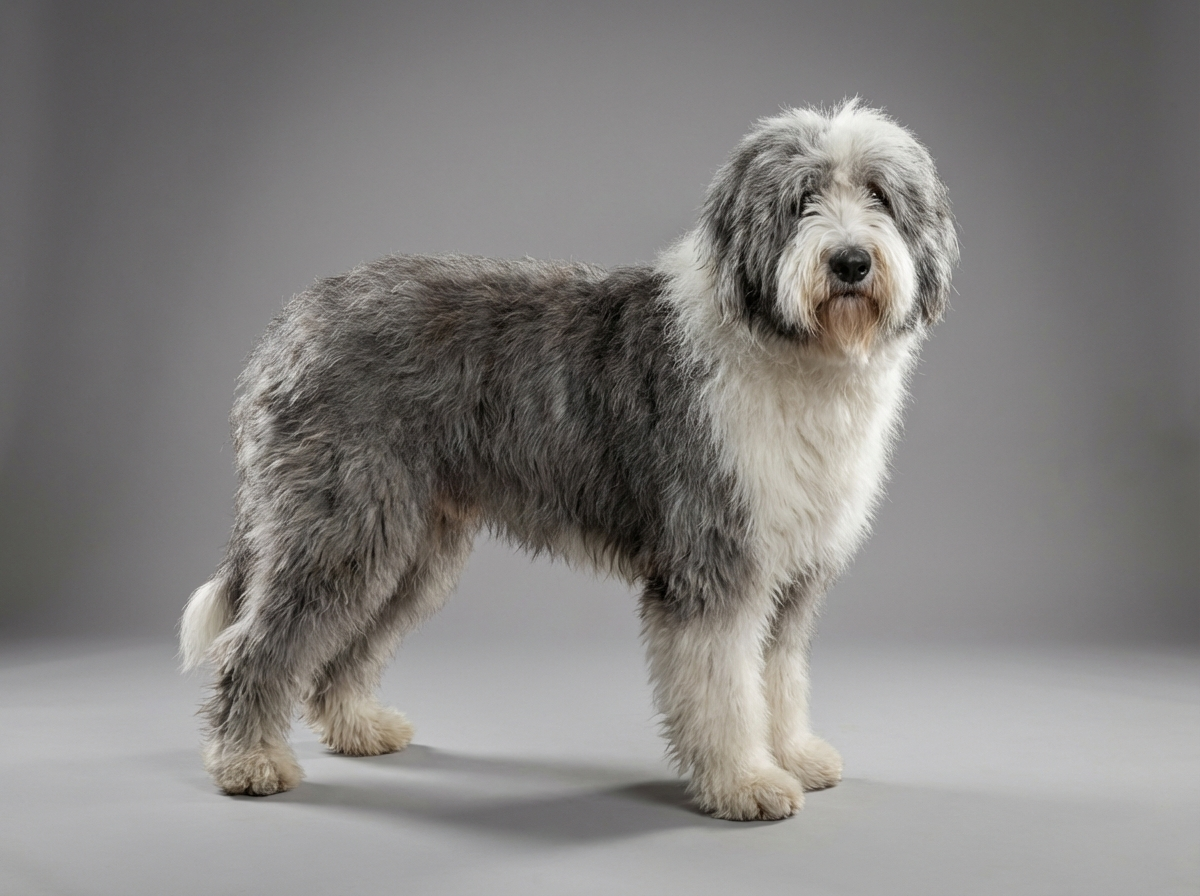
Winnie, an eleven-year-old Old English Sheepdog with a known cataract in one eye, developed sudden redness and squinting in that same eye one evening. Her owner, aware that this breed's cataracts can sometimes lead to secondary complications, didn't wait for a routine appointment and went straight to an emergency vet. Tonometry confirmed acute glaucoma in that eye. Prompt treatment managed the pressure and preserved some vision, and Winnie's other eye is now monitored closely at every checkup given the documented increased risk to it.
Key takeaway: Knowing that an existing eye condition could progress to something more urgent meant the difference between waiting and acting the same day, which is exactly what glaucoma requires.
Speed. Cataracts and corneal dystrophy typically progress slowly and are often monitored rather than treated as urgent. Glaucoma can cause meaningful, sometimes permanent vision loss within 24-48 hours if untreated, making it the one eye condition here that always needs same-day attention.
A red or bloodshot-looking eye, visible pain (squinting, pawing at the eye), a cloudy appearance to the cornea, and sometimes a dilated pupil that doesn't respond normally to light.
It can be secondary to another eye condition, such as an advanced cataract or lens issue, rather than occurring entirely on its own, which is one reason ongoing monitoring of any existing eye condition in this breed matters.
With a specific instrument that measures pressure inside the eye (tonometry), typically performed by a vet or veterinary ophthalmologist as part of an eye exam.
Yes, with prompt treatment, which may include medication to reduce eye pressure or, in some cases, surgery, especially if started early before significant vision loss has occurred.
There's an increased risk to the other eye once one eye is diagnosed with glaucoma, which is why ongoing monitoring of both eyes matters after a diagnosis.
Emergency treatment and ongoing pressure-reducing medication can add up, often several hundred dollars for initial treatment and diagnostics, more if specialist care or surgery is needed.
It can cause meaningful vision loss within 24-48 hours if untreated, much faster than this breed's other, slower eye conditions.
A red, painful-looking eye, possible cloudiness, and sometimes a dilated pupil that doesn't respond normally to light.
No, it can develop secondary to another eye issue, like an advanced cataract, making ongoing eye monitoring important.
Treat it as one; the cost of an unnecessary same-day visit is far lower than delayed treatment for real glaucoma.
Yes, there's an increased risk to the second eye once one is affected.
A one-page prep sheet for this condition: the signs, the questions to ask, what to get priced. Unlocks here.
You get: Vet visit prep sheet
No spam. One-click unsubscribe. See our privacy policy.
Preview page 1 before you decide.