Health
What are some Yorkshire Terrier glaucoma quick tips?
Keep up with regular vet checkups to monitor eye health and stay alert for any changes in your dog's behavior or eyes.

Quick answer
What are some Yorkshire Terrier glaucoma quick tips?
Keep up with regular vet checkups to monitor eye health and stay alert for any changes in your dog's behavior or eyes.
Yorkshire Terrier glaucoma is a serious eye condition that can lead to blindness. Understanding this issue is crucial for your dog's health.
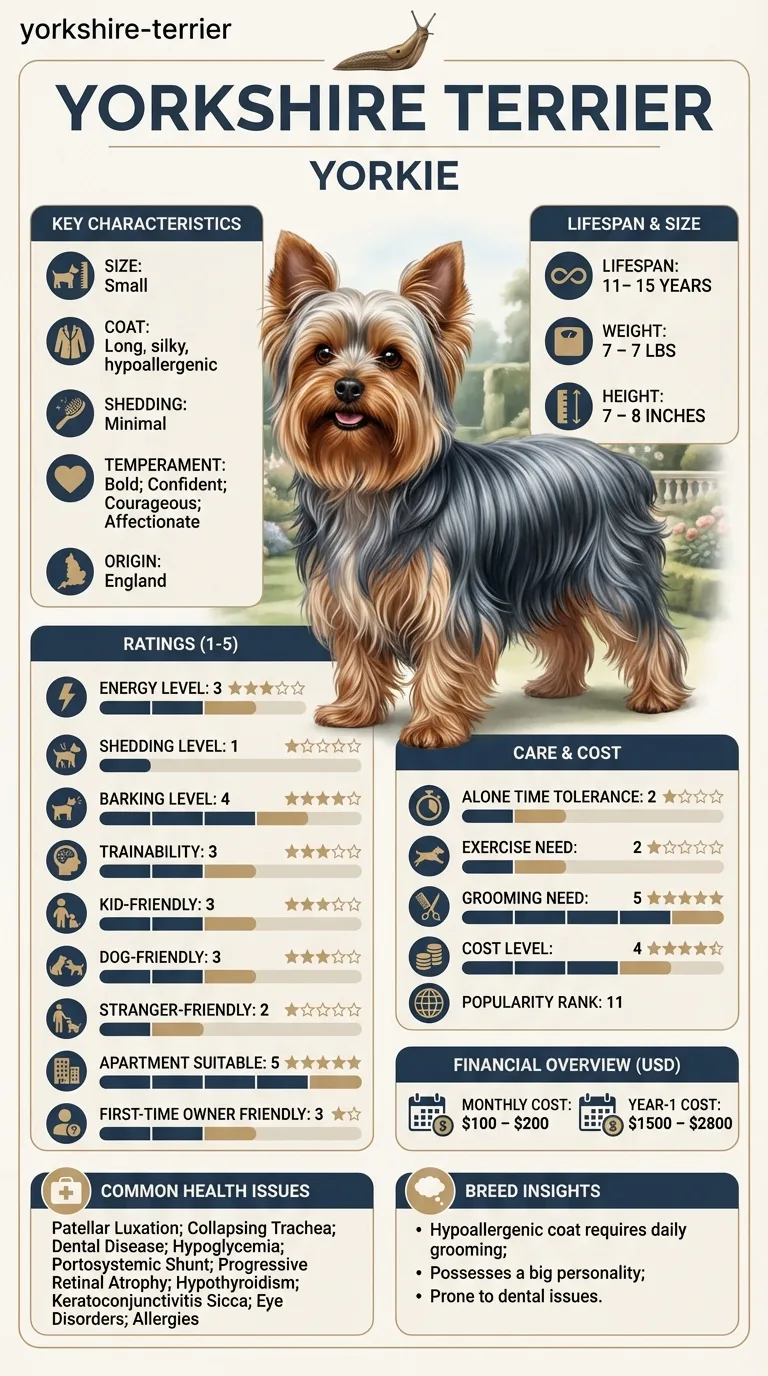
Owners of Yorkshire Terriers, especially those noticing signs of eye discomfort or changes in behavior, often struggle with this issue. First-time dog owners may find it particularly challenging to identify symptoms and seek timely help.
This guide is not medical advice. If your dog shows pain, sudden behavior change, or worsening symptoms, consult a licensed veterinarian.
Some links may be affiliate links. We may earn a commission at no extra cost to you. We only suggest products we believe are helpful for dog owners.
We research and check what we publish, but we do not warrant that any figure, date, price, or statement is accurate, complete, or current, and we accept no liability for any loss, cost, injury, or other harm arising from the use of this site. Use it as one reference among several. You remain responsible for your own decisions and for your dog's care - confirm anything that matters with a licensed veterinarian or another qualified professional before you act on it. Full disclaimer.
Check this first
Glaucoma can be a serious issue for your Yorkshire Terrier. It's essential to know when to act quickly and when you might be able to wait and see. Here’s how to differentiate between emergency signs and mild cases that can be monitored at home.
Emergency Signs: If your Yorkie shows any of the following symptoms, you should call your vet immediately. Red flags include sudden vision loss, severe eye pain, excessive tearing, or a visibly swollen eye. If your dog is also lethargic or refuses to eat, these could indicate an urgent situation.
Mild Cases: On the other hand, if your Yorkshire Terrier is showing minor symptoms like slight cloudiness in the eye or mild discomfort but is otherwise acting normally, you can monitor the situation. Keep an eye on any changes, and consider scheduling a vet appointment for a check-up. Regular eye exams can help catch issues early, so don’t skip those.
Remember, if you're ever in doubt, it's better to err on the side of caution. Your vet can give you the best guidance on whether it’s time for an emergency visit or just a watchful waiting approach.
If any of these apply, call your vet or an emergency clinic now. The rest of this page is for the cases that are not an emergency.
Yorkshire Terrier glaucoma is a serious eye condition characterized by increased pressure in the eye. This can lead to pain, vision loss, and even blindness if not treated promptly. Owners may notice their Yorkie squinting, rubbing their eyes, or exhibiting signs of discomfort, which can be distressing for both the pet and the owner.
Glaucoma is relatively common among Yorkshire Terriers, especially as they age. It's crucial for owners to be vigilant and consult a vet regularly to catch any early signs of this condition.
Yorkshire Terriers are more prone to certain eye diseases, including glaucoma, due to their genetic makeup. Their small size and unique eye structure can increase the risk of developing this eye pressure disease. Additionally, factors like dental issues, which are common in Yorkies, can contribute to overall health problems, including eye health.
Environmental factors can also play a role in the development of glaucoma. For instance, exposure to certain toxins or a lack of regular veterinary care can lead to undiagnosed health issues. Stressful situations or inadequate living conditions may further exacerbate health concerns in your Yorkie, including eye problems.
If you notice any changes in your Yorkshire Terrier's behavior, such as excessive pawing at their eyes, squinting, or any signs of discomfort, it's crucial to consult a vet immediately. Early diagnosis and treatment of glaucoma can significantly improve outcomes.
Understanding the mistakes that can worsen Yorkshire Terrier glaucoma is crucial for effective management. Here are some common pitfalls to avoid:
Start here: Yorkshire Terrier Most Common Genetic Disorders: Screening
See all Yorkshire Terrier health problems, which breeds are prone to glaucoma, or the full Yorkshire Terrier breed guide for temperament, exercise needs and ownership costs.
Managing Yorkshire Terrier glaucoma typically requires consistent vet visits and treatment adjustments over several weeks to months. Owners should expect to see gradual improvements in their dog's comfort and vision with proper care.
Success means your Yorkshire Terrier displays reduced discomfort, improved eye health, and a stable condition. Regular veterinary check-ups show that eye pressure is under control, and your dog is able to enjoy daily activities without significant issues.
When Sarah adopted Maggie, her Yorkshire Terrier, she noticed Maggie squinting and occasionally bumping into furniture. After a vet visit, Sarah learned that Maggie had glaucoma. Initially overwhelmed, Sarah followed the vet's advice on medication and daily eye drops. After a few weeks of treatment, Maggie's eye pressure stabilized, and her squinting decreased. With regular monitoring and adjustments to her care routine, Maggie now enjoys her walks and playtime with renewed energy.
Key takeaway: With timely intervention and commitment to treatment, Yorkshire Terriers like Maggie can manage glaucoma effectively, allowing them to lead happy lives.
Yorkshire Terriers can develop glaucoma due to genetic predisposition or other health issues. This eye condition occurs when fluid builds up in the eye, increasing pressure and potentially damaging the optic nerve. Regular eye checks with your vet can help catch it early.
Look for signs like redness in the eye, a cloudy appearance, excessive tearing, or squinting. If your Yorkie is rubbing their eyes or seems sensitive to light, these could also be indicators. If you notice any of these symptoms, consult your veterinarian immediately.
Treatment usually involves medications to reduce eye pressure or surgery in severe cases. Your vet may prescribe eye drops or oral medications. Early detection is crucial, so regular vet visits are important for managing the condition.
While you can't completely prevent glaucoma, regular eye exams can help catch problems early. Keeping an eye on your Yorkie's overall health and being aware of any changes can also contribute to prevention. Good dental hygiene and managing their weight can support eye health.
Follow your vet's recommendations for medication and create a calm environment to reduce stress. Monitor your dog's behavior and eye condition regularly. Consider keeping their grooming routine consistent, as it can help with overall health.
Yes, Yorkshire Terriers can inherit a predisposition to glaucoma. If a parent has had eye issues, their puppies might be at higher risk. Discuss your dog's family history with your vet for better management strategies.
Early signs of Yorkshire Terrier glaucoma include redness in the eyes, excessive tearing, and squinting. You may also notice your dog rubbing their eyes more than usual or showing sensitivity to light.
Yes, Yorkshire Terriers can develop glaucoma as they age. Older dogs may be more susceptible due to age-related eye changes, making regular vet check-ups essential to catch any issues early.
Treatment for Yorkshire Terrier glaucoma often includes medications to reduce eye pressure and, in some cases, surgery. It's crucial to follow your vet's recommendations and monitor your dog's response to treatment closely.
A balanced diet can contribute to overall health, including eye health, for your Yorkshire Terrier. Foods rich in omega-3 fatty acids and antioxidants may support eye function, but always consult your vet for specific dietary advice.
Yorkshire Terrier glaucoma can develop even with regular vet visits due to genetic predisposition or other underlying health issues. It's important to remain vigilant and discuss any changes in behavior or eye condition with your vet promptly.
Keep up with regular vet checkups to monitor eye health and stay alert for any changes in your dog's behavior or eyes.
Make the process gentle and positive by using treats and praise to reward your Yorkie when they cooperate with eye drops or medications.
Contact your vet immediately to schedule an examination, as early detection is key to effective treatment.
A one-page prep sheet for this condition: the signs, the questions to ask, what to get priced. Unlocks here.
You get: Vet visit prep sheet
No spam. One-click unsubscribe. See our privacy policy.
Preview page 1 before you decide.