Behavior
What are some quick tips for managing a Great Dane's weight?
To manage a Great Dane's weight, provide regular exercise, feed them measured portions, and avoid high-calorie treats. Monitor their weight and adjust the food intake as needed.

Quick answer
What are some quick tips for managing a Great Dane's weight?
To manage a Great Dane's weight, provide regular exercise, feed them measured portions, and avoid high-calorie treats. Monitor their weight and adjust the food intake as needed.
The Great Dane's genetic predisposition to obesity is a serious concern. This breed is known for its gentle nature, but their love for food can lead to significant health issues.
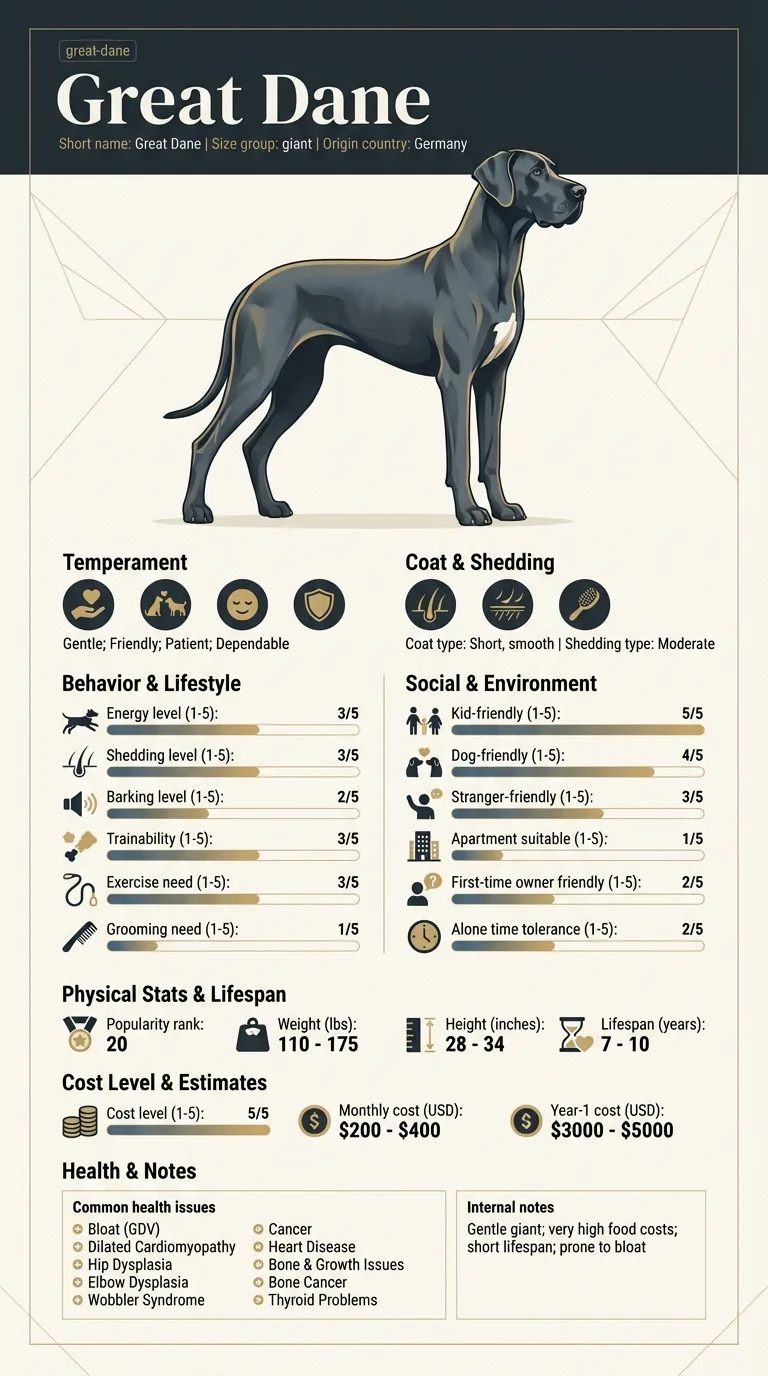
Owners of Great Danes, especially first-time dog parents or those living in less active environments, may find it difficult to manage their dog's weight. Busy families or individuals with tight schedules might struggle to provide the exercise and dietary control needed for these gentle giants.
This guide is not medical advice. If your dog shows pain, sudden behavior change, or worsening symptoms, consult a licensed veterinarian.
Some links may be affiliate links. We may earn a commission at no extra cost to you. We only suggest products we believe are helpful for dog owners.
We research and check what we publish, but we do not warrant that any figure, date, price, or statement is accurate, complete, or current, and we accept no liability for any loss, cost, injury, or other harm arising from the use of this site. Use it as one reference among several. You remain responsible for your own decisions and for your dog's care - confirm anything that matters with a licensed veterinarian or another qualified professional before you act on it. Full disclaimer.
Check this first
Understanding when your Great Dane's genetic predisposition to obesity becomes an emergency is crucial. It's important to know the signs that warrant immediate veterinary attention versus those that can be monitored at home.
Emergency Signs: If your Great Dane experiences rapid weight gain or sudden lethargy, call your vet. Other red flags include vomiting, diarrhea, difficulty breathing, or any signs of pain. If your dog is unable to stand or seems overly weak, these are serious indicators that professional help is needed.
Monitor and Wait: If your Great Dane is overweight but still active, you can start with a weight management plan at home. Regular exercise, a balanced diet, and portion control can often help. Keep an eye on their behavior and weight for any significant changes.
In summary, watch for the red flags that signal an emergency situation, but don't panic immediately if your dog is simply gaining weight. Knowing the difference can help you ensure your Great Dane stays healthy and happy.
If any of these apply, call your vet or an emergency clinic now. The rest of this page is for the cases that are not an emergency.
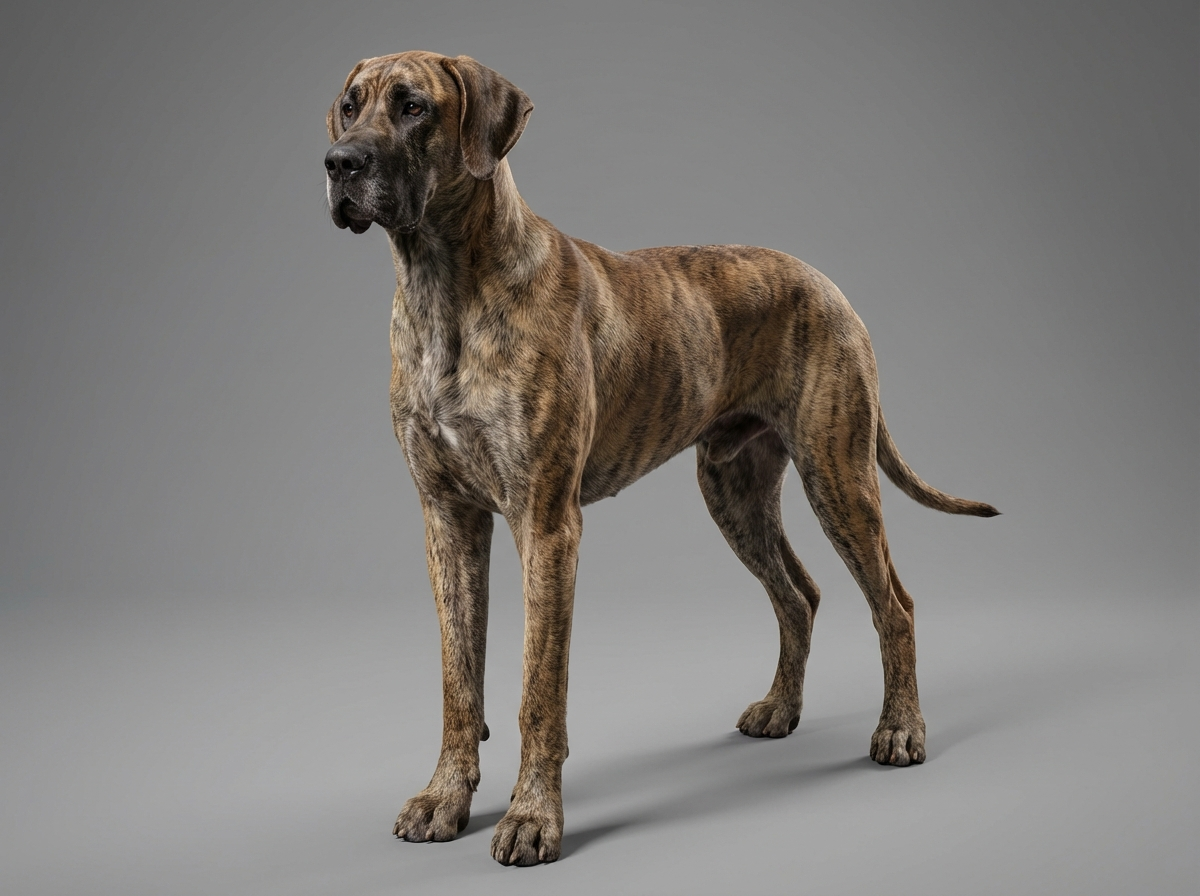
Great Danes are known for their gentle nature, but they also have a genetic predisposition to obesity. This problem can manifest as excessive weight gain, leading to health issues like heart disease and joint problems. Owners may notice their Great Dane becoming lethargic or struggling to keep up during walks, which can be concerning.
Obesity is a common issue in Great Danes, with many owners reporting weight challenges. Regular vet check-ups and monitoring food intake can help manage this risk.
Great Danes are giant dogs with a genetic predisposition to obesity. A mutation in the POMC gene can lead to an increased appetite, making it easier for them to gain weight. This breed's larger size means that even a few extra pounds can significantly impact their health.
Obesity in Great Danes can also result from an environment that lacks sufficient exercise or mental stimulation. If they're not getting enough daily activity or are overfed, these factors contribute to weight gain. Living in a small space or not having access to a yard can further limit their physical activity.
If you notice rapid weight gain or other concerning symptoms, like lethargy or difficulty breathing, schedule a visit with your vet. They can assess your dog's health and recommend a weight management plan. Regular check-ups can also help monitor weight and overall well-being.
Addressing your Great Dane's genetic predisposition to obesity can be tricky. Here are some common mistakes that can hinder progress, along with safer alternatives to help manage your dog's weight effectively.
Start here: Great Dane Most Common Genetic Disorders: What to Screen For
See all Great Dane health problems, which breeds are prone to genetic predisposition to obesity, or the full Great Dane breed guide for temperament, exercise needs and ownership costs.
With consistent care and diet management, you can see improvements in your Great Dane's weight within 3 to 6 months.
Success means maintaining a healthy weight for your Great Dane, reducing the risk of obesity-related health issues, and establishing a balanced diet and exercise routine that works for both of you.
Sam, a busy nurse from San Diego, adopted a Great Dane named Max. Shortly after bringing him home, she noticed he was gaining weight fast. Despite his large size, Max had a genetic predisposition to obesity due to a POMC gene mutation. Sam realized she needed to act quickly to manage his weight. With the help of her vet, she adjusted Max's diet, switching to lower-calorie food and measuring his portions. She also committed to regular walks and playtime in the yard. Over six months, Max not only lost the extra pounds but also became more energetic and happier. Sam learned that staying consistent with Max’s routine was key to his health.
Key takeaway: Managing a Great Dane's genetic predisposition to obesity requires a dedicated approach to diet and exercise, but with commitment, significant improvements are possible.
Great Danes can have a genetic predisposition to obesity due to a mutation in the POMC gene, which is linked to increased appetite. This means that even with normal feeding, they may be more prone to weight gain. Monitoring their diet and exercise is crucial to manage their weight. This answer relates to Great Dane genetic predisposition to obesity.
To manage your Great Dane's weight, focus on a balanced diet and regular exercise. Consult your vet for a tailored feeding plan and consider incorporating structured activities like walks and playtime to keep them active. Keep an eye on their weight regularly and adjust their routine as needed.
Positive reinforcement training works well for Great Danes, especially when addressing obesity. Use treats wisely by incorporating them into their training while ensuring they're low-calorie. Regular training sessions can also help keep them active and mentally stimulated.
Signs of obesity in Great Danes include difficulty in feeling their ribs, lack of noticeable waist, and decreased energy levels. If your dog struggles to get up or seems less active than usual, these could be signs of weight issues. Regular vet check-ups can help monitor their health.
Yes, there are specially formulated diets designed for large breeds like Great Danes that help manage weight. Look for high-fiber, low-calorie options that promote satiety. Always consult your veterinarian before changing your dog's diet.
Watch for signs such as difficulty breathing, reluctance to exercise, and a noticeable increase in body size. If you notice fat pads around the ribs or a lack of a defined waist, it’s time to reassess their diet and activity levels.
Yes, older Great Danes can lose weight, but it should be done gradually and under the guidance of a vet. A balanced diet and regular, low-impact exercise are key to safely helping them shed pounds.
Genetics, specifically a mutation in the POMC gene, can lead to increased appetite and weight gain in Great Danes. This means some dogs may require more careful management of their food intake and exercise compared to others.
Start by consulting your vet for a tailored weight loss plan. This may include a specific diet, regular exercise, and monitoring their progress to ensure healthy weight management.
Training can help establish a routine that includes regular exercise, which is essential for weight management. Incorporating fun activities like agility courses or fetch can keep your Great Dane engaged while burning calories.
To manage a Great Dane's weight, provide regular exercise, feed them measured portions, and avoid high-calorie treats. Monitor their weight and adjust the food intake as needed.
Great Danes typically need about 30 to 60 minutes of exercise daily. This can include walks, playtime, or even light jogging.
Yes, obesity can lead to several health issues in Great Danes, including joint problems, heart disease, and a shorter lifespan. Keeping them at a healthy weight is crucial.
Yes, there are specialized training courses that focus on managing obesity-related behavior issues in Great Danes. Look for programs that incorporate positive reinforcement techniques.
A one-page prep sheet for this condition: the signs, the questions to ask, what to get priced. Unlocks here.
You get: Vet visit prep sheet
No spam. One-click unsubscribe. See our privacy policy.
Preview page 1 before you decide.