What this problem looks like
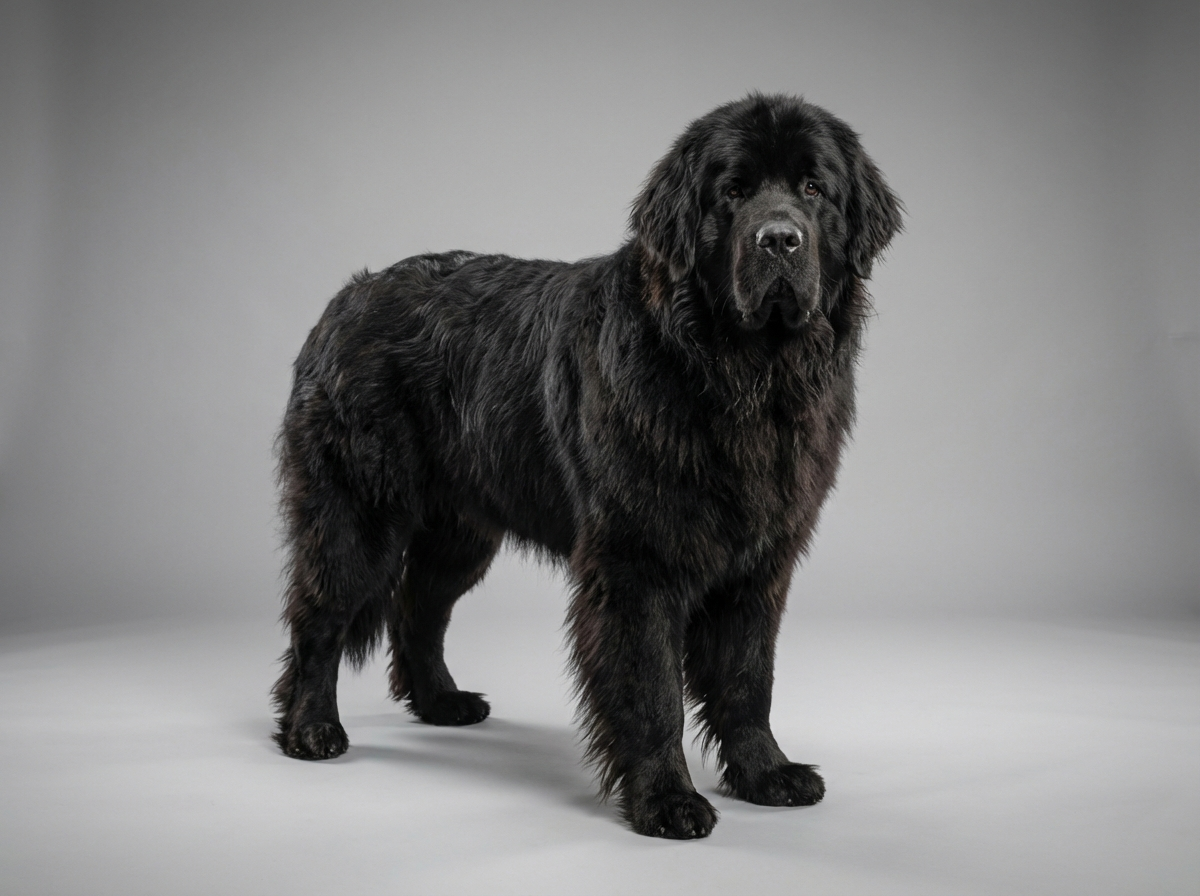
An acute allergic reaction is a rapid immune response to a specific substance, most often an insect sting, an injected product, or a medication. It shows up as facial swelling, hives, sudden itching, vomiting or diarrhoea, and in the worst cases as difficulty breathing and circulatory collapse. In a Newfoundland the visible clues are muted by coat and mass, so owners tend to catch the problem later than owners of short-coated breeds.
Common triggers
- Bee, wasp and hornet stings, usually to the muzzle or between the toes
- Vaccines and injected medications given at a routine appointment
- A new oral medication or a new topical parasite product
- Insect bites picked up in long grass, near water, or in wood piles
- A novel protein or additive in a treat given for the first time
Serious anaphylactic reactions are uncommon in dogs of any breed. Milder reactions, particularly facial swelling after a sting or a vaccine, are seen often enough that most veterinary practices manage several a month across their caseload. Nothing in the Newfoundland's documented health profile marks the breed out as unusually reaction-prone; what the breed contributes is difficulty in detection, not extra frequency.
The Sting Nobody Saw: Bruno's Afternoon in the Clover
Bruno, a four-year-old Newfoundland weighing 138 pounds, spent a July afternoon lying in the shade at the bottom of the garden where the lawn had gone to clover. His owner, Priya, noticed nothing unusual when he came in. He drank, flopped down on the tile floor and went to sleep, which was entirely normal for him.
An hour later Priya looked up and thought his face looked odd, as though he had been chewing something. She compared it against a photo on her phone from the previous weekend and the difference was obvious: the lips and the skin above the eyes had thickened. Running her hand backwards along his ribs, she felt a scattering of firm raised discs she could not see at all through his coat.
She phoned the practice rather than driving straight there, described the breathing as quiet and easy, and was told to come in within the hour. Bruno walked into the consulting room himself. The vet found a sting between two toes on his left front foot, treated the reaction, and kept him for four hours of observation. He was home by evening, and the incident went into his file with the date and the season.
The following summer Priya mowed the clover before it flowered and checked Bruno's face by eye every time he came in from the garden. There was no second episode, but the family also learned something uncomfortable: nobody had noticed anything for a full hour, and Bruno had never once complained.
Key takeaway: In a heavily coated giant breed, the dog will not tell you and the coat will not show you. A reference photo, a monthly hands-on sweep, and a habit of checking the face are what turn a one-hour delay into a ten-minute one.