Health
What are stenotic nares?
Abnormally narrow, pinched nostril openings that restrict airflow, common in brachycephalic breeds.

Quick answer
What are stenotic nares?
Abnormally narrow, pinched nostril openings that restrict airflow, common in brachycephalic breeds.
Dogs breathe primarily through their nose, and a nostril opening too narrow to move enough air forces a Frenchie to work noticeably harder for something that should be effortless.
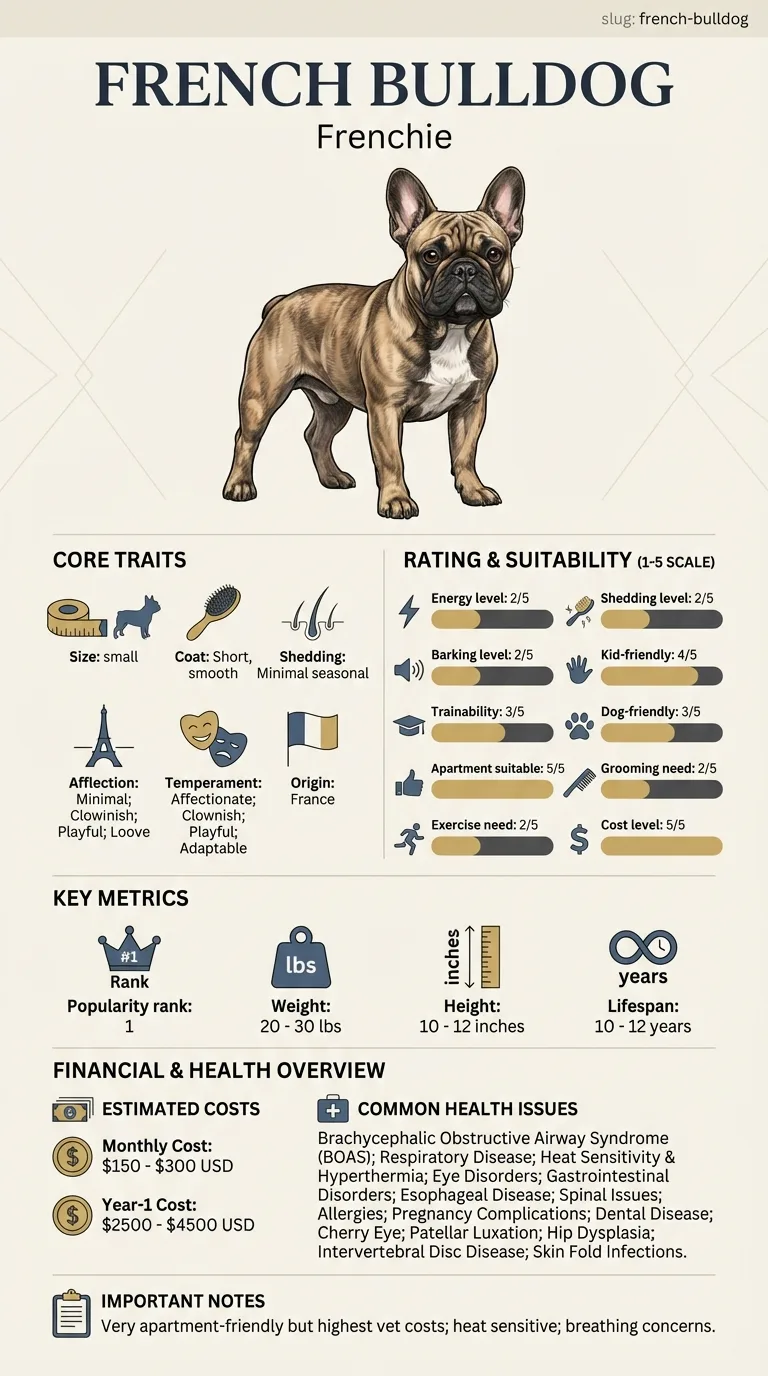
This is visible from puppyhood, which means owners often notice it early — a nose that looks pinched shut at the tip, or nostrils that seem to collapse further inward with each breath during exertion.
This guide is not medical advice. If your dog shows pain, sudden behavior change, or worsening symptoms, consult a licensed veterinarian.
Some links may be affiliate links. We may earn a commission at no extra cost to you. We only suggest products we believe are helpful for dog owners.
We research and check what we publish, but we do not warrant that any figure, date, price, or statement is accurate, complete, or current, and we accept no liability for any loss, cost, injury, or other harm arising from the use of this site. Use it as one reference among several. You remain responsible for your own decisions and for your dog's care - confirm anything that matters with a licensed veterinarian or another qualified professional before you act on it. Full disclaimer.
Stenotic nares refers to abnormally narrow, pinched nostril openings that restrict nasal airflow, one of the core structural components of brachycephalic obstructive airway syndrome. Present from birth and visible even in young puppies, severity ranges from mild cosmetic narrowing with little functional impact to severe cases where the nostrils nearly collapse shut during inhalation.
Stenotic nares are extremely common in French Bulldogs, visible in some degree in the large majority of the breed, making it one of the most frequently addressed components in brachycephalic airway surgery.
The same selective breeding for a flattened, shortened muzzle that defines the French Bulldog's look also compressed the nasal cartilage, often leaving the nostril openings too narrow relative to the airflow the dog actually needs. It's a direct structural consequence of the breed's facial conformation rather than something that develops from any external cause.
Heat, humidity, exertion, and excitement all increase how much air a dog needs to move, and each raises the practical impact of already-narrow nostrils, even though these factors don't change the underlying anatomical narrowing itself.
Bring up visibly narrow or collapsing nostrils at a routine visit for grading and a surgical opinion, and seek prompt care for open-mouth breathing at rest, significant exercise intolerance, or breathing distress in heat.
Because narrow nostrils are visually normalized in this breed, a few common assumptions can delay a fix that genuinely helps.
See all French Bulldog health problems, which breeds are prone to small nostrils stenotic nares, or the full French Bulldog breed guide for temperament, exercise needs and ownership costs.
This is a structural feature present from birth. If surgery is chosen, it's typically a same-day procedure with about two weeks of recovery before a full return to normal activity.
Success means noticeably easier nasal breathing and reduced noise and mouth-breathing after correction, or, in mild cases managed without surgery, a realistic understanding of the airway's limitations during heat and exertion.
Vets typically grade stenotic nares from mild to severe based on how much the nostril opening narrows, particularly during inhalation when negative pressure can pull already-narrow cartilage further inward. Severe cases can look almost completely closed at the tip of the nose during a deep breath.
Surgical correction (usually called alarplasty) involves removing a small wedge of tissue to widen the nostril opening permanently, a relatively quick and well-established procedure often performed alongside other airway corrections like soft palate shortening when a dog needs both.
Because the procedure is comparatively simple and effective compared to some of the breed's other airway challenges, many veterinary surgeons who see brachycephalic breeds regularly recommend correcting even moderate narrowing proactively rather than waiting for a crisis, particularly if surgery for another reason is already planned.
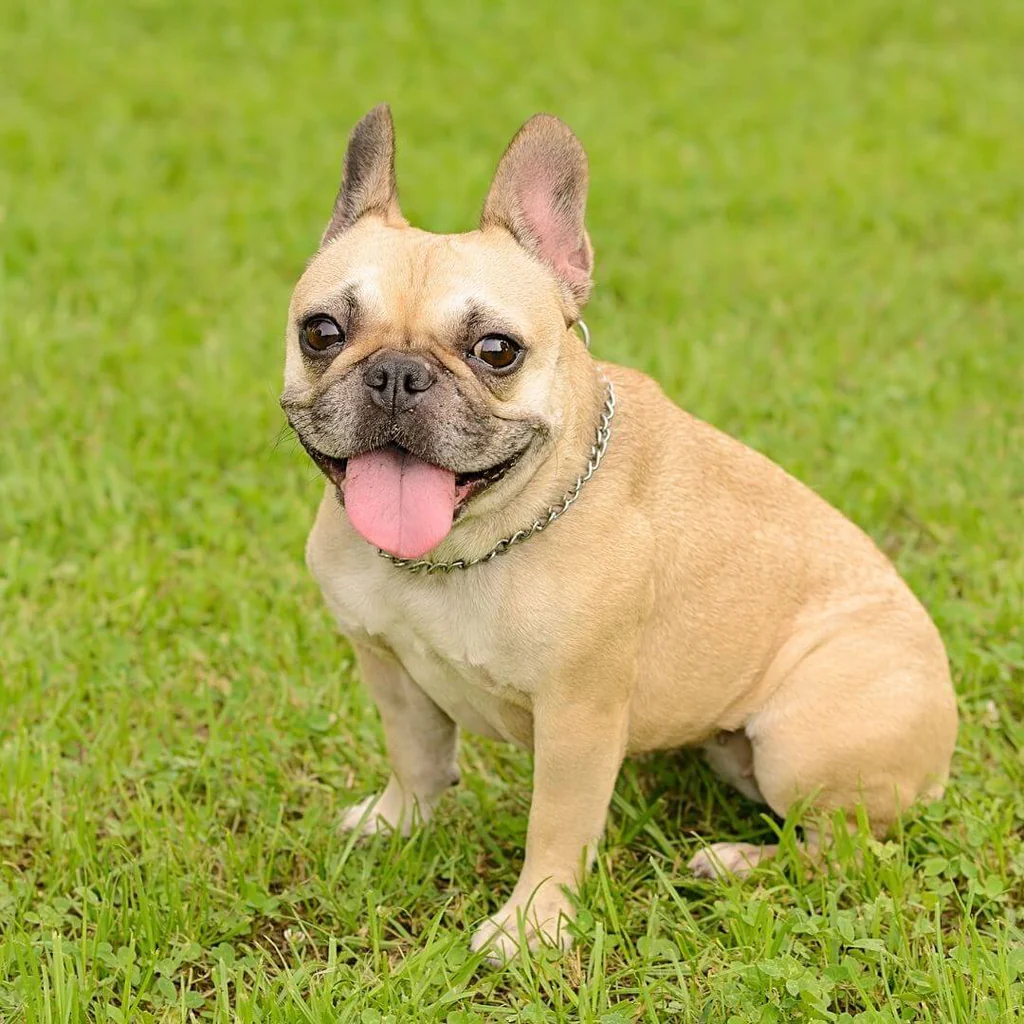
If you think your Frenchie has small nostrils (stenotic nares), the plan is three steps: write down what you have seen and when it started, book a veterinary appointment rather than waiting for the next flare, and take video of the behaviour or symptom before you go — the thing you are worried about rarely happens in the consulting room. Screening in the parents covers brachycephalic obstructive airway syndrome (boas), respiratory disease, heat sensitivity & hyperthermia.
What the vet visit should produce is a diagnosis and a written plan, not just reassurance: what is being ruled out, what the monitoring interval is, and which signs mean you come back sooner. Ask what the treatment costs across a year rather than per visit, because that is the number that decides whether you are managing this condition or reacting to it.
Between appointments, keep a short log — dates, what you saw, what changed. It is the single most useful thing an owner brings to a follow-up, and for small nostrils (stenotic nares) it is often what separates a clear pattern from a guess.
Nino's owner had always noticed his nostrils looked unusually pinched, almost slit-like, especially when he was excited or breathing hard after play. A vet visit confirmed moderate to severe stenotic nares, visibly collapsing further during deep breaths. Given Nino's age and overall airway assessment, his vet recommended alarplasty, performed at the same time as his neuter to minimize anesthesia exposure. Two weeks after surgery, Nino's nostrils looked visibly more open, and his family noticed considerably less mouth-breathing during and after play.
Key takeaway: Combining a proactive nostril correction with an already-planned anesthesia event meant one recovery period instead of two, and a clear, visible improvement in how easily Nino breathes.
Abnormally narrow, pinched nostril openings that restrict airflow through the nose, one of the core anatomical features contributing to brachycephalic breathing difficulty.
Visually pinched or slit-like nostrils, visible inward collapse during inhalation, frequent open-mouth breathing at rest, and noisy breathing are all signs worth having evaluated by a vet.
Not necessarily — mild cases with minimal impact on breathing may not need correction, but moderate to severe narrowing is commonly recommended for surgical widening, especially when combined with other airway issues.
A procedure called alarplasty removes a small wedge of tissue from each nostril to permanently widen the opening, often performed alongside other airway corrections in the same anesthetic event.
It's often bundled with other airway procedures, but done alone it commonly runs from about $800 to $2,000.
It can often be performed as early as six months old, and some vets recommend doing it proactively at the time of spay or neuter if narrowing is significant.
It helps significantly with nasal airflow specifically, but a dog may have other contributing airway issues, like an elongated soft palate, that need separate attention for the fullest improvement.
Abnormally narrow, pinched nostril openings that restrict airflow, common in brachycephalic breeds.
Surgical widening called alarplasty, removing a small wedge of tissue from each nostril.
Roughly $800–$2,000 alone, often less when combined with other airway procedures.
Often as early as six months, sometimes timed with a spay or neuter procedure.
It helps nasal airflow specifically, but other airway structures may still need separate attention.
A one-page prep sheet for this condition: the signs, the questions to ask, what to get priced. Unlocks here.
You get: Vet visit prep sheet
No spam. One-click unsubscribe. See our privacy policy.
Preview page 1 before you decide.