Health
Why are French Bulldogs prone to fold infections?
Deep facial folds and the tail pocket trap moisture and debris, creating conditions for bacterial and yeast growth.

Quick answer
Why are French Bulldogs prone to fold infections?
Deep facial folds and the tail pocket trap moisture and debris, creating conditions for bacterial and yeast growth.
A sour, unpleasant smell coming specifically from the nose folds or tail area, even when the rest of the dog seems clean, is a strong sign these particular pockets need more attention.

Every French Bulldog owner deals with some version of this, but it's especially relevant for dogs with deeper folds or a tightly curled 'screw' tail, where the pocket underneath is harder to see and easy to neglect.
This guide is not medical advice. If your dog shows pain, sudden behavior change, or worsening symptoms, consult a licensed veterinarian.
Some links may be affiliate links. We may earn a commission at no extra cost to you. We only suggest products we believe are helpful for dog owners.
We research and check what we publish, but we do not warrant that any figure, date, price, or statement is accurate, complete, or current, and we accept no liability for any loss, cost, injury, or other harm arising from the use of this site. Use it as one reference among several. You remain responsible for your own decisions and for your dog's care - confirm anything that matters with a licensed veterinarian or another qualified professional before you act on it. Full disclaimer.
Skin fold infections, also called fold pyoderma, develop when bacteria or yeast overgrow within the warm, moist environment created by French Bulldogs' facial folds and tail pocket. This is a direct structural consequence of the breed's characteristic wrinkled face and screw tail, making consistent preventive cleaning a routine, ongoing part of care rather than a response to an occasional problem.
Skin fold infections are extremely common in French Bulldogs, given how universal the breed's facial fold and screw-tail anatomy is, making this one of the most consistently relevant daily care topics across the breed as a whole.
The breed's deep facial folds and curled tail create warm, dark, poorly ventilated pockets of skin that retain moisture, debris, and natural skin oils far more than flat, exposed skin would, providing exactly the conditions bacteria and yeast need to multiply and cause infection.
Humidity, how often and thoroughly folds are cleaned, and how well they're dried after any water exposure (bathing, swimming, rain) all directly determine how much practical infection risk this underlying anatomical vulnerability actually translates into.
See a vet if redness, odor, or discharge doesn't improve within a few days of consistent at-home cleaning, or if the area appears painful, since a vet-prescribed medicated treatment is often needed for an established infection.
Because these pockets aren't always visible day to day, a few common gaps in routine let bacteria and yeast get a foothold.
See all French Bulldog health problems, which breeds are prone to skin infections, or the full French Bulldog breed guide for temperament, exercise needs and ownership costs.
Prevention through daily cleaning is an ongoing, lifelong routine rather than a temporary fix. An active infection, once treated with vet-recommended medication, typically improves within one to two weeks.
Success means a consistent daily or near-daily cleaning habit that keeps these vulnerable areas dry and infection-free, rather than expecting the underlying anatomical tendency toward moisture retention to change.
The single most effective prevention is a genuinely simple routine: gently clean the nose folds, any facial wrinkles, and the tail pocket with a damp, soft cloth or a vet-approved wipe, then dry the area completely before letting the dog go about its day. Doing this daily, or at minimum several times a week, prevents moisture from accumulating long enough for bacteria and yeast to establish.
For dogs with deeper folds or a history of recurrent infection, a mild antiseptic or drying wipe recommended by a vet can add an extra layer of protection beyond plain water, particularly during humid weather when moisture naturally lingers longer.
The drying step is arguably as important as the cleaning itself — a fold that's been wiped but left damp can actually become worse than one that wasn't touched at all, since the cleaning process alone doesn't eliminate the moisture, only the surface debris.
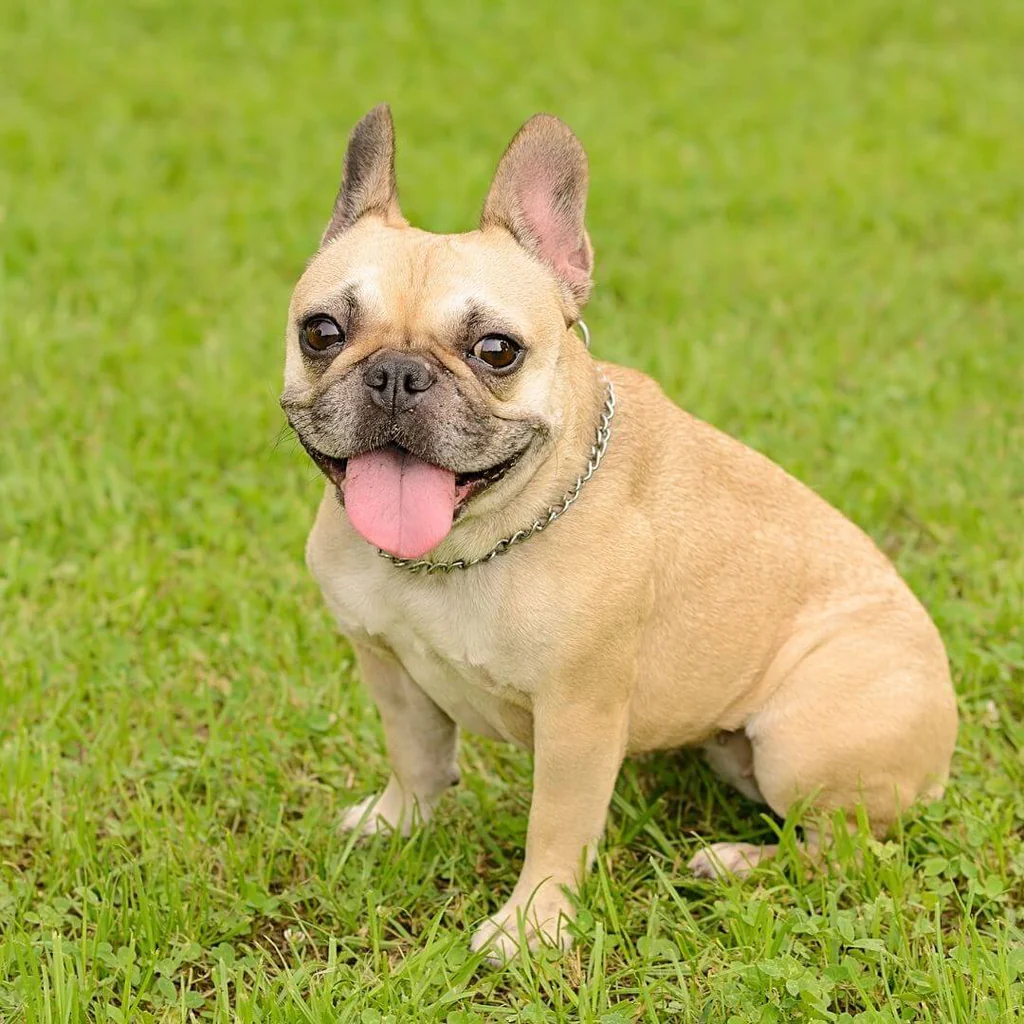
If you think your Frenchie has skin infections, the plan is three steps: write down what you have seen and when it started, book a veterinary appointment rather than waiting for the next flare, and take video of the behaviour or symptom before you go — the thing you are worried about rarely happens in the consulting room. Screening in the parents covers brachycephalic obstructive airway syndrome (boas), respiratory disease, heat sensitivity & hyperthermia.
What the vet visit should produce is a diagnosis and a written plan, not just reassurance: what is being ruled out, what the monitoring interval is, and which signs mean you come back sooner. Ask what the treatment costs across a year rather than per visit, because that is the number that decides whether you are managing this condition or reacting to it.
Between appointments, keep a short log — dates, what you saw, what changed. It is the single most useful thing an owner brings to a follow-up, and for skin infections it is often what separates a clear pattern from a guess.
Winston, a two-year-old Frenchie with a tightly curled tail, had a recurring odor his family couldn't place until a vet check revealed an established infection in his tail pocket, an area they'd genuinely never thought to check since it wasn't visible without lifting his tail. After treating the active infection with a prescribed ointment, Winston's family added a daily thirty-second tail-pocket check and clean to his evening routine, done at the same time as his facial fold cleaning. He hasn't had a recurrence since making that a consistent habit.
Key takeaway: An infection in a spot nobody thought to check became a simple daily habit once Winston's family knew where to actually look.
The deep facial folds and tail pocket trap moisture, debris, and skin oils, creating a warm, damp environment where bacteria and yeast can multiply, a direct consequence of the breed's characteristic wrinkled and screw-tailed anatomy.
Daily cleaning is ideal for prevention, or at minimum several times a week, with more frequent attention needed during humid weather or for a dog with a history of recurrent infections.
Redness, an unpleasant odor, discharge, and sometimes visible irritation or hair loss around the affected fold are common signs, with the nose folds and tail pocket being the most frequently affected areas.
A soft, damp cloth or a vet-approved wipe designed for this purpose works well for routine cleaning; harsh, alcohol-based, or heavily scented products can irritate the already-sensitive fold skin.
Consistent daily or near-daily cleaning and thorough drying prevent the large majority of fold infections, though the underlying anatomical tendency means ongoing routine care remains necessary rather than a one-time fix.
If cleaning and drying at home aren't resolving redness, odor, or discharge within a few days, or if the area appears painful or is worsening, a vet-prescribed medicated treatment is likely needed.
Yes, particularly in dogs with a tightly curled screw tail, since this less visible area is just as prone to trapping moisture and developing infection as the more commonly discussed facial folds.
Deep facial folds and the tail pocket trap moisture and debris, creating conditions for bacterial and yeast growth.
Daily is ideal, or at minimum several times a week, more often in humid weather.
An unpleasant odor, redness, or discharge from the nose folds or tail pocket.
A soft, damp cloth or vet-approved wipe, avoiding harsh or scented products.
Yes, leftover moisture can worsen the problem more than skipping cleaning altogether.
A one-page prep sheet for this condition: the signs, the questions to ask, what to get priced. Unlocks here.
You get: Vet visit prep sheet
No spam. One-click unsubscribe. See our privacy policy.
Preview page 1 before you decide.
