Health
What does the POMC mutation do?
Weakens the brain's satiety signal, making an affected dog feel hungrier than its actual caloric needs.

Quick answer
What does the POMC mutation do?
Weakens the brain's satiety signal, making an affected dog feel hungrier than its actual caloric needs.
A dog carrying this mutation isn't being stubborn or food-obsessed by choice — its brain may genuinely be receiving a weaker 'I'm full' signal than a dog without the variant.
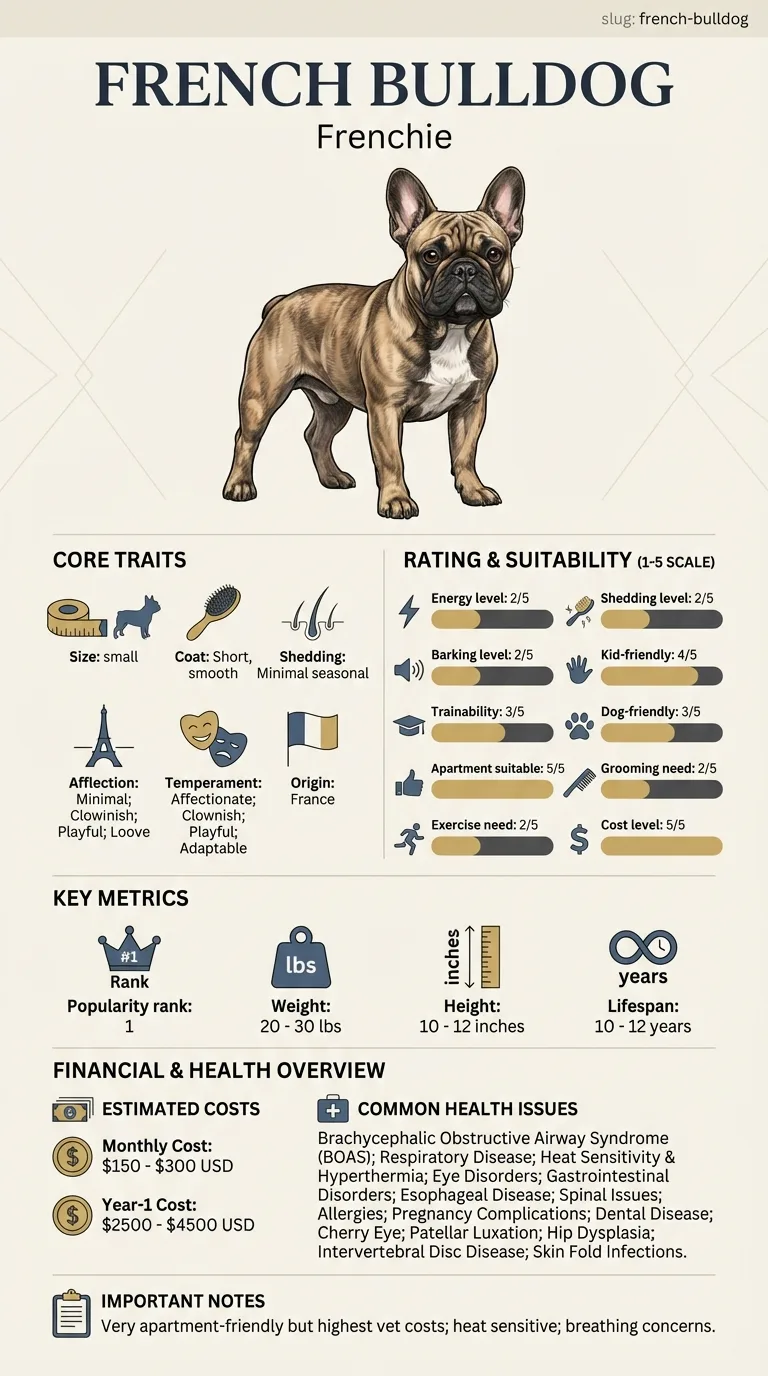
Owners who've tried every portion-control trick in the book and still watch their Frenchie beg relentlessly and gain weight easily are the ones this explains best, especially those who've felt like they were somehow doing something wrong despite careful feeding.
This guide is not medical advice. If your dog shows pain, sudden behavior change, or worsening symptoms, consult a licensed veterinarian.
Some links may be affiliate links. We may earn a commission at no extra cost to you. We only suggest products we believe are helpful for dog owners.
We research and check what we publish, but we do not warrant that any figure, date, price, or statement is accurate, complete, or current, and we accept no liability for any loss, cost, injury, or other harm arising from the use of this site. Use it as one reference among several. You remain responsible for your own decisions and for your dog's care - confirm anything that matters with a licensed veterinarian or another qualified professional before you act on it. Full disclaimer.
A specific mutation affecting the POMC gene, which regulates appetite and satiety signaling in the brain, has been linked to increased hunger drive and obesity risk in dogs, first well documented in Labrador Retrievers and discussed in other obesity-prone breeds including French Bulldogs. Dogs carrying this variant may genuinely feel hungrier than their actual caloric needs would suggest, making structured feeding and portion control especially important.
The specific POMC mutation's documented prevalence is best established in Labrador Retrievers, with obesity-prone breeds including French Bulldogs discussed in relation to similar appetite-regulation genetics, though breed-specific prevalence data for this exact variant in French Bulldogs is less extensively documented than in Labradors.
A genetic variant affecting the POMC gene's role in appetite regulation is believed to contribute to increased hunger drive in some French Bulldogs, compounding the breed's already elevated obesity risk from low exercise tolerance tied to airway limitations.
Feeding structure has an outsized effect on how much this genetic predisposition actually translates into excess weight: free-feeding, frequent treats, and unmeasured portions allow the stronger hunger drive to directly translate into overeating, while strict portion control and scheduled meals can effectively counter it despite the underlying genetics.
Discuss genetic testing and a structured weight management plan with your vet if your dog shows persistent, intense begging behavior despite what seems like adequate feeding, or if weight creeps up despite your best portion-control efforts.
Because the underlying cause is invisible, several natural but mistaken assumptions can make weight management harder than it needs to be.
See all French Bulldog health problems, which breeds are prone to genetic predisposition to obesity, or the full French Bulldog breed guide for temperament, exercise needs and ownership costs.
This genetic predisposition is lifelong and doesn't change, meaning consistent portion control and feeding structure need to be maintained indefinitely rather than treated as a temporary fix.
Success means a stable, healthy weight maintained through consistent structure despite a stronger underlying hunger drive — not a dog that stops wanting food, but an owner who reliably manages how much it actually gets.
The POMC gene is involved in producing signaling molecules that tell the brain when the body has had enough food. In dogs carrying a specific mutation affecting this gene, that satiety signal is weaker, meaning the brain continues registering hunger even after the dog has eaten a caloric amount appropriate for its size.
This mutation was first well documented in Labrador Retrievers, where it's linked to a measurably higher risk of obesity independent of exercise and feeding habits, and similar or related appetite-regulation genetics have been discussed in other breeds prone to obesity, including French Bulldogs, though the specific documented evidence varies by breed.
Practically, this means portion control and structured feeding matter even more for an affected dog than the general advice given to any dog owner, since the internal hunger cue this mutation affects can't be fully trusted as an accurate guide to how much food the dog actually needs.
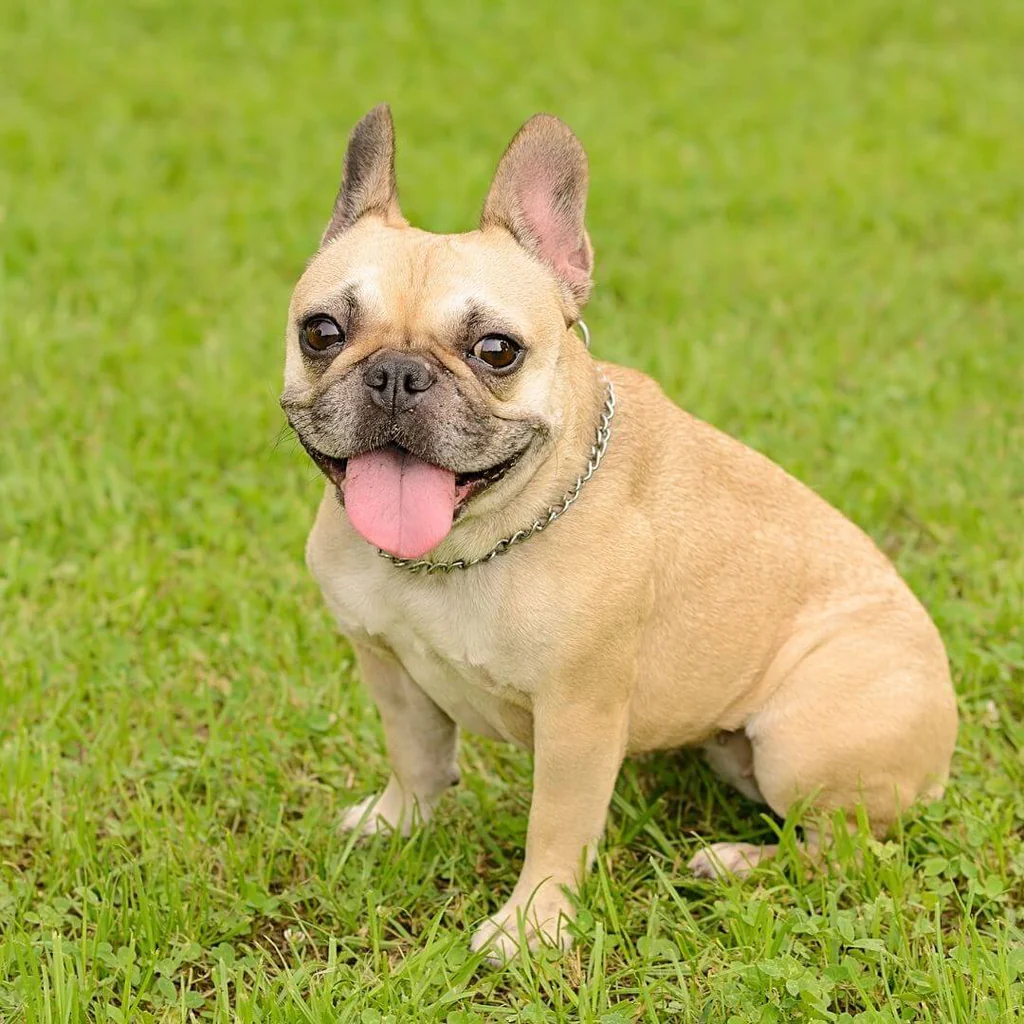
Moose's family had tried everything to curb his relentless begging and steady weight gain, feeling increasingly like they were failing at something that seemed to come easily for other dog owners. A genetic test, done partly out of curiosity, came back positive for an appetite-related gene variant. Knowing the drive was biological rather than a training failure changed how Moose's family approached mealtimes: strict scheduled feeding, a kitchen scale for portions, and a switch to play-based rewards during training. Moose still begs as intensely as ever, but his weight has stabilized at a healthy level for the first time in years.
Key takeaway: Knowing the appetite drive was genetic didn't make it disappear, but it gave Moose's family permission to stop blaming themselves and instead build a feeding structure strict enough to actually work against it.
A genetic variant affecting appetite-regulating signals in the brain, causing dogs that carry it to feel hungrier than their actual caloric needs would suggest, first well documented in Labrador Retrievers and discussed in other obesity-prone breeds.
Genetic tests for appetite-related variants are available through some commercial dog DNA testing services, though breed-specific documentation and testing availability can vary.
It increases hunger drive and risk, but consistent portion control and structured feeding can still effectively manage weight even in a dog carrying the variant.
No, the hunger signal itself is genuinely stronger due to the mutation; it's a real biological drive, just one that doesn't accurately reflect true caloric need.
Strict portion measuring, scheduled meals rather than free-feeding, and using non-food rewards for training or attention can all help manage weight despite a stronger hunger drive.
Yes, regular appropriate exercise (within the breed's airway and heat limitations) helps offset calorie intake, though it works best combined with strict portion control rather than as a substitute for it.
No, low exercise tolerance from airway limitations and simple overfeeding are also major contributors; the genetic mutation is one specific factor that can compound these other risks in some dogs.
Weakens the brain's satiety signal, making an affected dog feel hungrier than its actual caloric needs.
Yes, through some commercial genetic testing services, though documentation varies by breed.
No, consistent portion control and structured feeding can still manage weight effectively.
Yes, the hunger drive is real, even though it doesn't reflect actual caloric need.
Yes, mixing in non-food rewards helps avoid compounding calorie intake in a predisposed dog.
A one-page prep sheet for this condition: the signs, the questions to ask, what to get priced. Unlocks here.
You get: Vet visit prep sheet
No spam. One-click unsubscribe. See our privacy policy.
Preview page 1 before you decide.
