DogBreedCompass
← Back to breed profile

French Bulldog Anesthesia Sensitivity: What You Need to Know

French Bulldog anesthesia sensitivity can pose serious risks during medical procedures, making it crucial for owners to understand this issue.

Owners of French Bulldogs, particularly first-time pet parents, may struggle with managing their dog's anesthesia sensitivity. This issue can be especially worrying for those planning surgery or other medical interventions, as they want to ensure the safest experience for their beloved pets.

Important reminder

This guide is not medical advice. If your dog shows pain, sudden behavior change, or worsening symptoms, consult a licensed veterinarian.

Some links may be affiliate links. We may earn a commission at no extra cost to you. We only suggest products we believe are helpful for dog owners.

What this problem looks like

French Bulldog anesthesia sensitivity is a condition where these dogs may react poorly to anesthetic drugs, posing risks during surgeries or procedures. This sensitivity can manifest as prolonged recovery times, excessive drowsiness, or in rare cases, severe complications. Owners might notice their Frenchie struggling to wake up after a routine procedure or exhibiting unusual behavior in the days following anesthesia. Understanding this issue is crucial for French Bulldog owners, especially those planning surgeries or dental work.

Common triggers

  • Underlying health issues, such as respiratory or heart problems
  • Obesity, which can complicate anesthesia effects
  • Age-related factors, as older dogs may metabolize drugs differently
  • Stressful situations, like vet visits, that heighten anxiety

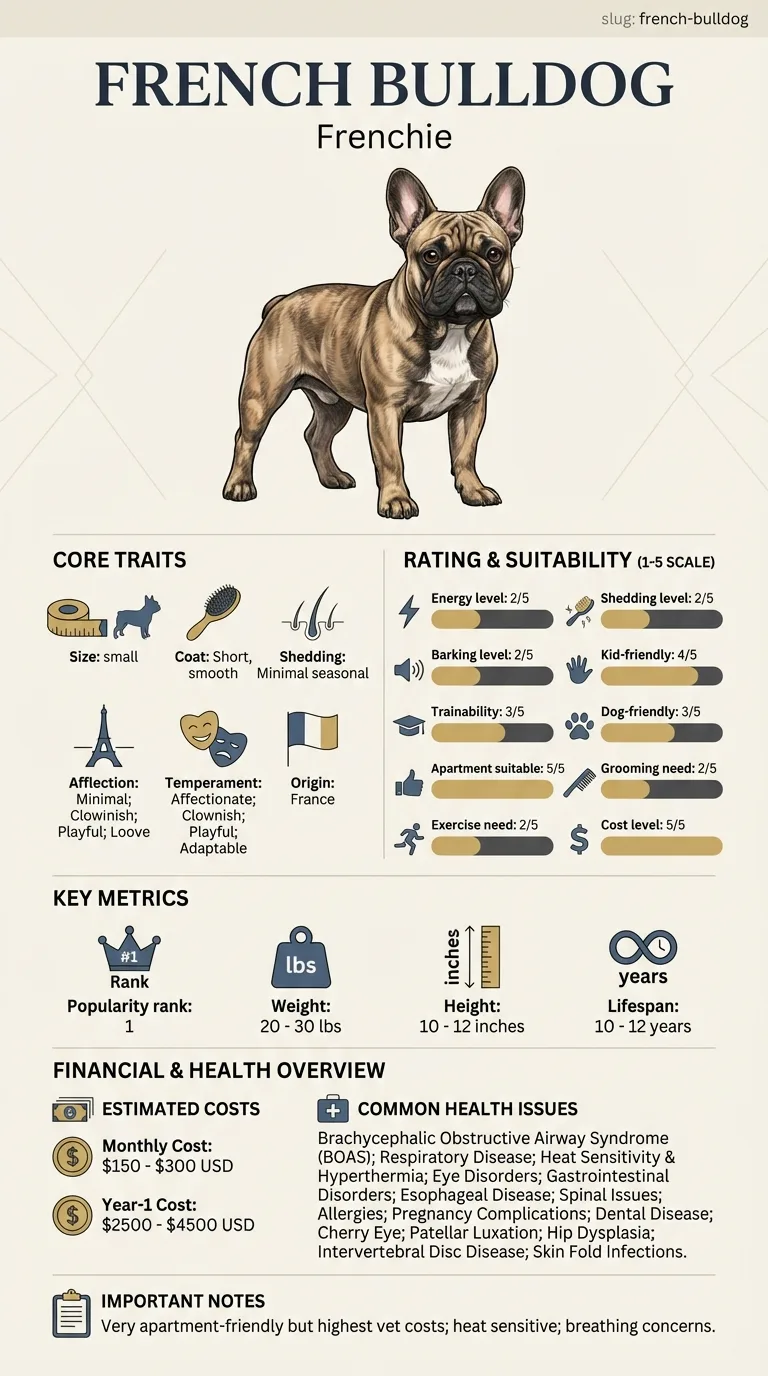
Anesthesia sensitivity is relatively common in French Bulldogs due to their brachycephalic (short-nosed) structure, which can affect their breathing. Many Frenchies experience some form of sensitivity, making it essential for owners to discuss any concerns with their vet before procedures.

Why this happens

Breed factors

French Bulldogs are brachycephalic dogs, meaning they have short noses and flat faces. This anatomy can lead to airway issues that make them more sensitive to anesthesia. Their unique respiratory structure can complicate how they process anesthetic drugs, increasing the risk during medical procedures.

Environment factors

Environmental factors can play a role too. Stressful situations, such as unfamiliar environments or loud noises, can heighten their anxiety, making them more sensitive to anesthesia. Additionally, factors like obesity can exacerbate their breathing issues, making anesthesia riskier.

What you can try

At-home strategies

  • Create a calm environment for your Frenchie, especially before vet visits. Reduce noise and ensure they have a comfortable space to relax.
  • Practice desensitization techniques by introducing your dog to the vet's office in a non-threatening way. Short, positive visits can help reduce anxiety.
  • Regularly monitor your dog's weight and overall health to mitigate any issues that could increase anesthesia sensitivity.

When to consider a trainer

If your French Bulldog shows extreme anxiety or fear before vet visits, consider consulting a professional dog trainer. They can provide tailored strategies to help your dog feel more comfortable and secure.

When to talk to your vet

Always consult your vet if you notice any unusual behavior or health changes in your Frenchie. If your dog has a history of anesthesia sensitivity, inform your vet ahead of any procedures so they can take necessary precautions.

Realistic expectations

You may start to see improvements within a few weeks to a few months of consistent training and monitoring. Managing anesthesia sensitivity is an ongoing process that may require adjustments over time.

Success means your French Bulldog can undergo necessary procedures with minimal anxiety and risk. They should feel calmer during vet visits and recover more smoothly from anesthesia.

A Journey with Bella: Overcoming Anesthesia Sensitivity

Maria, a busy nurse in San Francisco, adopted Bella, a playful French Bulldog. Shortly after bringing her home, Maria noticed Bella seemed unusually anxious, especially during vet visits. When Bella had to undergo a routine dental cleaning, the vet warned Maria about her potential anesthesia sensitivity, which made Maria nervous. After the procedure, Bella took longer to wake up, and Maria felt overwhelmed. Determined to help Bella, Maria researched how to stop French Bulldog anesthesia sensitivity and started a training regimen focused on desensitization. She gradually exposed Bella to the vet's office, using treats and positive reinforcement to create a more positive association. Over time, Bella became more comfortable in that environment. By the time Bella needed a follow-up procedure, she was calmer, and the vet noted a significant improvement in her response to anesthesia.

Key takeaway: With time, patience, and training, managing anesthesia sensitivity in French Bulldogs like Bella is possible, helping them feel more secure and safe during necessary medical procedures.

Frequently asked questions

Why does my French Bulldog have anesthesia sensitivity?

French Bulldogs are prone to anesthesia sensitivity due to their unique brachycephalic (short-nosed) structure. This can lead to airway obstruction and breathing difficulties under anesthesia. Always consult your veterinarian about your Frenchie's specific risks before any procedure. This answer relates to French Bulldog anesthesia sensitivity.

How can I tell if my French Bulldog is sensitive to anesthesia?

Signs of anesthesia sensitivity may include prolonged recovery times, excessive grogginess, or breathing issues after surgery. If your Frenchie exhibits these symptoms, contact your vet immediately for guidance.

What precautions should I take for my French Bulldog during surgery?

Before surgery, discuss your dog's medical history, including any previous reactions to anesthesia, with your veterinarian. They may recommend specialized monitoring or sedation protocols to ensure safety.

Can anesthesia sensitivity in French Bulldogs be trained or managed?

While you can't change your dog's anatomy, you can manage anesthesia sensitivity by ensuring your vet is aware of this issue and follows best practices for brachycephalic breeds. Training your dog to stay calm can also help reduce stress during vet visits.

What types of anesthesia are safer for French Bulldogs?

Some anesthetic drugs are considered safer for brachycephalic breeds. Discuss alternatives with your veterinarian, who can tailor a plan based on your Frenchie's health and medical history.

Is there a specific age when anesthesia sensitivity becomes a concern?

Sensitivity to anesthesia can become more pronounced as your French Bulldog ages due to declining health or the development of respiratory issues. Regular vet check-ups are crucial for monitoring their condition.

How can I support my French Bulldog after anesthesia?

After anesthesia, provide a quiet, comfortable space for recovery. Monitor their breathing and behavior closely, and contact your vet if you notice any concerning symptoms, such as extreme lethargy or difficulty breathing.

What are the signs of anesthesia sensitivity in my French Bulldog?

Signs of anesthesia sensitivity in a French Bulldog can include excessive drooling, difficulty breathing, or prolonged recovery times after anesthesia. If your Frenchie shows any unusual behavior or distress after a procedure, it's essential to contact your vet.

Is anesthesia sensitivity in French Bulldogs hereditary?

Yes, anesthesia sensitivity can be hereditary, especially in breeds like French Bulldogs that have brachycephalic features. If you have concerns about your dog's lineage, discussing this with your vet may provide insights on potential risks.

How can I prepare my French Bulldog for surgery if they have anesthesia sensitivity?

Preparing your French Bulldog for surgery involves thorough communication with your veterinarian about their anesthesia sensitivity. Ensure they are aware of your dog's history and discuss alternative anesthetic options or additional precautions that may be necessary.

Can older French Bulldogs develop anesthesia sensitivity?

Older French Bulldogs can develop anesthesia sensitivity, often due to age-related changes in health. If your senior Frenchie requires surgery, make sure they undergo a complete health assessment to tailor the anesthesia plan to their needs.

What should I do if my French Bulldog has a bad reaction to anesthesia?

If your French Bulldog has a bad reaction to anesthesia, contact your veterinarian immediately. Symptoms like severe lethargy, vomiting, or difficulty breathing should be addressed right away to ensure your dog's safety and well-being.

Quick answers

View more answers
Training

What are quick tips for managing French Bulldog anesthesia sensitivity?

Always inform your vet about your Frenchie's sensitivity, consider pre-anesthetic testing, and discuss safer anesthetic options. Ensure thorough monitoring during and after procedures.

Living

How can I reduce my French Bulldog's anxiety before surgery?

Create a calm environment by using familiar toys and blankets, and consider using calming aids recommended by your vet, like pheromone sprays or anxiety wraps.

Costs

What should I expect in terms of costs for anesthesia in French Bulldogs?

Expect higher veterinary costs for French Bulldogs due to their anesthesia sensitivity, which may include additional monitoring and specialized care during procedures.

Related DogBreedCompass guides

  • French Bulldog separation anxiety guideLearn more about managing anxiety in French Bulldogs.
  • French Bulldog behavior problemsUnderstand common behavior problems in this breed.
  • French Bulldog cost breakdownExplore the costs associated with owning a French Bulldog.
  • French Bulldog anxiety solutionsFind out how to help your French Bulldog cope with anxiety.
  • French Bulldog health concernsRead up on the health issues common in French Bulldogs.

Related guides

Take Behavior Assessment

Understand why your dog acts this way.

Take a quick dog behavior quiz to spot red flags in training, anxiety and everyday habits before they snowball into bigger problems.

Take quiz