Health
Is a squinting eye an emergency?
Treat it as one. Squinting means pain, and painful eye conditions can cost sight within a day if untreated.

Quick answer
Is a squinting eye an emergency?
Treat it as one. Squinting means pain, and painful eye conditions can cost sight within a day if untreated.
An eye that is squinting, watering and reddened is not a wait-until-Monday problem. Painful eyes lose sight quickly, and the window for saving vision is measured in hours in some conditions.
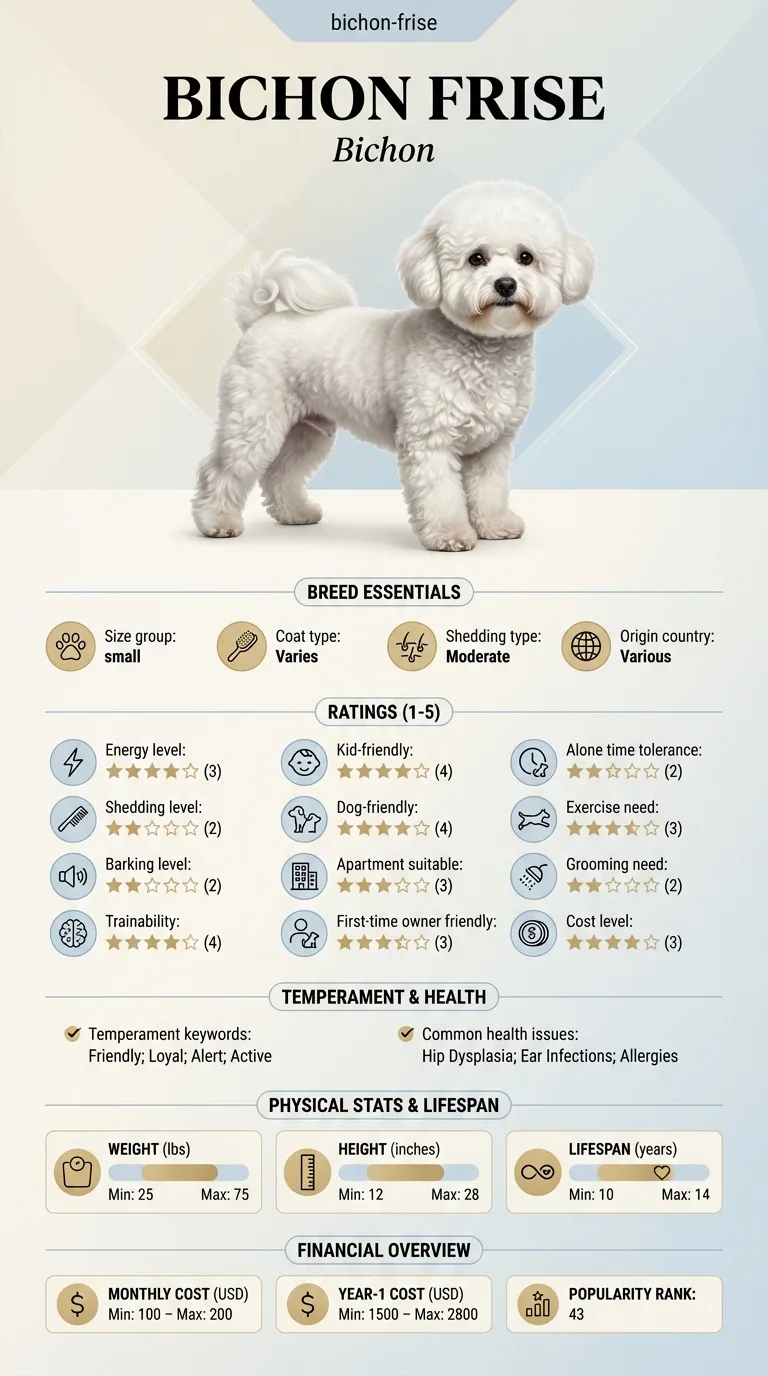
Owners who have noticed cloudiness in an older Bichon's eyes, and owners dealing with the reddish tear staining that runs down the face of so many white dogs and wondering whether it signals anything medical.
This guide is not medical advice. If your dog shows pain, sudden behavior change, or worsening symptoms, consult a licensed veterinarian.
Some links may be affiliate links. We may earn a commission at no extra cost to you. We only suggest products we believe are helpful for dog owners.
We research and check what we publish, but we do not warrant that any figure, date, price, or statement is accurate, complete, or current, and we accept no liability for any loss, cost, injury, or other harm arising from the use of this site. Use it as one reference among several. You remain responsible for your own decisions and for your dog's care - confirm anything that matters with a licensed veterinarian or another qualified professional before you act on it. Full disclaimer.
Ocular disease covers everything from cosmetic tear staining to conditions that destroy sight within a day. For the Bichon Frise it is a documented area of concern through cataracts specifically, and a practical daily issue through tear overflow on a white coat. The skill worth developing is triage: recognising which appearances are urgent, which are worth an appointment, and which are simply the reality of owning a white-faced dog.
Eye problems are among the more frequent reasons small dogs are seen in practice, and cataracts specifically are recognised in the Bichon Frise. Tear staining is close to universal in white-coated breeds and is far more often cosmetic than medical. Genuine sight-threatening emergencies are much less common, which is exactly why owners hesitate over the ones that do occur.
Cataracts are documented among the Bichon's common health issues, making lens disease a real breed consideration rather than a borrowed one. The coat contributes indirectly: hair growing around the eyes of a heavily coated breed can contact the eye surface or wick tears onto the face, and a white coat makes every drop of tear overflow visible. The breed's 14 to 15 year lifespan also means many Bichons live well into the age band where age-related lens change is expected.
Grooming practice matters more here than in most breeds. Hair left long around the eyes irritates the surface and holds moisture against skin. Damp facial fur left unwiped creates a warm environment against the skin in a breed already prone to skin problems. Beyond grooming, dusty or windy environments, undergrowth on walks, and household chemical sprays are the routine sources of corneal irritation in small dogs.
Go the same day for a squinting or held-shut eye, obvious pain, sudden redness, a visible wound to the eye surface, a bulging eye, or any sudden change in vision. A cloudy blue appearance across the whole surface with pain can indicate dangerously raised pressure inside the eye, which destroys sight rapidly and is a true emergency. Book within a week for gradual cloudiness in a comfortable dog, new or one-sided tear staining, or a dog that has become hesitant in the dark. Do not put any medicated drop into a painful eye before it has been examined.
See all Bichon Frise health problems, which breeds are prone to ocular disease, or the full Bichon Frise breed guide for temperament, exercise needs and ownership costs.
Corneal injuries treated promptly often heal within one to two weeks. Cataracts develop over months to years, except where a metabolic cause makes them appear within weeks. Surgical recovery involves a few weeks of intensive drops and restricted activity. Tear staining improves within a fortnight of a shorter trim and a daily cleaning routine, though the existing stain grows out rather than washing away.
Comfortable eyes, a dog that navigates confidently in unfamiliar places, no squinting or pawing, and a face that stays dry between cleans. For a dog whose sight is failing, success is a household it can move around without hesitation.
Eye appearance divides into rough categories that carry very different urgencies. Use this to decide how fast to act, not to make a diagnosis.
Almost every Bichon owner deals with tear staining at some point. The reddish-brown tracks below the inner corner of each eye are caused by compounds in tears that oxidise on contact with air and light, and they show up dramatically on a white coat where they would be invisible on a dark one.
The important distinction is between a dog producing normal tears that are not draining away and a dog producing excess tears because something is irritating the eye. The first is a plumbing issue, often related to the shape of the tear duct or the eyelid. The second is a symptom.
What should prompt an appointment is change. Staining that has been there since puppyhood and looks the same is different from staining that appeared last month, is worse on one side, or comes with squinting. One-sided change in particular deserves attention, because a blocked duct, an inward-turning eyelash, or a scratch on the cornea all present that way.
Management of the cosmetic problem is mostly mechanical: keeping the hair around the eyes trimmed short so it does not wick tears onto the face, and wiping the area daily with plain water and a soft cloth. Resist products marketed to whiten the fur without checking with your vet first, since some have contained ingredients that are not appropriate for use near a dog's eyes.

If you think your Bichon has ocular disease, the plan is three steps: write down what you have seen and when it started, book a veterinary appointment rather than waiting for the next flare, and take video of the behaviour or symptom before you go — the thing you are worried about rarely happens in the consulting room. Screening in the parents covers skin allergies, patellar luxation, bladder stones.
What the vet visit should produce is a diagnosis and a written plan, not just reassurance: what is being ruled out, what the monitoring interval is, and which signs mean you come back sooner. Ask what the treatment costs across a year rather than per visit, because that is the number that decides whether you are managing this condition or reacting to it.
Between appointments, keep a short log — dates, what you saw, what changed. It is the single most useful thing an owner brings to a follow-up, and for ocular disease it is often what separates a clear pattern from a guess.
Bonnie had always had faint tear staining, and her owner Kate had long since stopped noticing it. What she did notice, one week, was that the left side was distinctly wetter than the right and the fur below it was sodden. Bonnie was not squinting and seemed entirely herself, so Kate booked a routine appointment rather than an urgent one. The vet found a single eyelash growing inward and touching the cornea, along with a small area of surface damage. It was resolved in one short procedure. Kate's reflection afterwards was that she had almost dismissed it, because the dog had never acted uncomfortable.
Key takeaway: Asymmetry is the signal. Staining that has always been there on both sides is background; a change on one side is information, even in a dog that seems perfectly happy.
Cataracts appear on the breed's documented list of common health issues alongside skin allergies, patellar luxation, bladder stones and dental disease. That makes eye health a genuine priority for this breed rather than a generic concern, and it is a good reason to ask a breeder about eye screening in the parents.
Watch behaviour in unfamiliar places and in low light. Dogs navigate a known house from memory, so vision loss often shows first as bumping into things on a new route, hesitating at kerbs, startling when approached, or reluctance to go out after dark.
Yes. Surgical removal with lens replacement is performed by veterinary ophthalmologists and can restore useful vision in suitable candidates. Not every dog is a candidate, and the assessment considers the retina's function as well as the lens, since a cataract can hide retinal disease behind it.
No. Many older dogs develop a normal age-related hardening of the lens that produces a bluish haze but leaves vision largely intact. It is very commonly mistaken for a cataract by owners. A vet distinguishes them easily, which is worth doing rather than assuming.
Not without veterinary advice. Some drops that seem harmless are actively dangerous if the cornea is ulcerated, and using them can delay a diagnosis. Rinsing with sterile saline is reasonable first aid for a suspected irritant; medicated products are not.
Yes, and it is a well-recognised association. Diabetic cataracts can develop rapidly, sometimes within weeks, in a dog whose eyes were previously clear. Sudden cataract formation is therefore a reason to check for underlying metabolic disease rather than treating it as purely an eye problem.
Treat it as one. Squinting means pain, and painful eye conditions can cost sight within a day if untreated.
Tears overflowing onto white fur and oxidising. Usually cosmetic, but sudden or one-sided change needs checking.
Specialist ophthalmic surgery with pre-operative testing runs into the thousands, and both eyes are often done together.
Keep furniture in place, use scent and voice cues, and light routes at night. Blind dogs navigate familiar homes remarkably well.
Trim the hair short, wipe daily with plain water on a soft cloth, and dry the area rather than leaving it damp.
A one-page prep sheet for this condition: the signs, the questions to ask, what to get priced. Unlocks here.
You get: Vet visit prep sheet
No spam. One-click unsubscribe. See our privacy policy.
Preview page 1 before you decide.
