Behavior
What quick tips can help with Yorkshire Terrier ocular disease?
Keep your dog's eyes clean and free of debris, and schedule regular vet check-ups to catch issues early.

Quick answer
What quick tips can help with Yorkshire Terrier ocular disease?
Keep your dog's eyes clean and free of debris, and schedule regular vet check-ups to catch issues early.
Yorkshire Terrier ocular disease is a serious concern for many owners. It can lead to vision problems and affect your dog's quality of life.
Owners of Yorkshire Terriers often find themselves worried about their dog's eye health. This is especially true for first-time pet parents or those living in areas with dry climates.
This guide is not medical advice. If your dog shows pain, sudden behavior change, or worsening symptoms, consult a licensed veterinarian.
Some links may be affiliate links. We may earn a commission at no extra cost to you. We only suggest products we believe are helpful for dog owners.
We research and check what we publish, but we do not warrant that any figure, date, price, or statement is accurate, complete, or current, and we accept no liability for any loss, cost, injury, or other harm arising from the use of this site. Use it as one reference among several. You remain responsible for your own decisions and for your dog's care - confirm anything that matters with a licensed veterinarian or another qualified professional before you act on it. Full disclaimer.
Check this first
Understanding when Yorkshire Terrier ocular disease requires immediate veterinary attention is crucial for your pup's health. There are clear red flags that signal an emergency, while some symptoms can be monitored over time. Knowing the difference can save your dog's vision and overall well-being.
Red-Flag Signs to Call Your Vet Immediately: - Sudden loss of vision or blindness (e.g., bumping into objects). - Severe redness, swelling, or discharge from the eyes. - Signs of pain, such as squinting, pawing at the eyes, or excessive tearing.
- Changes in pupil size (one pupil larger than the other). - Any eye injury or trauma, such as scratching or foreign objects.
If you observe any of these symptoms, it's vital to reach out to your veterinarian right away. Delaying treatment can lead to serious complications or irreversible damage.
Mild Cases to Monitor: In less severe cases, you may notice mild symptoms like watery eyes or slight redness. If your Yorkshire Terrier seems comfortable and continues to behave normally, you can monitor the situation. Create a plan to observe any changes and keep a diary of symptoms.
If symptoms persist beyond a few days or worsen, consult your vet.
Knowing when to act can make all the difference. If in doubt, it’s always safer to err on the side of caution and seek professional help.
If any of these apply, call your vet or an emergency clinic now. The rest of this page is for the cases that are not an emergency.
Yorkshire Terrier ocular disease can look like various vision-related issues, including cloudiness, redness, or excessive tearing. Owners might notice their Yorkies squinting or avoiding bright lights. These symptoms can occur due to a range of conditions, such as keratoconjunctivitis sicca and progressive retinal atrophy, which are common in this breed.
Ocular disease is quite common in Yorkshire Terriers, with studies showing they have a 467% higher risk compared to other breeds. Regular check-ups with a vet can help catch these issues early.
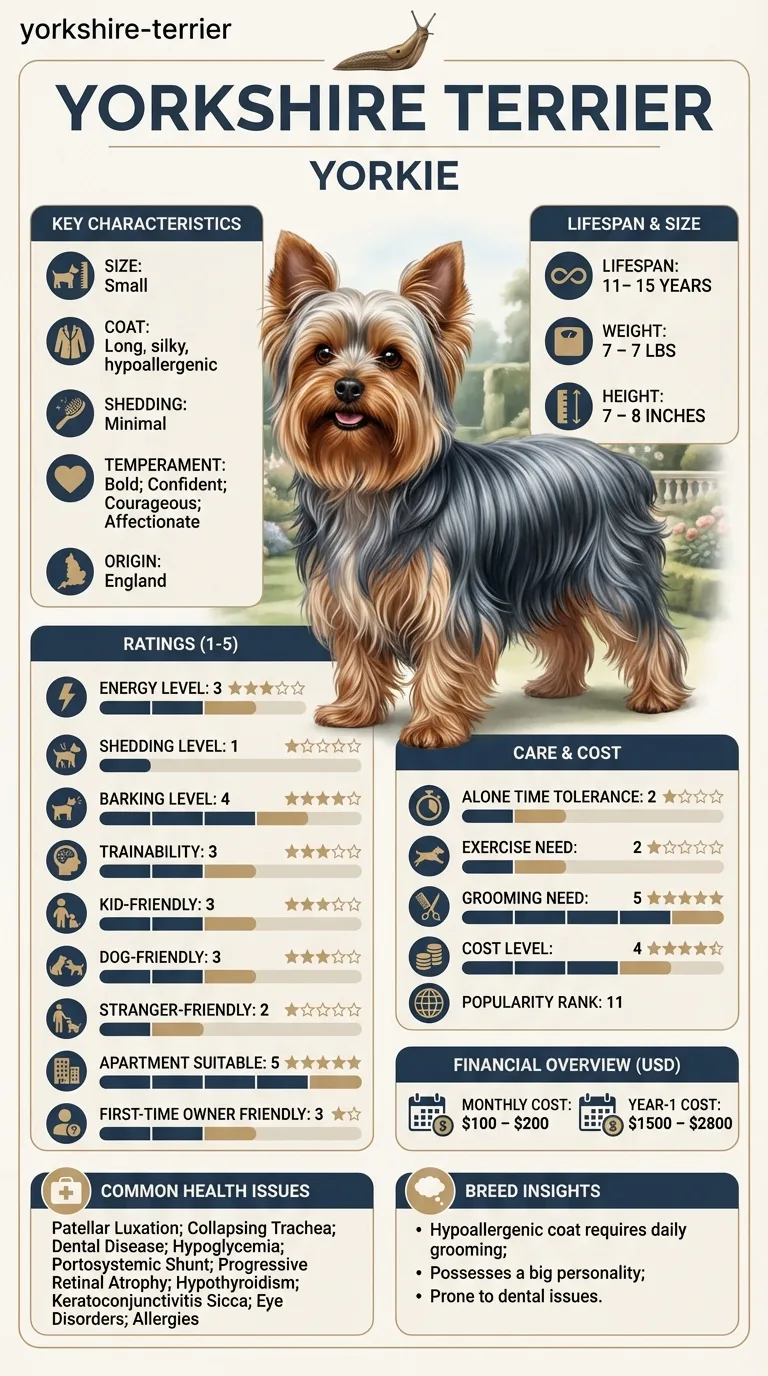
Yorkshire Terriers, or Yorkies, are prone to certain eye conditions due to their small size and unique facial structure. Their large, prominent eyes make them susceptible to injuries and diseases like progressive retinal atrophy and keratoconjunctivitis sicca. This breed's genetic predisposition increases the likelihood of ocular disease.
Environmental factors also play a role in ocular disease. Exposure to allergens, irritants, or harsh weather can aggravate existing eye conditions. Additionally, a lack of proper grooming can lead to dirt and debris accumulating around their eyes, increasing the risk of infections.
If you notice persistent symptoms like squinting, discharge, or changes in vision, it's crucial to talk to your vet. They can provide a proper diagnosis and recommend treatment options for your Yorkie's ocular disease.
Avoiding these common mistakes can help you manage your Yorkshire Terrier's ocular disease more effectively.
Start here: Yorkshire Terrier Most Common Genetic Disorders: Screening
See all Yorkshire Terrier health problems, which breeds are prone to ocular disease, or the full Yorkshire Terrier breed guide for temperament, exercise needs and ownership costs.
You can expect to see some improvement in your Yorkshire Terrier's ocular health within a few weeks of starting treatment. However, complete management might take several months, depending on the severity of the condition.
Success means a noticeable reduction in symptoms, improved comfort for your Yorkie, and a clear plan for ongoing care and monitoring.
Emily, a first-time dog owner, noticed that her Yorkshire Terrier, Max, was squinting and often pawing at his eyes. After a vet visit, she learned that he had ocular disease, which is common in Yorkies. Initially overwhelmed, Emily followed a care plan that included medication and regular vet check-ups. Over time, with diligent care and some lifestyle adjustments, Max's symptoms improved significantly. Emily found that keeping Max's eyes clean and minimizing allergens in their home made a big difference.
Key takeaway: Early diagnosis and consistent care can greatly improve your Yorkie's quality of life when dealing with ocular disease.
Yorkshire Terriers are prone to ocular diseases due to their genetic makeup. Common issues include progressive retinal atrophy and keratoconjunctivitis sicca. Regular vet check-ups can help catch these issues early.
While you can't completely prevent ocular disease, you can reduce risks by ensuring your Yorkie's eyes are clean and free of irritants. Regular vet check-ups and maintaining a healthy diet are essential for eye health.
Common signs of ocular disease in Yorkshire Terriers include excessive tearing, redness, squinting, and rubbing their eyes. If you notice any of these symptoms, it's important to consult your vet as soon as possible.
Treatment varies depending on the specific condition. Options may include medication, eye drops, or in some cases, surgery. Always consult your vet for the best course of action for your Yorkie.
Yes, certain ocular diseases can lead to permanent vision loss if not treated in time. Early detection and treatment are crucial to preserving your dog's eyesight.
A balanced diet rich in vitamins A, C, and E can support eye health. Consult your vet for specific dietary recommendations tailored to your Yorkshire Terrier.
Common treatments include medicated eye drops, antibiotics for infections, or dietary changes. Your vet will recommend the best options based on your dog's diagnosis.
Yes, ocular diseases can be hereditary in Yorkshire Terriers. Breeding practices may contribute to the risk, so it's essential to choose a reputable breeder who screens for genetic issues.
Treatment options for Yorkshire Terrier ocular disease may include medications, eye drops, or even surgery, depending on the severity of the condition. Always consult your vet for a tailored treatment plan.
To help prevent ocular disease in Yorkshire Terriers, maintain regular vet check-ups and ensure proper grooming to avoid eye irritants. Keeping their eyes clean and free from debris is also crucial.
Ocular disease can occur in Yorkshire Terriers of any age, but older dogs may have a higher risk due to age-related changes. Regular veterinary care can help catch issues early, regardless of your dog's age.
Keep your dog's eyes clean and free of debris, and schedule regular vet check-ups to catch issues early.
Aim for at least once a year, or more frequently if your dog shows signs of eye problems.
No, human eye drops can be harmful to dogs. Always use vet-recommended products.
Yes, genetic predisposition plays a significant role in ocular diseases for this breed.
Choose products specifically formulated for dogs and consult your vet for recommendations.
A one-page prep sheet for this condition: the signs, the questions to ask, what to get priced. Unlocks here.
You get: Vet visit prep sheet
No spam. One-click unsubscribe. See our privacy policy.
See a sample page before you decide.
Early access list
The free prep sheet covers the same-day warning signs, a symptom log and the questions to ask. We are considering a fuller kit that adds a cost worksheet for the usual tests and treatments (US price ranges with their sources) and a plain-English guide to ways of covering the bill. It is not built yet; this list tells us whether it is worth building.
One email, no spam, unsubscribe anytime. Information only, not veterinary advice.