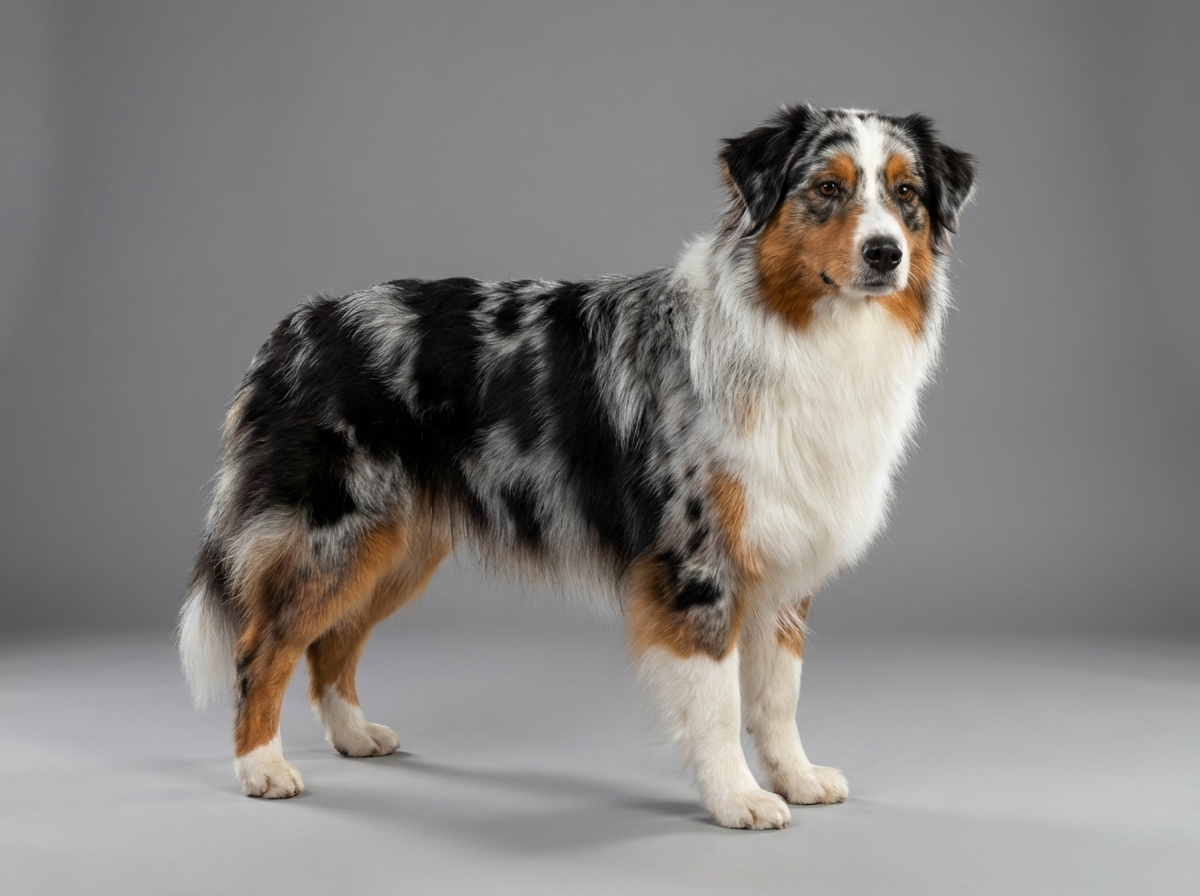
Costs
Australian Shepherd cost in Washington, DC
About $128–$242/month, $1,950–$3,450 for year one — above average, where this breed's real fence-jumping ability matters more than the city's good dog parks alone.

See Australian Shepherd price across all cities →
Quick answer
Australian Shepherd cost in Washington, DC
About $128–$242/month, $1,950–$3,450 for year one — above average, where this breed's real fence-jumping ability matters more than the city's good dog parks alone.
An Australian Shepherd in Washington, DC costs about $128–$242 a month, with the first year around $1,950–$3,450 — above the national average, in a city with a genuinely strong network of fenced dog parks, though this breed's documented athleticism and real escape-artist tendency when under-stimulated mean fence height and security matter as much as the park itself.

Hip and elbow dysplasia, along with epilepsy, are the breed's documented health risks most likely to produce an unplanned bill. This breed's very high exercise and mental-stimulation needs remain a real ongoing consideration, requiring genuine daily commitment regardless of city.
These figures reflect DC's genuinely above-average general pricing, with a real note on fence-security given this breed's documented athleticism and escape-risk when under-stimulated.
Estimate · source: estimation · confidence: medium · updated 2026-10-06 · not a quote
| Item | Cost range |
|---|---|
MDR1 genetic test (one time) A single test, ideally done early, that tells every future vet whether the dog carries the drug-sensitivity mutation common in this breed. | $65 - $100 |
One-time setup (initial vet visit, spay/neuter, gear) Covers the first exam, vaccinations, spay/neuter if needed, and basic gear — priced at DC's above-average rates. | $440 - $740 |
| Item | Cost range |
|---|---|
Food Above the national average for this breed's medium size, reflecting DC's above-average general pricing. | $57 - $92 |
Each range starts from a national baseline for this breed's size class and is then adjusted for local cost of living and veterinary pricing. The baselines, and the source each one came from, are listed on our sources page (dataset 2026.09). Two inputs, the purchase price and the emergency reserve, have no published national figure we could verify, so we leave them to you rather than invent them.
These are planning estimates, not quotes. Your own numbers will move with the individual dog, your vet and your insurer. Build a budget with your own figures.
For an Australian Shepherd in Washington, DC, insurance is genuinely worth taking seriously given the breed's documented hip/elbow dysplasia and epilepsy risk, independent of any fence-security considerations.
Given this breed's real orthopedic and neurological risk profile, insurance purchased while the dog is young is worth pricing out seriously before anything is on record.
Owners who've built a genuinely solid emergency fund and are comfortable managing a procedure or ongoing condition themselves can reasonably self-insure instead.
DC's above-average costs call for real planning, and a quick fence check costs nothing but prevents a genuinely stressful lost-dog situation.
DC's real, well-established network of fenced off-leash dog parks is a genuine, practical asset for a breed with this much documented daily exercise need, and using it regularly is a real, worthwhile part of managing this breed's energy in a dense urban environment. The consideration worth taking seriously is fence integrity itself: this breed's real athleticism, genuinely capable of clearing surprisingly tall fences when under-stimulated or startled, means not every enclosure is equally secure for it.
Checking a park's fence height and condition before relying on it regularly, and applying the same standard to any private yard, is a genuinely practical step that matters more for this breed than for a less physically capable one.
Washington, DC's overall cost of living runs above the national average, and a large share of local housing lacks a private yard, making dog-walking or daycare a realistic recurring cost for many owners here.

A DC Australian Shepherd owner assumed their local dog park's standard fencing was more than adequate, until their notably athletic dog cleared it during an especially excited moment chasing a squirrel just outside the enclosure. A tense twenty minutes of searching ended safely, but the owner switched to a different park with taller, more secure fencing afterward and became far more attentive to enclosure height everywhere.
Key takeaway: In Washington, DC specifically, this breed's real athleticism makes fence-security verification a genuinely worthwhile habit, not an assumption to take for granted.
About $128–$242, above the national average, reflecting DC's genuinely elevated general cost of living.
Roughly $1,950–$3,450, including the initial vet exam, spay/neuter if needed, an MDR1 genetic test, and gear on top of ongoing monthly costs.
Genuinely, yes — its real athleticism means a bored or under-stimulated individual can clear fences that would stop many other breeds, making fence height and condition worth checking before relying on any enclosure.
Generally, yes given this breed's documented high exercise need, though confirming a park's actual fence security matters more here than for a less athletic breed.
Worth pricing out given the breed's hip/elbow dysplasia risk and elevated epilepsy rate, bought while the dog is young and before anything is on record.
Around $975 covers a typical significant vet visit in this market, reflecting DC's above-average local pricing.
About $128–$242/month, $1,950–$3,450 for year one — above average, where this breed's real fence-jumping ability matters more than the city's good dog parks alone.
This guide is not medical advice. If your dog shows pain, sudden behavior change, or worsening symptoms, consult a licensed veterinarian.
Some links may be affiliate links. We may earn a commission at no extra cost to you. We only suggest products we believe are helpful for dog owners.
We research and check what we publish, but we do not warrant that any figure, date, price, or statement is accurate, complete, or current, and we accept no liability for any loss, cost, injury, or other harm arising from the use of this site. Use it as one reference among several. You remain responsible for your own decisions and for your dog's care - confirm anything that matters with a licensed veterinarian or another qualified professional before you act on it. Full disclaimer.
One sheet with every line item, the emergency fund and when insurance pays off - unlocks on this page.
You get: 12-month budget sheet
No spam. One-click unsubscribe. See our privacy policy.
See a sample page before you decide.