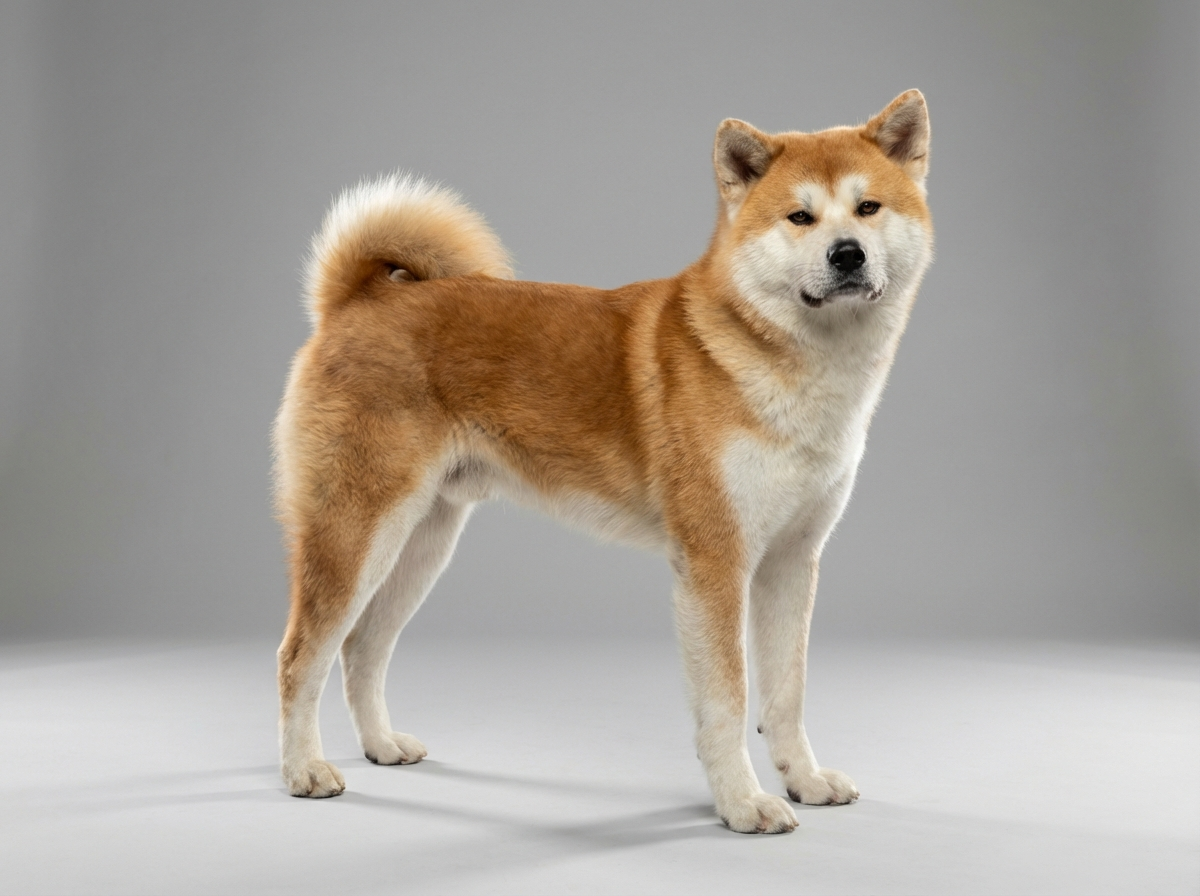
Health
Is hypothyroidism common in Akitas?
Yes — it's specifically documented among the breed's common health issues.

Quick answer
Is hypothyroidism common in Akitas?
Yes — it's specifically documented among the breed's common health issues.
A dog that's gradually gained weight despite eating the same amount, seems more tired than it used to, and has a coat that's lost its shine is often dealing with a simple, well-understood hormone deficiency.
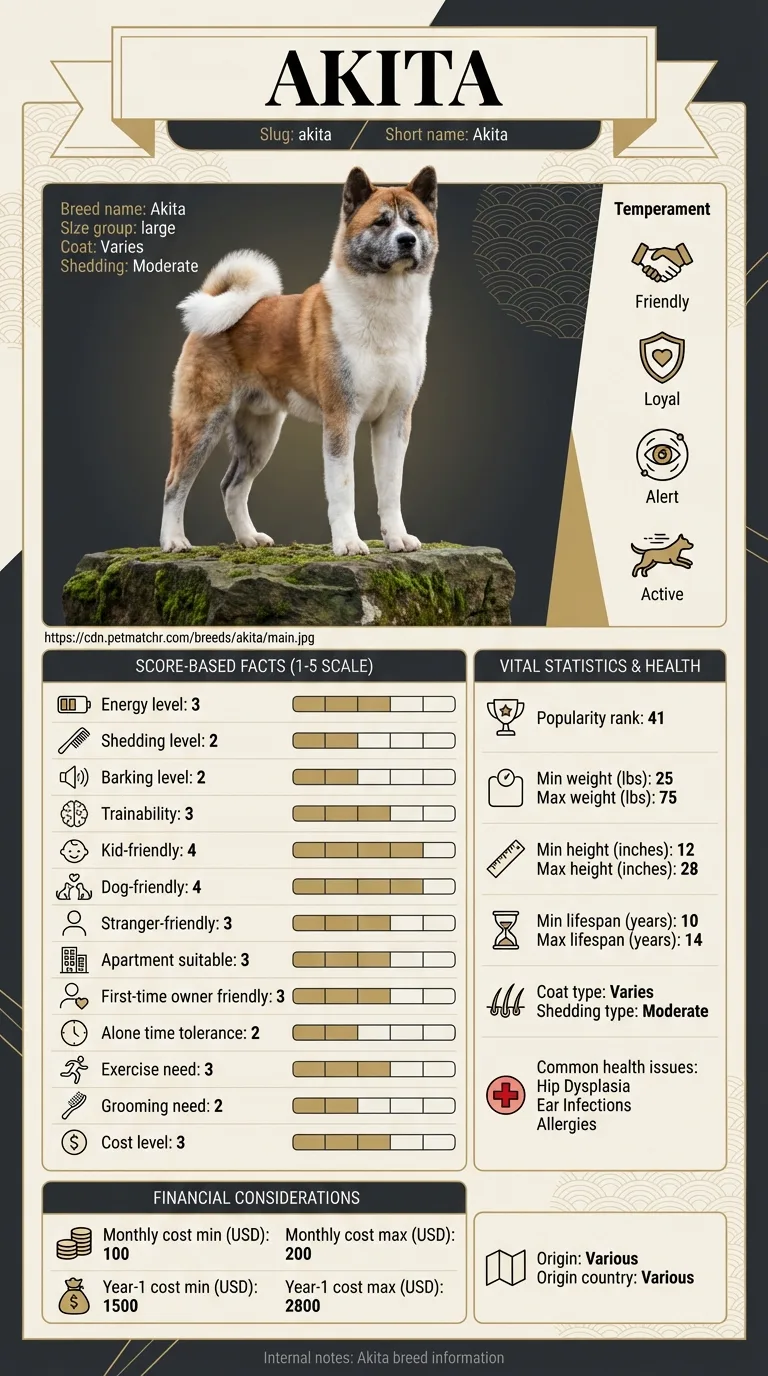
Owners of adult and middle-aged Akitas, since this condition typically develops between four and ten years of age, are the ones most likely to encounter this diagnosis.
This guide is not medical advice. If your dog shows pain, sudden behavior change, or worsening symptoms, consult a licensed veterinarian.
Some links may be affiliate links. We may earn a commission at no extra cost to you. We only suggest products we believe are helpful for dog owners.
We research and check what we publish, but we do not warrant that any figure, date, price, or statement is accurate, complete, or current, and we accept no liability for any loss, cost, injury, or other harm arising from the use of this site. Use it as one reference among several. You remain responsible for your own decisions and for your dog's care - confirm anything that matters with a licensed veterinarian or another qualified professional before you act on it. Full disclaimer.
Check this first
Severe lethargy, collapse, or an unusually low body temperature are rare but serious signs associated with longstanding, severely untreated hypothyroidism (sometimes called myxedema coma) and warrant same-day emergency veterinary care.
The far more typical, gradual symptom pattern — weight gain despite normal food intake, low energy, coat thinning or dullness, and skin changes like flakiness or recurrent infections — is not an emergency. It warrants a scheduled vet visit for thyroid hormone bloodwork to confirm the diagnosis and begin treatment.
Once a dog is stable on appropriate thyroid medication, this condition rarely causes acute emergencies; the primary ongoing focus is consistent daily medication and periodic monitoring rather than watching for any urgent symptom pattern.
If any of these apply, call your vet or an emergency clinic now. The rest of this page is for the cases that are not an emergency.
Hypothyroidism, an underactive thyroid gland producing insufficient hormone, is specifically named among the Akita's documented common health issues. It causes a recognizable cluster of metabolic symptoms — weight gain, low energy, and coat changes — and is one of the more straightforward chronic conditions to manage with consistent daily medication.
Hypothyroidism is specifically listed among the Akita's documented common health issues, making it one of the more frequently diagnosed chronic conditions in adult dogs of this breed, generally becoming symptomatic between four and ten years of age.
The Akita carries a documented predisposition to hypothyroidism as part of its recognized health profile, most often driven by an underlying autoimmune process affecting the thyroid gland. This genetic tendency is well established enough that many vets familiar with the breed watch for hypothyroidism symptoms proactively during routine senior wellness exams.
While the underlying predisposition is genetic, how promptly symptoms are recognized and confirmed with bloodwork affects how long a dog experiences untreated symptoms. Once diagnosed, consistent medication timing relative to meals and reliable daily administration are the main environmental and management factors affecting treatment effectiveness.
Schedule a vet visit for gradual weight gain, low energy, or coat changes in a middle-aged or older dog to check thyroid function. Seek emergency care for severe lethargy, collapse, or very low body temperature, rare but serious signs of advanced, longstanding untreated disease.
Because symptoms develop gradually and treatment is generally straightforward, a few specific habits can undermine otherwise good management.
See all Akita health problems, which breeds are prone to hypothyroidism, or the full Akita breed guide for temperament, exercise needs and ownership costs.
Energy levels often improve within a few weeks of starting appropriate medication, while coat and skin changes can take a few months to fully resolve. Ongoing management is then a lifelong daily routine with periodic monitoring bloodwork.
Success is stable thyroid hormone levels on routine bloodwork, resolution of weight, energy, and coat symptoms, and a good quality of life maintained through consistent daily medication.
Blake noticed his seven-year-old Akita, Duke, had gradually gained weight over several months in Omaha despite no change in food or exercise routine, and seemed noticeably less energetic on walks. His vet ran thyroid bloodwork, which confirmed hypothyroidism. Blake started Duke on daily thyroid medication, and within about a month, Duke's energy had visibly improved. His coat, which had become somewhat dull, regained its shine over the following few months. Blake now gives the medication at the same time every day and keeps up with recheck bloodwork every six months to make sure the dose stays on target.
Key takeaway: Weight gain and low energy in a middle-aged Akita despite unchanged diet and exercise is worth checking with thyroid bloodwork — this is a well-documented breed condition with straightforward, effective treatment.
Yes — it's specifically listed among the breed's documented common health issues, making it one of the more frequently encountered chronic conditions in adult and middle-aged Akitas.
Weight gain despite normal food intake, low energy or lethargy, a dull or thinning coat, cold intolerance, and skin issues like flakiness or recurrent infections are the classic symptoms.
A blood test measuring thyroid hormone levels (often a full thyroid panel rather than a single basic test) confirms the diagnosis, sometimes combined with antibody testing to check for an underlying autoimmune cause.
Daily thyroid hormone replacement medication, typically given once or twice a day, effectively manages the condition by supplying the hormone the thyroid isn't producing enough of.
Energy levels often improve within a few weeks of starting appropriate medication, while coat and skin changes can take a few months to fully resolve as the coat cycles through growth.
Medication is relatively affordable, commonly $20 to $50 a month, plus periodic monitoring bloodwork, typically every six to twelve months once a stable dose is established.
It's managed rather than cured — most dogs need lifelong daily medication, but with consistent treatment, symptoms are well controlled and dogs generally live full, comfortable lives.
Yes — it's specifically documented among the breed's common health issues.
Weight gain despite normal food intake, along with low energy and coat changes.
Daily thyroid hormone replacement medication, typically for life.
Commonly $20 to $50 a month for medication, plus periodic monitoring bloodwork.
Energy often improves within a few weeks; coat changes can take a few months.
A one-page prep sheet for this condition: the signs, the questions to ask, what to get priced. Unlocks here.
You get: Vet visit prep sheet
No spam. One-click unsubscribe. See our privacy policy.
Preview page 1 before you decide.