Health
Is IVDD a documented risk for Welsh Springer Spaniels?
No, it's characterized in chondrodystrophic breeds like Dachshunds and Corgis, not in the Welsh Springer Spaniel.

Quick answer
Is IVDD a documented risk for Welsh Springer Spaniels?
No, it's characterized in chondrodystrophic breeds like Dachshunds and Corgis, not in the Welsh Springer Spaniel.
"Long-backed breed" lists get shared widely, but the Welsh Springer Spaniel's proportions simply aren't the ones those lists are describing.
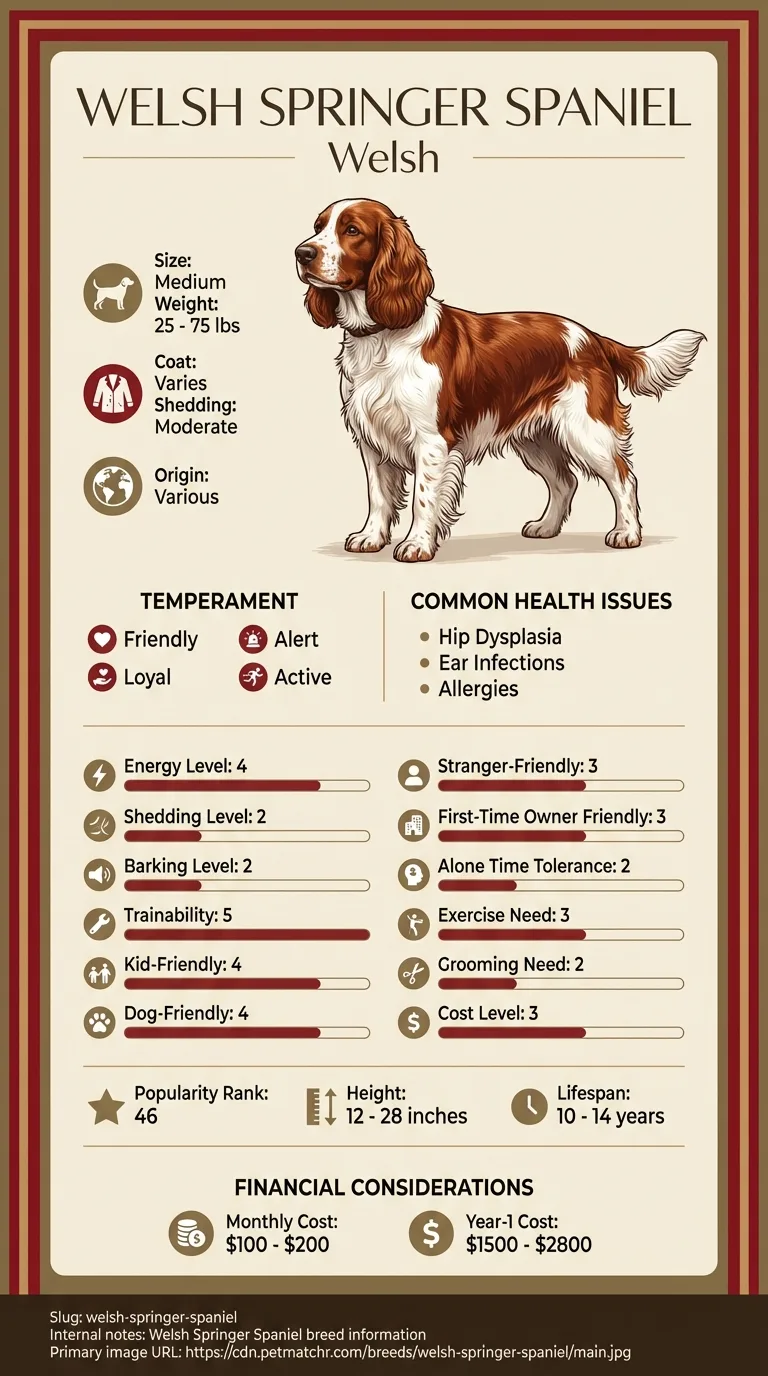
This page is for owners who've seen a Welsh Springer Spaniel's slightly elongated silhouette in a general spaniel-family image and wondered if disc disease belongs on their breed-specific worry list.
This guide is not medical advice. If your dog shows pain, sudden behavior change, or worsening symptoms, consult a licensed veterinarian.
Some links may be affiliate links. We may earn a commission at no extra cost to you. We only suggest products we believe are helpful for dog owners.
We research and check what we publish, but we do not warrant that any figure, date, price, or statement is accurate, complete, or current, and we accept no liability for any loss, cost, injury, or other harm arising from the use of this site. Use it as one reference among several. You remain responsible for your own decisions and for your dog's care - confirm anything that matters with a licensed veterinarian or another qualified professional before you act on it. Full disclaimer.
Intervertebral disc disease is a genetically driven spinal condition well documented in chondrodystrophic breeds with disproportionately short legs and long backs, a body type the Welsh Springer Spaniel does not have. It is not established as part of this breed's documented health profile, which instead centers on hip dysplasia, ear infections, epilepsy, glaucoma, and hypothyroidism.
IVDD is common enough in chondrodystrophic breeds like Dachshunds that it's one of their defining health concerns, but it is not recognized in veterinary literature as an elevated risk for Welsh Springer Spaniels, making it a far less relevant condition for this breed than for the ones it's actually characterized in.
IVDD's underlying genetic mutation affecting cartilage and disc composition has been identified and studied in chondrodystrophic breed lines, with no established connection to Welsh Springer Spaniel genetics. This breed's documented genetic health concerns run instead through hip joint conformation, thyroid function, and specific eye and seizure conditions.
Because this condition isn't characterized as relevant to Welsh Springer Spaniel physiology, there are no meaningful breed-specific environmental triggers to flag for it. General activity moderation and weight management remain sound practices for this breed's actual joint health, particularly around hip dysplasia.
Talk to your vet promptly about sudden hind-limb weakness, crying out during movement, dragging a paw, or reluctance to rise, regardless of suspected cause. Bring up hip screening specifically, since that's the orthopedic condition genuinely documented in this breed.
General "breeds prone to back problems" content tends to lump dogs together loosely, which creates confusion for breeds that don't actually fit the pattern. Here's where that research commonly goes wrong for Welsh Springer Spaniel owners.
See all Welsh Springer Spaniel health problems, which breeds are prone to backspine issues, or the full Welsh Springer Spaniel breed guide for temperament, exercise needs and ownership costs.
Because IVDD isn't an established concern for this breed, there's no disease-specific timeline or screening schedule to track for it here.
Success looks like redirecting the energy that went into researching a mismatched condition toward the hip, ear, eye, and thyroid screening this breed's actual documented health profile calls for.
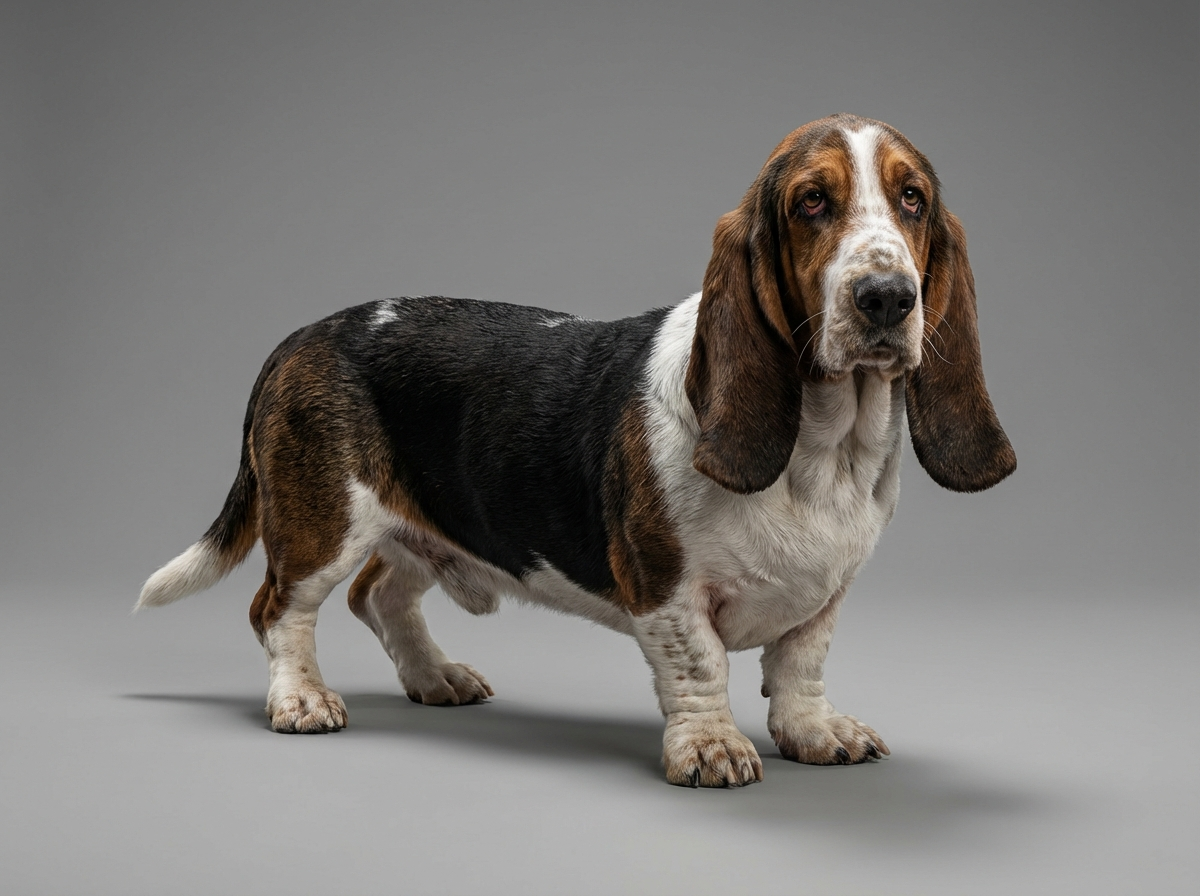
Chondrodystrophic breeds share a specific genetic mutation that shortens limb bones and predisposes spinal discs to early calcification and rupture. Dachshunds, Basset Hounds, Corgis, and Beagles carry that mutation and its documented disc-disease consequences.
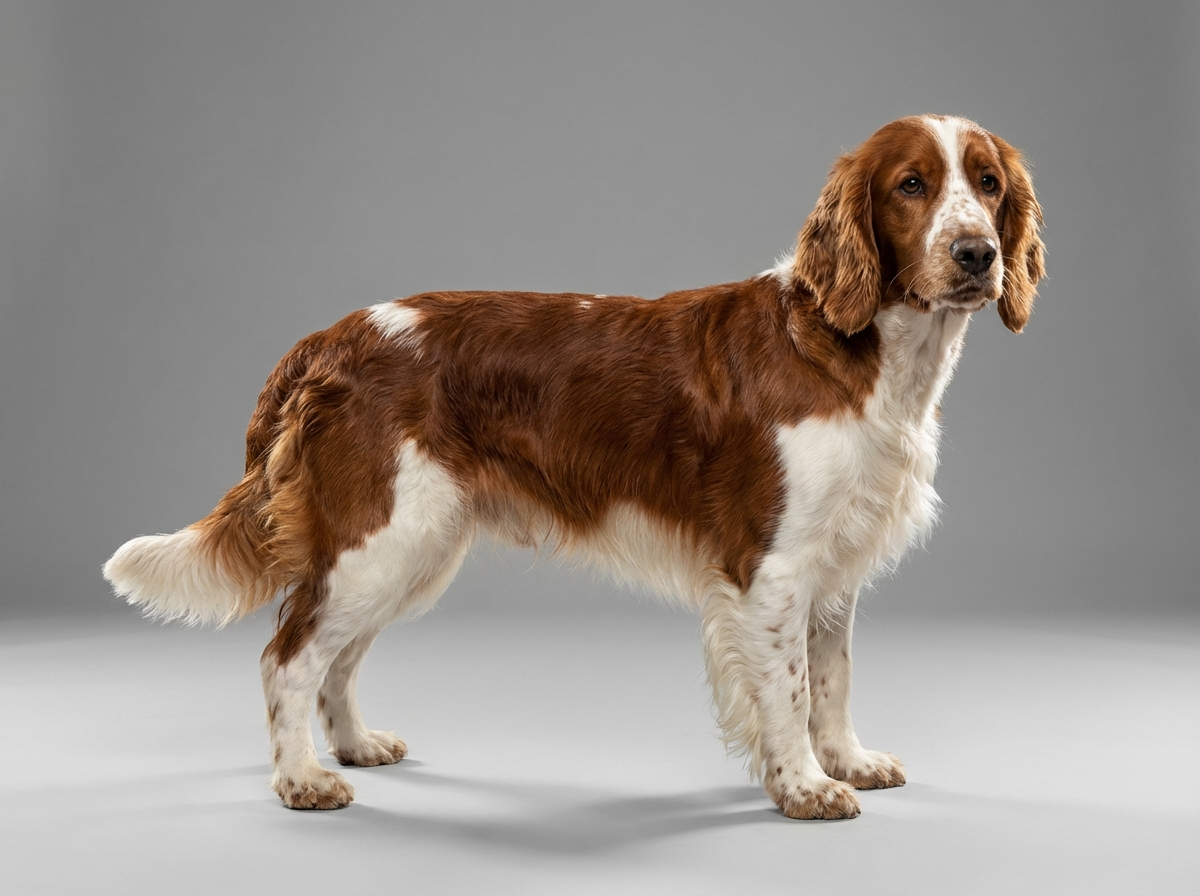
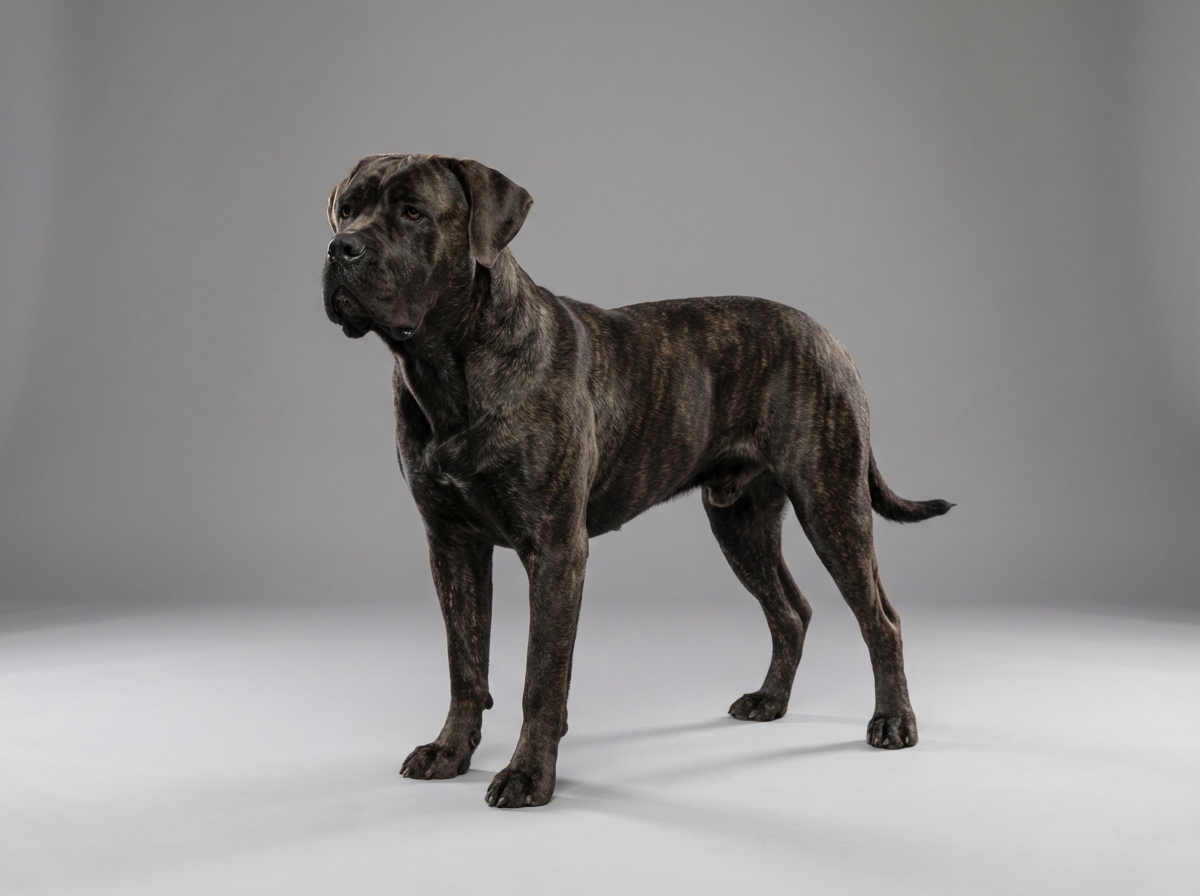
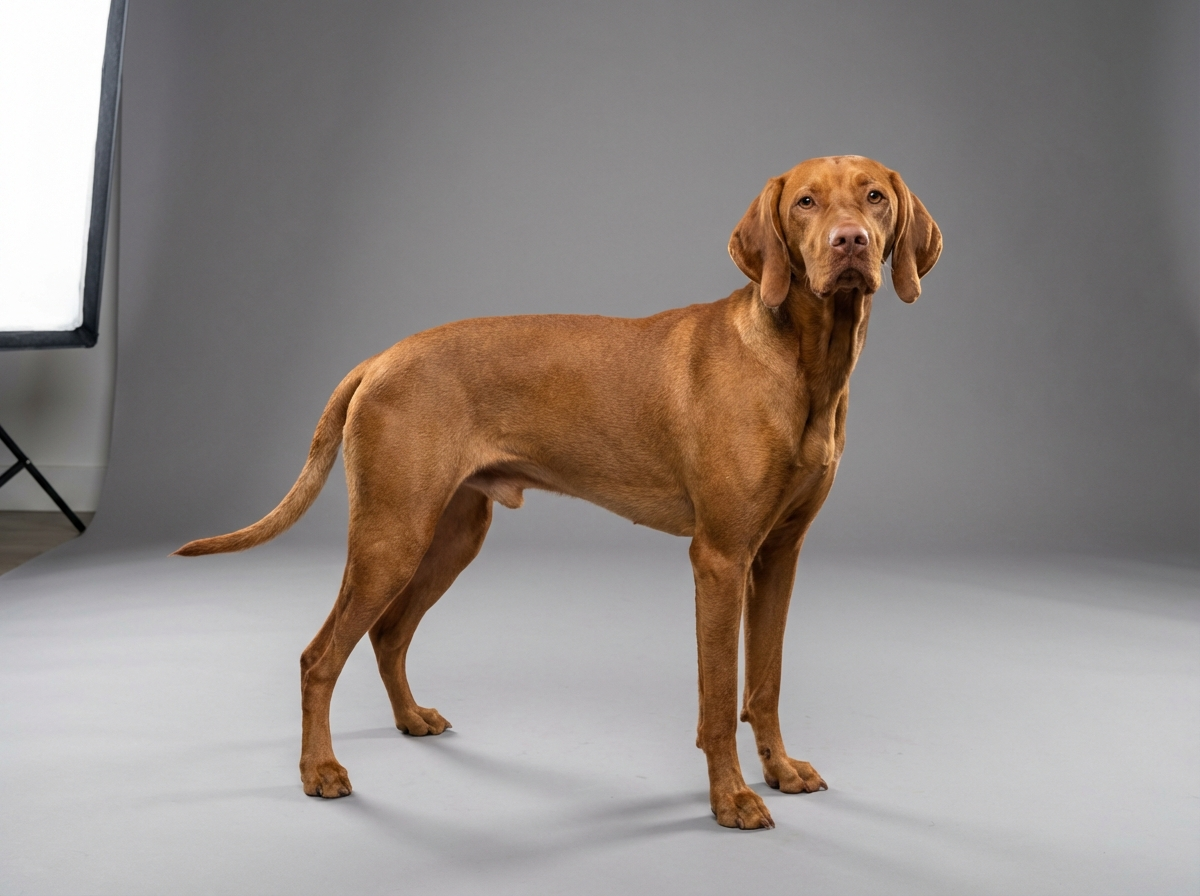
The Welsh Springer Spaniel's proportions sit much closer to a general sporting-dog build, with legs and back length scaled together rather than disproportionately short and long. That's the physical reason this condition hasn't been characterized as a breed risk here, not an assumption based on the name alone.

Any dog, regardless of breed, can strain a muscle, twist awkwardly during play, or eventually develop age-related joint changes. Sudden reluctance to move, crying out when touched along the spine, or dragging a hind paw are signs that need prompt veterinary evaluation in a Welsh Springer Spaniel just as they would in any dog.
In this breed specifically, a vet working through those symptoms is more likely to be checking hip joints, given the breed's documented dysplasia risk, than screening for disc disease. A dog that's simply a little stiff after an unusually long hike and recovers within a day or two with rest is a normal, non-urgent pattern worth mentioning at the next routine visit rather than an emergency.

Priya adopted her Welsh Springer Spaniel, Fern, as a hiking companion in the hills around Asheville, and after reading a general article ranking "long-backed breeds prone to disc disease" she started scanning Fern's silhouette for warning signs before every trail. Her vet, doing Fern's annual exam, pointed out that Fern's back-to-leg proportions are close to a Labrador's, nothing like the dramatically elongated, short-legged build the article was actually describing. The conversation shifted to what does apply to Fern specifically: hip screening given the breed's documented dysplasia risk, and watching her ears after wet creek crossings. Priya kept hiking with Fern, just with a different checklist taped to the inside of her medicine cabinet.
Key takeaway: A viral breed-risk list built around chondrodystrophic body types doesn't transfer to a moderately proportioned breed like the Welsh Springer Spaniel — the more useful checklist is the one built from this breed's own documented conditions.
Intervertebral disc disease is not established as a characteristic risk for this breed. It's documented primarily in chondrodystrophic, long-backed, short-legged breeds, a body type the Welsh Springer Spaniel does not have.
General canine health content often groups "long-backed" loosely, and any spaniel-shaped dog can get swept into that description at a glance. A Welsh Springer Spaniel's spine-to-leg ratio is much closer to a moderately built sporting dog than to a Dachshund or Corgi, which is where the real chondrodystrophic risk lives.
A gene affecting cartilage development shortens the long bones and predisposes spinal discs to premature degeneration and calcification in chondrodystrophic breeds. That specific genetic mechanism has not been characterized as part of the Welsh Springer Spaniel's breed profile.
Any dog can develop a disc problem, a muscle strain, or arthritis regardless of breed, so sudden pain or reluctance to move always deserves veterinary evaluation. In this breed, that workup is more likely to trace back to a soft-tissue strain or to hip dysplasia, one of the breed's actually documented orthopedic issues, than to disc disease.
Hip dysplasia is the joint condition genuinely documented in Welsh Springer Spaniels, so hip-specific signs like bunny-hopping, reluctance to jump, or rear-end stiffness after rest are worth tracking. General spinal red flags like dragging a paw or sudden hind-limb weakness still warrant an urgent vet visit no matter the underlying cause.
The elevated jumping-related disc risk discussed for chondrodystrophic breeds is tied to their specific spine and leg proportions, which this breed doesn't share. Moderating jumping is still reasonable general joint care for an active medium-sized dog, especially one with any hip sensitivity, just not a disc-disease-specific precaution here.
Routine spinal imaging isn't part of standard preventive care for this breed absent actual symptoms. Hip evaluation, since dysplasia is the documented orthopedic concern, is the more relevant screening conversation to have with your vet.
No, it's characterized in chondrodystrophic breeds like Dachshunds and Corgis, not in the Welsh Springer Spaniel.
Sudden hind-limb weakness, dragging a paw, or crying out during movement always warrant a same-day vet call in any breed.
Hip dysplasia is the orthopedic condition genuinely documented in Welsh Springer Spaniels and worth screening for instead.
There's no documented breed-specific disc-disease risk here to justify that add-on, though standard orthopedic coverage for hips is worth comparing across plans.
General joint-friendly habits like ramp use are reasonable for any active medium dog, but they're not a disc-disease-specific precaution for this breed.
A one-page prep sheet for this condition: the signs, the questions to ask, what to get priced. Unlocks here.
You get: Vet visit prep sheet
No spam. One-click unsubscribe. See our privacy policy.
Preview page 1 before you decide.