Health
What is cardiomyopathy?
Disease of the heart muscle itself, where the chambers dilate and contraction weakens. It is different from valve leakage.

Quick answer
What is cardiomyopathy?
Disease of the heart muscle itself, where the chambers dilate and contraction weakens. It is different from valve leakage.
A failing heart can fail in two quite different ways: the pump can leak, or the pump can weaken. Those are separate diseases, they affect different breeds, and confusing them leads owners to the wrong worries.
Owners who have read that grain-free diets cause heart disease and want to know whether their dog is at risk. People whose Sheltie has been told her heart is enlarged and are trying to understand what type of problem that is. Anyone comparing muscle and valve disease after a vague diagnosis.
This guide is not medical advice. If your dog shows pain, sudden behavior change, or worsening symptoms, consult a licensed veterinarian.
Some links may be affiliate links. We may earn a commission at no extra cost to you. We only suggest products we believe are helpful for dog owners.
We research and check what we publish, but we do not warrant that any figure, date, price, or statement is accurate, complete, or current, and we accept no liability for any loss, cost, injury, or other harm arising from the use of this site. Use it as one reference among several. You remain responsible for your own decisions and for your dog's care - confirm anything that matters with a licensed veterinarian or another qualified professional before you act on it. Full disclaimer.
In cardiomyopathy the muscular wall of the heart is the diseased tissue. It stretches, thins and loses contractile strength, so each beat ejects less blood than it should. The body compensates by retaining fluid and increasing heart rate, which works for a while and then does not. Because the valves themselves are intact, the classic loud murmur may be absent, and the disease can advance further before detection than valve disease typically does.
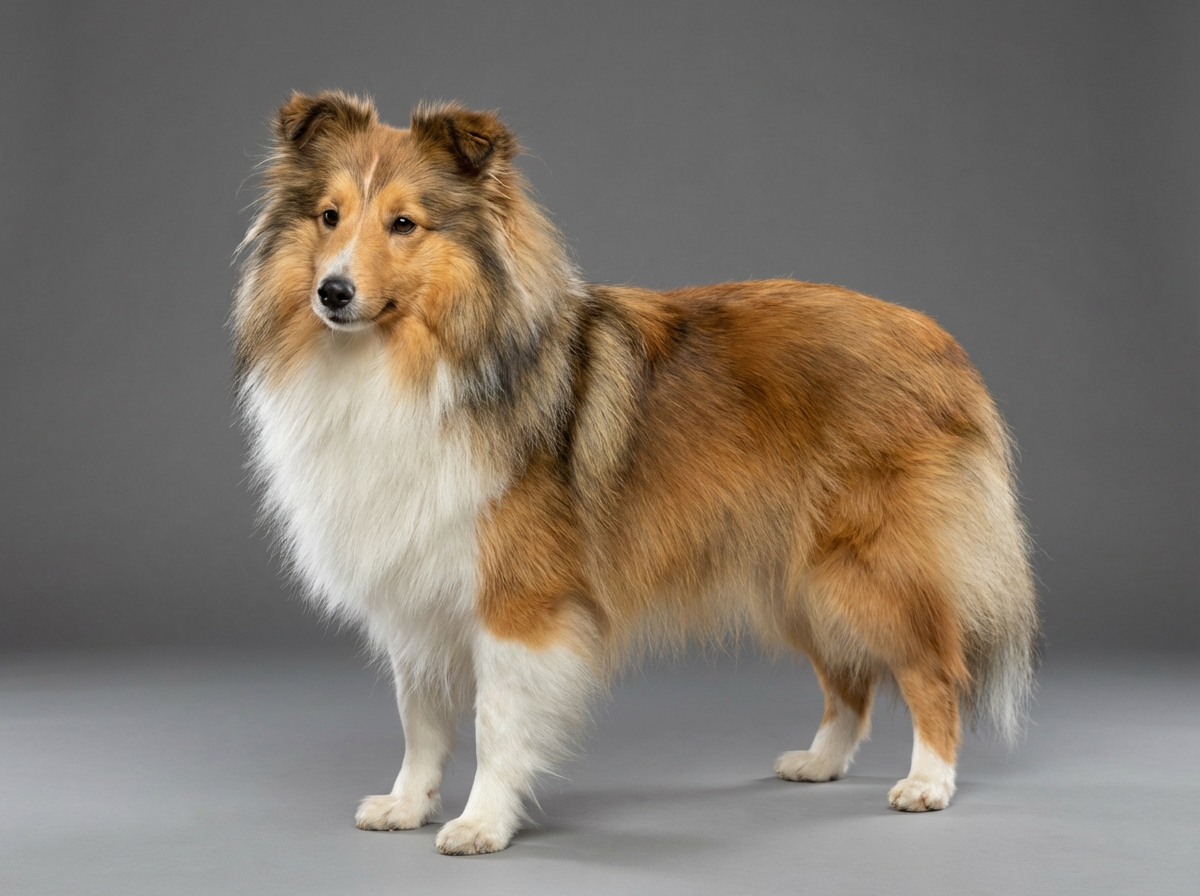
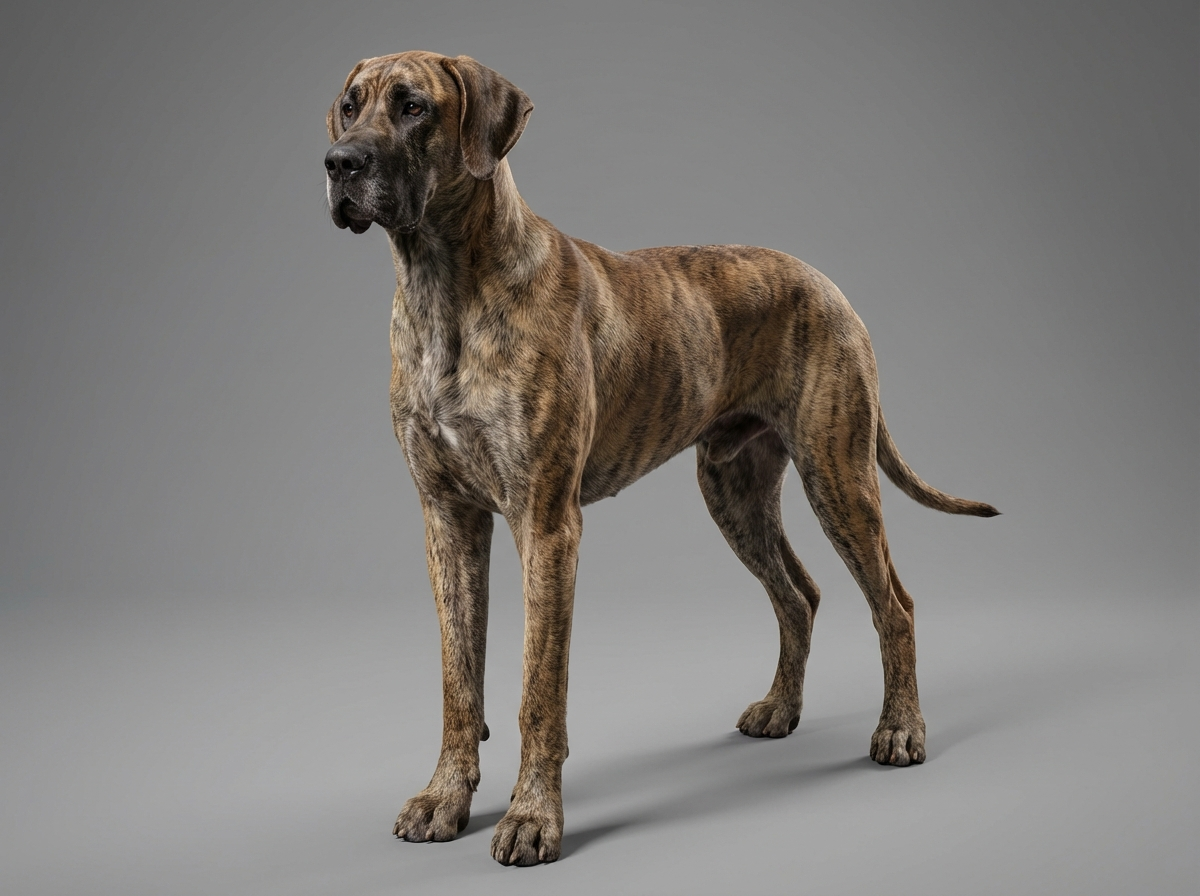
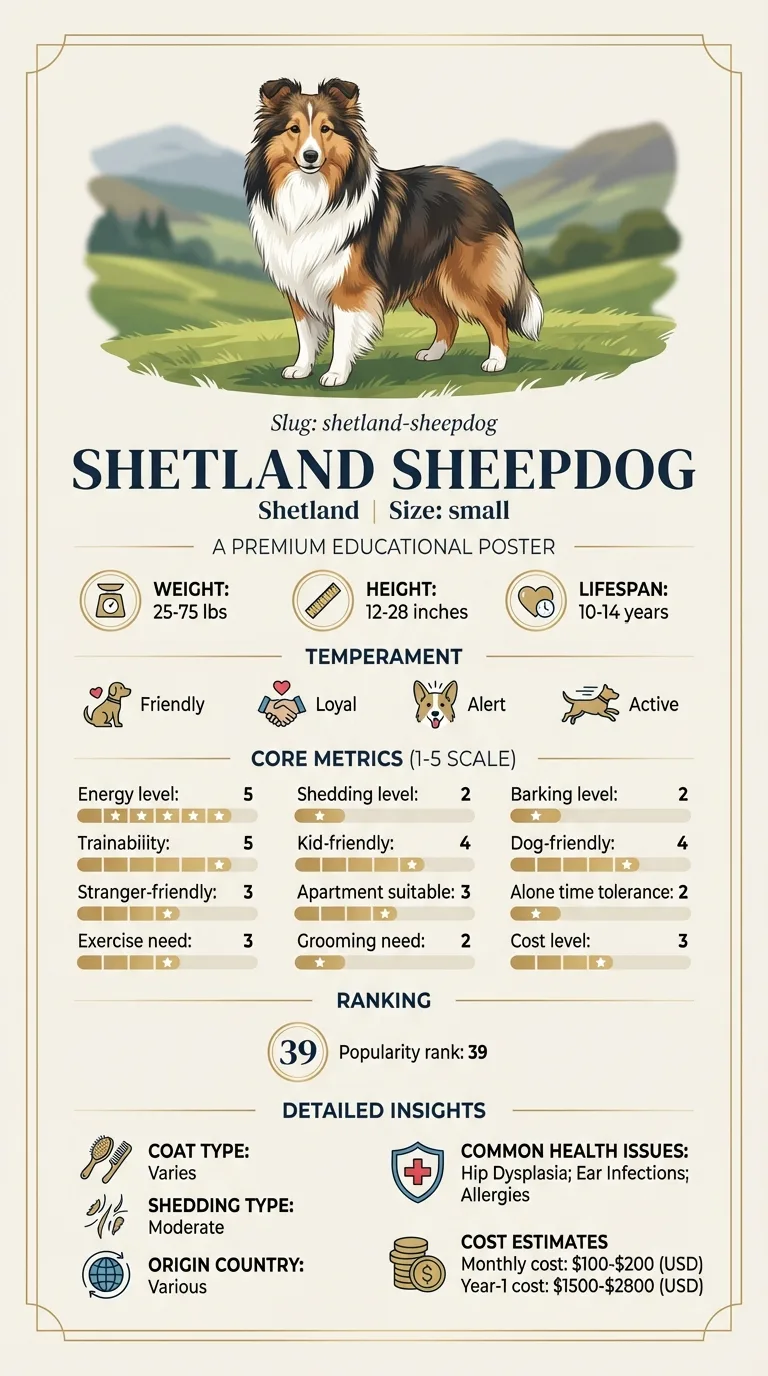
Uncommon in dogs of this size and not documented for the Shetland Sheepdog, whose recorded conditions are eye, drug sensitivity, skin-muscle, thyroid and kneecap related. A general practice sees cardiomyopathy mostly in Dobermanns, Great Danes, Boxers and similar. For a 15 to 25 pound herding dog, age-related valve degeneration is a far more probable explanation for any cardiac finding.
The Shetland Sheepdog has no documented predisposition to heart muscle disease, and body size works in its favour: the inherited cardiomyopathies cluster strongly in breeds many times this dog's 15 to 25 pounds. The one indirect breed connection is thyroid. Hypothyroidism is documented in Shelties, and low thyroid hormone reduces cardiac contractility and heart rate, which can produce a picture of poor cardiac performance that is not muscle disease at all and which resolves when the thyroid is treated. That makes bloodwork an important early step rather than an afterthought.
Diet is the environmental factor currently under most scrutiny, following reports linking pulse-heavy grain-free foods with dilated heart muscle changes across a range of breeds. Beyond that, obesity increases the workload on a weakened muscle, and heat stress in a heavily double-coated dog adds cardiovascular demand at exactly the wrong times. Chronic untreated dental infection contributes a persistent inflammatory burden. None of these causes cardiomyopathy outright, but each worsens a heart that is already underperforming.
Go to an emergency hospital immediately for laboured or open-mouth breathing at rest, collapse, blue or grey gums, or a suddenly swollen abdomen, all of which can indicate acute heart failure. Seek a prompt appointment for fainting, for a marked and unexplained loss of stamina, for a resting breathing rate that has risen consistently over days, or for a cough that is worse at night. Ask specifically whether an echocardiogram is warranted rather than accepting an enlarged heart on radiographs as a final answer, and ask for thyroid bloodwork given that hypothyroidism is documented in this breed and can mimic poor cardiac function.
See all Shetland Sheepdog health problems, which breeds are prone to cardiomyopathy, or the full Shetland Sheepdog breed guide for temperament, exercise needs and ownership costs.
Diagnosis usually takes two to four weeks including specialist imaging and bloodwork. Where a diet association is suspected, improvement is assessed on repeat echocardiography after three to six months rather than on how the dog looks. Established muscle disease is managed indefinitely with periodic restaging.
For most Sheltie owners, success is a clear answer that this is not muscle disease and a proper staging of whatever was actually found. Where genuine cardiomyopathy exists, success is a stable dog on medication with a normal resting breathing rate, maintained over months and reassessed rather than assumed.
Understanding which category your dog is in changes what to expect and what to ask. These are the practical distinctions.
In recent years veterinary cardiologists reported a pattern of dilated heart muscle disease in dogs eating certain diets, particularly those built around peas, lentils and other pulses in place of grains, and often from smaller manufacturers. Some affected dogs improved when the diet was changed, which is not something conventional inherited cardiomyopathy does. The mechanism is still debated and the picture is genuinely unsettled, which is why the honest phrasing is an association under investigation rather than a proven cause.
What that means for a Sheltie owner is measured rather than alarming. Most reported cases were in larger breeds, and this is not a breed with a documented cardiac predisposition of any kind. It is nonetheless a reasonable thing to raise at an annual check, particularly if your dog eats a grain-free or boutique diet, and a reasonable reason to prefer a food made by a company that employs veterinary nutritionists and runs feeding trials.
What it is not is a reason for panic or for buying supplements on your own initiative. Taurine, which came up repeatedly in the early reports, is only relevant in some cases and is not something to add speculatively. If your vet thinks it is worth testing, they will measure it.
One genuinely breed-relevant point sits behind all of this. Cardiac medication in a Shetland Sheepdog needs the MDR1 genotype accounted for, since that inherited drug sensitivity is documented in the breed. If a heart condition of any type is diagnosed, the DNA result belongs in the file before a long-term prescription is written.

If you think your Shetland has cardiomyopathy, the plan is three steps: write down what you have seen and when it started, book a veterinary appointment rather than waiting for the next flare, and take video of the behaviour or symptom before you go — the thing you are worried about rarely happens in the consulting room. Screening in the parents covers collie eye anomaly, mdr1 drug sensitivity, dermatomyositis.
What the vet visit should produce is a diagnosis and a written plan, not just reassurance: what is being ruled out, what the monitoring interval is, and which signs mean you come back sooner. Ask what the treatment costs across a year rather than per visit, because that is the number that decides whether you are managing this condition or reacting to it.
Between appointments, keep a short log — dates, what you saw, what changed. It is the single most useful thing an owner brings to a follow-up, and for cardiomyopathy it is often what separates a clear pattern from a guess.
Ailsa was seven when her owner Nadeem read about grain-free diets and heart disease. She had eaten a pulse-heavy boutique food for four years. Rather than switching overnight, Nadeem wrote down the exact formulation and asked for a cardiac assessment at her next annual visit. The examination found no murmur and her sleeping breath count sat at nineteen. Bloodwork was normal apart from a borderline thyroid result that the vet decided to recheck in six months. On advice, Nadeem transitioned Ailsa gradually to a food from a manufacturer running feeding trials, over three weeks rather than three days. There was nothing dramatic to report, which was the point. At eleven Ailsa still has no cardiac findings and Nadeem still counts her breaths on Sunday nights.
Key takeaway: The right response to a diet worry is a written food list and a proper heart check, not an abrupt switch or a supplement bought on a hunch.
It is not a documented condition in the breed and is uncommon in dogs of this size. Cardiomyopathies concentrate in large and giant breeds. A Sheltie diagnosed with one is an individual case rather than an expression of breed risk.
Discuss it with your vet rather than following an internet rule. The association is real enough to take seriously and not settled enough to be dogmatic about. Choosing a manufacturer with veterinary nutritionists and feeding trials is sensible whichever way you go.
Only that a chamber has increased in size, which happens both when a valve leaks and when the muscle weakens. It is a finding, not a diagnosis, and it is why the next step is usually an echocardiogram rather than treatment.
Yes, and that is precisely what makes it easy to miss. A dog can have significantly reduced contraction with only a soft murmur or none. Reduced stamina, fainting or an increased resting breathing rate can be the only clues.
Not on your own initiative. Taurine status can be measured, and supplementing without knowing whether it is low achieves nothing while potentially delaying a proper diagnosis. Ask your vet whether testing is appropriate.
Some dogs in the reported cases improved substantially after a diet change, sometimes over months, which distinguishes it from the inherited forms. That is not a guarantee, and improvement is judged on repeat echocardiography rather than on how the dog seems.
Disease of the heart muscle itself, where the chambers dilate and contraction weakens. It is different from valve leakage.
No. It is concentrated in large and giant breeds and does not appear on the Shetland Sheepdog's documented health profile.
By echocardiogram, which measures chamber dimensions and how well the muscle contracts. A stethoscope alone cannot distinguish it from valve disease.
Possibly. Raise grain-free and boutique diets with your vet at the next check rather than switching abruptly on your own.
A specialist cardiac ultrasound is a several hundred dollar procedure, well above the breed's usual eighty to a hundred and fifty dollar monthly budget.
A one-page prep sheet for this condition: the signs, the questions to ask, what to get priced. Unlocks here.
You get: Vet visit prep sheet
No spam. One-click unsubscribe. See our privacy policy.
Preview page 1 before you decide.