Health
What should I track at home for heart disease?
Resting breathing rate while your dog sleeps. Count for thirty seconds, double it, log it weekly, and act on a sustained rise.

Quick answer
What should I track at home for heart disease?
Resting breathing rate while your dog sleeps. Count for thirty seconds, double it, log it weekly, and act on a sustained rise.
Heart disease in dogs is usually caught at an annual check by a vet with a stethoscope, years before the dog shows a single symptom. That gap between detection and symptoms is where all the useful decisions live.
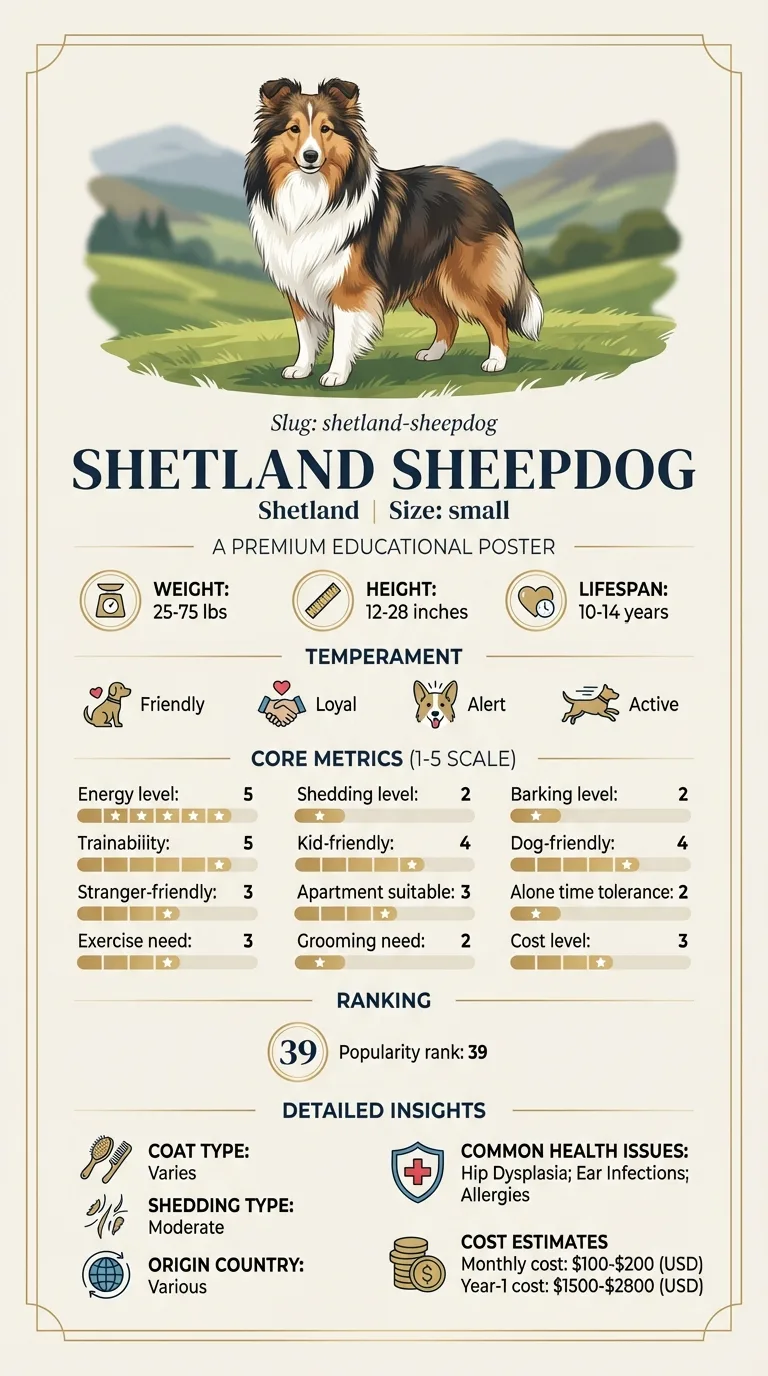
Owners who have just been told their dog has a murmur and sent home without medication, unsure whether that was good news. People whose older Sheltie has started coughing at night. Anyone trying to work out which heart tests are worth paying for and when.
This guide is not medical advice. If your dog shows pain, sudden behavior change, or worsening symptoms, consult a licensed veterinarian.
Some links may be affiliate links. We may earn a commission at no extra cost to you. We only suggest products we believe are helpful for dog owners.
We research and check what we publish, but we do not warrant that any figure, date, price, or statement is accurate, complete, or current, and we accept no liability for any loss, cost, injury, or other harm arising from the use of this site. Use it as one reference among several. You remain responsible for your own decisions and for your dog's care - confirm anything that matters with a licensed veterinarian or another qualified professional before you act on it. Full disclaimer.
Cardiac disease in older small breed dogs most commonly begins as a slow degeneration of the heart valves, which stop sealing properly and allow blood to leak backwards with each beat. The heart compensates for years, enlarging to maintain output, and during that period the dog is entirely well. Eventually compensation fails, fluid backs up into the lungs, and symptoms appear. The long silent phase is why routine listening and home breathing counts matter so much.
Heart disease is common in older small dogs as a group, and Shelties routinely reach the 12 to 14 year ages where it appears. No cardiac condition appears on the breed's own documented health profile, so this is not an inherited expectation for the breed. In practice a vet listening annually to Shelties from around eight years old will find murmurs in a fair proportion, most of which never progress to needing treatment.
The Shetland Sheepdog carries no documented cardiac predisposition, and the drivers here are age and body size rather than breed. Small dogs as a class are more prone to age-related valve degeneration than giant breeds, which tend towards muscle disease instead, and a 15 to 25 pound Sheltie sits squarely in that small dog group. Hypothyroidism, which is documented in the breed, is the one genuine breed link: low thyroid hormone slows the heart, reduces exercise tolerance and can muddy the clinical picture, which is why bloodwork belongs in a cardiac workup here.
Weight is the environmental factor with the most leverage. A dog carrying surplus pounds asks a compromised heart to supply more tissue with no benefit whatever. Heat is the second: a double-coated breed that struggles to lose heat puts additional cardiovascular demand on hot days, and exercising in the middle of a summer afternoon is exactly the wrong pattern. Dental disease is a quieter contributor, since chronic oral infection maintains a low level of systemic inflammation that the heart does not need.
Go to an emergency hospital immediately for laboured or open-mouth breathing at rest, blue, grey or very pale gums, collapse, or a dog who cannot settle and is standing with her neck extended trying to breathe. Those are signs of fluid on the lungs or acute failure and they are time critical. Contact your vet within a day or two for a resting breathing rate that has risen consistently above thirty or well above your dog's own baseline, for a new cough that is worse at night, for a sudden drop in stamina, or for fainting. Book a routine senior heart check annually from around eight years old, and ask for bloodwork including thyroid function alongside it.
See all Shetland Sheepdog health problems, which breeds are prone to cardiac disease, or the full Shetland Sheepdog breed guide for temperament, exercise needs and ownership costs.
Many dogs live years between a murmur being detected and any treatment being needed, and annual monitoring is often all that happens during that time. Once medication starts, the aim is stability measured across months and years rather than reversal. Valve degeneration progresses; it does not repair.
A dog whose resting breathing rate stays in her normal range, who walks comfortably and sleeps soundly, and whose disease is staged and monitored rather than discovered in a crisis at two in the morning. Success is buying good years, not restoring a young heart.
Resting respiratory rate is the most useful home measurement in canine cardiology, and almost no owner is told about it. It is simply the number of breaths your dog takes in a minute while genuinely asleep, not dozing and not panting. Count the rise of the chest for thirty seconds and double it.
A healthy sleeping dog usually sits somewhere between fifteen and thirty breaths a minute. What matters is not the absolute figure but the trend for your individual dog. When the left side of the heart begins to fail, fluid accumulates in the lungs, and the earliest measurable consequence is a rise in that sleeping rate. It commonly climbs before any cough, before any tiredness, and before the owner notices a single thing. Cardiologists ask owners to log it weekly precisely because it gives days of warning.
Measure it while the dog is well so you know her baseline. Record it in a note on your phone with the date. If the figure rises consistently above thirty, or climbs meaningfully above your dog's own normal over several days, that is a reason to contact your vet promptly rather than waiting for the next appointment.
The practical value of this is greatest in exactly this kind of breed. A Shetland Sheepdog with a long, dense double coat hides the visible chest movement that would make faster breathing obvious across a room. Counting deliberately, hand on the ribs if necessary, catches what watching does not.
Heart investigation proceeds in stages, and not every dog needs every stage. Knowing the sequence helps you understand what you are being offered and why.

Tarbet was nine when a routine vaccination appointment turned up a soft murmur. His owner Gordon was told there was nothing to treat yet, and was asked to count Tarbet's sleeping breaths once a week. Gordon thought it was a strange homework assignment and did it anyway, logging around twenty two breaths a minute in a phone note. Eleven months later the number was twenty eight, then thirty one, then thirty four across three consecutive weeks. Tarbet had no cough and no obvious change. Gordon rang the practice, chest radiographs showed early fluid accumulation, and treatment was started before he ever developed a symptom. The cardiologist's comment was that most dogs arrive in respiratory distress at midnight rather than in a booked appointment on a Wednesday morning.
Key takeaway: The breathing count is the cheapest cardiac monitoring available and it gives days of warning. Start logging it before you need it.
Often yes. A murmur means turbulent blood flow, not heart failure. Many dogs live for years with a stable murmur and never need treatment. What matters is monitoring, so ask when the recheck should be and what signs should bring you in sooner.
Not reliably. Grade reflects loudness, and a small leak in the wrong place can be noisy while a serious problem can be quiet. This is exactly why an echocardiogram exists: it measures the consequences rather than the sound.
Not always. For a newly detected soft murmur in a dog with no symptoms and a normal breathing rate, monitoring is often reasonable. It becomes clearly worthwhile when the murmur is loud, the dog has symptoms, or a decision about starting medication is due.
No, and in small dogs a cough is more often airway than heart. A cardiac cough tends to be soft, worse at night and lying down, and accompanied by a rising resting breathing rate. An airway cough is often harsher and triggered by excitement or a collar.
Usually not in the early stages, and a breed with an energy level rated four out of five benefits from staying active. What is generally advised against is flat-out sprinting and exercise in hot weather. Ask your vet for guidance specific to your dog's stage.
Yes. Hypothyroidism is documented in the Shetland Sheepdog and can slow the heart, reduce stamina and complicate the picture. Bloodwork is a sensible part of any cardiac workup in this breed rather than an optional extra.
Resting breathing rate while your dog sleeps. Count for thirty seconds, double it, log it weekly, and act on a sustained rise.
No. A murmur found at a routine check in a dog with no symptoms is information, not a crisis. Ask when the next recheck should be.
Laboured or open-mouth breathing at rest, blue or grey gums, or collapse. Any of those means an emergency hospital immediately.
An annual listen from around seven or eight years old is reasonable in a breed living 12 to 14 years. Ask your vet what fits your dog.
An echocardiogram and follow-up imaging sit well above the breed's usual eighty to a hundred and fifty dollar monthly running cost.
A one-page prep sheet for this condition: the signs, the questions to ask, what to get priced. Unlocks here.
You get: Vet visit prep sheet
No spam. One-click unsubscribe. See our privacy policy.
Preview page 1 before you decide.