Health
What are quick tips for Rottweiler cardiac disease?
Ensure regular vet check-ups, maintain a healthy diet, and monitor exercise levels to manage cardiac disease effectively.

Quick answer
What are quick tips for Rottweiler cardiac disease?
Ensure regular vet check-ups, maintain a healthy diet, and monitor exercise levels to manage cardiac disease effectively.
Rottweiler cardiac disease can be a serious concern for owners. It affects their heart health and overall well-being.
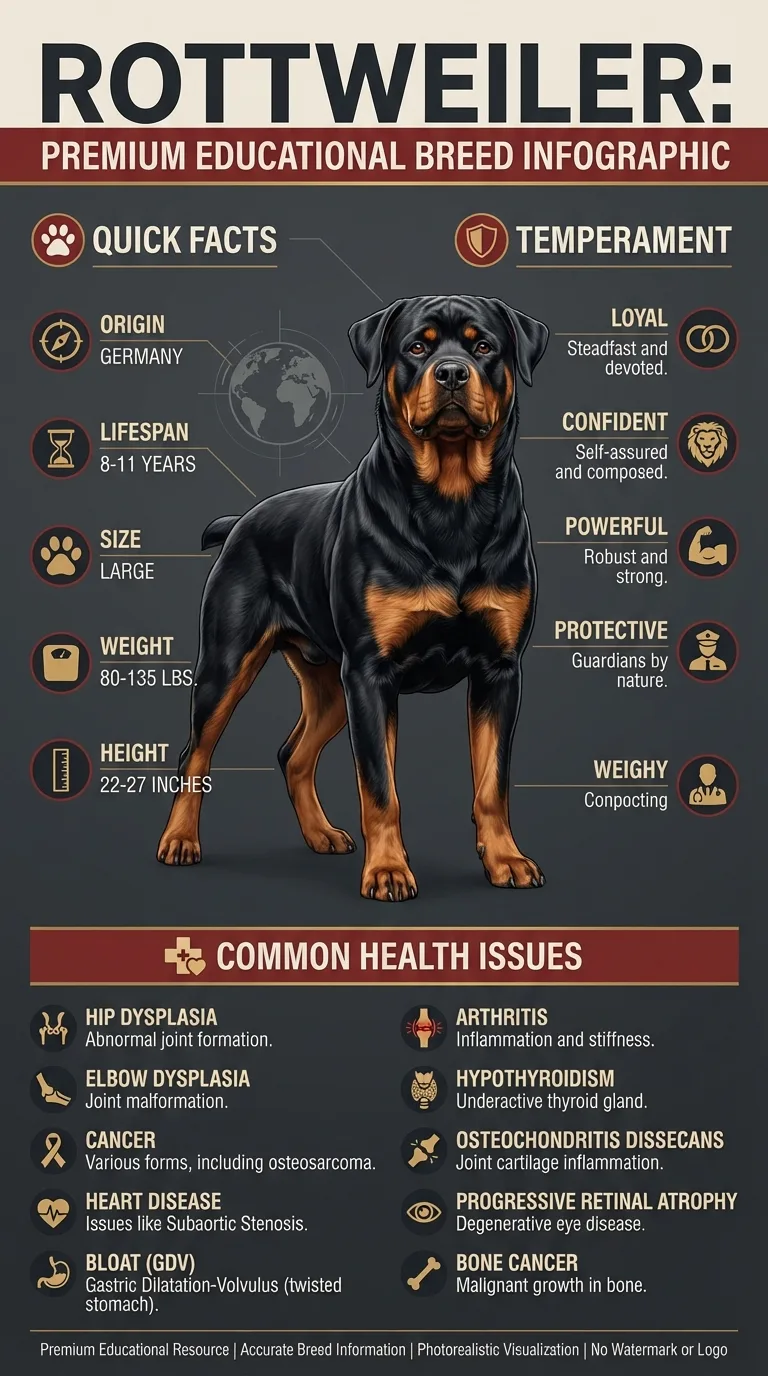
Typically, owners of Rottweilers face this challenge, especially those with older dogs or those who may not have extensive experience with canine health issues. This is particularly true for first-time pet parents who are learning the ropes of dog ownership.
This guide is not medical advice. If your dog shows pain, sudden behavior change, or worsening symptoms, consult a licensed veterinarian.
Some links may be affiliate links. We may earn a commission at no extra cost to you. We only suggest products we believe are helpful for dog owners.
We research and check what we publish, but we do not warrant that any figure, date, price, or statement is accurate, complete, or current, and we accept no liability for any loss, cost, injury, or other harm arising from the use of this site. Use it as one reference among several. You remain responsible for your own decisions and for your dog's care - confirm anything that matters with a licensed veterinarian or another qualified professional before you act on it. Full disclaimer.
Check this first
Recognizing when Rottweiler cardiac disease is an emergency can save your dog’s life. Some symptoms require immediate veterinary attention, while others can be monitored at home. Knowing the difference is crucial for every Rottweiler owner.
If any of these apply, call your vet or an emergency clinic now. The rest of this page is for the cases that are not an emergency.
Rottweiler cardiac disease can manifest as lethargy, coughing, or difficulty breathing. These symptoms often develop slowly, making it easy to overlook them at first. Unfortunately, heart issues are common in Rottweilers, particularly as they age, and they can significantly impact their quality of life.
Cardiac disease is a significant concern for Rottweilers, particularly as they reach their senior years. Studies suggest that up to 15% of Rottweilers may develop some form of heart disease during their lifetime. Early detection and management are crucial to improving their prognosis.
Rottweilers are prone to certain genetic conditions, including cardiac disease. Their large size can also contribute to heart issues, as larger breeds often face more significant cardiovascular stress. Furthermore, Rottweilers may inherit traits that affect their heart health from their lineage.
Environmental factors play a significant role in the development of cardiac disease in Rottweilers. Stressful living conditions, poor diet, and lack of proper exercise can exacerbate heart problems. Additionally, obesity from overfeeding or inactivity can lead to increased strain on their hearts.
If you notice symptoms such as excessive panting, lethargy, coughing, or difficulty breathing, it's crucial to consult your vet immediately. Early detection of heart issues can significantly increase treatment success. Regular screenings can also help catch any problems before they escalate.
Understanding what not to do is just as crucial as knowing how to help your Rottweiler with cardiac disease. Here are common mistakes that can hinder their recovery or worsen their condition, along with safer alternatives.
See all Rottweiler health problems, which breeds are prone to cardiac disease, or the full Rottweiler breed guide for temperament, exercise needs and ownership costs.
Managing Rottweiler cardiac disease can take several weeks to months. Regular vet visits and consistent care are essential.
Success means your Rottweiler maintains a stable heart condition, enjoys a good quality of life, and engages in moderate exercise without excessive fatigue.
If your Rottweiler shows any of the following signs, it’s time to call your vet immediately: - Difficulty breathing or rapid breathing - Fainting or collapsing - Severe lethargy or weakness - Swollen abdomen or extreme discomfort - Persistent cough or wheezing
If your Rottweiler displays milder symptoms, you may not need to rush to the vet. Instead, monitor these signs and keep track of any changes: - Occasional coughing - Reduced energy during play - Slight weight loss or appetite changes - Mild lethargy that doesn’t worsen

It’s essential to have a plan for emergencies. Know your local veterinary clinics and their after-hours services. Additionally, keep emergency contact numbers handy to ensure quick access when needed.

Sarah, a busy nurse in Atlanta, adopted a Rottweiler named Max. After noticing he was more lethargic than usual, she took him to the vet, where Max was diagnosed with cardiac disease. Sarah learned to manage Max's condition through a special diet, regular vet check-ups, and moderate exercise tailored to his needs. Over the next few months, Max's energy improved, allowing them to enjoy daily walks together without overwhelming fatigue.
Key takeaway: With the right care and consistent vet support, Rottweilers with cardiac disease can live fulfilling lives.
Rottweilers can develop cardiac disease due to genetic predispositions, age, and lifestyle factors. Regular vet check-ups are crucial for early detection. A healthy diet and exercise can also play a role in prevention.
While you can't always prevent cardiac disease, you can manage its impact. Regular vet visits for heart health assessments, a balanced diet, and controlled exercise are essential. Medications may be prescribed to help manage symptoms.
Common signs of cardiac disease in Rottweilers include coughing, difficulty breathing, lethargy, and sudden weight loss. If you notice any of these symptoms, it’s essential to consult your vet for a thorough examination.
Yes, a heart-healthy diet for Rottweilers with cardiac disease often includes low sodium and high-quality proteins. Your vet can recommend specific foods that support heart health while meeting your dog's nutritional needs.
Training can help maintain your Rottweiler's mental and physical activity, which is beneficial. However, it's crucial to tailor the intensity and duration of exercise to your dog's condition. Always follow your vet's advice.
While cardiac disease is more common in older Rottweilers, younger dogs can also be affected, especially if they have a genetic predisposition. Regular vet check-ups can help catch any potential issues early.
Managing Rottweiler cardiac disease involves a combination of medication, dietary changes, and controlled exercise. Working closely with your vet will ensure you have a tailored plan that fits your dog's specific needs.
If your Rottweiler shows any signs of cardiac disease, such as persistent coughing or unusual fatigue, you should see a vet immediately. Early intervention can make a significant difference in managing the condition.
Ensure regular vet check-ups, maintain a healthy diet, and monitor exercise levels to manage cardiac disease effectively.
Rottweilers at risk for cardiac disease should have vet check-ups at least every six months. This helps catch any issues early.
Low-impact activities like leash walks are ideal. Avoid strenuous exercise and consult your vet for a tailored exercise plan.
Yes, stress can exacerbate heart conditions. Create a calm environment and consider anxiety-reducing training techniques.
Costs can vary, but expect to spend between $125 to $250 monthly on vet visits, medications, and special diets.
A one-page prep sheet for this condition: the signs, the questions to ask, what to get priced. Unlocks here.
You get: Vet visit prep sheet
No spam. One-click unsubscribe. See our privacy policy.
Preview page 1 before you decide.