Health
Is this a flat-faced breed?
No. The Newfoundland has a normally proportioned muzzle and does not have brachycephalic airway disease.

Quick answer
Is this a flat-faced breed?
No. The Newfoundland has a normally proportioned muzzle and does not have brachycephalic airway disease.
This breed's breathing problems come from heat, from body mass, and in older dogs from the voice box. Not from a short face.

For owners hearing noisy breathing, heavy panting or a change in their Newfoundland's bark, and wanting to know which of those are normal for a giant dog and which are warnings.
This guide is not medical advice. If your dog shows pain, sudden behavior change, or worsening symptoms, consult a licensed veterinarian.
Some links may be affiliate links. We may earn a commission at no extra cost to you. We only suggest products we believe are helpful for dog owners.
We research and check what we publish, but we do not warrant that any figure, date, price, or statement is accurate, complete, or current, and we accept no liability for any loss, cost, injury, or other harm arising from the use of this site. Use it as one reference among several. You remain responsible for your own decisions and for your dog's care - confirm anything that matters with a licensed veterinarian or another qualified professional before you act on it. Full disclaimer.
The Newfoundland does not have the compressed skull anatomy that defines brachycephalic airway disease, so its breathing risks come from elsewhere: heat stress driven by coat and body mass, laryngeal dysfunction in older large-breed dogs, fluid in the lungs from cardiac disease, and the effects of excess weight. Understanding this distinction prevents both unnecessary worry about airway structure and dangerous complacency about warm weather.
No respiratory condition appears among the Newfoundland's documented health issues, which are hip dysplasia, subaortic stenosis, dilated cardiomyopathy, cystinuria and bloat. Heat-related respiratory distress is nonetheless one of the most likely emergencies this breed will face, and laryngeal change is a recognised concern in ageing large dogs generally.
Three breed characteristics shape respiratory risk here, and none of them involve the skull. First, the heavy water-resistant double coat with heavy year-round shedding insulates a dog that must cool itself by moving air, and cooling failure presents as respiratory distress. Second, a body of 100 to 150 pounds generates heat in proportion to mass while shedding it through a proportionally smaller surface, which is a geometric problem no amount of fitness solves. Third, the breed's documented cardiac conditions, subaortic stenosis and dilated cardiomyopathy, can produce respiratory signs when a failing heart allows fluid into the lungs. A calm dog rated 2 out of 5 for energy also gives its owner little natural testing of respiratory reserve, so decline goes unnoticed.
Heat and humidity dominate. Enclosed spaces without airflow, parked vehicles, conservatories and crates in the sun are the highest-risk locations. Humidity is the quiet danger because it disables evaporative cooling while the thermometer still reads tolerably. Warm water swimming combines exertion with a medium that is no longer removing heat. Long grass and vegetation supply the material that gets inhaled during play. Households that skip regular de-shedding leave a dense mat of dead undercoat blocking airflow at skin level, which makes cooling harder still.
Go immediately for laboured breathing at rest, gums that look pale, grey or blue, frantic ineffective panting, collapse, or any dog in obvious respiratory distress. Start cooling on the way if heat is involved and phone ahead. Book a prompt appointment for a bark that has changed in tone or strength, new or increasing noise on the intake of breath, a cough persisting beyond a few days, reduced exercise tolerance, or heat intolerance that is noticeably worse than last summer in a dog whose weight has not changed. Do not restrain or muzzle a struggling dog, since fighting it increases both heat and oxygen demand.
See all Newfoundland health problems, which breeds are prone to respiratory disease, or the full Newfoundland breed guide for temperament, exercise needs and ownership costs.
Heat-related respiratory emergencies unfold in minutes and are decided by how quickly cooling begins. Laryngeal change in an older dog develops over months to a year or two, typically noticed first as a changed bark and then as worsening heat intolerance across successive summers. Cardiac causes of respiratory signs follow the timeline of the underlying heart disease. What almost never happens in this breed is the lifelong structural obstruction that a brachycephalic dog lives with from puppyhood.
Success is a dog that breathes quietly at rest, recovers promptly after activity, keeps a stable sleeping respiratory rate, and passes each summer without an emergency. In an older dog it also means a change in the bark being noticed and investigated in the same season it appears rather than a year later. The clearest marker of a household getting this right is that the summer routine changed before anything went wrong.
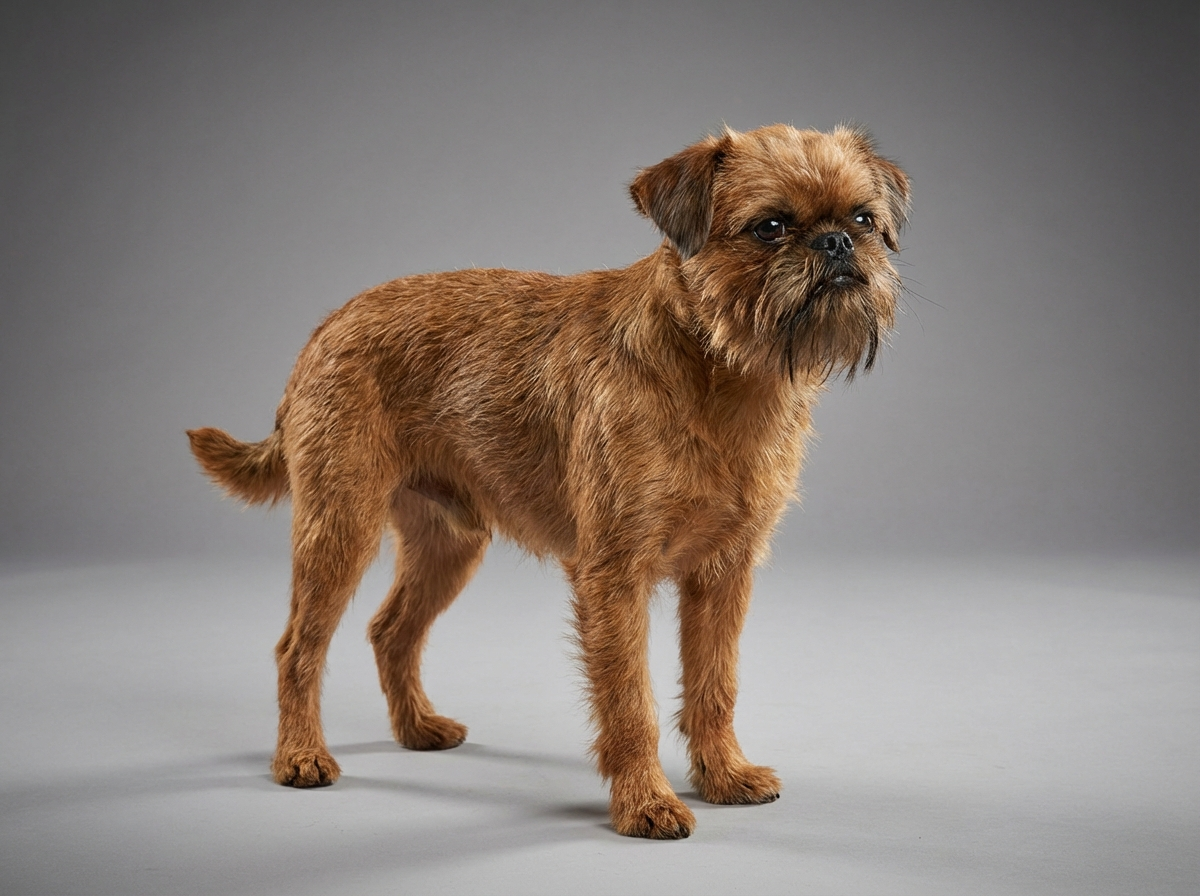
Brachycephalic airway disease is a mechanical problem created by selective breeding for a shortened skull. The soft tissues of the nose and throat do not shrink in proportion to the bone, so they are packed into too small a space. Narrowed nostrils, an overlong soft palate and a collapsing airway produce a dog that is working hard to breathe even at rest.
The Newfoundland's head is not built this way. It is large and heavy, but the muzzle is of normal proportion and the nasal passages are not compressed. That means the specific chain of obstruction that defines brachycephalic disease is not part of this breed's picture, and its documented health issues, hip dysplasia, subaortic stenosis, dilated cardiomyopathy, cystinuria and bloat, contain no airway condition at all.
This matters practically. An owner who reads that heat intolerance in dogs is caused by a short face may conclude that their long-muzzled Newfoundland must therefore be safe in warm weather, which is dangerously wrong. This breed overheats readily, but for entirely different reasons: a heavy water-resistant double coat, a large body producing heat faster than its surface can shed it, and cooling by panting that fails in humidity.
So the reassurance is real and narrow. A Newfoundland is not fighting a structurally obstructed airway. It is fighting physics.

Notice how many of these are size-related or acquired rather than structural. This is a very different risk list from a flat-faced breed's.
Large dogs make more noise than small ones simply because more air is moving. Some snoring while asleep, some snorting during excitement and heavy panting after exertion in warm weather are unremarkable in a hundred-plus-pound dog.
What matters is change. A dog that has always snored a little and still does is different from a dog whose breathing has become noisy over the past few months. Trend beats volume.
The specific changes worth acting on are these. Noise on the intake of breath, particularly a harsh raspy sound, points toward the upper airway and the voice box. A bark that has become hoarse, weak or different in tone is a genuinely useful early sign of laryngeal trouble and is frequently the first thing an owner notices. Heat intolerance that has worsened noticeably from one summer to the next, in a dog whose weight and routine have not changed, suggests the airway is doing less work than it used to. Panting that continues long after rest, or that occurs at rest in a cool room, is not normal.
Coughing is a separate signal and points more often toward the lungs or the heart than toward the upper airway. Any cough that persists beyond a few days, or that appears alongside reduced exercise tolerance, deserves an examination that includes listening to the chest properly.
Ronan's Newfoundland, Sile, was nine, and the first thing that changed was a sound the family had stopped noticing years ago. Her bark, which had been a deep and impressive thing, became hoarse and thin over a few months. Nobody mentioned it, because it did not seem like a medical event. The second summer after that, she began struggling on walks she had always managed, panting loudly and stopping in shade. Ronan assumed she was simply getting old, and moved the walks earlier, which helped. What took them to the clinic was a raspy noise she started making on the intake of breath, even lying in a cool room. The examination and further assessment identified reduced laryngeal function, a recognised problem in older large dogs. Her veterinarian was matter of fact about the sequence. The bark had changed first, roughly eighteen months before anything else, and had been the earliest available sign. Sile's management now centres on strict heat avoidance, weight control and close monitoring, and Ronan has recorded a video of every dog he has owned since, barking, for comparison.
Key takeaway: In an ageing large-breed dog, the voice is an early-warning system. A bark that has gone hoarse or thin is worth an appointment long before the breathing itself sounds wrong.
No. This breed has a normally proportioned muzzle and is not among the flat-faced breeds affected by brachycephalic airway syndrome. Its documented health issues are hip dysplasia, subaortic stenosis, dilated cardiomyopathy, cystinuria and bloat, none of which are airway conditions.
Because of coat and body mass rather than airway shape. A heavy water-resistant double coat traps heat, a large body generates more heat than its surface can shed, and panting works poorly in humidity. The outcome resembles a brachycephalic dog's distress but the mechanism is entirely different.
Yes, and it is worth an appointment. A hoarse, weak or altered bark in an older large-breed dog is one of the earliest signs of laryngeal dysfunction, and it often appears before the breathing noise becomes obvious.
Some sleeping noise is unremarkable in a giant dog. What matters is whether it has changed. New or increasing noise, particularly on the intake of breath, is worth investigating rather than accepting.
Get the dog cool and calm, keep it still, and go to a veterinary clinic immediately, phoning ahead. Do not restrain or wrestle a distressed dog, and do not put anything over its face. Struggling worsens both heat and oxygen demand.
Water inhaled during vigorous swimming can cause problems, and a dog with any laryngeal difficulty is at higher risk of aspirating. Swimming remains excellent exercise for most Newfoundlands, but a dog with a changed bark or noisy breathing should be assessed first.
Yes, meaningfully. Excess weight restricts chest expansion, increases oxygen demand and worsens heat tolerance. It is one of the few respiratory risk factors entirely under an owner's control.
No. The Newfoundland has a normally proportioned muzzle and does not have brachycephalic airway disease.
Heat. Coat and body mass, not airway shape, are what make this breed overheat dangerously.
A change in the bark. Hoarse, weak or different in tone, often before the breathing noise is obvious.
Only if it is new or increasing. Some sleeping noise is normal in a very large dog; a trend is what matters.
Cool the dog, keep it still and calm, and go immediately while phoning ahead. Do not restrain or cover the face.
A one-page prep sheet for this condition: the signs, the questions to ask, what to get priced. Unlocks here.
You get: Vet visit prep sheet
No spam. One-click unsubscribe. See our privacy policy.
See a sample page before you decide.
Early access list
The free prep sheet covers the same-day warning signs, a symptom log and the questions to ask. We are considering a fuller kit that adds a cost worksheet for the usual tests and treatments (US price ranges with their sources) and a plain-English guide to ways of covering the bill. It is not built yet; this list tells us whether it is worth building.
One email, no spam, unsubscribe anytime. Information only, not veterinary advice.