DogBreedCompass
← Back to breed profile

Rottweiler Respiratory Disease: What You Need to Know

Rottweiler respiratory disease is a serious concern that affects many dogs of this breed. It's important to understand its causes and how to manage it.

Owners of Rottweilers, especially first-time dog owners, may struggle with respiratory issues in their pets. These challenges can be alarming and require careful attention to their health and well-being.

Important reminder

This guide is not medical advice. If your dog shows pain, sudden behavior change, or worsening symptoms, consult a licensed veterinarian.

Some links may be affiliate links. We may earn a commission at no extra cost to you. We only suggest products we believe are helpful for dog owners.

What this problem looks like

Rottweiler respiratory disease can impact daily life for both the dog and owner. Symptoms may include coughing, wheezing, and difficulty breathing, which can be alarming to witness. This condition is often triggered by factors like obesity, exercise intolerance, or exposure to allergens, making it crucial for owners to monitor their Rottie's health closely.

Common triggers

  • Obesity and lack of exercise
  • Allergens in the environment
  • Existing health issues like heart disease

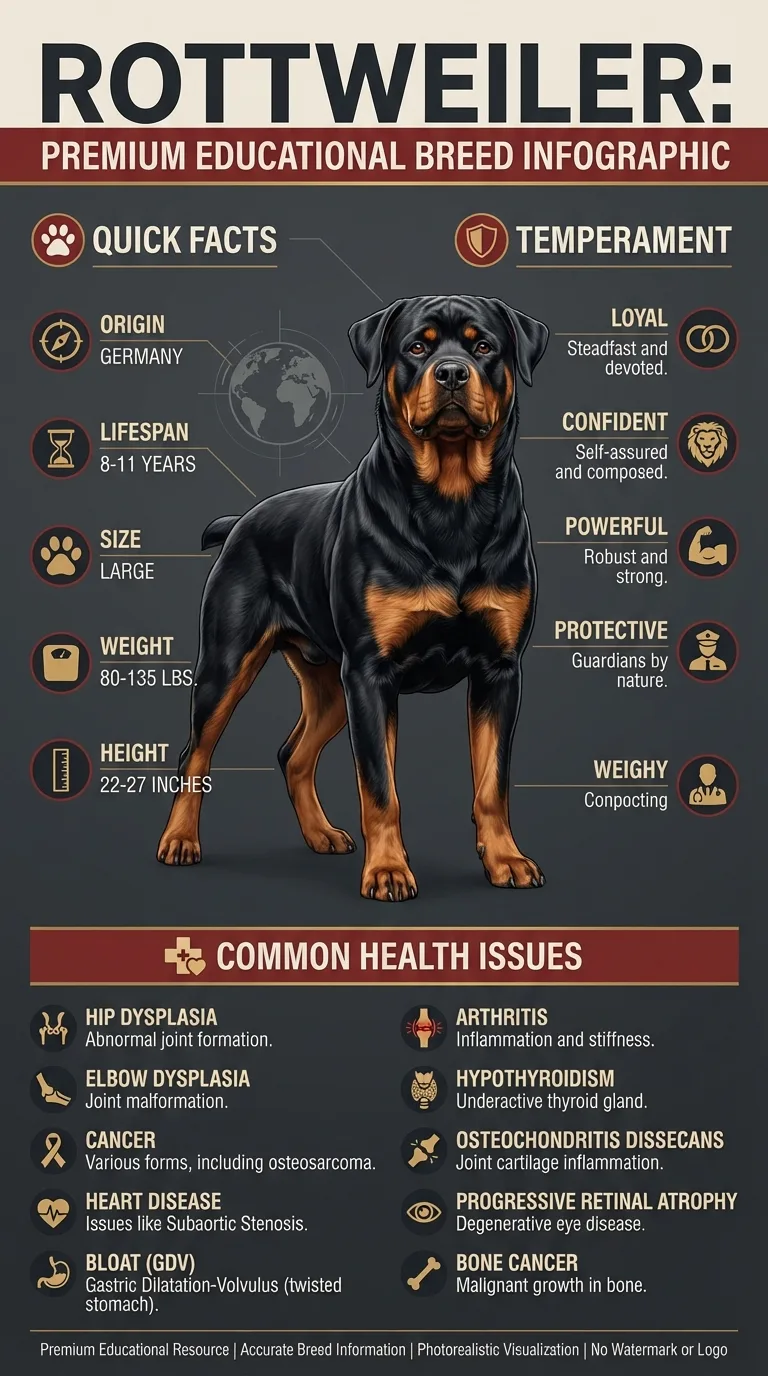
Rottweilers face a significantly higher risk of respiratory disease compared to non-brachycephalic breeds, making it a common concern among owners. Regular vet check-ups are essential to catch any signs early.

Why this happens

Breed factors

Rottweilers can be prone to respiratory issues due to their large size and short muzzle. This can lead to conditions like brachycephalic obstructive airway syndrome, which affects their breathing. Additionally, their heavy double coat can contribute to overheating, making respiratory problems more likely.

Environment factors

Environmental factors can also play a role in respiratory disease. Poor air quality, allergens, and exposure to smoke can irritate a Rottweiler's lungs. Stressful situations, like loud noises or crowded spaces, may worsen their respiratory health.

What you can try

At-home strategies

  • Monitor your Rottweiler's breathing patterns. If you notice wheezing or labored breathing, take note of when it happens.
  • Create a calm home environment. Reduce stressors such as loud noises or overcrowding, which can trigger anxiety and worsen breathing.
  • Ensure your Rottweiler stays cool, especially in hot weather. Provide plenty of water and avoid strenuous exercise on hot days to prevent overheating.
  • Regularly clean your home to reduce allergens. Use air purifiers and keep windows closed on high pollen days.

When to consider a trainer

If your Rottweiler shows signs of anxiety that affect their breathing, consider working with a professional dog trainer. They can help your dog become more comfortable in stressful situations and improve their overall behavior.

When to talk to your vet

If your Rottweiler experiences chronic coughing, difficulty breathing, or unusual lethargy, consult your vet promptly. They can diagnose potential respiratory diseases and recommend appropriate treatments.

Realistic expectations

Addressing Rottweiler respiratory disease can take several weeks to months, depending on the severity. Consistent training and veterinary care are essential for improvement.

Success means your Rottweiler shows improved breathing patterns, reduced coughing, and increased energy levels. You'll notice your dog enjoying daily activities without distress.

Mistakes that make this worse

Avoiding these common mistakes can help you manage Rottweiler respiratory disease more effectively.

  • Ignoring early signs of respiratory issues: Many owners dismiss coughing or wheezing as normal. Instead, consult your vet as soon as you notice these symptoms to get timely care.
  • Excessive exercise during hot weather: Rottweilers can struggle with heavy breathing in high temperatures. Opt for shorter, cooler walks and play sessions during the day.
  • Using harsh training methods: Negative reinforcement can increase anxiety and worsen respiratory problems. Stick to positive reinforcement techniques to make training a more enjoyable experience.
  • Neglecting regular vet check-ups: Skipping routine visits can lead to missed health issues. Schedule consistent check-ups to monitor your Rottweiler's respiratory health.
  • Overlooking weight management: Excess weight can put extra strain on your Rottweiler's lungs. Ensure your dog maintains a healthy weight through a balanced diet and appropriate exercise.
  • Exposing your dog to smoke or pollutants: Secondhand smoke and pollution can worsen respiratory conditions. Keep your home and car smoke-free and limit outdoor time in polluted areas.
  • Failing to create a calm environment: Stress can exacerbate respiratory issues in Rottweilers. Create a soothing space where your dog feels safe and secure.

When Rottweiler Respiratory Disease Becomes an Emergency

It's crucial to know when Rottweiler respiratory disease becomes an emergency. Some signs mean you should call your vet immediately, while others can be monitored at home. Recognizing the difference can save your dog's life.

Red flags include severe difficulty breathing, extreme lethargy, or blue-tinged gums. If your Rottweiler is wheezing uncontrollably or showing signs of distress, don't wait. These symptoms suggest a critical condition that may require urgent medical attention.

On the other hand, if your Rottweiler has mild coughing or occasional sneezing, these may not be emergencies. You can monitor these symptoms at home, ensuring your dog stays hydrated and comfortable. It's still essential to have a plan in place, such as a vet visit if symptoms persist for more than a couple of days or worsen.

Keeping a close eye on their behavior and breathing can help you make informed decisions about their health.

Rottweiler Respiratory Disease: What You Need to Know - When Rottweiler Respiratory Disease Becomes an Emergency

Maya's Journey with Max's Respiratory Issues

Maya, a first-time dog owner in Los Angeles, noticed her Rottweiler, Max, struggling to breathe after only short walks. Concerned, she visited her vet, who diagnosed him with early-stage respiratory disease. With a treatment plan that included medication and gradual training exercises to strengthen his lungs, Maya followed up with regular vet visits and adjusted Max's activity levels. Over time, she saw significant improvement in his breathing and overall energy. After a few months, Max was able to join her on longer walks without any issues.

Key takeaway: With patience and a solid plan, you can help your Rottweiler manage respiratory disease effectively. Regular vet check-ups and tailored exercise are crucial.

Frequently asked questions

What causes Rottweiler respiratory disease?

Rottweiler respiratory disease can be caused by several factors, including genetics, obesity, and environmental conditions. Rottweilers have a higher risk due to their larger size and specific breed traits. It's important to monitor their weight and provide a clean living environment to help minimize risks.

How can I stop Rottweiler respiratory disease?

To manage Rottweiler respiratory disease, focus on maintaining a healthy weight and ensuring regular exercise. Avoid exposing your dog to extreme temperatures and pollutants, and consult your vet for a tailored health plan. Early intervention can make a significant difference.

What are the symptoms of respiratory disease in Rottweilers?

Symptoms of respiratory disease in Rottweilers include coughing, labored breathing, and lethargy. If you notice your Rottweiler showing any of these signs, it's essential to consult your veterinarian promptly. Catching issues early can lead to better outcomes.

Can training help with Rottweiler respiratory disease?

Training can indirectly help by promoting a healthy lifestyle and encouraging exercise in a controlled manner. Obedience training can also reduce stress and anxiety, which may worsen respiratory issues. Positive reinforcement techniques work best for Rottweilers.

Why does my Rottweiler have respiratory disease?

Rottweilers may have respiratory disease due to their genetic predisposition and the structure of their respiratory systems. Factors like poor breeding practices can also contribute. Regular vet check-ups are crucial to detect and address these issues early.

What are the signs of respiratory disease in Rottweilers?

Signs of respiratory disease in Rottweilers include coughing, difficulty breathing, and excessive panting. You may also notice lethargy, decreased appetite, or unusual behavior. If you observe these symptoms, it's crucial to consult your veterinarian.

Can older Rottweilers develop respiratory disease?

Yes, older Rottweilers are more susceptible to respiratory disease due to age-related health issues. Regular vet check-ups are essential as they can help catch these problems early. Keeping an eye on their weight and exercise levels also supports their respiratory health.

How can I manage my Rottweiler's respiratory disease at home?

Managing Rottweiler respiratory disease at home includes ensuring a smoke-free environment and avoiding extreme temperatures. Providing a humidifier can help ease breathing difficulties. Always follow your vet's advice on medications and home care routines.

Is Rottweiler respiratory disease hereditary?

Some respiratory issues can be hereditary, especially if the dog has a family history of respiratory conditions. It's important to discuss this with your breeder and ensure you're aware of any potential risks. Regular health screenings can help identify issues early.

How does climate affect Rottweilers with respiratory disease?

Climate can significantly impact Rottweilers with respiratory disease. Hot, humid weather can exacerbate breathing issues, while cold air can irritate their airways. It's best to keep them indoors during extreme weather and provide a comfortable environment.

Quick answers

View more answers
Health

What are quick tips for Rottweiler respiratory disease?

Maintain a healthy diet and weight for your Rottweiler to reduce stress on their respiratory system. Regular vet check-ups are essential for early detection and management of respiratory issues.

Living

How often should I exercise my Rottweiler?

Aim for at least 1 hour of exercise daily to keep your Rottweiler healthy and fit. Be cautious with intense activities during extreme weather to protect their respiratory health.

Living

What environmental factors affect Rottweiler respiratory health?

Ensure your Rottweiler's environment is free from smoke, dust, and extreme temperatures. Poor air quality can aggravate respiratory conditions.

Living

How can I help my Rottweiler during hot weather?

Keep your Rottweiler cool and hydrated during hot weather. Avoid strenuous activities and provide plenty of shade and water to prevent heat-related respiratory issues.

Related DogBreedCompass guides

  • Rottweiler behavior problemsLearn how to manage and improve your Rottweiler's behavior in relation to respiratory disease.
  • Rottweiler separation anxiety guideDiscover tips and strategies to help your Rottweiler cope with separation anxiety, which can impact their respiratory health.
  • Rottweiler health costs breakdownGet insights into the costs associated with common health issues in Rottweilers, including respiratory diseases.
  • Rottweiler respiratory disease trainingFind out how to train your Rottweiler to minimize respiratory stress and promote better health.
  • Common health issues in RottweilersExplore other health issues common in Rottweilers that could affect their overall well-being.

Related guides