Health
What are quick tips for Miniature Schnauzer respiratory disease?
Keep your Mini Schnauzer cool and avoid strenuous exercise. Regular vet check-ups and a balanced diet can help manage their condition.

Quick answer
What are quick tips for Miniature Schnauzer respiratory disease?
Keep your Mini Schnauzer cool and avoid strenuous exercise. Regular vet check-ups and a balanced diet can help manage their condition.
Miniature Schnauzer respiratory disease can be a serious concern for dog owners. This condition significantly impacts their health and quality of life.
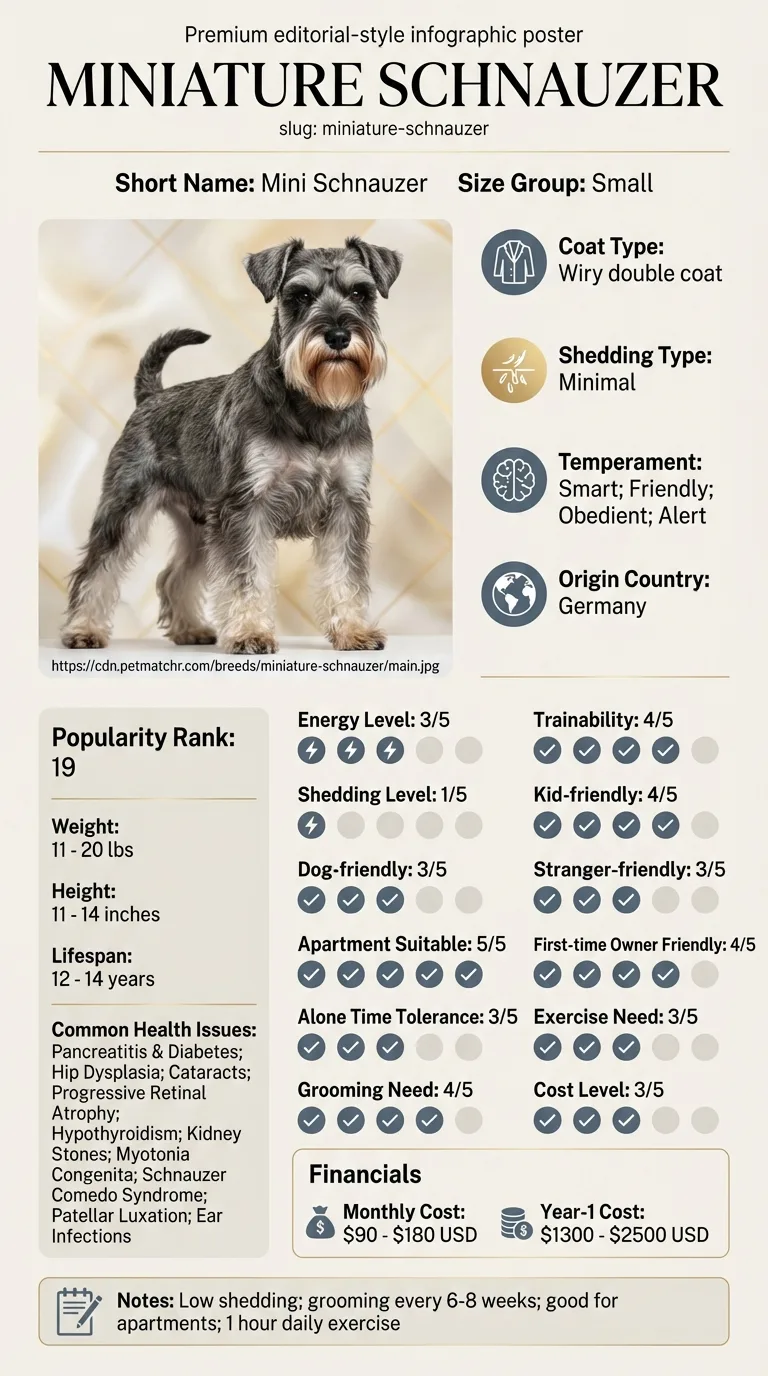
Owners of Miniature Schnauzers often face the challenge of managing respiratory disease, especially those new to the breed or unaware of its potential health issues. Busy families, individuals living in urban areas, and first-time pet owners may find it particularly difficult to recognize and address these problems early on.
This guide is not medical advice. If your dog shows pain, sudden behavior change, or worsening symptoms, consult a licensed veterinarian.
Some links may be affiliate links. We may earn a commission at no extra cost to you. We only suggest products we believe are helpful for dog owners.
We research and check what we publish, but we do not warrant that any figure, date, price, or statement is accurate, complete, or current, and we accept no liability for any loss, cost, injury, or other harm arising from the use of this site. Use it as one reference among several. You remain responsible for your own decisions and for your dog's care - confirm anything that matters with a licensed veterinarian or another qualified professional before you act on it. Full disclaimer.
Check this first
Understanding when Miniature Schnauzer respiratory disease is an emergency is crucial for your dog's health. Certain signs indicate you should call your vet immediately, while others may allow for monitoring at home.
Red-flag signs that require urgent attention include: - Difficulty breathing or labored breaths - Blue-tinged gums or tongue - Persistent coughing or wheezing - Lethargy or extreme weakness These symptoms suggest severe respiratory distress and could indicate life-threatening issues.
On the other hand, mild cases can often be observed at home. If your Miniature Schnauzer shows occasional coughing without severe symptoms, monitor their behavior and consider the following: - Changes in activity level - Occasional sneezing or snorting - Mild nasal discharge - Increased panting, especially after exercise
For these less severe cases, keep a close eye on your pup, but be prepared to consult your vet if symptoms worsen. It's better to be safe and get a professional opinion if you're uncertain. Your dog's health depends on prompt action when necessary.
If any of these apply, call your vet or an emergency clinic now. The rest of this page is for the cases that are not an emergency.
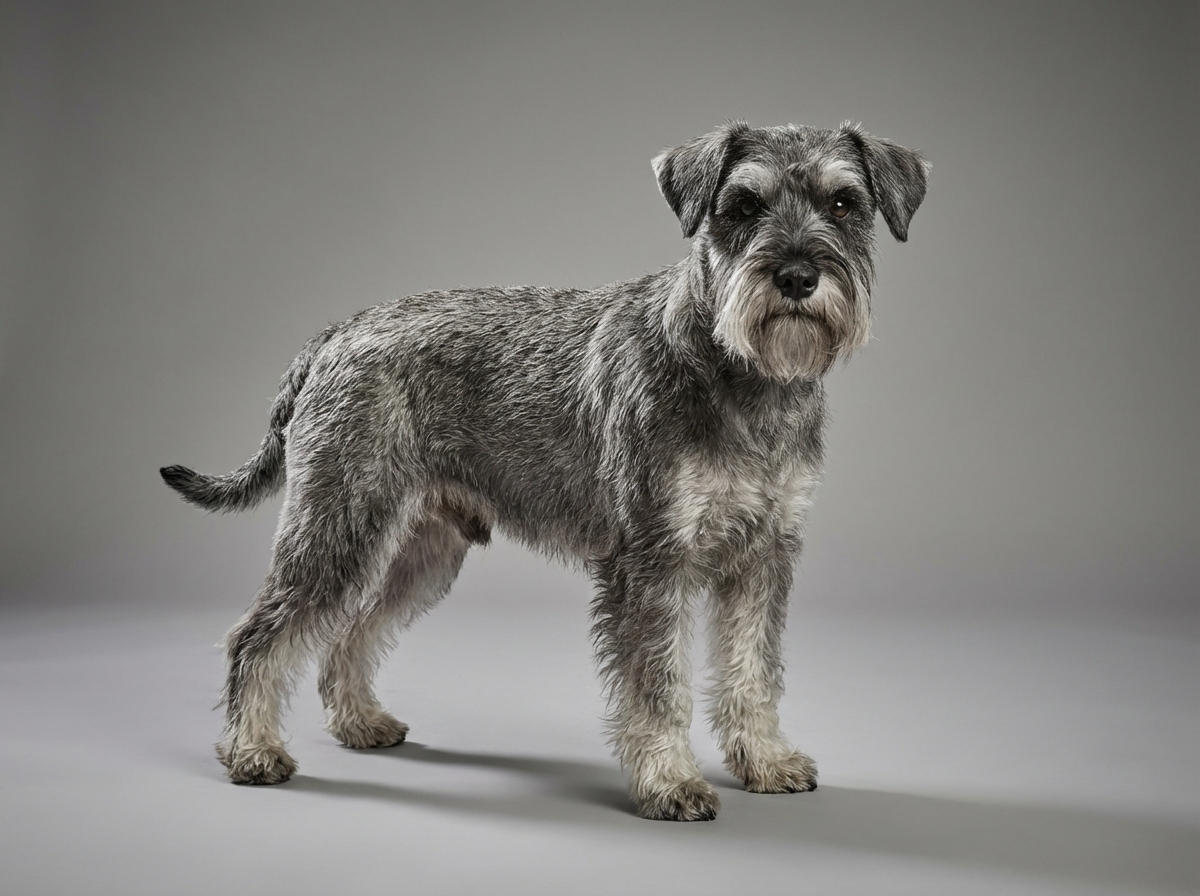
Miniature Schnauzer respiratory disease can manifest as coughing, wheezing, or difficulty breathing. Owners may notice their dog panting excessively or struggling during regular activities like walks. This condition is concerning, especially since Miniature Schnauzers have a higher risk of respiratory issues compared to other breeds.
Respiratory disease is notably common in Miniature Schnauzers, especially as they age. Due to their smaller size and unique respiratory structure, they are at about a 479% higher risk than non-brachycephalic dogs. Regular vet check-ups can help catch these issues early.
Miniature Schnauzers, while not brachycephalic, can still develop respiratory issues due to their small size and unique anatomy. Their wiry double coat can also trap allergens, which may exacerbate breathing problems. Genetic predisposition to certain health issues may further increase their risk of respiratory diseases.
Environmental factors play a significant role in respiratory health. Allergens like dust, pollen, and smoke can irritate a Miniature Schnauzer's lungs. Additionally, living in a densely populated area with poor air quality can increase the likelihood of respiratory problems.
If you notice persistent coughing, wheezing, or any difficulty breathing, it’s crucial to consult a veterinarian. They can assess your dog's condition and recommend appropriate treatments or lifestyle changes to manage respiratory issues.
Avoiding certain common mistakes can significantly improve your Miniature Schnauzer's respiratory health. Here are some behaviors that can worsen the situation, along with safer alternatives.
Start here: Miniature Schnauzer Most Common Genetic Disorders: Screening
See all Miniature Schnauzer health problems, which breeds are prone to respiratory disease, or the full Miniature Schnauzer breed guide for temperament, exercise needs and ownership costs.
It typically takes 4 to 6 weeks of consistent care and follow-up with your vet to see improvements in managing Miniature Schnauzer respiratory disease.
Success means your Miniature Schnauzer shows reduced symptoms, such as less coughing or difficulty breathing, and can engage in daily activities without distress.
Jenna, a first-time dog owner, noticed her Miniature Schnauzer, Max, often wheezing and struggling to catch his breath during walks. Worried, she consulted her vet, who explained that Miniature Schnauzers are prone to respiratory issues. Armed with knowledge and a structured training plan, Jenna started using gentle leash control, avoided hot weather walks, and introduced calming exercises at home. Over the next few weeks, she saw a notable improvement in Max's breathing and energy levels, allowing them both to enjoy their time together outdoors.
Key takeaway: With proper training and a proactive approach, you can significantly improve your Miniature Schnauzer's quality of life despite respiratory challenges.
Miniature Schnauzers can develop respiratory disease due to their brachycephalic features, which make it harder for them to breathe. Additionally, factors like obesity or allergies can exacerbate these issues. Regular vet check-ups are essential to monitor their respiratory health.
Common symptoms include coughing, wheezing, difficulty breathing, and exercise intolerance. If your Mini Schnauzer shows any of these signs, it’s crucial to consult a veterinarian promptly. Early intervention can make a significant difference.
To help your Miniature Schnauzer, ensure they maintain a healthy weight to reduce strain on their lungs. Avoid exposing them to extreme temperatures and limit strenuous exercise. Regular vet visits can help manage their condition effectively.
Treatment options may include medications to reduce inflammation, bronchodilators, and in severe cases, surgery. Your vet will determine the best course of action based on the specific needs of your dog. Always follow their recommendations closely.
Preventive measures include maintaining a healthy diet, ensuring regular exercise, and avoiding secondhand smoke. Keeping your dog at a healthy weight is crucial. Regular vet check-ups can also help catch any issues early.
Yes, some respiratory issues can be hereditary, especially in breeds like the Miniature Schnauzer. If your dog has a family history of respiratory disease, be extra vigilant for signs and consult your vet regularly.
Keeping your dog at a healthy weight, avoiding smoke and pollutants, and ensuring they get regular vet check-ups can help manage respiratory issues. Additionally, training for calm behavior can minimize stress on their respiratory system.
If your Miniature Schnauzer has persistent coughing, labored breathing, or shows signs of distress, you should see a vet immediately. Early intervention can make a significant difference in treatment outcomes.
The outlook varies depending on the severity of the disease and how early it is detected. With proper management and care, many Miniature Schnauzers can lead a comfortable life, but regular vet visits are crucial for monitoring their health.
Keep your Mini Schnauzer cool and avoid strenuous exercise. Regular vet check-ups and a balanced diet can help manage their condition.
Treatment costs vary, but expect to pay between $50 to $300 for vet visits and medications. More serious cases may incur higher costs.
Training can help manage your Mini Schnauzer's behavior, reducing stress that may worsen respiratory issues. Focus on calm, positive reinforcement techniques.
A comfortable, temperature-controlled environment is ideal. Avoid areas with high pollution or allergens to help your dog breathe easier.
A one-page prep sheet for this condition: the signs, the questions to ask, what to get priced. Unlocks here.
You get: Vet visit prep sheet
No spam. One-click unsubscribe. See our privacy policy.
Preview page 1 before you decide.