DogBreedCompass
← Back to breed profile

Great Dane Arrhythmogenic Right Ventricular Cardiomyopathy (ARVC)

Great Dane arrhythmogenic right ventricular cardiomyopathy (ARVC) is a serious heart condition that affects your dog's heart rhythm. Understanding this problem is crucial for their health and well-being.

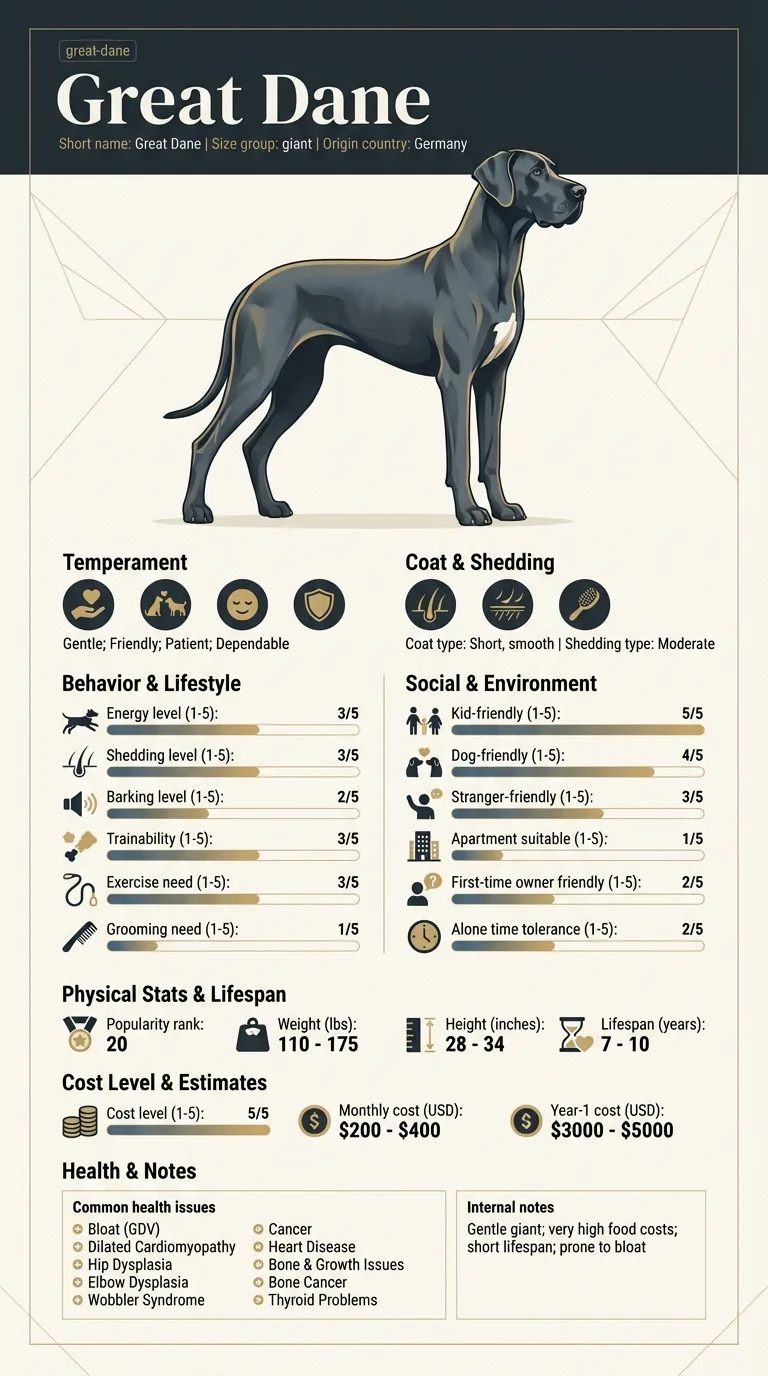
Great Dane Arrhythmogenic Right Ventricular Cardiomyopathy (ARVC) infographic

Typically, owners of Great Danes, especially those who may be first-time dog parents or are unfamiliar with breed-specific health issues, struggle with ARVC. This condition can be alarming, making it essential to have the right information and support.

Important reminder

This guide is not medical advice. If your dog shows pain, sudden behavior change, or worsening symptoms, consult a licensed veterinarian.

Some links may be affiliate links. We may earn a commission at no extra cost to you. We only suggest products we believe are helpful for dog owners.

What this problem looks like

Great Dane arrhythmogenic right ventricular cardiomyopathy (ARVC) is a serious heart condition that affects these gentle giants. Day-to-day, you might notice your Great Dane experiencing irregular heartbeats, lethargy, or fainting spells. Many owners might not recognize these signs immediately, but they can lead to severe health issues if not addressed promptly.

Common triggers

  • Genetics and hereditary factors
  • Stressful situations or high excitement
  • Lack of regular exercise or obesity

ARVC is relatively common in Great Danes, especially as they age. Studies suggest that around 25% of Great Danes may develop some form of heart disease, including ARVC, by the time they reach middle age. This makes it crucial for owners to be aware of the signs and seek veterinary advice.

Why this happens

Breed factors

Great Danes are genetically predisposed to certain heart conditions, including arrhythmogenic right ventricular cardiomyopathy (ARVC). This condition can arise due to inherited traits that affect heart muscle structure and function. As a result, these gentle giants may experience irregular heart rhythms as they age.

Environment factors

Environmental factors can also influence the development of ARVC in Great Danes. High stress levels, lack of exercise, or poor diet can exacerbate heart issues. Additionally, exposure to toxins or secondhand smoke may further contribute to heart health problems.

What you can try

At-home strategies

  • Monitor your Great Dane's activity levels. Ensure they get regular, moderate exercise without overexertion. Aim for short walks suited to their energy level.
  • Feed a balanced diet that's low in sodium. Consult your vet for recommendations on high-quality dog foods that support heart health.
  • Create a calm home environment. Reduce stressors by establishing a routine and providing a comfortable space for them to relax.

When to consider a trainer

If you notice behavioral changes, like increased anxiety or restlessness, consider consulting a professional trainer. They can help with strategies to reduce stress and improve your dog's overall well-being. A trainer experienced with large breeds is ideal.

When to talk to your vet

If your Great Dane shows signs of lethargy, unusual coughing, or difficulty breathing, consult your veterinarian right away. Regular check-ups are essential, especially as they age. Early detection can make a significant difference in managing ARVC.

Realistic expectations

Managing Great Dane arrhythmogenic right ventricular cardiomyopathy (ARVC) typically takes several months of consistent care and monitoring. Initial adjustments may take about 4 to 6 weeks to see improvements in behavior and health.

Success means your Great Dane shows fewer symptoms related to ARVC, such as less lethargy and improved energy levels. Regular vet check-ups will confirm stable heart health, allowing your dog to enjoy life with more comfort.

Mistakes that make this worse – Great Dane arrhythmogenic right ventricular cardiomyopathy (arvc)

Certain behaviors can unintentionally worsen your Great Dane's arrhythmogenic right ventricular cardiomyopathy (ARVC). Here are some common mistakes and safer alternatives to help manage this condition.

  • Ignoring early symptoms: Many owners overlook signs like lethargy or unusual breathing. Early detection is crucial for effective management.
  • Neglecting regular vet check-ups: Skipping scheduled vet visits can delay necessary interventions. Regular check-ups help monitor the heart's health and adjust treatment as needed.
  • Overexerting your dog: Allowing your Great Dane to engage in strenuous activities can worsen their condition. Instead, provide gentle exercise like leisurely walks to keep them active without strain.
  • Failing to manage stress: High-stress environments can trigger heart issues. Create a calm home atmosphere and consider training to reduce anxiety triggers.
  • Ignoring dietary needs: Feeding low-quality food can negatively impact heart health. Opt for a balanced diet recommended by your vet specifically for heart conditions.
  • Delaying treatment: Some owners wait too long to seek help after noticing symptoms. Prompt veterinary attention can significantly improve your dog's quality of life.
  • Not seeking support: Going through this alone can be overwhelming. Connect with support groups or communities for owners of dogs with ARVC for shared experiences and advice.

When Great Dane ARVC is an Emergency

It's crucial to know when Great Dane arrhythmogenic right ventricular cardiomyopathy (ARVC) requires immediate veterinary attention. If your dog shows any of these red-flag signs, call your vet right away: severe lethargy, fainting, difficulty breathing, or a racing heart rate. These symptoms could indicate a serious arrhythmia that needs urgent care.

In contrast, some signs may be less urgent and can be monitored at home. If your Great Dane occasionally exhibits mild shortness of breath or seems a bit tired after exercise, keep an eye on them. It's important to track any changes in their behavior, appetite, or exercise tolerance, and consult with your vet for a tailored monitoring plan. Regular check-ups can also help you stay ahead of any potential issues.

Being vigilant and informed can make a big difference. Always trust your instincts—if something feels off, don’t hesitate to reach out to your veterinarian. Early intervention can greatly improve outcomes for dogs with ARVC.

Great Dane Arrhythmogenic Right Ventricular Cardiomyopathy (ARVC) - When Great Dane ARVC is an Emergency

A Journey with Max: Overcoming ARVC Challenges

When Sarah adopted Max, her Great Dane, she noticed he often seemed tired and less playful than she expected. After a vet visit, she learned he had arrhythmogenic right ventricular cardiomyopathy (ARVC). Determined to help him, Sarah followed a tailored care plan, which included medication and adjusted exercise routines. Over a few months, Max's energy improved, and he started enjoying walks again, bringing joy back to their lives.

Key takeaway: With the right management and care, Great Danes with ARVC can lead fulfilling lives. Consistent vet check-ups and a supportive environment are key.

Frequently asked questions

Why does my Great Dane have arrhythmogenic right ventricular cardiomyopathy (ARVC)?

Great Danes can develop arrhythmogenic right ventricular cardiomyopathy (ARVC) due to genetic factors. This heart condition affects the heart's ability to maintain a normal rhythm. Early detection through regular vet check-ups is crucial for management.

How can I stop my Great Dane from experiencing arrhythmogenic right ventricular cardiomyopathy (ARVC)?

While you can't stop ARVC entirely, you can manage the symptoms. Regular veterinary check-ups, a healthy diet, and appropriate exercise can help maintain your dog's heart health. Medication may also be prescribed to regulate the heart rhythm.

What are the signs of arrhythmogenic right ventricular cardiomyopathy (ARVC) in Great Danes?

Signs of ARVC in Great Danes may include lethargy, fainting, or difficulty breathing. If you notice these symptoms, it's essential to consult your veterinarian promptly. Early intervention can significantly improve your dog's quality of life.

Is there a specific diet for Great Danes with arrhythmogenic right ventricular cardiomyopathy (ARVC)?

A balanced diet rich in omega-3 fatty acids may benefit Great Danes with ARVC. Consult your vet for specific dietary recommendations tailored to your dog's needs. Maintaining a healthy weight is also crucial to reduce strain on the heart.

Can training help a Great Dane with arrhythmogenic right ventricular cardiomyopathy (ARVC)?

Training can help manage behavior but won’t cure ARVC. Gentle exercise and mental stimulation are beneficial. Always monitor your dog during activities to ensure they don’t overexert themselves.

What are the early signs of Great Dane arrhythmogenic right ventricular cardiomyopathy (ARVC)?

Early signs of Great Dane arrhythmogenic right ventricular cardiomyopathy (ARVC) can include lethargy, fainting, or weakness during exercise. You might also notice an irregular heartbeat or unusual behaviors. Monitoring your dog's activity and heart rate can help catch issues early.

Can ARVC in Great Danes affect older dogs differently?

Yes, older Great Danes may show more pronounced symptoms of arrhythmogenic right ventricular cardiomyopathy (ARVC). As they age, their hearts may become less resilient, making it crucial to regularly check for any changes in their health or behavior.

How can I help my Great Dane with ARVC manage stress?

Managing stress for your Great Dane with ARVC is essential. Create a calm environment, avoid sudden changes, and establish a daily routine. Training techniques, such as positive reinforcement, can also help reduce anxiety.

When should I take my Great Dane to the vet for ARVC concerns?

You should take your Great Dane to the vet if you notice symptoms like frequent coughing, difficulty breathing, or fainting. Regular check-ups are also important, especially if your dog has a history of heart issues.

Is there a specific diet for Great Danes with ARVC?

While there isn't a one-size-fits-all diet for Great Danes with arrhythmogenic right ventricular cardiomyopathy (ARVC), a balanced diet that supports heart health is essential. Consult your vet for tailored dietary recommendations that suit your dog's needs.

Quick answers

View more answers
Health

What are quick tips for managing Great Dane arrhythmogenic right ventricular cardiomyopathy (ARVC)?

Keep regular vet appointments and monitor your dog's heart health. Provide a balanced diet and gentle exercises. Be aware of any unusual behaviors that could indicate heart issues.

Costs

How much does it cost to treat Great Dane arrhythmogenic right ventricular cardiomyopathy (ARVC)?

Treatment costs can vary widely but may range from $200 to $400 monthly depending on medication and vet visits. Always budget for unexpected health issues.

Living

Can exercise help my Great Dane with ARVC?

Moderate exercise can be beneficial, but avoid strenuous activities. Focus on short walks and play sessions that keep your dog engaged without overexertion.

Health

What should I do if my Great Dane faints?

If your Great Dane faints, stay calm and check their breathing. Contact your vet immediately to discuss the incident and any necessary evaluations.

Related DogBreedCompass guides

  • Great Dane behavior problemsLearn about common behavior issues that can arise in Great Danes, including how to address them effectively.
  • Great Dane arrhythmogenic right ventricular cardiomyopathy (arvc) trainingExplore training techniques specifically designed for Great Danes, which can help manage their health conditions like ARVC.
  • Great Dane separation anxiety guideFind out how separation anxiety can affect Great Danes and get tips on helping your dog cope.
  • Great Dane cost breakdownUnderstand the costs associated with owning a Great Dane, including potential medical expenses related to ARVC.
  • Great Dane health concernsDiscover other health issues Great Danes face, including heart disease and how to manage them.

Related guides