Behavior
What are some quick tips for managing Great Dane hip dysplasia prevalence?
Ensure a balanced diet, maintain a healthy weight, and avoid excessive jumping or running. Regular vet check-ups are key to catching issues early.

Quick answer
What are some quick tips for managing Great Dane hip dysplasia prevalence?
Ensure a balanced diet, maintain a healthy weight, and avoid excessive jumping or running. Regular vet check-ups are key to catching issues early.
Great Dane hip dysplasia prevalence is a serious concern among owners of this giant breed. This condition can lead to pain and mobility issues, affecting your dog's quality of life.
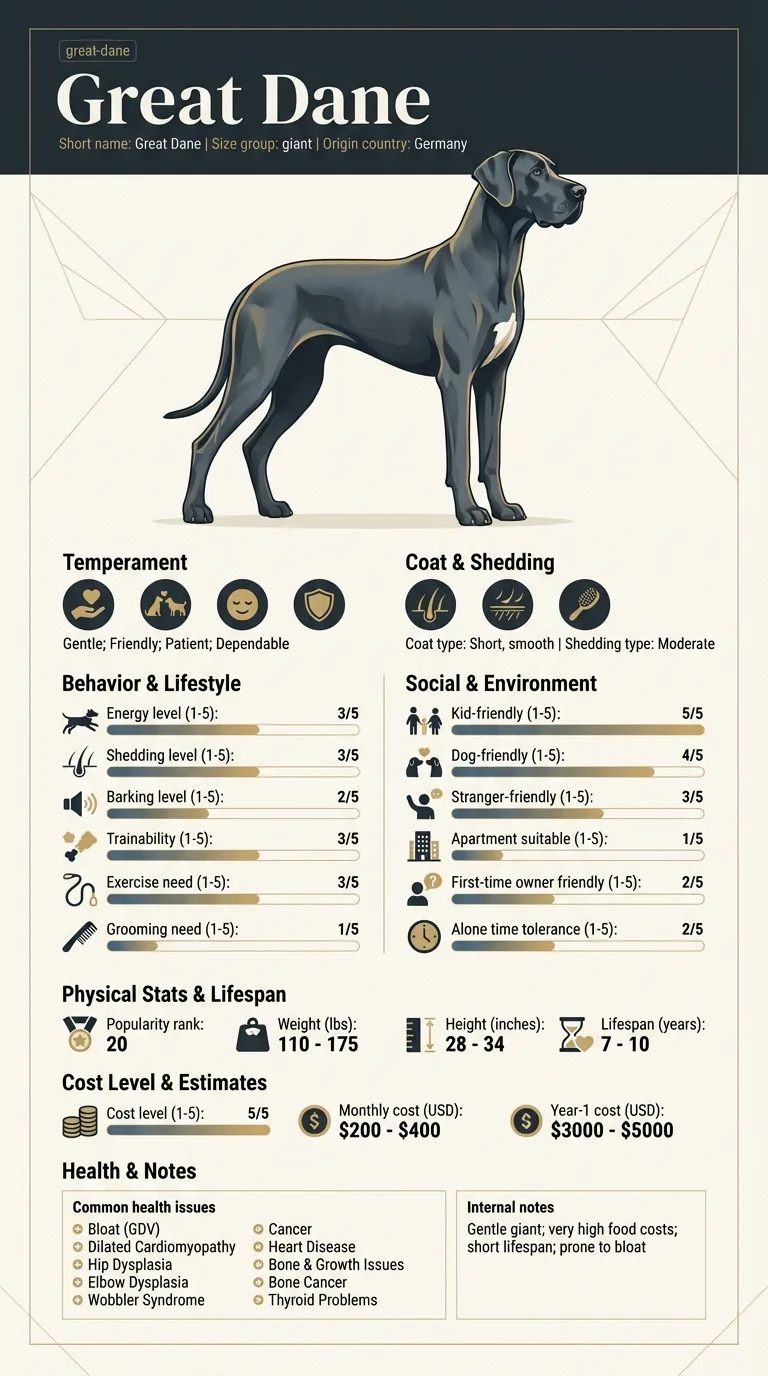
New and experienced Great Dane owners alike often struggle with hip dysplasia prevalence. Owners who live in active households or those who plan to engage in regular exercise may find themselves facing this challenge more acutely.
This guide is not medical advice. If your dog shows pain, sudden behavior change, or worsening symptoms, consult a licensed veterinarian.
Some links may be affiliate links. We may earn a commission at no extra cost to you. We only suggest products we believe are helpful for dog owners.
We research and check what we publish, but we do not warrant that any figure, date, price, or statement is accurate, complete, or current, and we accept no liability for any loss, cost, injury, or other harm arising from the use of this site. Use it as one reference among several. You remain responsible for your own decisions and for your dog's care - confirm anything that matters with a licensed veterinarian or another qualified professional before you act on it. Full disclaimer.
Check this first
If your Great Dane shows severe pain, refuses to put weight on a leg, or has difficulty walking, these are red flags that require immediate veterinary attention. Other signs like swelling in the hip area or sudden behavioral changes, such as increased aggression or withdrawal, can also indicate an urgent problem. In these cases, it’s best to call your vet right away.
On the other hand, if your Great Dane is limping occasionally but still able to play, it may be a mild case that can be monitored. Watch for consistent limping or if your dog struggles to stand up after resting. Keeping track of activity levels and discussing any changes with your vet can help you make informed decisions.
For less severe cases, a plan involving rest, controlled exercise, and weight management may be sufficient. However, always err on the side of caution. If you’re ever in doubt, it’s a good idea to reach out to your veterinarian for guidance.
If any of these apply, call your vet or an emergency clinic now. The rest of this page is for the cases that are not an emergency.
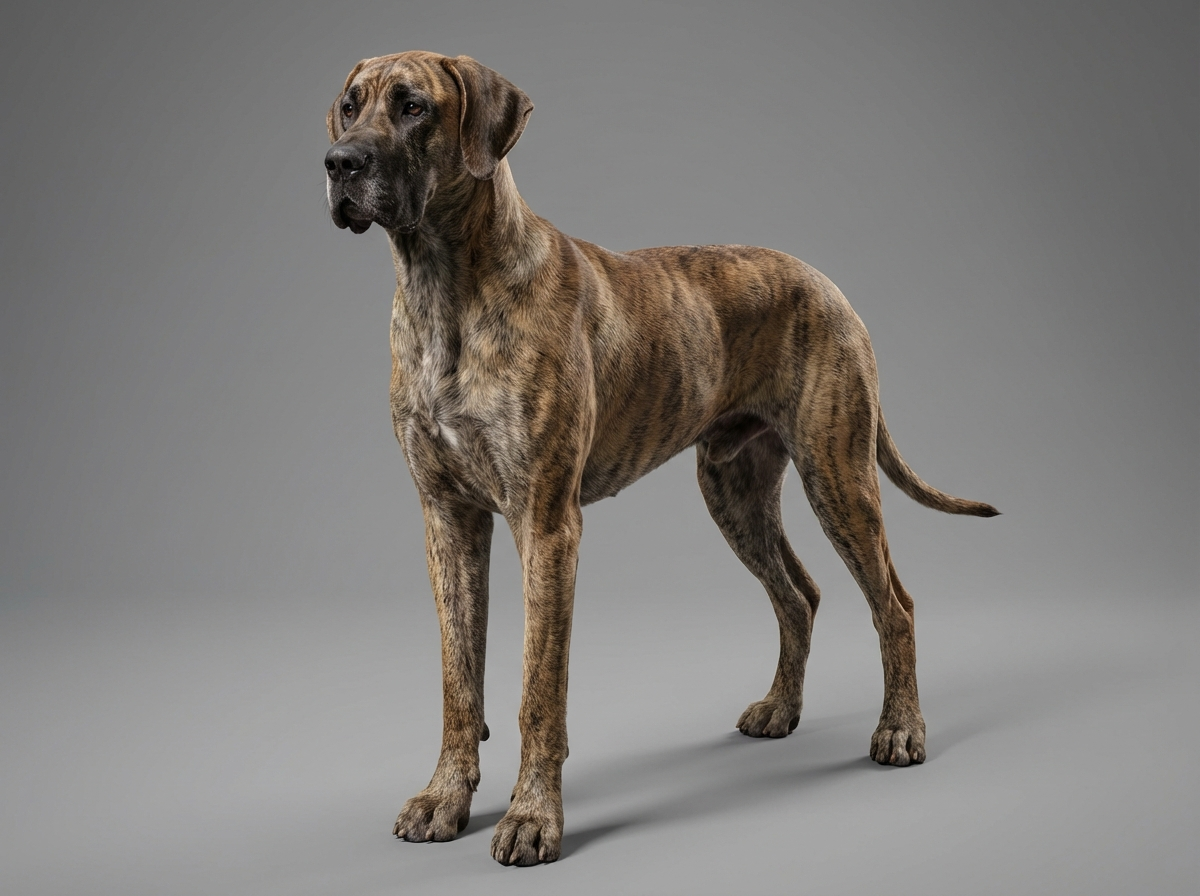
Great Dane hip dysplasia prevalence is a common issue for this giant breed. It typically manifests as discomfort or difficulty in movement, often seen in younger dogs after exercise or as they age. Owners might notice their Great Dane limping, having trouble standing up, or displaying reluctance to jump or run.
Hip dysplasia is quite prevalent in Great Danes, affecting around 30% to 40% of the breed. This condition can lead to severe pain and mobility issues if not managed properly.
Great Danes are prone to hip dysplasia due to their large size and rapid growth. This genetic predisposition can lead to joint malformation and arthritis. Breeding practices can also impact the prevalence of hip dysplasia in this breed.
Environmental factors, such as excessive weight gain and lack of exercise, can worsen hip dysplasia. Poor nutrition and inadequate physical activity during puppyhood can also contribute to joint problems later in life. Additionally, an overly slick floor can increase the risk of slips and injuries.
Talk to your vet if you notice any limping, difficulty standing, or reluctance to jump or climb stairs. Regular check-ups are crucial for monitoring joint health, especially as your dog ages.
When dealing with Great Dane hip dysplasia prevalence, certain owner behaviors can unintentionally worsen the situation. Here are some common mistakes to avoid, along with safer alternatives.
Start here: Great Dane Most Common Genetic Disorders: What to Screen For
See all Great Dane health problems, which breeds are prone to hip dysplasia prevalence, or the full Great Dane breed guide for temperament, exercise needs and ownership costs.
You might start seeing improvements in your Great Dane's hip dysplasia symptoms within a few weeks of consistent care and follow-up with your vet. For significant changes, plan for several months of dedicated effort.
Success means your Great Dane exhibits less discomfort during movement, is more engaged in play, and shows improved mobility. You may also notice a reduction in any behavioral issues stemming from pain.
When Lisa adopted Max, her Great Dane, she quickly noticed he struggled to get up after lying down. After visiting the vet, she learned about Great Dane hip dysplasia prevalence and how common it is in large breeds. Determined to help him, Lisa started a structured training program focusing on low-impact exercises and weight management. She also adjusted his diet to support joint health. Over the next few months, Max became more active and playful, even climbing the stairs with less effort. Lisa felt relieved to see him happier and more comfortable.
Key takeaway: With the right training and care, you can significantly improve your Great Dane's quality of life, even with hip dysplasia prevalence.
Hip dysplasia prevalence in Great Danes is often due to genetics, rapid growth, and improper nutrition. If your Dane is experiencing symptoms like limping or difficulty getting up, consult your vet for a thorough examination. Early detection can help manage the condition effectively.
You can't completely prevent hip dysplasia, but you can reduce its risk. Focus on maintaining a healthy weight, providing joint supplements, and engaging in low-impact exercises. Regular vet check-ups can also help monitor hip health.
Symptoms of hip dysplasia in Great Danes can include limping, difficulty getting up, reluctance to exercise, or a noticeable decrease in activity. If your Great Dane shows any of these signs, it's important to consult your vet for a proper diagnosis.
Yes, treatments for hip dysplasia can include weight management, physical therapy, and medication to ease discomfort. In severe cases, surgical options may be discussed with your veterinarian to improve mobility and quality of life.
Training can help improve your Great Dane's overall behavior and mobility. Avoid high-impact activities that could exacerbate joint issues, and focus on gentle obedience training to keep them mentally stimulated without stressing their hips.
Treatment costs for hip dysplasia in Great Danes can vary widely, generally ranging from $500 to $5,000 depending on the severity and treatment type. Regular vet visits and any necessary medications will also contribute to ongoing costs.
Yes, hip dysplasia can often be managed with non-surgical treatments like weight management, physical therapy, and joint supplements. Regular vet check-ups are essential to monitor your dog's condition and adjust the treatment plan as needed.
It's advisable to start monitoring for signs of hip dysplasia in Great Danes as early as six months. Regular vet visits can help with early detection and preventive measures, especially in larger breeds prone to this condition.
Hip dysplasia can significantly impact a Great Dane's quality of life by causing pain and limiting their mobility. Early diagnosis and appropriate management can help maintain a good quality of life and allow your dog to stay active.
Great Danes are more prone to hip dysplasia due to their size and rapid growth. Genetics also play a significant role, making it crucial to choose a reputable breeder who screens for hip dysplasia in their breeding stock.
Ensure a balanced diet, maintain a healthy weight, and avoid excessive jumping or running. Regular vet check-ups are key to catching issues early.
Aim for moderate, low-impact exercise, such as short walks or gentle play, to keep your Great Dane active without straining their joints.
Absolutely! Focus on gentle training techniques and avoid high-impact activities. Training can help keep your dog mentally engaged while protecting their joints.
A one-page prep sheet for this condition: the signs, the questions to ask, what to get priced. Unlocks here.
You get: Vet visit prep sheet
No spam. One-click unsubscribe. See our privacy policy.
Preview page 1 before you decide.