Health
What are some quick tips for Great Dane liver shunts?
Monitor your dog for symptoms like vomiting or lethargy and consult a vet if they appear. Regular check-ups can help catch issues early.

Quick answer
What are some quick tips for Great Dane liver shunts?
Monitor your dog for symptoms like vomiting or lethargy and consult a vet if they appear. Regular check-ups can help catch issues early.
Great Dane liver shunts can be a serious health concern for your beloved pet. This condition involves abnormalities in the portal vein that can lead to severe health issues.
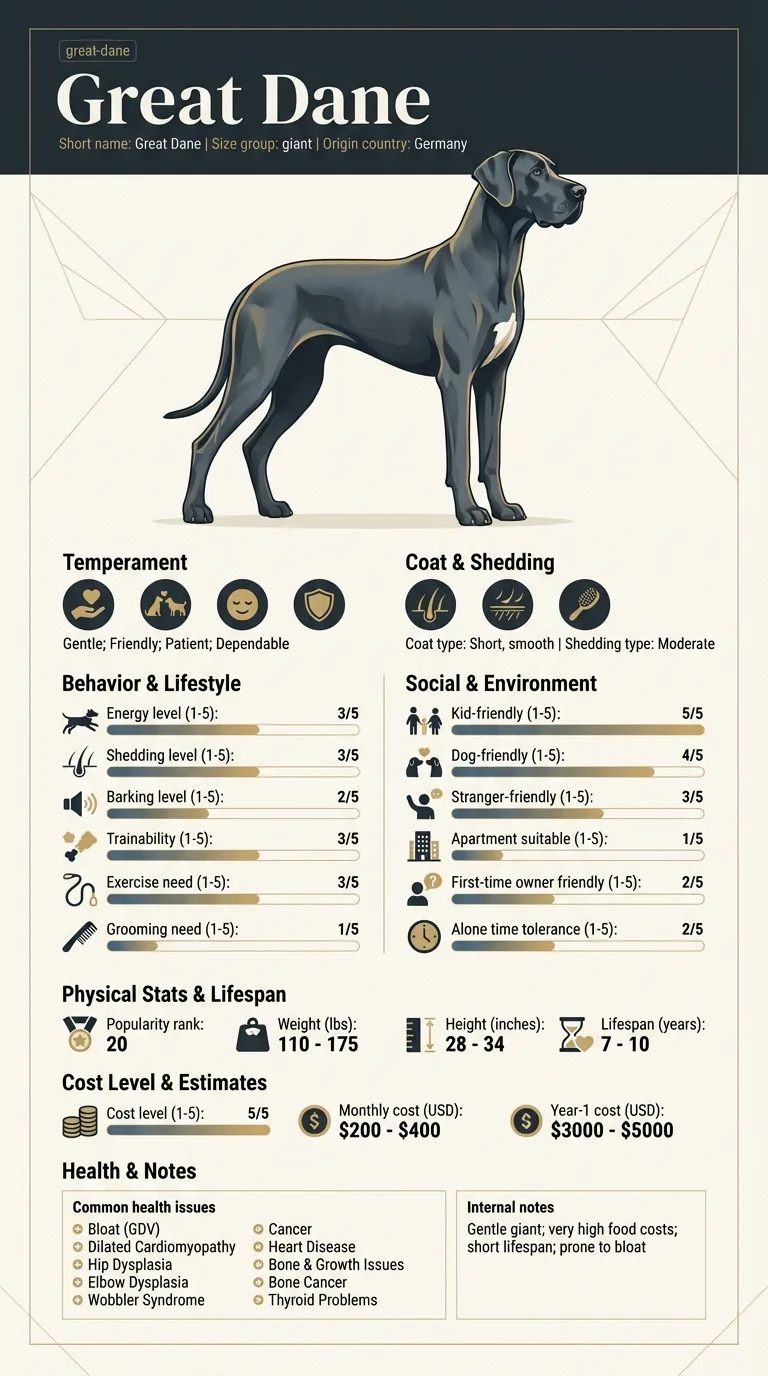
This issue often affects dedicated Great Dane owners who may notice unusual behaviors or health problems in their dogs. First-time owners and those unfamiliar with the breed's health issues might find it especially challenging to navigate.
This guide is not medical advice. If your dog shows pain, sudden behavior change, or worsening symptoms, consult a licensed veterinarian.
Some links may be affiliate links. We may earn a commission at no extra cost to you. We only suggest products we believe are helpful for dog owners.
We research and check what we publish, but we do not warrant that any figure, date, price, or statement is accurate, complete, or current, and we accept no liability for any loss, cost, injury, or other harm arising from the use of this site. Use it as one reference among several. You remain responsible for your own decisions and for your dog's care - confirm anything that matters with a licensed veterinarian or another qualified professional before you act on it. Full disclaimer.
Check this first
Great Dane liver shunts can be serious, and it's important to know when to act fast. If your Great Dane shows any of these red-flag signs, you should call your vet immediately:
- Sudden lethargy or weakness - Severe vomiting or diarrhea - Signs of confusion or disorientation - Seizures or tremors - Yellowing of the gums or skin (jaundice) - Uncontrolled bleeding or bruising
These symptoms indicate that the liver is not functioning properly and immediate veterinary care is essential.
If any of these apply, call your vet or an emergency clinic now. The rest of this page is for the cases that are not an emergency.
Great Dane liver shunts are serious health issues caused by abnormal blood flow in the liver. These shunts can lead to a variety of symptoms, including lethargy, poor growth, and gastrointestinal problems. Day-to-day, a Great Dane with liver shunts may appear less energetic, show signs of distress after eating, or have unusual behaviors due to toxins accumulating in their system.
While liver shunts are not the most common health issue for Great Danes, they do occur with some frequency. Owners should be aware of this condition, especially if they notice any signs of illness or developmental delays in their puppies.
Great Danes can be genetically predisposed to liver shunts due to inherited traits. These shunts may develop as a result of abnormal blood vessel formation during development. This breed's size and unique physiology can contribute to the risk of such conditions.
Environmental factors can also play a role in liver shunts. Poor nutrition, exposure to toxins, and certain medications may exacerbate underlying health issues. Stress and inadequate veterinary care can further complicate a Great Dane's health, potentially leading to liver problems.
It's crucial to speak with a vet if you suspect your Great Dane has liver shunts. Symptoms like vomiting, lethargy, or seizures require immediate attention. Regular check-ups can help monitor liver function and detect issues early.
When dealing with Great Dane liver shunts, owners can unintentionally make the situation worse. Here are some common mistakes to avoid, along with safer alternatives.
Start here: Great Dane Most Common Genetic Disorders: What to Screen For
See all Great Dane health problems, which breeds are prone to liver shunts, or the full Great Dane breed guide for temperament, exercise needs and ownership costs.
Addressing Great Dane liver shunts can take several months, depending on the severity and treatment. Initial veterinary visits and diagnostic testing may start immediately, but ongoing management will be necessary over time.
Success means stabilizing your Great Dane’s liver function and improving their quality of life. You'll notice increased energy levels, better appetite, and improved overall health.
In less severe cases, you can monitor your Great Dane for symptoms that may indicate liver shunts. If your dog experiences mild signs such as occasional vomiting, slight lethargy, or a decrease in appetite, keep a close eye on them. Document any changes you see and consult your vet to create a watch-and-wait plan. Regular check-ups can help ensure that any developing issues are addressed early.

Samantha adopted Max, her Great Dane, when he was just a puppy. After a few months, she noticed he was lethargic and had trouble gaining weight. A vet visit confirmed that Max had liver shunts, which required a special diet and medication. Samantha diligently followed the vet's advice, adjusted Max's meals, and monitored his health closely. Over six months, Max gradually regained his energy and started to thrive, which made Samantha feel like she was truly helping him.
Key takeaway: Working closely with a veterinarian and making dietary adjustments can significantly improve a Great Dane's health when dealing with liver shunts.
Great Dane liver shunts are abnormalities in the blood vessels that can prevent proper blood flow to the liver. This condition can lead to serious health issues, as the liver plays a crucial role in detoxifying the blood and aiding digestion.
Liver shunts can be congenital, meaning they are present at birth, or acquired due to other health issues. Factors such as genetics and poor diet may contribute to the development of this condition in Great Danes.
Symptoms of liver shunts may include poor growth, vomiting, lethargy, and seizures. If you notice any of these signs, it's essential to consult your veterinarian for a thorough evaluation.
Preventing liver shunts primarily involves responsible breeding practices to avoid genetic predispositions. Regular veterinary check-ups can help catch any early signs of liver issues before they develop into serious problems.
Treatment options for liver shunts may include dietary management, medications, and in some cases, surgery to correct the blood flow. Your veterinarian will provide a tailored approach based on your dog's specific needs.
Yes, a special diet low in protein and rich in essential nutrients can help manage liver shunts. Always consult your vet before making dietary changes to ensure they're appropriate for your Great Dane.
While training doesn't directly influence liver shunts, positive reinforcement can help manage behavioral issues related to health problems. Keeping your Great Dane engaged can improve their overall well-being.
Yes, diet can play a significant role in managing liver shunts. Your vet may recommend a special diet low in protein and high in carbohydrates to reduce the workload on the liver and help your Great Dane feel better.
Liver shunts can have a genetic component, particularly in certain breeds like the Great Dane. It's essential to choose a reputable breeder who screens for genetic health issues to reduce the risk of liver shunts in your puppy.
Supporting your Great Dane during recovery from liver shunts involves following your vet's advice, providing a low-protein diet, and ensuring they have a calm, stress-free environment. Regular check-ups will help monitor their progress.
The prognosis for a Great Dane with liver shunts varies based on the severity and treatment options. Surgical correction can improve outcomes significantly, but early detection and management are crucial for a better quality of life.
Monitor your dog for symptoms like vomiting or lethargy and consult a vet if they appear. Regular check-ups can help catch issues early.
Focus on a liver-friendly diet and follow your vet's advice on medications or supplements to support liver function.
Avoid high-protein diets and certain medications that can stress the liver. Always consult your vet for specific recommendations.
Yes, liver shunts can be hereditary, so it's important to choose reputable breeders who screen for this condition.
Besides liver shunts, Great Danes are prone to conditions like bloat, heart disease, and hip dysplasia. Regular vet visits can help manage these risks.
A one-page prep sheet for this condition: the signs, the questions to ask, what to get priced. Unlocks here.
You get: Vet visit prep sheet
No spam. One-click unsubscribe. See our privacy policy.
Preview page 1 before you decide.