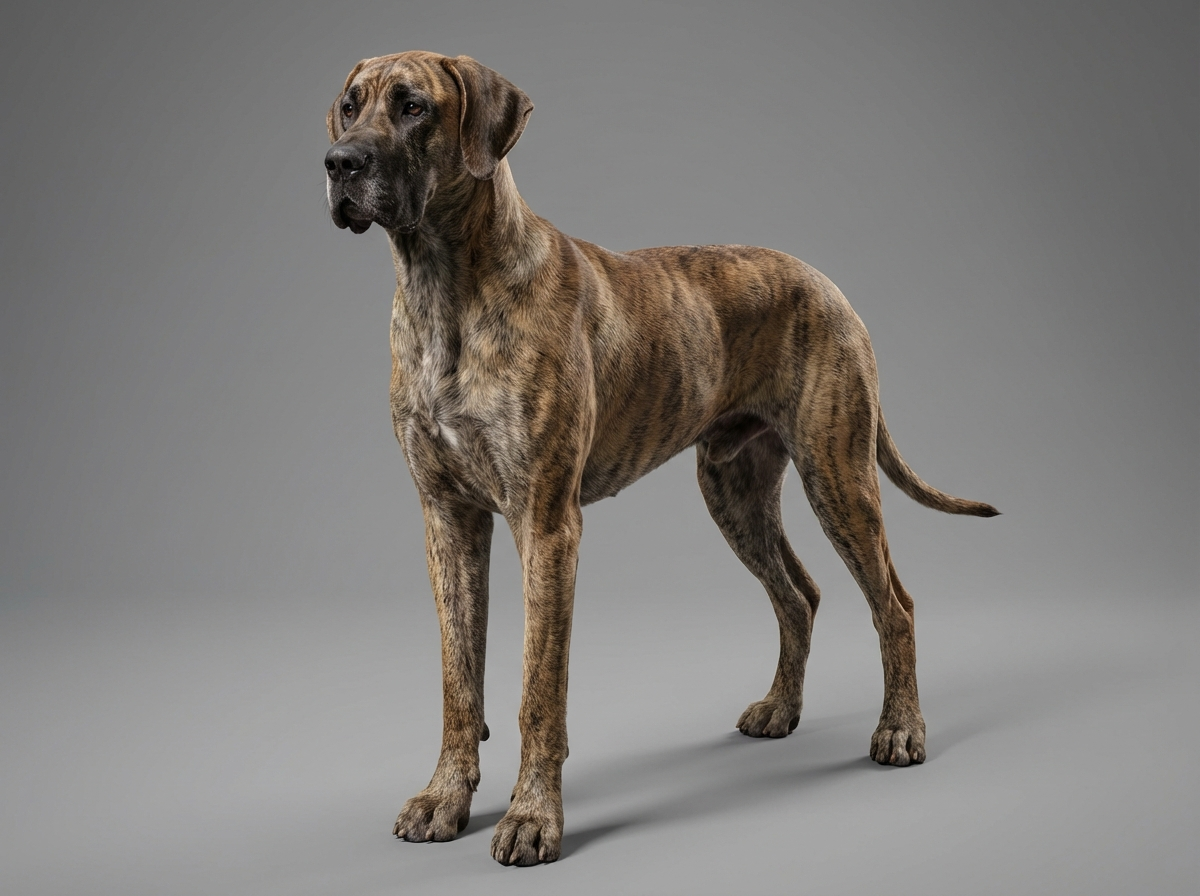
Health
What are some Great Dane kidney disease quick tips?
Monitor your dog's water intake and watch for signs of illness. Consult your vet regularly to manage their diet and health effectively.

Quick answer
What are some Great Dane kidney disease quick tips?
Monitor your dog's water intake and watch for signs of illness. Consult your vet regularly to manage their diet and health effectively.
Great Dane kidney disease is a serious health issue that can affect your dog's quality of life.
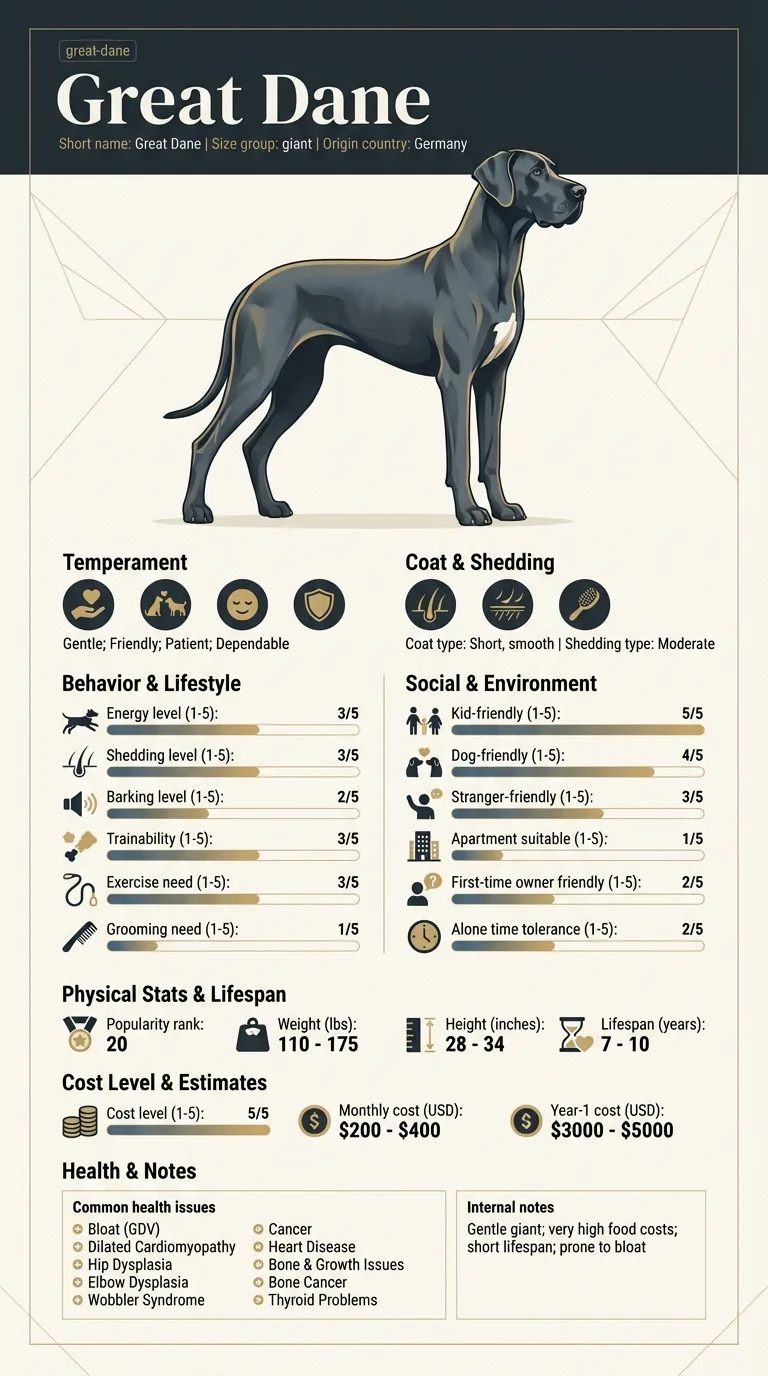
This problem often impacts first-time Great Dane owners or those who may not be prepared for the breed's specific health challenges. Owners may notice signs like increased thirst, weight loss, or lethargy, leaving them worried and uncertain about what steps to take.
This guide is not medical advice. If your dog shows pain, sudden behavior change, or worsening symptoms, consult a licensed veterinarian.
Some links may be affiliate links. We may earn a commission at no extra cost to you. We only suggest products we believe are helpful for dog owners.
We research and check what we publish, but we do not warrant that any figure, date, price, or statement is accurate, complete, or current, and we accept no liability for any loss, cost, injury, or other harm arising from the use of this site. Use it as one reference among several. You remain responsible for your own decisions and for your dog's care - confirm anything that matters with a licensed veterinarian or another qualified professional before you act on it. Full disclaimer.
Check this first
Recognizing when your Great Dane's kidney disease is an emergency can save their life. Red-flag signs include severe lethargy, vomiting, or difficulty breathing. If you notice these symptoms, call your vet immediately.
Milder cases can often be monitored at home. Look for signs like increased thirst or minor weight loss. These symptoms can sometimes be managed with dietary changes and regular vet visits, but always have a plan in place.
It's crucial to distinguish between emergencies and issues that can wait. If your Great Dane exhibits signs of dehydration, such as dry gums or sunken eyes, that’s a clear indicator to seek immediate help. Likewise, if your dog collapses or has seizures, don’t hesitate—contact your vet right away.
If any of these apply, call your vet or an emergency clinic now. The rest of this page is for the cases that are not an emergency.
Great Dane kidney disease is a serious condition that affects these gentle giants. It often manifests through symptoms like increased thirst, frequent urination, weight loss, and lethargy. Owners may notice their Great Dane becoming less active or showing signs of discomfort, which can be alarming.
Kidney disease is a relatively common health issue in Great Danes, especially as they age. It's essential for owners to monitor their dog's health closely and consult a vet if they notice any concerning symptoms.
Great Danes are large breeds that can be genetically predisposed to certain health issues, including kidney disease. Their size increases the strain on their organs, which can lead to complications over time.
Poor diet, lack of exercise, and inadequate hydration can worsen kidney health. Environmental stressors, such as high temperatures or toxins, can also contribute to kidney problems in Great Danes.
Consult your vet if you notice signs like increased thirst, weight loss, lethargy, or changes in urination. Early detection and treatment are crucial in managing Great Dane kidney disease effectively.
Avoiding certain common mistakes can help manage Great Dane kidney disease more effectively. Here are some behaviors to watch out for.
Start here: Great Dane Most Common Genetic Disorders: What to Screen For
See all Great Dane health problems, which breeds are prone to kidney disease, or the full Great Dane breed guide for temperament, exercise needs and ownership costs.
Managing Great Dane kidney disease takes time and patience. Expect to see some changes within a few weeks of implementing a new diet or treatment plan.
Success looks like improved kidney function, better energy levels, and a happier dog. Regular vet check-ups will help monitor progress.
When Sarah, a busy nurse in Atlanta, noticed her Great Dane, Max, was drinking more water than usual, she worried something was wrong. After a vet visit, she learned Max had early-stage kidney disease. Determined to help him, Sarah started a low-protein diet and adjusted his water intake. She also kept a close eye on his behavior and energy levels. Over the next few months, with regular vet visits and a tailored care plan, Max started to show improvement. He was more energetic, and his lab results indicated stabilized kidney function, leading to a more joyful life for both of them.
Key takeaway: Early detection and a proactive care plan can significantly improve the quality of life for dogs with kidney disease.
Great Danes can develop kidney disease due to genetic factors, age, and diet. It's important to monitor their health regularly and consult a vet if you notice signs such as increased thirst or urination.
While you can't fully stop kidney disease, you can manage it with a proper diet and regular vet check-ups. Feeding a low-protein diet may help reduce strain on the kidneys and keep your dog healthier longer.
Symptoms include increased thirst, frequent urination, lethargy, and loss of appetite. If you notice any of these signs, it's crucial to see a vet for proper diagnosis and treatment options.
Yes, a kidney-friendly diet is recommended, which is usually low in protein and phosphorus. Your vet can suggest suitable food options tailored to your dog's specific needs.
Treatment may include dietary changes, medications, and fluid therapy. Regular vet visits are essential to monitor the disease's progression and adjust the treatment plan accordingly.
Yes, some Great Danes may inherit a predisposition to kidney disease. Responsible breeding practices can help reduce the likelihood of genetic health issues.
It's advisable to take your Great Dane to the vet at least every six months for monitoring. More frequent visits may be necessary if their condition worsens.
Early signs of Great Dane kidney disease can include increased thirst and urination, loss of appetite, and weight loss. If you notice these symptoms, it's essential to consult your vet promptly for a thorough examination.
Yes, a special diet low in protein and phosphorus can help manage Great Dane kidney disease. It’s crucial to work closely with your veterinarian to create a tailored diet plan that supports your dog’s kidney function.
Older Great Danes are at a higher risk for kidney disease due to the natural decline in organ function. Regular check-ups with your vet become increasingly important as your dog ages to catch any potential issues early.
While kidney disease can occur due to various factors, some conditions may have a genetic component. It’s wise to research the lineage of your Great Dane and discuss any family health issues with your vet.
If your Great Dane is diagnosed with kidney disease, follow your vet's recommendations for treatment and care. This can include medication, dietary changes, and regular monitoring to maintain a good quality of life.
Monitor your dog's water intake and watch for signs of illness. Consult your vet regularly to manage their diet and health effectively.
Provide a low-protein diet and ensure they have access to fresh water at all times. Regular vet check-ups are crucial for managing their condition.
Treatment costs can range from $200 to $400 monthly, depending on the severity of the disease and required medications.
While training won't cure kidney disease, it can help manage their behavior and encourage them to stay active within their limits.
Look for increased lethargy, appetite loss, or significant changes in drinking and urination patterns. If these occur, consult your vet immediately.
A one-page prep sheet for this condition: the signs, the questions to ask, what to get priced. Unlocks here.
You get: Vet visit prep sheet
No spam. One-click unsubscribe. See our privacy policy.
Preview page 1 before you decide.