Health
What are some quick tips for Great Dane kidney stones?
Ensure your Great Dane stays hydrated and follows a vet-approved diet to help prevent kidney stones. Regular check-ups can catch issues early.

Quick answer
What are some quick tips for Great Dane kidney stones?
Ensure your Great Dane stays hydrated and follows a vet-approved diet to help prevent kidney stones. Regular check-ups can catch issues early.
Great Dane kidney stones can be a painful and serious issue for your pet. Understanding how to prevent and manage this condition is crucial for their health.
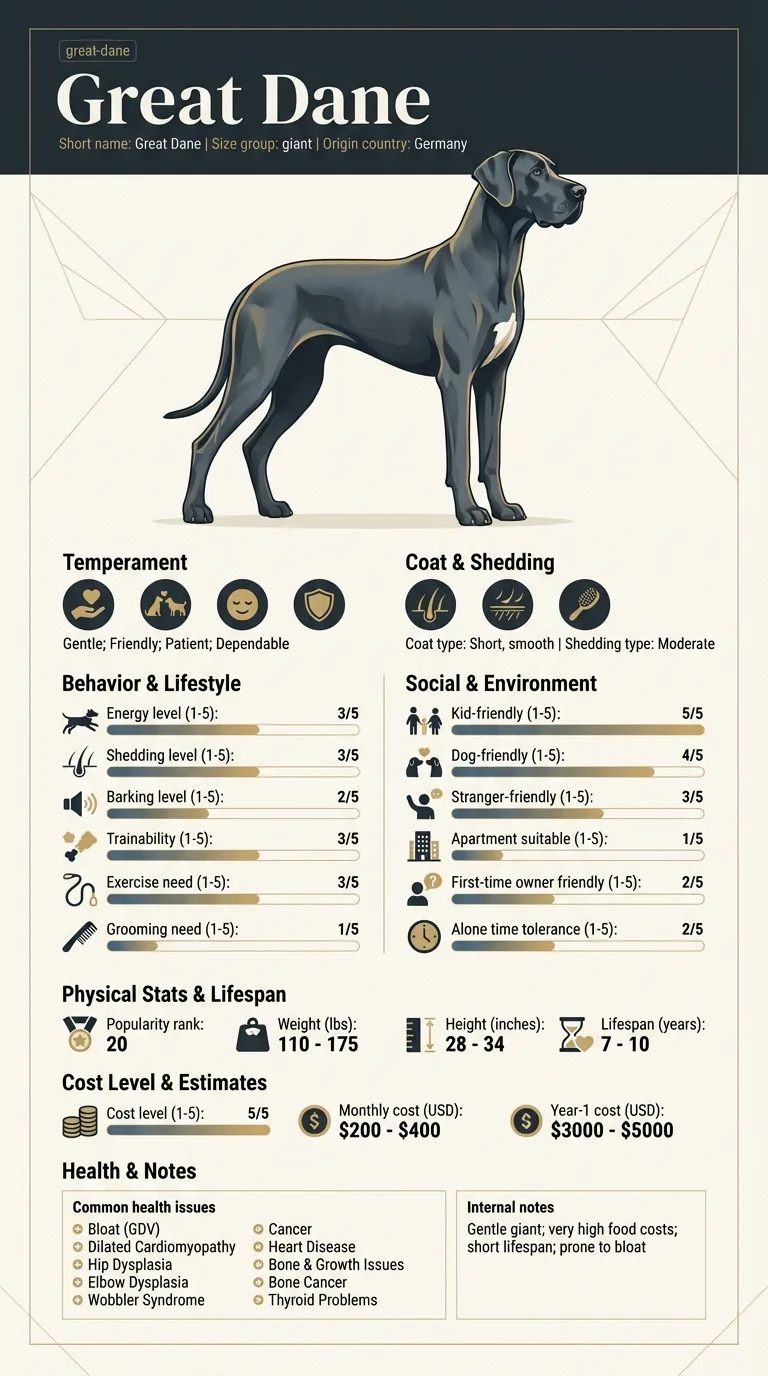
Typically, owners of Great Danes, especially first-time dog parents, may struggle with this problem. Many are unaware of the breed's predisposition to kidney stones and how to effectively manage their diet and hydration.
This guide is not medical advice. If your dog shows pain, sudden behavior change, or worsening symptoms, consult a licensed veterinarian.
Some links may be affiliate links. We may earn a commission at no extra cost to you. We only suggest products we believe are helpful for dog owners.
We research and check what we publish, but we do not warrant that any figure, date, price, or statement is accurate, complete, or current, and we accept no liability for any loss, cost, injury, or other harm arising from the use of this site. Use it as one reference among several. You remain responsible for your own decisions and for your dog's care - confirm anything that matters with a licensed veterinarian or another qualified professional before you act on it. Full disclaimer.
Check this first
Kidney stones can be serious for Great Danes, and knowing when to act is crucial. Certain symptoms indicate a need for immediate veterinary attention. These include blood in the urine, excessive straining to urinate, vomiting, lethargy, and signs of pain such as whining or pacing. If your Great Dane shows any of these red flags, don’t wait—call your vet right away.
On the other hand, there are milder symptoms that you can monitor at home. If your Great Dane seems to be urinating more frequently or less frequently than normal, it may just need some adjustments in diet or hydration. Similarly, if there’s occasional discomfort but no severe symptoms, you can create a watch-and-wait plan. Keep a close eye on your dog’s water intake, behavior, and any changes in urination. If these mild signs persist for more than a day or two, it's best to consult your vet to ensure there are no developing issues.
If any of these apply, call your vet or an emergency clinic now. The rest of this page is for the cases that are not an emergency.
Great Dane kidney stones are a painful and common issue in this breed. These stones can cause severe discomfort, frequent urination, and sometimes blood in the urine. Owners may notice their Great Dane straining to urinate or exhibiting signs of pain, which can be alarming.
Kidney stones are relatively common in Great Danes. Due to their size and specific dietary needs, they are more susceptible than some other breeds. Regular veterinary check-ups are essential to catch any issues early.
Great Danes are prone to certain health issues, including kidney stones, due to their size and genetics. Their larger bodies can lead to dietary and metabolic challenges that contribute to stone formation. Additionally, some breeds may have a genetic predisposition to urinary tract issues, making them more susceptible.
Environmental factors play a significant role in the development of kidney stones. Poor hydration, high-protein diets, and limited access to fresh water can exacerbate the problem. Stress and lack of exercise can also impact a Great Dane's overall health, potentially increasing the risk of kidney stones.
If you notice symptoms such as frequent urination, straining while urinating, or blood in the urine, it's essential to contact your vet immediately. Early intervention can prevent more serious health issues, including kidney stones.
Avoiding common pitfalls can greatly improve your Great Dane's health. Here are some mistakes to steer clear of, along with better alternatives.
Start here: Great Dane Most Common Genetic Disorders: What to Screen For
See all Great Dane health problems, which breeds are prone to kidney stones, or the full Great Dane breed guide for temperament, exercise needs and ownership costs.
Managing Great Dane kidney stones usually takes several weeks to months of consistent care and monitoring. Dietary adjustments and vet check-ups are essential to track progress.
Success means your Great Dane has fewer episodes of kidney stones, improved hydration, and overall better health. Regular vet visits confirm a stable condition with no new stone formations.
Maggie, a first-time Great Dane owner in Seattle, noticed her giant pup, Duke, was frequently straining to urinate. After a vet visit, she learned about kidney stones, a common issue for Great Danes. Determined to help Duke, Maggie switched his diet to include more wet food and increased his water intake. She also learned to monitor his bathroom habits closely. After a few months of diligence, Duke's vet reported fewer stones and better hydration, giving Maggie peace of mind.
Key takeaway: Staying proactive with diet and hydration can significantly improve your Great Dane's health, reducing the risk of kidney stones.
Great Danes can be prone to kidney stones due to factors like diet, dehydration, and genetics. High levels of certain minerals in their food can lead to stone formation. Regular vet check-ups and proper hydration can help manage their risk.
To help prevent kidney stones in your Great Dane, ensure they have access to fresh water at all times. Adjusting their diet to include lower mineral levels and regular vet visits for monitoring can also help. Consult your vet for a specific diet plan tailored to your dog's needs.
Yes, kidney stones can be treated in Great Danes through various methods, including dietary changes, medications, or surgery. The treatment plan often depends on the size and type of stones. Always consult your veterinarian for the best approach.
Yes, diets low in purines and oxalates can help prevent kidney stones in Great Danes. Foods high in moisture, like wet dog food, can also promote hydration. Your vet can recommend the best diet for your dog’s specific needs.
If your Great Dane has a history of kidney stones, maintain a consistent schedule of vet visits to monitor their health. Additionally, provide plenty of fresh water and consider dietary changes to reduce the risk of recurrence.
Great Danes can develop kidney stones due to several factors, including genetics, diet, and dehydration. A high-protein diet or lack of water can increase the risk of stone formation, so it's essential to monitor their diet and ensure they stay hydrated.
While kidney stones can occur at any age, they are more common in middle-aged to older Great Danes. Regular vet check-ups are crucial for early detection, especially as your dog gets older.
Signs of kidney stones in a Great Dane include difficulty urinating, blood in urine, frequent urination, or signs of pain. If you notice any of these symptoms, it's important to consult your vet immediately for diagnosis and treatment.
To help prevent kidney stones, ensure your Great Dane has a balanced diet and access to fresh water at all times. Regular exercise and monitoring their weight can also contribute to their overall health and reduce the risk of stones.
Ensure your Great Dane stays hydrated and follows a vet-approved diet to help prevent kidney stones. Regular check-ups can catch issues early.
You should take your Great Dane to the vet at least twice a year for health checks, especially if they have a history of kidney stones.
Watch for signs like frequent urination, straining, or blood in urine. These can indicate kidney stones and require immediate vet attention.
While training won't prevent kidney stones, teaching commands like 'go drink' can remind your dog to hydrate regularly. It’s a good practice for overall health.
If your Great Dane is diagnosed with kidney stones, follow your vet’s treatment plan closely. This may include medication, dietary changes, or even surgery.
A one-page prep sheet for this condition: the signs, the questions to ask, what to get priced. Unlocks here.
You get: Vet visit prep sheet
No spam. One-click unsubscribe. See our privacy policy.
Preview page 1 before you decide.