DogBreedCompass
← Back to breed profile

Understanding English Cocker Spaniel Insurance Claims

English Cocker Spaniel insurance claims can be a frustrating reality for many dog owners. These claims often arise from specific health issues that can affect your furry friend.

Understanding English Cocker Spaniel Insurance Claims infographic

Owners who may struggle with this issue often include first-time dog parents and those unfamiliar with the breed's health tendencies. Busy families or individuals may also find it challenging to navigate the complexities of pet insurance, especially if unexpected health issues arise.

Important reminder

This guide is not medical advice. If your dog shows pain, sudden behavior change, or worsening symptoms, consult a licensed veterinarian.

Some links may be affiliate links. We may earn a commission at no extra cost to you. We only suggest products we believe are helpful for dog owners.

What this problem looks like

English Cocker Spaniels often experience health issues that lead to insurance claims. Common problems include hip dysplasia, ear infections, and allergies. These conditions can create stress for owners and increase financial burdens over time.

Common triggers

  • Genetic predisposition to certain health issues
  • Inadequate exercise or improper diet
  • Environmental factors like allergens or moisture

Insurance claims for English Cocker Spaniels are relatively common due to their susceptibility to specific health conditions. Many owners find themselves navigating claims, especially in the first few years of ownership.

Why this happens

Breed factors

Certain breeds, like the English Cocker Spaniel, may be more prone to specific health issues, leading to higher insurance claims. Common problems include hip dysplasia, ear infections, and allergies. These breed tendencies can result in more frequent vet visits and higher treatment costs.

Environment factors

Environmental factors also play a role in insurance claims. Factors like inadequate exercise, poor diet, or exposure to allergens can exacerbate health issues. If an English Cocker Spaniel is not properly cared for, it may develop conditions that lead to increased claims.

What you can try

At-home strategies

  • Ensure a balanced diet tailored for medium-sized breeds. Consult a vet for specific dietary recommendations.
  • Provide regular exercise to keep your English Cocker Spaniel healthy. Aim for at least 30-60 minutes of activity each day.
  • Establish a grooming routine, especially for their ears, to prevent infections. Clean their ears weekly and check for any signs of irritation.
  • Monitor your dog's weight to avoid obesity-related issues. Regular weigh-ins can help you keep track.

When to consider a trainer

If your English Cocker Spaniel shows signs of anxiety or behavioral issues, working with a trainer can be beneficial. A trainer can provide tailored strategies to improve behavior and help reduce stress.

When to talk to your vet

If you notice any unusual symptoms, such as excessive scratching, ear odor, or changes in appetite, consult your vet. Early intervention can help prevent serious health issues that might lead to increased insurance claims.

Realistic expectations

It usually takes 3 to 6 months of consistent training and management to significantly reduce English Cocker Spaniel insurance claims.

Success means fewer claims over time, improved behavior, and a healthier pet. Owners should notice a decrease in visits to the vet for preventable issues.

Mistakes that make this worse

Avoiding common pitfalls can help you manage your English Cocker Spaniel's insurance claims better. Here are some key mistakes to steer clear of.

  • Ignoring early signs of health issues: Many owners overlook subtle symptoms, thinking they'll go away. Early intervention can save you money and prevent claims later on.
  • Neglecting regular vet check-ups: Skipping routine vet visits can lead to undiagnosed conditions. Regular check-ups help catch health issues early, potentially reducing claims.
  • Failing to keep detailed records: Not documenting your dog's health history can complicate claims. Keep a log of vet visits, treatments, and any issues to streamline the claims process.
  • Relying solely on insurance for care: Some owners think insurance covers everything, leading to delays in seeking treatment. Always prioritize your dog's health and seek veterinary advice promptly.
  • Overlooking preventative care: Neglecting vaccinations and preventative medications can increase the risk of claims. Regular preventative care is essential for keeping your dog healthy.
  • Not understanding policy details: Many owners don’t read their insurance policy closely, causing surprises when filing claims. Take time to understand coverage limits and exclusions to avoid issues later.

When English Cocker Spaniel Insurance Claims Are an Emergency

If your English Cocker Spaniel is showing signs of severe distress, such as difficulty breathing, excessive bleeding, or unresponsiveness, call your vet immediately. Other red flags include persistent vomiting, seizures, or signs of severe pain. These symptoms can indicate serious conditions that need urgent care.

On the other hand, if your dog has a mild issue, like a slight cough or minor digestive upset, you may choose to observe them for a day or two. Keep an eye on their behavior and appetite. If the symptoms worsen or do not improve, it’s time to consult your vet.

Always trust your instincts as a pet owner. If something feels off with your English Cocker Spaniel, don’t hesitate to seek professional advice. Timely intervention can prevent small issues from becoming emergencies.

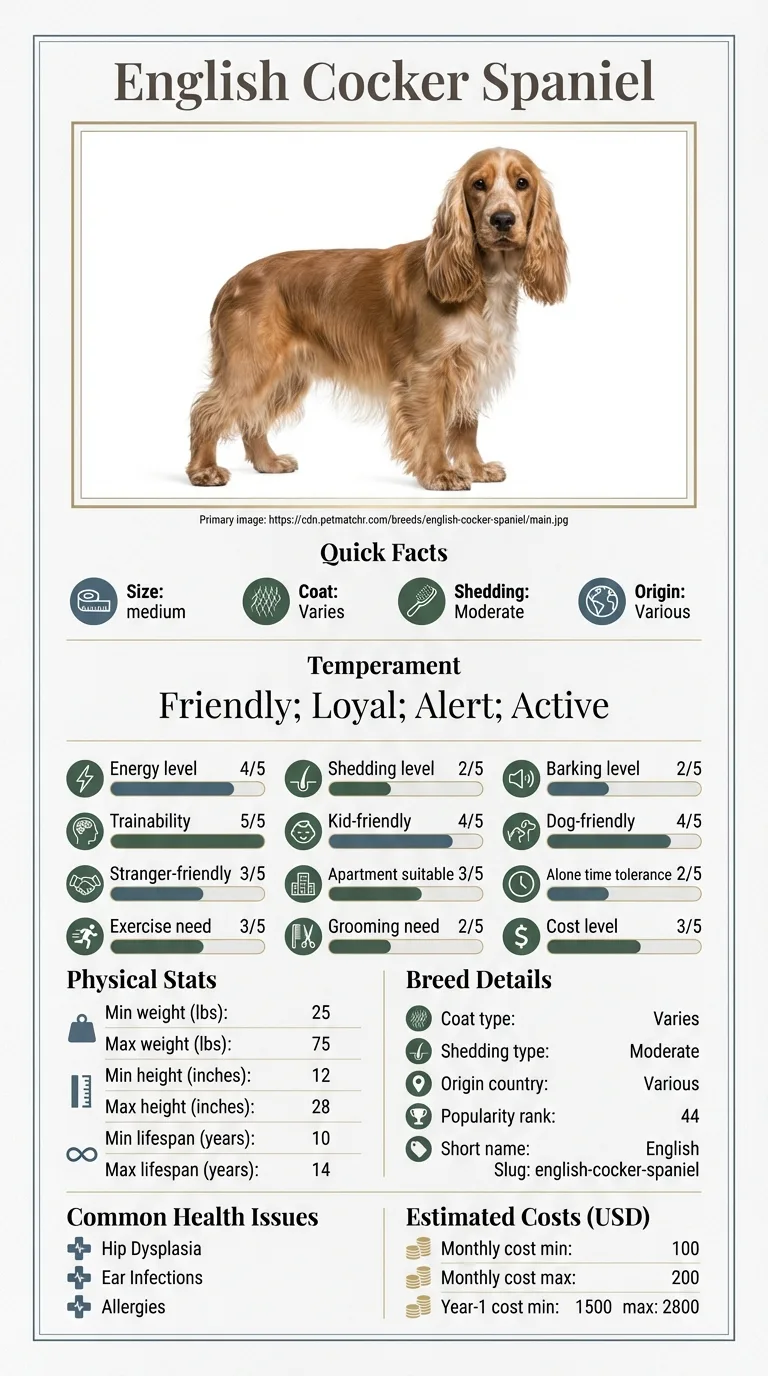
Understanding English Cocker Spaniel Insurance Claims - When English Cocker Spaniel Insurance Claims Are an Emergency

Finding Balance with Bella

Sarah, a busy nurse in Seattle, adopted Bella, an English Cocker Spaniel. Initially, Bella had frequent ear infections, leading to numerous insurance claims. After consulting with her vet, Sarah learned that Bella's ear issues were linked to her grooming habits and allergies. By establishing a regular grooming routine and incorporating allergy-friendly foods, the frequency of Bella's ear infections dropped dramatically. Within six months, Sarah saw only one claim compared to several previously.

Key takeaway: Regular grooming and diet adjustments can significantly reduce health issues and insurance claims for English Cocker Spaniels.

Frequently asked questions

Why does my English Cocker Spaniel have insurance claims?

English Cocker Spaniels may experience higher insurance claims due to common health issues like hip dysplasia and ear infections. These conditions can lead to costly vet visits and treatments. Regular check-ups and preventative care can help manage these risks.

How can I stop English Cocker Spaniel insurance claims?

To reduce insurance claims, focus on regular health check-ups and vaccinations. Keeping your dog at a healthy weight and addressing health issues early can also help minimize claims. Training your dog to avoid injuries is essential.

What training can help with insurance claims for my English Cocker Spaniel?

Training your English Cocker Spaniel in basic obedience can help prevent accidents and injuries. Consider enrolling in a training class to improve their behavior and social skills. Early training can also reduce anxiety, which may lead to fewer health issues.

Are English Cocker Spaniels prone to specific health issues that lead to insurance claims?

Yes, English Cocker Spaniels are prone to health issues such as hip dysplasia, allergies, and ear infections. These conditions often result in higher insurance claims due to the need for medical treatment. Regular vet visits can help catch these problems early.

What can I do if my English Cocker Spaniel has frequent health issues?

If your English Cocker Spaniel has frequent health issues, consult your veterinarian for a thorough examination. They may recommend dietary changes, exercise routines, or even specialized training to address behavioral problems that could lead to injuries.

How much should I budget for English Cocker Spaniel insurance claims?

Budgeting between $100 and $200 monthly for an English Cocker Spaniel's health insurance is typical. This helps cover the costs of common health issues and unexpected vet visits, reducing the financial burden of insurance claims.

What common health issues lead to English Cocker Spaniel insurance claims?

English Cocker Spaniels often face health challenges like hip dysplasia, ear infections, and allergies. These conditions can lead to frequent vet visits, resulting in higher insurance claims. Regular check-ups can help catch issues early.

When should I see a vet about my English Cocker Spaniel's behavior?

If your English Cocker Spaniel shows signs of anxiety or stress, like excessive barking or destructiveness, it may be time for a vet visit. These behaviors can sometimes indicate underlying health issues that need attention.

Can older English Cocker Spaniels have different insurance claims compared to younger ones?

Yes, older English Cocker Spaniels typically have higher insurance claims due to age-related health issues. Conditions like arthritis or heart problems become more common, making it crucial to adjust your insurance coverage as your dog ages.

How can I manage insurance claims related to my English Cocker Spaniel's anxiety?

Managing anxiety in your English Cocker Spaniel may involve training and behavioral therapy. You might also want to consult with your vet about medication options that can help reduce anxiety and prevent costly insurance claims.

What are quick tips for reducing insurance claims for my English Cocker Spaniel?

To reduce insurance claims, ensure your English Cocker Spaniel has regular vet check-ups and preventive care. Training your dog to manage anxiety can also help. Furthermore, maintaining a healthy diet and exercise routine is vital for overall well-being.

Quick answers

View more answers
Behavior

What are quick tips for managing English Cocker Spaniel insurance claims?

Regular vet check-ups and a healthy diet can help minimize insurance claims for your English Cocker Spaniel. Training in obedience and social skills is also beneficial.

Costs

How can I reduce vet costs for my English Cocker Spaniel?

Preventative care, like vaccinations and regular health screenings, can help reduce unexpected vet costs for your English Cocker Spaniel. This proactive approach can also lower insurance claims.

Health

Are there specific health issues to watch for in English Cocker Spaniels?

Yes, watch for common issues like hip dysplasia, allergies, and ear infections. Addressing these early can prevent costly treatments and insurance claims.

Related DogBreedCompass guides

  • English Cocker Spaniel separation anxiety guideLearn how to address separation anxiety which can lead to more insurance claims.
  • English Cocker Spaniel behavior problemsUnderstand common behavior problems that might affect your Cocker Spaniel's health and insurance needs.
  • English Cocker Spaniel health issuesExplore the unique health issues of the English Cocker Spaniel that could lead to increased insurance claims.
  • English Cocker Spaniel insurance costsGet insights on the cost of insurance for English Cocker Spaniels and how it varies by condition.
  • English Cocker Spaniel insurance claims trainingFind additional tips on managing insurance claims related to your English Cocker Spaniel.

Related guides