Costs
What are quick tips for Basset Hound insurance claims?
Keep your Basset Hound healthy with regular vet check-ups and a balanced diet. Monitor their weight and address any health concerns early. Training can also help prevent behavioral issues.

Quick answer
What are quick tips for Basset Hound insurance claims?
Keep your Basset Hound healthy with regular vet check-ups and a balanced diet. Monitor their weight and address any health concerns early. Training can also help prevent behavioral issues.
Basset Hound insurance claims can be a source of worry for pet owners. Understanding why these claims occur and how to manage them is crucial for your dog's health.
First-time dog owners or families with tight budgets may find themselves overwhelmed by unexpected vet bills and insurance claims for their Basset Hounds. Those who aren’t prepared for the potential health issues may face additional challenges in managing their dog’s care.
This guide is not medical advice. If your dog shows pain, sudden behavior change, or worsening symptoms, consult a licensed veterinarian.
Some links may be affiliate links. We may earn a commission at no extra cost to you. We only suggest products we believe are helpful for dog owners.
We research and check what we publish, but we do not warrant that any figure, date, price, or statement is accurate, complete, or current, and we accept no liability for any loss, cost, injury, or other harm arising from the use of this site. Use it as one reference among several. You remain responsible for your own decisions and for your dog's care - confirm anything that matters with a licensed veterinarian or another qualified professional before you act on it. Full disclaimer.
Check this first
Knowing when to seek urgent help for your Basset Hound is crucial. If your dog shows severe symptoms or has a sudden change in behavior, it might be time to call your vet. Early intervention can make a significant difference in your dog's health and well-being.
If any of these apply, call your vet or an emergency clinic now. The rest of this page is for the cases that are not an emergency.
Basset Hound insurance claims can be a frequent concern for owners, particularly due to the breed's predisposition to certain health issues. Common problems include ear infections and obesity, which can lead to costly medical treatments. Daily life with a Basset may involve frequent vet visits, leading to higher-than-average insurance claims, especially as they age.
Basset Hounds are known to have an above-average rate of insurance claims due to their specific health vulnerabilities. Many owners report that these claims often stem from recurrent ear infections and other breed-related issues, making it a common challenge for many Basset Hound families.
Basset Hounds are prone to certain health issues like ear infections, hip dysplasia, and obesity, which can lead to more frequent insurance claims. Their stubbornness can make training challenging, resulting in behavior issues that might require medical attention. These breed-specific traits contribute to their unique insurance claim patterns.
Factors such as poor diet, lack of exercise, and insufficient training can worsen health problems, leading to higher insurance claims. Basset Hounds may also develop anxiety if left alone for long periods, which can manifest in destructive behavior or health issues. A stressful environment can exacerbate their natural tendencies, leading to more claims.
If you notice unusual behavior, persistent health issues, or an increased frequency of claims, consult your vet. They can assess your dog's health and suggest appropriate interventions or treatments to reduce insurance claims.
Certain behaviors can unintentionally reinforce issues leading to increased Basset Hound insurance claims. Here are common mistakes to avoid, along with safer alternatives.
Start here: Basset Hound Most Common Genetic Disorders: Screening
See all Basset Hound health problems, which breeds are prone to insurance claims, or the full Basset Hound breed guide for temperament, exercise needs and ownership costs.
You can expect to see improvements in your Basset Hound's behavior within 3 to 6 months with consistent care and management.
Success means reducing the frequency of insurance claims related to common health issues, ensuring your dog remains healthy and happy, and building a strong bond through training.
If you notice any of these signs, it’s essential to seek immediate veterinary assistance: - Persistent vomiting or diarrhea that lasts more than 24 hours. - Sudden lethargy or weakness. - Severe pain or discomfort, such as whimpering or unusual posture. - Difficulty breathing or coughing. - Swollen abdomen, which could indicate bloat. - Blood in urine or stool. - Uncontrolled bleeding or injury. - Unresponsiveness or seizures.

In less severe situations, you can monitor your Basset Hound at home. Symptoms that may not require immediate attention include mild lethargy or slight changes in appetite. Make sure to keep track of their behavior and set a plan to consult your vet if things don’t improve within a few days.

When Sarah adopted Bella, her Basset Hound, she quickly noticed that Bella had frequent ear infections, leading to multiple insurance claims. After consulting with her vet, Sarah learned that Bella's droopy ears needed regular cleaning and proper care. She also enrolled in a training program focused on managing Bella's stubbornness and improving her overall behavior. With patience and persistence, Sarah established a routine that included regular vet check-ups and cleaning, which significantly reduced Bella's health issues and insurance claims over time.
Key takeaway: Taking proactive steps in training and health care can greatly reduce the frequency of Basset Hound insurance claims.
Basset Hounds may have insurance claims due to their genetic predisposition to certain health issues, such as ear infections, hip dysplasia, or obesity. Regular vet check-ups and preventative care can help reduce these claims. Understanding their common health problems can also assist in proactive management.
To reduce Basset Hound insurance claims, focus on preventive healthcare. This includes providing a balanced diet, ensuring regular exercise, and scheduling routine vet visits. Additionally, training and socializing your Basset can help address behavioral issues that may lead to health problems.
Common conditions include ear infections, hip dysplasia, and obesity. Basset Hounds are prone to these due to their body structure and lifestyle. Keeping your dog at a healthy weight and monitoring their ears can help mitigate these risks.
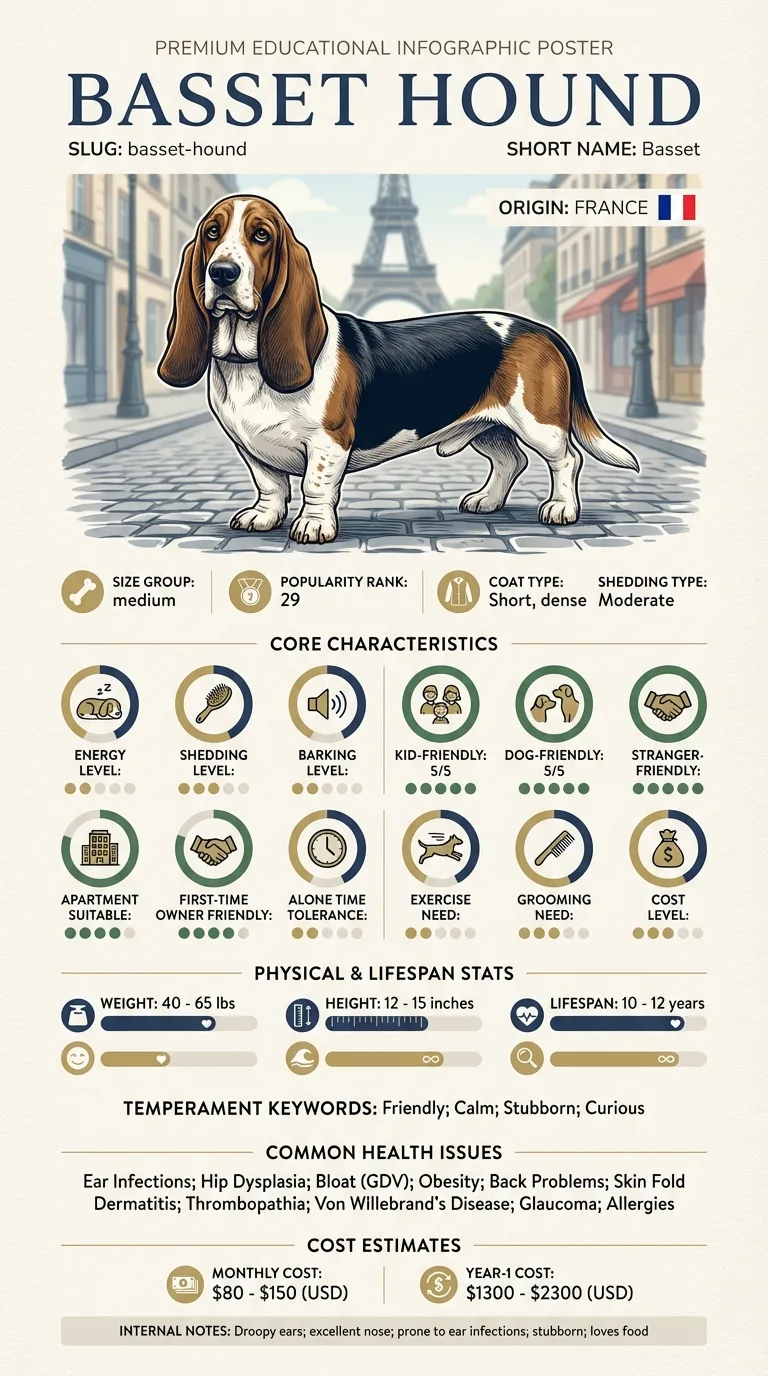
Basset Hound insurance costs typically range from $80 to $150 per month. This can vary based on factors like age and location. It's important to compare policies to find the best coverage for your Basset's specific needs.
Training your Basset Hound to follow commands and socialize properly can help prevent behavioral issues that lead to health problems. Consider obedience classes or working with a professional trainer. Consistent training can also improve their overall well-being.
Basset Hounds may have insurance claims due to health issues like ear infections, hip dysplasia, and obesity. Their droopy ears can lead to frequent ear infections, while their love for food can contribute to weight problems. Keeping an eye on these common issues can help manage potential claims.
To minimize Basset Hound insurance claims, focus on regular veterinary check-ups and preventative care. Maintaining a healthy diet and ensuring adequate exercise can also help reduce the risk of obesity and related health issues. Training your Basset early can address behavioral problems that might lead to claims.
Yes, older Basset Hounds may require different insurance coverage due to the increased likelihood of health issues. It’s important to choose a policy that covers age-related conditions and to discuss any specific needs with your veterinarian. Being proactive can help you manage costs effectively.
You should see a vet if your Basset Hound shows signs of persistent discomfort, such as scratching at their ears or difficulty moving. Regular check-ups are also essential, especially as they age, to catch any potential issues early. Don't hesitate to consult your vet if you notice changes in behavior or health.
If your Basset Hound has a history of insurance claims, consider reviewing their health and lifestyle with a vet. You may need to adjust their diet, exercise routine, or training methods to address underlying issues. Additionally, researching insurance policies that better fit your dog's needs can help manage future claims.
Keep your Basset Hound healthy with regular vet check-ups and a balanced diet. Monitor their weight and address any health concerns early. Training can also help prevent behavioral issues.
Focus on obedience training and socialization. This helps manage their stubbornness and can prevent health-related behaviors from escalating.
Be aware of their common health issues like ear infections and obesity. Regular veterinary care and a healthy lifestyle can reduce risks significantly.
A one-page prep sheet for this condition: the signs, the questions to ask, what to get priced. Unlocks here.
You get: Vet visit prep sheet
No spam. One-click unsubscribe. See our privacy policy.
See a sample page before you decide.
Early access list
The free prep sheet covers the same-day warning signs, a symptom log and the questions to ask. We are considering a fuller kit that adds a cost worksheet for the usual tests and treatments (US price ranges with their sources) and a plain-English guide to ways of covering the bill. It is not built yet; this list tells us whether it is worth building.
One email, no spam, unsubscribe anytime. Information only, not veterinary advice.