Health
What should I do if I suspect liver shunts?
If you suspect liver shunts in your English Cocker Spaniel, schedule a vet appointment immediately for an evaluation.

Quick answer
What should I do if I suspect liver shunts?
If you suspect liver shunts in your English Cocker Spaniel, schedule a vet appointment immediately for an evaluation.
English Cocker Spaniel liver shunts are serious health issues that can affect your dog's wellbeing. They involve abnormalities in the blood vessels that can lead to significant complications.
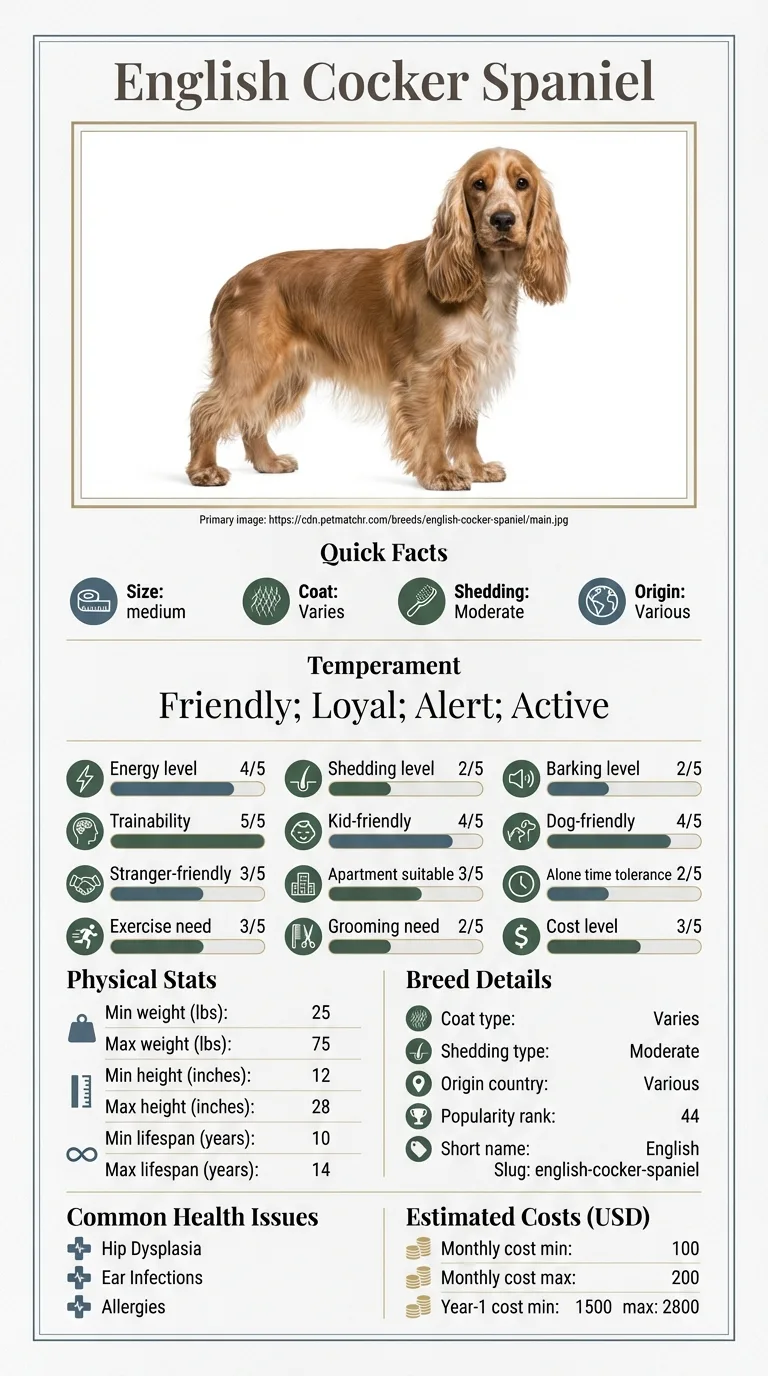
Typically, owners of English Cocker Spaniels, especially those new to the breed, may find themselves struggling with liver shunt concerns. This condition can be particularly troubling for families who are unaware of the risks or symptoms associated with it.
This guide is not medical advice. If your dog shows pain, sudden behavior change, or worsening symptoms, consult a licensed veterinarian.
Some links may be affiliate links. We may earn a commission at no extra cost to you. We only suggest products we believe are helpful for dog owners.
We research and check what we publish, but we do not warrant that any figure, date, price, or statement is accurate, complete, or current, and we accept no liability for any loss, cost, injury, or other harm arising from the use of this site. Use it as one reference among several. You remain responsible for your own decisions and for your dog's care - confirm anything that matters with a licensed veterinarian or another qualified professional before you act on it. Full disclaimer.
Check this first
Recognizing when your English Cocker Spaniel’s liver shunts are an emergency is crucial. If your dog shows any severe symptoms, it's time to call your vet immediately. Red flags include persistent vomiting, seizures, extreme lethargy, or signs of confusion.
These symptoms indicate that your dog might be in serious distress and needs urgent medical attention.
On the other hand, if your dog has mild symptoms, you might be able to monitor the situation at home. Symptoms like occasional vomiting or mild lethargy can often be managed with a watchful eye and a plan. Make sure to keep your vet informed about any changes, and don’t hesitate to seek help if things worsen.
Here’s a quick breakdown of when to call for help versus when to wait and see: - Emergency Signs: Persistent vomiting, seizures, severe lethargy, confusion. - Watch and Wait: Occasional vomiting, mild lethargy, slight changes in behavior.
Always trust your instincts as a pet owner. If something feels off, reaching out to your vet is the safest choice. Being proactive can make a big difference in your dog’s health and well-being.
If any of these apply, call your vet or an emergency clinic now. The rest of this page is for the cases that are not an emergency.
English Cocker Spaniel liver shunts are serious health issues that occur when blood bypasses the liver due to abnormalities in the portal vein. This condition can lead to a range of symptoms, including vomiting, lethargy, and poor growth in puppies. Day-to-day, owners may notice their dog acting unusually tired or having digestive problems, which can be alarming.
Liver shunts are relatively common in English Cocker Spaniels compared to other breeds, especially in younger dogs. Many owners may not be aware of the condition until symptoms develop, making early detection crucial.
English Cocker Spaniels can be predisposed to liver shunts due to genetic factors. Some lines may carry traits that make them more susceptible to developing this condition. This breed's unique physiology can also play a role in how they process blood flow through the liver.
Environmental factors can contribute, too. Poor diet or exposure to toxins may exacerbate liver issues. Additionally, stress and lack of exercise could potentially lead to health problems that affect liver function.
It's crucial to talk to your vet if you notice symptoms like jaundice, seizures, or persistent vomiting. These may indicate liver shunts or other serious health issues requiring immediate attention.
Avoiding common pitfalls can help your English Cocker Spaniel manage liver shunts better. Here are mistakes to steer clear of, along with safer alternatives.
Start here: English Cocker Spaniel Most Common Genetic Disorders
See all English Cocker Spaniel health problems, which breeds are prone to liver shunts, or the full English Cocker Spaniel breed guide for temperament, exercise needs and ownership costs.
Expect to see improvements in your English Cocker Spaniel's condition within 6 to 12 months with dedicated diet and care changes.
Success means your dog has fewer symptoms, better overall health, and a more stable condition, allowing them to enjoy a happier life.
When Sarah adopted Max, her English Cocker Spaniel, she noticed he had low energy and frequent digestive issues. After a vet diagnosis confirmed liver shunts, she felt overwhelmed. Sarah committed to a specialized diet and regular vet visits. With patience, she learned how to manage Max's training and care. Over the next year, Max's energy increased, and his symptoms decreased significantly. Sarah realized that with the right support and lifestyle changes, they could improve his quality of life.
Key takeaway: It’s important to seek professional guidance and stay dedicated to managing your dog’s health issues for the best outcome.
Liver shunts in English Cocker Spaniels are usually congenital, meaning they are present at birth due to abnormal blood vessel development. It's essential to conduct regular veterinary check-ups to catch such health issues early.
Management often includes a special diet low in protein and regular vet visits. Medications may be prescribed to help manage symptoms, but surgery might be necessary in severe cases.
Yes, liver shunts can often be treated with surgery. Early detection and intervention are key factors in improving your dog's quality of life.
A diet low in protein and high in carbohydrates is recommended for dogs with liver shunts. Consult your vet for specific dietary guidelines tailored to your pet's needs.
Regular veterinary check-ups, adhering to dietary recommendations, and monitoring your dog's behavior can help prevent liver shunts from worsening. Always follow your vet's advice closely.
Yes, liver shunts can sometimes be treated in older dogs, but the success rate may vary depending on the dog's overall health. A veterinarian can help determine the best course of action for your pet.
While not all liver shunts can be prevented, responsible breeding practices can reduce the risk. Ensure you choose a reputable breeder who screens for genetic disorders.
If you suspect your English Cocker Spaniel has liver shunts, it's best to schedule an appointment with your veterinarian. They can perform diagnostic tests and recommend appropriate treatment options.
If you suspect liver shunts in your English Cocker Spaniel, schedule a vet appointment immediately for an evaluation.
Yes, liver shunts can be hereditary. It's essential to choose a responsible breeder to reduce the risk.
Yes, untreated liver shunts can lead to serious complications like liver failure and neurological issues.
Regular check-ups every 6 months are recommended for dogs with liver shunts to monitor their condition closely.
Quick tips include maintaining a low-protein diet, scheduling regular vet visits, and monitoring symptoms closely.
A one-page prep sheet for this condition: the signs, the questions to ask, what to get priced. Unlocks here.
You get: Vet visit prep sheet
No spam. One-click unsubscribe. See our privacy policy.
Preview page 1 before you decide.