Behavior
What are quick tips for managing Cocker Spaniel insurance claims?
Regular vet check-ups and a healthy diet can significantly reduce insurance claims for Cocker Spaniels. Training them to avoid risky behaviors is also essential.

Quick answer
What are quick tips for managing Cocker Spaniel insurance claims?
Regular vet check-ups and a healthy diet can significantly reduce insurance claims for Cocker Spaniels. Training them to avoid risky behaviors is also essential.
Cocker Spaniel insurance claims can be a frustrating challenge for pet owners. Understanding these claims is key to managing your dog's health and finances.
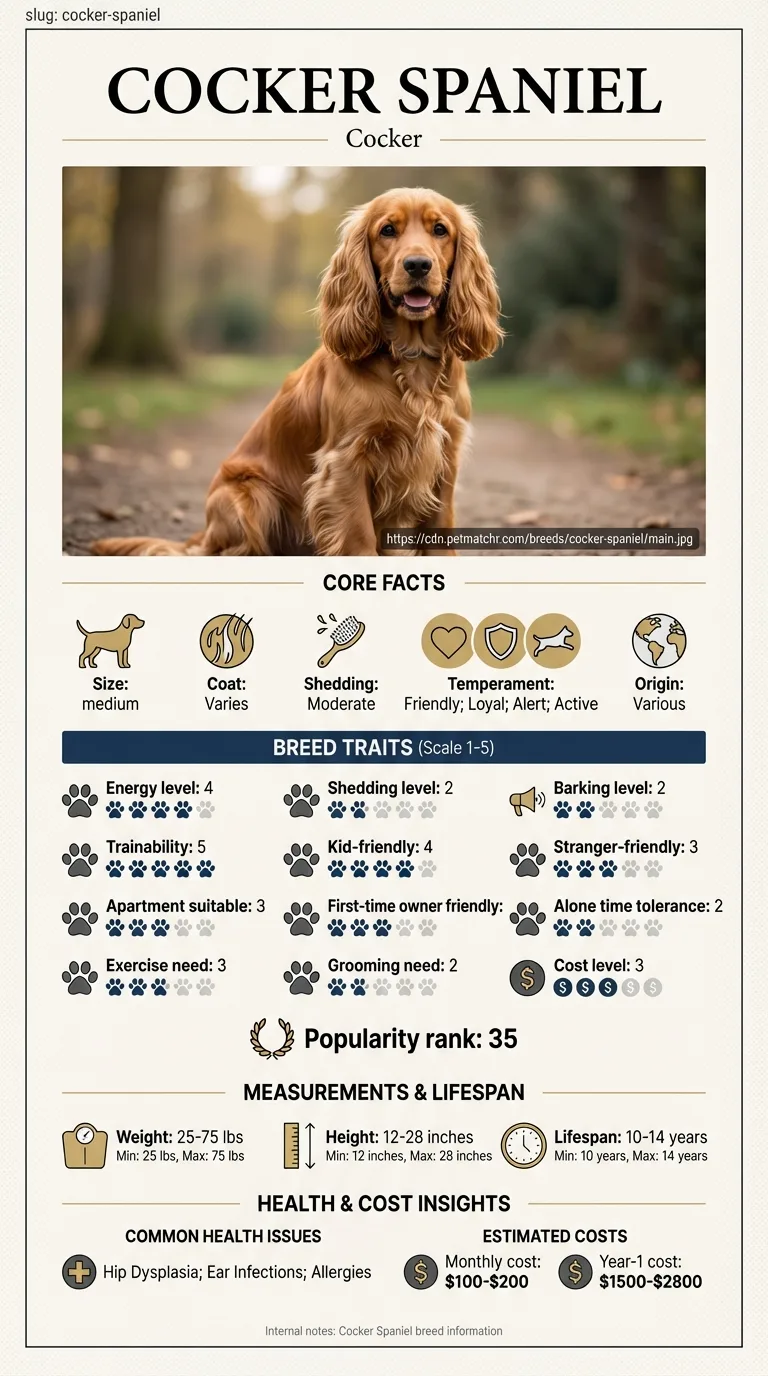
New Cocker Spaniel owners and families may find themselves stressed by unexpected veterinary costs. Busy professionals and those unfamiliar with dog health might feel overwhelmed by navigating insurance claims.
This guide is not medical advice. If your dog shows pain, sudden behavior change, or worsening symptoms, consult a licensed veterinarian.
Some links may be affiliate links. We may earn a commission at no extra cost to you. We only suggest products we believe are helpful for dog owners.
We research and check what we publish, but we do not warrant that any figure, date, price, or statement is accurate, complete, or current, and we accept no liability for any loss, cost, injury, or other harm arising from the use of this site. Use it as one reference among several. You remain responsible for your own decisions and for your dog's care - confirm anything that matters with a licensed veterinarian or another qualified professional before you act on it. Full disclaimer.
Check this first
Watch for these red-flag signs that mean you should call your vet immediately: - Sudden changes in behavior, such as extreme lethargy or aggression. - Signs of severe pain, like whining, shaking, or excessive panting. - Difficulty breathing or persistent coughing. - Vomiting or diarrhea that lasts more than 24 hours. If you notice these symptoms, don’t hesitate to reach out to your vet. It could be a sign of a serious health issue.
On the other hand, some situations can be observed at home. If your Cocker Spaniel has mild skin irritations or occasional vomiting that doesn’t last long, these may not require urgent care. You can monitor your dog’s condition, keep track of any changes, and consult your vet if the situation worsens. - Mild allergies or skin irritations can often be treated at home. - Occasional minor digestive upset, if infrequent, might not need immediate vet visits. - Changes in appetite that last a day or two can often be watched without panic.
Being aware of these signs will empower you to address your Cocker Spaniel's health effectively. Always trust your instincts; if you feel something is wrong, it's better to be safe and consult your vet.
If any of these apply, call your vet or an emergency clinic now. The rest of this page is for the cases that are not an emergency.
Cocker Spaniel insurance claims can be a significant concern for owners. These dogs often face health issues that may lead to frequent vet visits, resulting in higher insurance claims. Common problems like hip dysplasia, ear infections, and allergies can escalate into costly treatments, which are reflected in the insurance claims.
Insurance claims related to health issues are quite common for Cocker Spaniels. Many owners report making multiple claims within a year, especially in the first few years of ownership.
Cocker Spaniels, like many breeds, have specific health issues that can lead to higher insurance claims. They are prone to conditions like hip dysplasia, ear infections, and allergies. These breed-specific health trends can result in increased vet visits and consequently more insurance claims.
The environment also plays a significant role in insurance claims. Factors such as exposure to allergens, lack of exercise, or not addressing behavioral issues can lead to health problems. For Cocker Spaniels, a stressful home situation or inadequate care can aggravate existing conditions, resulting in more frequent insurance claims.
If your Cocker Spaniel frequently visits the vet or shows signs of distress, consult your veterinarian. They can assess any underlying health issues and help create a management plan to minimize insurance claims.
Avoiding common pitfalls can help reduce your Cocker Spaniel’s insurance claims. Here are some mistakes to watch out for.
Start here: Cocker Spaniel Most Common Genetic Disorders: Screening
See all Cocker Spaniel health problems, which breeds are prone to insurance claims, or the full Cocker Spaniel breed guide for temperament, exercise needs and ownership costs.
You can expect to see improvements in your Cocker Spaniel's behavior and a reduction in insurance claims within 4 to 6 months, depending on consistency in care and follow-up.
Success means fewer insurance claims, improved behavior, and a happier, healthier Cocker Spaniel who is less prone to the issues leading to those claims.
Emily, a new dog owner in Denver, adopted Max, a playful Cocker Spaniel. Shortly after bringing him home, she faced a wave of unexpected vet bills due to Max’s frequent ear infections, a common issue in the breed. Feeling overwhelmed, Emily researched Cocker Spaniel insurance claims and learned that Max’s behavior was linked to his anxiety when left alone. She began implementing training techniques and gradually increased his alone time to help him adjust. After several months of consistent training, Max became more relaxed at home and his ear infections reduced significantly, leading to fewer insurance claims.
Key takeaway: With patience and the right training, owners can reduce their Cocker Spaniel's health issues, leading to fewer insurance claims and a better quality of life.
Cocker Spaniels may have insurance claims due to common health issues like hip dysplasia, ear infections, and allergies. Regular vet check-ups and a healthy lifestyle can help prevent some of these problems. It's important to understand your dog's health risks to manage potential claims effectively.
To reduce Cocker Spaniel insurance claims, focus on preventive care like regular vet visits, vaccinations, and a balanced diet. Training your dog to avoid risky behaviors can also help. Engaging in regular exercise can improve their overall health and reduce the likelihood of claims.
Cocker Spaniels are prone to health issues such as hip dysplasia, which can lead to joint problems, and ear infections due to their floppy ears. Allergies are also common and can affect their skin and overall health. Keeping up with vet visits can help catch these issues early.
You can lower insurance costs by maintaining your Cocker Spaniel's health through regular exercise and a good diet. Some insurers offer discounts for healthy pets or multi-pet policies. Always shop around and compare different policies to find the best rate.
If your Cocker Spaniel has frequent claims, consult your vet for advice on preventive care and potential lifestyle changes. Consider seeking a second opinion if health issues persist. Additionally, reviewing your insurance policy can help ensure you have adequate coverage.
Cocker Spaniels often have insurance claims related to hip dysplasia, ear infections, and allergies. These health issues can lead to expensive treatments, making pet insurance a worthwhile investment for owners.
To minimize insurance claims, ensure regular vet check-ups and maintain a healthy diet for your Cocker Spaniel. Additionally, implementing training to address any behavioral issues can also help prevent accidents or injuries that may lead to claims.
Yes, older Cocker Spaniels tend to have higher insurance claims due to age-related health issues like arthritis or chronic conditions. It's essential to monitor their health closely and consult with a vet regularly.
File a claim when your Cocker Spaniel has incurred significant medical expenses, like surgeries or extensive treatments. Keep in mind that many policies have specific requirements and timelines for filing claims.
Yes, proper training can significantly reduce the risk of accidents and behavioral issues that lead to insurance claims. Investing time in training can help create a well-adjusted pet that stays healthy and safe.
Regular vet check-ups and a healthy diet can significantly reduce insurance claims for Cocker Spaniels. Training them to avoid risky behaviors is also essential.
You should budget around $100 to $200 monthly for Cocker Spaniel insurance, depending on coverage. This can help manage costs from unexpected health issues.
Be aware of hip dysplasia, ear infections, and allergies, as these are common among Cocker Spaniels. Regular vet visits can help catch these issues early.
A one-page prep sheet for this condition: the signs, the questions to ask, what to get priced. Unlocks here.
You get: Vet visit prep sheet
No spam. One-click unsubscribe. See our privacy policy.
See a sample page before you decide.
Early access list
The free prep sheet covers the same-day warning signs, a symptom log and the questions to ask. We are considering a fuller kit that adds a cost worksheet for the usual tests and treatments (US price ranges with their sources) and a plain-English guide to ways of covering the bill. It is not built yet; this list tells us whether it is worth building.
One email, no spam, unsubscribe anytime. Information only, not veterinary advice.