Behavior
What are quick tips for managing English Cocker Spaniel pancreatitis?
Feed a low-fat diet and avoid table scraps. Regular exercise is vital to maintain a healthy weight.

Quick answer
What are quick tips for managing English Cocker Spaniel pancreatitis?
Feed a low-fat diet and avoid table scraps. Regular exercise is vital to maintain a healthy weight.
English Cocker Spaniel pancreatitis is a serious health issue that can lead to significant discomfort and health complications for your dog.
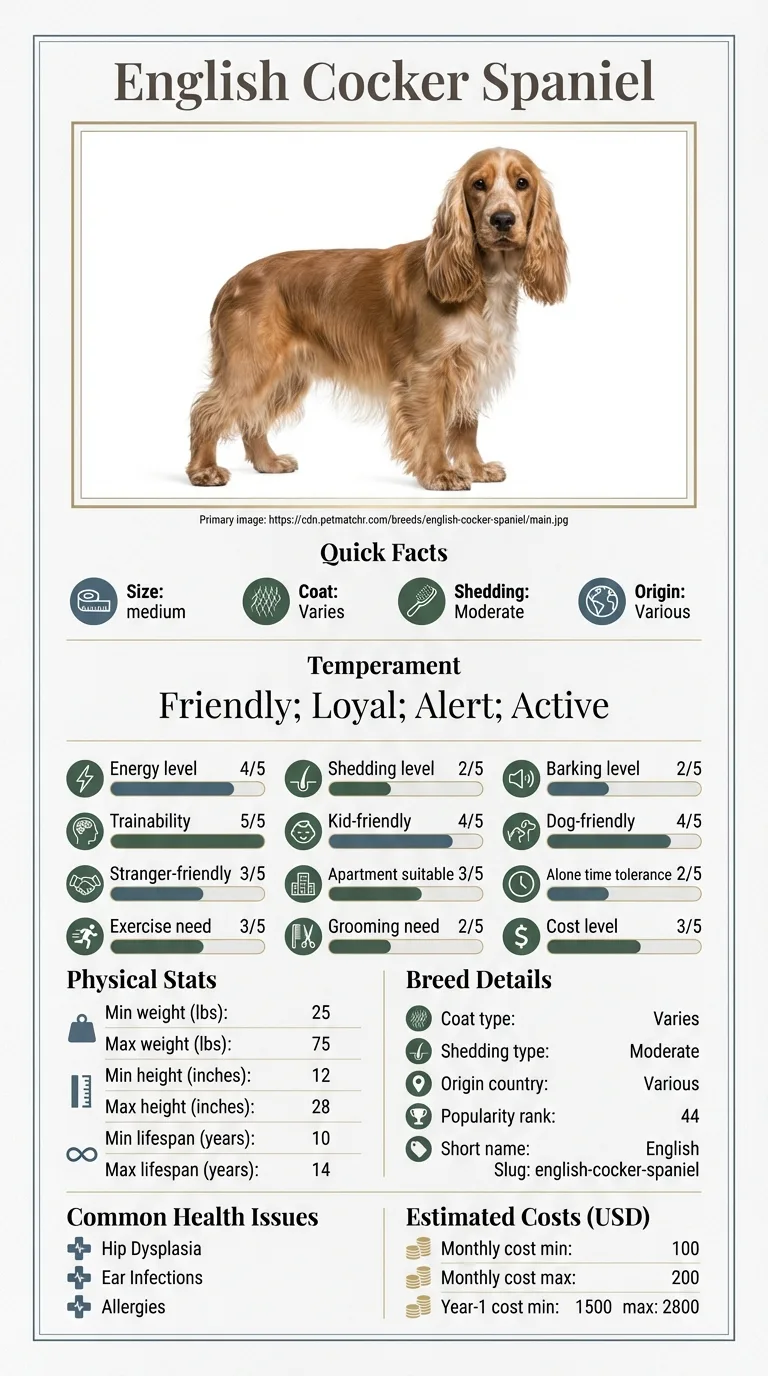
Typically, owners of English Cocker Spaniels may face this problem, especially those who may not be familiar with the breed's dietary needs or health vulnerabilities. New dog parents or those with busy lifestyles might find it challenging to monitor their dog's eating habits and stress levels.
This guide is not medical advice. If your dog shows pain, sudden behavior change, or worsening symptoms, consult a licensed veterinarian.
Some links may be affiliate links. We may earn a commission at no extra cost to you. We only suggest products we believe are helpful for dog owners.
We research and check what we publish, but we do not warrant that any figure, date, price, or statement is accurate, complete, or current, and we accept no liability for any loss, cost, injury, or other harm arising from the use of this site. Use it as one reference among several. You remain responsible for your own decisions and for your dog's care - confirm anything that matters with a licensed veterinarian or another qualified professional before you act on it. Full disclaimer.
Check this first
Recognizing when your English Cocker Spaniel's pancreatitis becomes an emergency is crucial for their health. There are clear signs that indicate you should call your vet immediately. These include severe vomiting, lethargy, abdominal pain, or a loss of appetite that lasts more than 24 hours.
If your dog shows any combination of these symptoms, do not wait. Get them the help they need right away.
On the other hand, if your dog has mild symptoms, you might be able to monitor their condition at home. If they have slight nausea, a little vomiting that resolves quickly, or are just a bit less energetic than usual, they may not need immediate veterinary care. In such cases, keep a close watch on their eating habits and energy levels, and ensure they stay hydrated.
A good plan is to introduce a bland diet and see if they improve within a day or so.
Always err on the side of caution with health issues. If you're unsure, it’s best to consult your vet. They can provide guidance based on your dog's specific situation and health history.
Keeping an eye on your English Cocker Spaniel's behavior and health can help you catch any potential problems early.
If any of these apply, call your vet or an emergency clinic now. The rest of this page is for the cases that are not an emergency.
English Cocker Spaniel pancreatitis is a condition where the pancreas becomes inflamed, leading to digestive issues. Symptoms often include vomiting, diarrhea, and abdominal pain, which can significantly affect your dog's quality of life. This problem can be triggered by dietary indiscretions, such as consuming fatty foods or table scraps, and certain medications.
Pancreatitis is relatively common among English Cocker Spaniels, especially if they have a tendency to overeat or have other health issues. Although not every English will experience this, owners should be aware of the signs and preventive measures.
English Cocker Spaniels can be prone to pancreatitis due to their moderate energy levels and sometimes indulgent eating habits. Their tendency to be food-driven can lead to overeating or consuming inappropriate foods, which can trigger inflammation in the pancreas. Additionally, certain genetic factors may make them more susceptible to this condition.
Environmental factors also play a significant role in the development of pancreatitis. A diet high in fats or sudden dietary changes can upset their digestive system. Stressful situations, such as major changes in their routine or environment, can further exacerbate the issue.
If you notice symptoms like vomiting, diarrhea, lethargy, or abdominal pain, contact your vet immediately. Early intervention is key to managing pancreatitis effectively, especially if your dog has a history of this condition.
Avoiding common mistakes can help your English Cocker Spaniel manage pancreatitis better. Here are some behaviors to avoid and safer alternatives.
Start here: English Cocker Spaniel Most Common Genetic Disorders
See all English Cocker Spaniel health problems, which breeds are prone to pancreatitis, or the full English Cocker Spaniel breed guide for temperament, exercise needs and ownership costs.
Managing English Cocker Spaniel pancreatitis typically takes several weeks to months. You'll start seeing improvements in your dog's health within a few weeks of dietary changes and vet care.
Success means your English Cocker Spaniel has fewer flare-ups, maintains a stable weight, and enjoys a good quality of life. Regular vet check-ups will help ensure their pancreas stays healthy.
Jenna, a busy nurse in Seattle, noticed her English Cocker Spaniel, Max, was lethargic and had frequent vomiting. After a vet visit, she learned Max had pancreatitis. Initially overwhelmed, Jenna researched how to stop English Cocker Spaniel pancreatitis. She switched Max to a low-fat diet and started a regular exercise routine. With the vet’s guidance, Jenna learned to monitor Max's food intake and recognize early signs of discomfort. Over time, Max became more energetic and playful again, giving Jenna peace of mind.
Key takeaway: Managing English Cocker Spaniel pancreatitis requires commitment and awareness. With the right diet and care, you can help your dog lead a happy and healthy life.
English Cocker Spaniel pancreatitis can occur due to a high-fat diet, obesity, or certain medications. Stress and underlying health issues can also contribute. It's essential to consult with your vet to identify the exact cause.
To prevent pancreatitis, feed your English Cocker Spaniel a low-fat, balanced diet. Regular exercise and maintaining a healthy weight are crucial. Additionally, avoid giving table scraps or fatty treats.
Common symptoms include vomiting, diarrhea, lethargy, and abdominal pain. You might also notice a decrease in appetite. If your dog shows these signs, contact your vet immediately.
Diagnosis typically involves a physical examination, blood tests, and sometimes imaging like ultrasound. Your vet will look for signs of inflammation and assess your dog's overall health.
Treatment often includes a special diet, medications for pain and inflammation, and sometimes hospitalization for severe cases. It's essential to follow your vet's recommendations closely for the best outcome.
Yes, many English Cocker Spaniels can recover from pancreatitis with proper care and management. Early intervention and a tailored diet will help your dog return to health.
Some dogs may have recurrent pancreatitis or develop chronic conditions. Regular vet check-ups and dietary management are essential to monitor their health over time.
Yes, pancreatitis can be a recurring issue in English Cocker Spaniels. Once a dog has had pancreatitis, they may be more prone to future episodes, so it's essential to manage their diet and lifestyle carefully.
To help prevent pancreatitis, you should focus on a low-fat diet that includes high-quality dog food. Additionally, avoid giving your dog table scraps or fatty treats, as these can trigger pancreatitis.
If your English Cocker Spaniel shows symptoms like severe vomiting or abdominal pain, you should see a vet immediately. Early intervention is key in managing pancreatitis effectively.
Yes, pancreatitis can be more common in older English Cocker Spaniels. Their metabolism and digestive systems change with age, making them more susceptible to dietary issues that can lead to pancreatitis.
Feed a low-fat diet and avoid table scraps. Regular exercise is vital to maintain a healthy weight.
Check for a visible waist and feel for ribs without excessive fat covering. If unsure, consult your vet for guidance.
Avoid fatty meats, dairy products, and rich human foods. Stick to vet-recommended dog food formulations.
Weigh your English Cocker Spaniel monthly to monitor their weight effectively. Adjust their diet and exercise as needed.
If your English Cocker Spaniel exhibits vomiting, lack of appetite, or abdominal discomfort, contact your vet right away.
A one-page prep sheet for this condition: the signs, the questions to ask, what to get priced. Unlocks here.
You get: Vet visit prep sheet
No spam. One-click unsubscribe. See our privacy policy.
Preview page 1 before you decide.