German Shepherd Insurance Claims: Understanding the Challenges
German Shepherd insurance claims can be a significant concern for owners. These claims often arise due to common health issues associated with the breed.
This issue often affects first-time owners and families who may not be aware of the breed's specific health risks. Owners with active German Shepherds may also find themselves dealing with higher claim rates due to injuries or accidents.
Important reminder
This guide is not medical advice. If your dog shows pain, sudden behavior change, or worsening symptoms, consult a licensed veterinarian.
Some links may be affiliate links. We may earn a commission at no extra cost to you. We only suggest products we believe are helpful for dog owners.
What this problem looks like
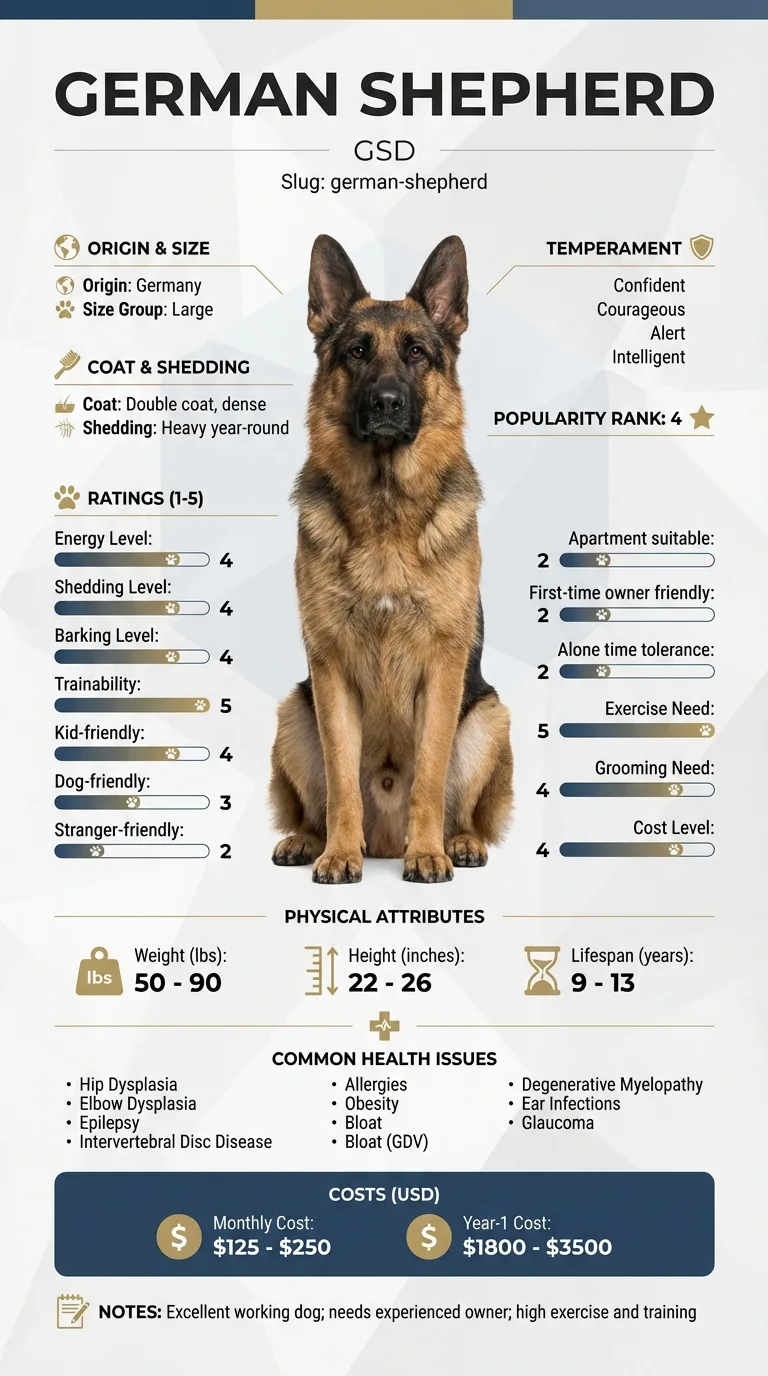
German Shepherd insurance claims can be a significant concern for owners. These claims often arise from common health issues such as hip dysplasia, elbow dysplasia, and other genetic conditions. The financial impact can be overwhelming, especially if these issues are chronic or severe.
Common triggers
Genetic predisposition to certain health issues
Lack of regular veterinary care
Inadequate training leading to accidents or injuries
German Shepherds tend to have higher insurance claim rates compared to many other breeds. This is largely due to their size and the prevalence of specific health conditions that can arise as they age.
Why this happens
Breed factors
German Shepherds (GSDs) are known for being intelligent and active, but they can also be prone to certain health issues that may lead to more insurance claims. Conditions like hip dysplasia and elbow dysplasia are common in this breed, contributing to higher medical expenses. Additionally, their strong protective instincts can lead to behavior issues, which may also result in claims.
Environment factors
The environment plays a significant role in a GSD's health and behavior. If they are not exercised enough, they may develop anxiety or destructive behaviors, increasing the likelihood of insurance claims. Also, if they are exposed to stressful situations or lack proper training and socialization, it can lead to problems that may require expensive interventions.
What you can try
At-home strategies
Establish a consistent exercise routine for your German Shepherd, aiming for at least 60 minutes of physical activity daily. This can include walks, fetch, or agility training.
Create a structured training schedule that includes obedience commands and socialization with other dogs and people. Positive reinforcement techniques work best for this breed.
Monitor your dog's diet closely to prevent obesity, which can exacerbate health issues. Consult your vet for a balanced diet tailored to your GSD's needs.
When to consider a trainer
If you're struggling with training or behavioral issues, consider hiring a professional trainer who specializes in German Shepherds. They can provide personalized guidance and techniques to address specific concerns.
When to talk to your vet
If your German Shepherd shows signs of distress, chronic health issues, or if you notice any unusual behaviors, it's important to consult a vet. They can help assess whether underlying health conditions are contributing to insurance claims.
Realistic expectations
You can expect to see improvements in your German Shepherd's behavior regarding insurance claims within 2 to 6 months of consistent training.
Success means your German Shepherd shows reduced anxiety and fewer incidents that lead to insurance claims, allowing for a happier home environment.
Mistakes that make this worse
Avoiding these common mistakes can help you manage your German Shepherd's insurance claims more effectively.
Ignoring training needs: Failing to invest time in training can lead to behavior issues, increasing the likelihood of claims. Instead, focus on consistent training and socialization.
Overlooking exercise requirements: German Shepherds need a lot of exercise. Neglecting their exercise can lead to anxiety and destructive behavior. Make sure to schedule daily playtime and walks.
Using harsh discipline: Punishing your dog harshly can exacerbate anxiety and lead to more claims. Use positive reinforcement to encourage good behavior instead.
Not addressing health issues early: If your German Shepherd shows signs of pain or discomfort, delaying a vet visit can result in more serious issues. Always consult your vet promptly to avoid escalating problems.
Failing to communicate with your insurance provider: Not understanding your policy can lead to unexpected claims. Regularly review your coverage and ask questions to clarify any doubts.
Neglecting socialization: A lack of exposure to different environments and people can cause anxiety in German Shepherds. Gradually introduce your dog to new experiences to reduce fear and stress.
Assuming all dogs are the same: Each German Shepherd is unique. Avoid comparing your dog's behavior or health to others, as this can lead to misjudgments about their needs.
When German Shepherd Insurance Claims Are an Emergency
Red-flag signs that mean you should call your vet now include unusual behavior, sudden changes in appetite, or visible pain. If your German Shepherd is limping, whining excessively, or has difficulty standing, these could indicate serious issues requiring immediate veterinary attention. Additionally, if you notice any swelling, bleeding, or signs of distress that seem out of the ordinary, do not hesitate to seek professional help.
On the other hand, mild cases can often be monitored with a plan. For example, if your dog seems slightly lethargic but is still eating and drinking normally, you might choose to watch their behavior for a day or two. Keeping a close eye on their condition can help you determine if it's just a minor issue or something more serious.
You should also consider their history. If your German Shepherd has had previous insurance claims or health problems, err on the side of caution. It's always better to get a professional opinion than to risk your dog's health.
Overall, knowing the difference between a mild case and an emergency can help you provide the best care for your German Shepherd.

German Shepherd Insurance Claims: Understanding the Challenges - When German Shepherd Insurance Claims Are an EmergencyGerman Shepherd Insurance Claims: Understanding the Challenges - When German Shepherd Insurance Claims Are an EmergencyGerman Shepherd Insurance Claims: Understanding the Challenges - When German Shepherd Insurance Claims Are an EmergencyGerman Shepherd Insurance Claims: Understanding the Challenges - When German Shepherd Insurance Claims Are an EmergencyGerman Shepherd Insurance Claims: Understanding the Challenges - When German Shepherd Insurance Claims Are an EmergencyGerman Shepherd Insurance Claims: Understanding the Challenges - When German Shepherd Insurance Claims Are an EmergencyGerman Shepherd Insurance Claims: Understanding the Challenges - When German Shepherd Insurance Claims Are an EmergencyGerman Shepherd Insurance Claims: Understanding the Challenges - When German Shepherd Insurance Claims Are an EmergencyGerman Shepherd Insurance Claims: Understanding the Challenges - When German Shepherd Insurance Claims Are an Emergency
Turning Around Max's Insurance Claims
Jessica, a busy nurse in Chicago, noticed that her German Shepherd, Max, had developed anxiety whenever she left for work. This anxiety led to destructive behaviors that resulted in multiple insurance claims due to property damage. After consulting a trainer, Jessica learned techniques to help Max cope with separation anxiety.
She implemented a daily routine of exercise and training, which included leaving him with puzzle toys to keep him occupied. Over a few months, Max became more comfortable being alone, and the claims stopped. Jessica felt relief and pride watching Max thrive.
Key takeaway: With dedication and the right strategies, you can reduce your German Shepherd's anxiety and prevent costly insurance claims.
Frequently asked questions
Why does my German Shepherd have insurance claims?
German Shepherds tend to have insurance claims due to genetic predispositions to health issues like hip dysplasia and degenerative myelopathy. Regular vet check-ups and preventive care can help manage these risks. Additionally, understanding the breed's common health concerns can guide you in seeking proactive treatments.
This answer relates to German Shepherd insurance claims.
How can I stop my German Shepherd from causing insurance claims?
To minimize insurance claims related to your German Shepherd, focus on preventive health care and proper training. Regular exercise, a balanced diet, and routine vet visits can keep your dog healthy. Training your dog to reduce anxiety and prevent destructive behaviors can also lower the risk of accidents.
What are effective training methods for reducing insurance claims in German Shepherds?
Positive reinforcement training can be highly effective for German Shepherds. Rewarding good behavior and redirecting negative behavior can help. Enrolling in obedience classes can also provide structure and guidance for both you and your dog.
How much does insurance for a German Shepherd usually cost?
Insurance for a German Shepherd typically ranges from $125 to $250 per month. Factors affecting the cost include your dog's age, health history, and your chosen coverage level. Always shop around for the best policy that fits your budget and your dog's needs.
What are common health issues that lead to insurance claims for German Shepherds?
Common health issues that can lead to insurance claims for German Shepherds include hip and elbow dysplasia, epilepsy, and bloat. Being aware of these conditions can help you take preventive measures. Regular vet check-ups can catch potential issues early.
Can training reduce my German Shepherd's health issues?
Training alone may not eliminate health issues but can greatly enhance your German Shepherd's quality of life. Proper training can reduce stress and anxiety, which might lessen the likelihood of certain health conditions. Always combine training with regular veterinary care for the best outcomes.
What should I do if my German Shepherd has recurring health problems?
If your German Shepherd has recurring health problems, consult your veterinarian for a thorough evaluation. They may recommend a specialized diet, exercise regimen, or additional therapies. Keeping detailed records of your dog's health can also help your vet identify patterns and find solutions.
What should I do if my German Shepherd has frequent insurance claims?
If your German Shepherd is generating frequent insurance claims, it may be time to assess their health and lifestyle. Consult with your veterinarian to identify underlying issues, and consider adjusting their routine—like increasing exercise or mental stimulation.
Can behavior issues lead to more insurance claims for my German Shepherd?
Yes, behavior issues such as anxiety can lead to accidents or injuries that result in insurance claims. Training and socialization can help mitigate these problems, so engaging in proper training programs is crucial.
Are certain age groups of German Shepherds more prone to insurance claims?
Younger German Shepherds might have more claims due to their energetic and exploratory nature. As they age, claims may shift towards health-related issues, so regular vet check-ups are important throughout their life.
How can I prevent my German Shepherd from having insurance claims?
Preventing claims involves a combination of regular vet visits, proper training, and ensuring your dog gets enough exercise. A well-rounded approach that includes mental and physical stimulation can significantly reduce risk.
Is there a link between my German Shepherd's health issues and insurance claims?
Absolutely. German Shepherds are prone to specific health problems like hip dysplasia and bloat, which can lead to insurance claims. Staying informed about these conditions and working with your vet can help manage risks.
What are quick tips to manage German Shepherd insurance claims?
Regular vet visits and preventive care are essential for managing health issues. Training your dog to reduce anxiety can also help prevent accidents. Lastly, maintaining a healthy diet and exercise routine is crucial.
Costs
How can I lower my German Shepherd's insurance costs?
To lower insurance costs, consider raising your deductible or opting for a less comprehensive plan. Keeping your dog healthy through preventive care can also lead to fewer claims over time.
Training
What should I include in my training for a German Shepherd?
Focus on basic obedience commands, socialization, and addressing specific behavior problems. Incorporating mental stimulation through games and puzzles can also be beneficial.
Related DogBreedCompass guides
German Shepherd separation anxiety guide – Learn how to manage your German Shepherd's anxiety to reduce insurance claims.
German Shepherd behavior problems – Understand common behavior problems in German Shepherds to help prevent incidents that lead to claims.
German Shepherd insurance claims training – Explore different training methods specifically designed for German Shepherds to prevent insurance claims.
German Shepherd cost breakdown – Get a detailed breakdown of the costs associated with owning a German Shepherd, including insurance considerations.
Why does my German Shepherd have insurance claims – Find out why certain breeds, like German Shepherds, have higher insurance claims and how to mitigate risks.