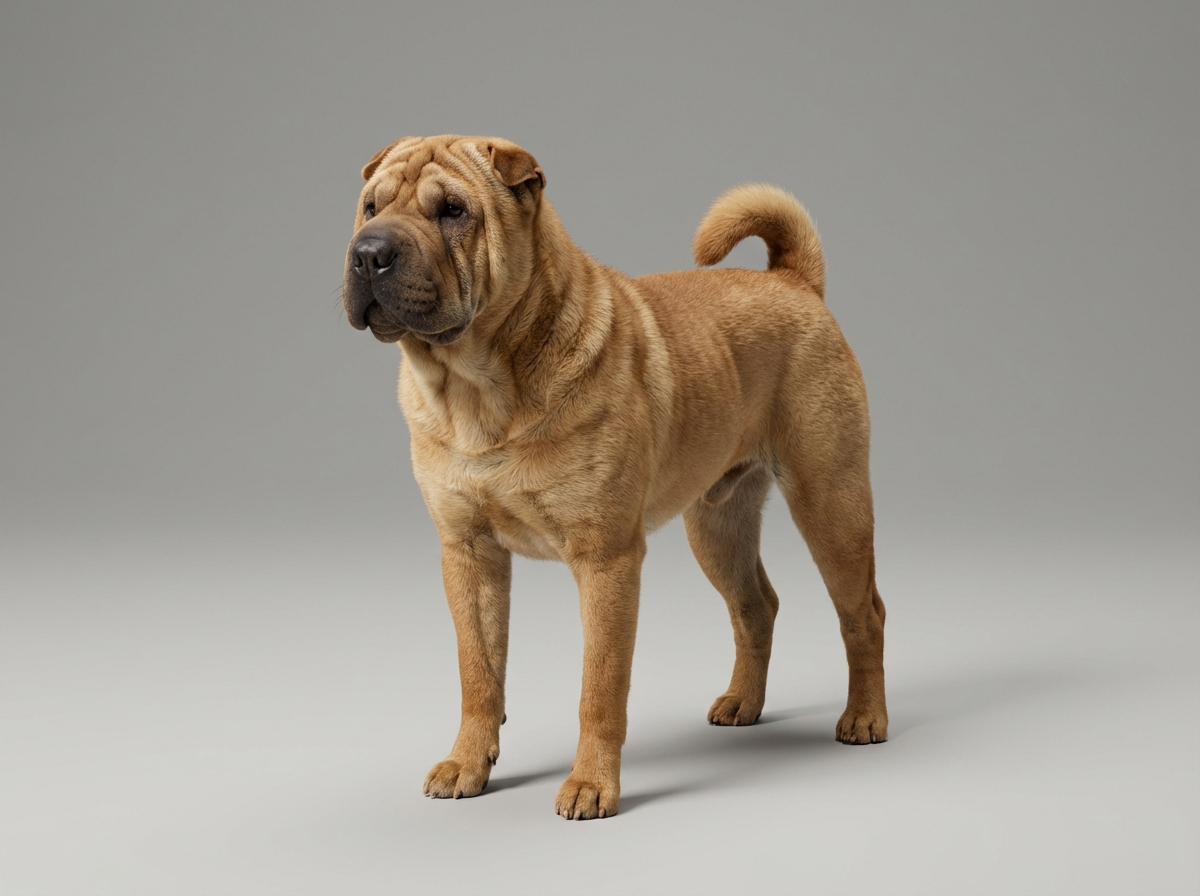
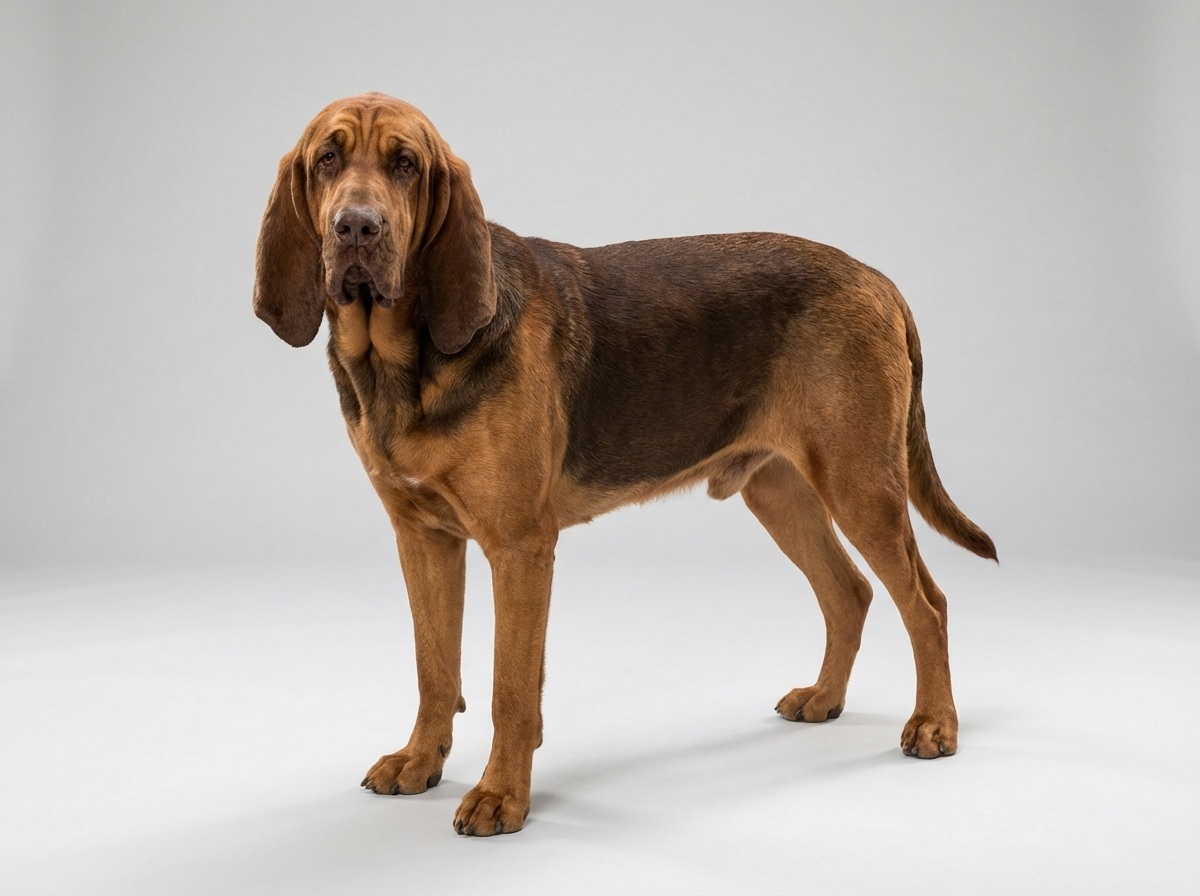
Health
Is Wobbler Syndrome typical for Chinese Shar-Peis?
No, it's classically seen in large and giant, long-necked breeds; it's an atypical, uncommon finding in this compact medium breed.

Quick answer
Is Wobbler Syndrome typical for Chinese Shar-Peis?
No, it's classically seen in large and giant, long-necked breeds; it's an atypical, uncommon finding in this compact medium breed.
This is a condition built around a long-necked, fast-growing body plan, and a compact, dense breed like this one encountering it is dealing with something well outside the typical picture.
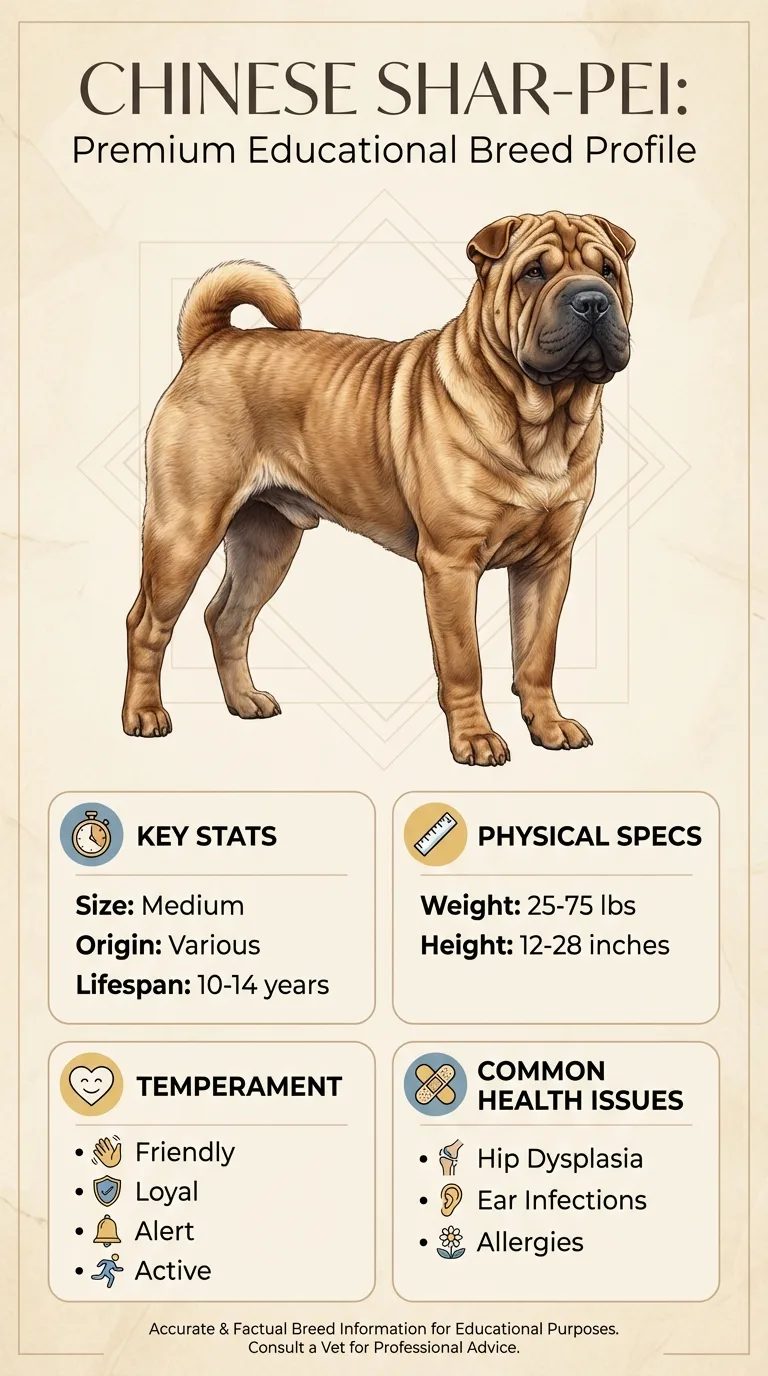
Owners of Shar-Peis showing an unusual wobbly, uncoordinated gait in the back legs, particularly if it's progressive rather than sudden, wanting an honest assessment of how likely this specific diagnosis actually is.
This guide is not medical advice. If your dog shows pain, sudden behavior change, or worsening symptoms, consult a licensed veterinarian.
Some links may be affiliate links. We may earn a commission at no extra cost to you. We only suggest products we believe are helpful for dog owners.
We research and check what we publish, but we do not warrant that any figure, date, price, or statement is accurate, complete, or current, and we accept no liability for any loss, cost, injury, or other harm arising from the use of this site. Use it as one reference among several. You remain responsible for your own decisions and for your dog's care - confirm anything that matters with a licensed veterinarian or another qualified professional before you act on it. Full disclaimer.
Wobbler Syndrome, or cervical spondylomyelopathy, is a spinal cord compression condition classically associated with large and giant, long-necked breeds undergoing rapid growth. The Chinese Shar-Pei's compact, medium build runs opposite to that typical profile, making this a genuinely atypical diagnosis here, though advanced imaging is still the appropriate way to rule it in or out for any dog showing a progressively wobbly gait.
This condition is not considered typical or breed-defining for the Chinese Shar-Pei given its compact build, occurring far less frequently here than in the classically predisposed large and giant, long-necked breeds where it's well documented.
The Chinese Shar-Pei's compact body and non-elongated neck don't share the anatomical profile most strongly linked to Wobbler Syndrome, meaning this condition doesn't have a strong established connection to this breed's typical genetics or growth pattern the way it does for larger, longer-necked breeds.
Rapid growth during puppyhood is a recognized contributing factor in breeds where this condition is common, but this breed's growth pattern doesn't typically match that explosive pace, meaning environmental contribution to this specific condition is less relevant here than breed-typical causes of gait change.
Schedule an evaluation for any progressive wobbliness, weakness, or uncoordinated gait in the back legs, since this warrants investigation regardless of how likely this specific diagnosis is for the breed. Sudden severe weakness or an inability to walk requires urgent same-day veterinary care.
Start here: Chinese Shar-Pei Most Common Genetic Disorders: Screening
See all Chinese Shar PEI health problems, which breeds are prone to wobbler syndrome, or the full Chinese Shar PEI breed guide for temperament, exercise needs and ownership costs.
If pursued, diagnostic imaging typically takes place within a few weeks of a persistent gait abnormality being noticed. Given how atypical this diagnosis is for the breed, expect your vet to reasonably investigate other causes first before advanced spinal imaging is recommended.
Success looks like an accurate diagnosis of whatever is actually causing a wobbly gait, whether that turns out to be this uncommon-for-the-breed condition or a more statistically likely cause, followed by appropriate treatment for that specific, confirmed diagnosis.
Cervical spondylomyelopathy involves instability or malformation of the vertebrae in the neck compressing the spinal cord as it passes through, and the leading explanations for why certain breeds are especially prone to it center on a combination of a proportionally long neck carrying a heavy head and rapid skeletal growth during puppyhood outpacing how quickly supporting ligaments and joints mature. The Chinese Shar-Pei's build runs almost opposite to this profile: a compact, dense body with a neck that isn't proportionally elongated, and growth patterns during puppyhood that don't match the explosive early growth spurts seen in the giant breeds most associated with this condition. This doesn't make the diagnosis impossible in an individual Shar-Pei, spinal conditions can occur outside their most typical breed profile, but a vet evaluating a wobbly gait in this breed has good reason to investigate other, more breed-relevant causes first, including general intervertebral disc disease or an orthopedic hind-limb issue, before landing on this specific diagnosis.
Because a wobbly, weak gait in the back legs can result from several genuinely different problems, spinal cord compression from Wobbler Syndrome, general disc disease, or a hip or knee issue producing a secondary compensatory gait, advanced imaging like an MRI is typically needed to actually distinguish between them rather than guessing from the gait pattern alone. If cervical spondylomyelopathy is confirmed, treatment costs run on a wide spectrum depending on severity, cited broadly as five hundred to seven thousand dollars, spanning everything from conservative management with activity restriction and anti-inflammatory medication on the lower end to surgical spinal decompression or stabilization on the higher end for more severe, progressive cases. Given how wide that range is and how atypical this diagnosis is for this particular breed's build, getting a precise diagnosis through imaging before assuming the worst, or dismissing symptoms entirely, is the more useful path than guessing at either extreme.

Gunner, a Shar-Pei in Omaha, developed a subtly worsening wobble in his back legs over a couple of months, and his vet's first working assumptions leaned toward hip dysplasia or disc disease, given how much more common those are in this breed's build. When neither fully explained his specific pattern of weakness on exam, his vet referred him for an MRI, which surprisingly confirmed mild cervical spondylomyelopathy, an atypical finding his vet noted was uncommon for a dog with his compact frame. Given the mild severity, Gunner was managed conservatively with activity restriction and anti-inflammatory medication rather than surgery, and his gait stabilized over the following months without further progression.
Key takeaway: Gunner's vet worked through the statistically more likely explanations first rather than jumping to an atypical diagnosis, and it was ruling those out systematically, not guessing, that eventually led to the right answer.
No, it's classically a large and giant breed condition tied to a long neck and rapid growth, both traits this compact, medium breed doesn't share, making it a genuinely atypical rather than expected diagnosis here.
It's instability or malformation of the neck vertebrae that compresses the spinal cord, causing a progressively wobbly, uncoordinated gait, most often affecting the back legs more than the front.
Given this breed's compact build, other causes like general disc disease or a hip or knee orthopedic issue are statistically more likely explanations, though imaging is needed to actually distinguish between the possibilities rather than assuming based on likelihood alone.
Advanced imaging, typically an MRI, is needed to confirm spinal cord compression at the neck and distinguish it from other causes of a similar-looking gait abnormality.
Cited costs range broadly from five hundred to seven thousand dollars, spanning conservative management with activity restriction and medication on the lower end to surgical decompression or stabilization for more severe cases on the higher end.
Not necessarily; milder cases are sometimes managed conservatively with activity restriction and anti-inflammatory medication, while more severe or rapidly progressing cases are more likely to need surgical intervention.
Given how strongly this condition is associated with large and giant, long-necked breeds specifically, a typically-built Chinese Shar-Pei has a genuinely lower likelihood of this particular diagnosis compared to more breed-relevant causes of a similar gait change.
No, it's classically seen in large and giant, long-necked breeds; it's an atypical, uncommon finding in this compact medium breed.
A progressively wobbly, uncoordinated gait, most often affecting the back legs more noticeably than the front.
Cited costs range broadly from five hundred to seven thousand dollars, depending on whether conservative management or surgery is needed.
No, especially in this breed, general disc disease or an orthopedic hip or knee issue are statistically more likely explanations for a similar-looking gait.
Yes, an MRI is typically needed to confirm spinal cord compression at the neck and rule out other causes of a similar gait abnormality.
A one-page prep sheet for this condition: the signs, the questions to ask, what to get priced. Unlocks here.
You get: Vet visit prep sheet
No spam. One-click unsubscribe. See our privacy policy.
Preview page 1 before you decide.