Behavior
What are quick tips for Maltese wobbler syndrome?
Keep your home safe by removing hazards, and consider using ramps for stairs. Regular vet check-ups and physical therapy can help manage symptoms.

Quick answer
What are quick tips for Maltese wobbler syndrome?
Keep your home safe by removing hazards, and consider using ramps for stairs. Regular vet check-ups and physical therapy can help manage symptoms.
Maltese wobbler syndrome is a serious condition that affects your dog's ability to walk and maintain balance. It's crucial to recognize the symptoms early.
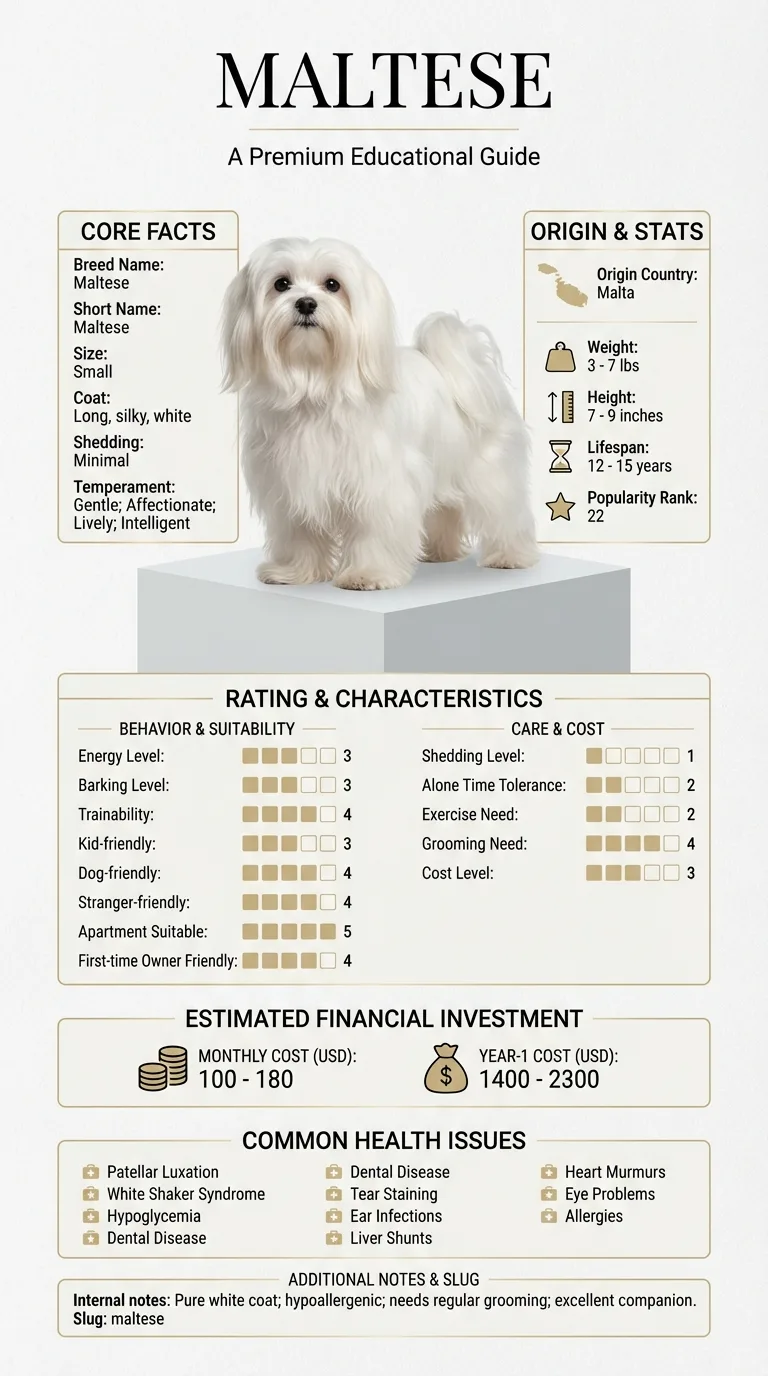
Owners of Maltese dogs, especially those who are first-time pet parents, may struggle with this syndrome. It can be particularly concerning for families with active dogs that love to play and explore.
This guide is not medical advice. If your dog shows pain, sudden behavior change, or worsening symptoms, consult a licensed veterinarian.
Some links may be affiliate links. We may earn a commission at no extra cost to you. We only suggest products we believe are helpful for dog owners.
We research and check what we publish, but we do not warrant that any figure, date, price, or statement is accurate, complete, or current, and we accept no liability for any loss, cost, injury, or other harm arising from the use of this site. Use it as one reference among several. You remain responsible for your own decisions and for your dog's care - confirm anything that matters with a licensed veterinarian or another qualified professional before you act on it. Full disclaimer.
Check this first
Recognizing when Maltese wobbler syndrome becomes an emergency is crucial for your dog's health. If your Maltese shows severe wobbling, inability to walk, or signs of pain, you should call your vet immediately. Other red flags include sudden weakness in the limbs, loss of balance, or unusual vocalizations indicating distress. These symptoms may suggest a serious issue requiring urgent medical intervention.
On the other hand, if your Maltese has mild wobbling that occurs sporadically and isn't affecting their daily activities, you can monitor the situation. Establish a plan to track any changes in their condition, noting when symptoms worsen or if additional signs develop. Keeping your vet informed about these observations can help them determine if immediate action is necessary.
In summary, trust your instincts: if your dog seems in distress or exhibits concerning symptoms, don't hesitate to seek help. However, if the wobbling is mild and your Maltese is otherwise happy and active, you may have the option to watch and wait. Always prioritize your pet's well-being and consult your vet for personalized advice.
If any of these apply, call your vet or an emergency clinic now. The rest of this page is for the cases that are not an emergency.
Maltese wobbler syndrome is a condition that affects the dog's neck and spine, causing instability that leads to wobbling or difficulty walking. This condition can be distressing for both the dog and its owner, as it may manifest as unsteady movements, difficulty in getting up, or even dragging of the back legs. Regular daily activities, like going for walks or playing, can become challenging.
Maltese wobbler syndrome is relatively common among Maltese dogs, especially as they age. However, not every Maltese will develop this condition; it tends to be more prevalent in those with a family history of spinal issues. If you notice any signs, it's essential to consult with a vet for guidance.
Maltese wobbler syndrome is often influenced by genetic factors specific to the Maltese breed. These small dogs can have a predisposition to cervical vertebral instability, which causes the wobbling. This breed's delicate structure makes them more vulnerable to this condition.
Environmental factors can also contribute to Maltese wobbler syndrome. Inadequate exercise, poor nutrition, or accidents that impact the neck can exacerbate symptoms. Stressful situations or lack of proper support for their neck during play can increase the likelihood of developing this syndrome.
If you notice persistent wobbling, difficulty walking, or signs of pain, it's crucial to talk to a vet. They can assess whether your Maltese has wobbler syndrome and recommend treatment options. Early intervention can make a significant difference in your dog's quality of life.
Avoiding certain behaviors can help manage Maltese wobbler syndrome more effectively. Here are common mistakes owners make that can accidentally worsen the situation, along with safer alternatives.
Start here: Maltese Most Common Genetic Disorders: What to Screen For
See all Maltese health problems, which breeds are prone to wobbler syndrome, or the full Maltese breed guide for temperament, exercise needs and ownership costs.
With consistent care and follow-up with your vet, you should start to see improvements in your Maltese's condition within 2 to 4 months. However, full recovery can take longer depending on severity.
Success means your Maltese can move more freely, show less wobbling, and engage in daily activities without pain. You should also notice improved behavior and reduced anxiety.
Anna, a busy nurse living in Chicago, noticed her Maltese, Bella, wobbling when she walked. Concerned, she consulted her vet and learned about Maltese wobbler syndrome. Determined to help Bella, Anna committed to a specialized training program focused on strengthening Bella's muscles. She also adjusted Bella’s diet for better nutrition. After three months of consistent effort, Bella showed significant improvement in her mobility and energy levels. Anna felt relieved as Bella returned to her playful self, bounding around the apartment with joy.
Key takeaway: With dedication and the right support, owners can make a significant difference in their Maltese's health and happiness, even with challenging conditions like wobbler syndrome.
Symptoms of Maltese wobbler syndrome can include uncoordinated movements, difficulty walking, and a wobbly gait. You may also notice weakness in the front legs or neck pain. If you observe these signs, it's important to consult a veterinarian for evaluation.
To help a Maltese with wobbler syndrome, consider physical therapy and controlled exercise to strengthen their muscles. Maintaining a healthy weight is also crucial, as excess weight can worsen symptoms. Always follow your vet's recommendations for the best care.
Treatment options vary based on severity and may include medication, physical therapy, or surgery. Non-invasive methods are often tried first, but severe cases might require surgical intervention. Discuss the best approach with your veterinarian.
While some aspects of wobbler syndrome are genetic and cannot be prevented, maintaining a healthy weight and providing regular exercise can help reduce the risk. It's also crucial to avoid injuries that could exacerbate spinal issues.
Yes, Maltese wobbler syndrome can have a hereditary component. It's more common in certain bloodlines, so if you're considering getting a Maltese, inquire about the health history of the parents. Responsible breeding practices can help reduce the incidence of this condition.
If your Maltese shows signs of wobbler syndrome, such as wobbling, difficulty standing, or persistent neck pain, you should take them to the vet promptly. Early intervention can lead to better outcomes and more effective treatment options.
Yes, older Maltese may experience wobbler syndrome differently than younger dogs. They might have other health issues that complicate the condition. Regular check-ups are essential for older dogs to monitor their overall health and manage symptoms effectively.
Keep your home safe by removing hazards, and consider using ramps for stairs. Regular vet check-ups and physical therapy can help manage symptoms.
Treatment can range from $500 to $7,000 depending on the severity and type of intervention needed. Always prepare for potential costs.
Watch for wobbling, difficulty walking, or reluctance to move. These can indicate wobbler syndrome and should prompt a vet visit.
A one-page prep sheet for this condition: the signs, the questions to ask, what to get priced. Unlocks here.
You get: Vet visit prep sheet
No spam. One-click unsubscribe. See our privacy policy.
Preview page 1 before you decide.