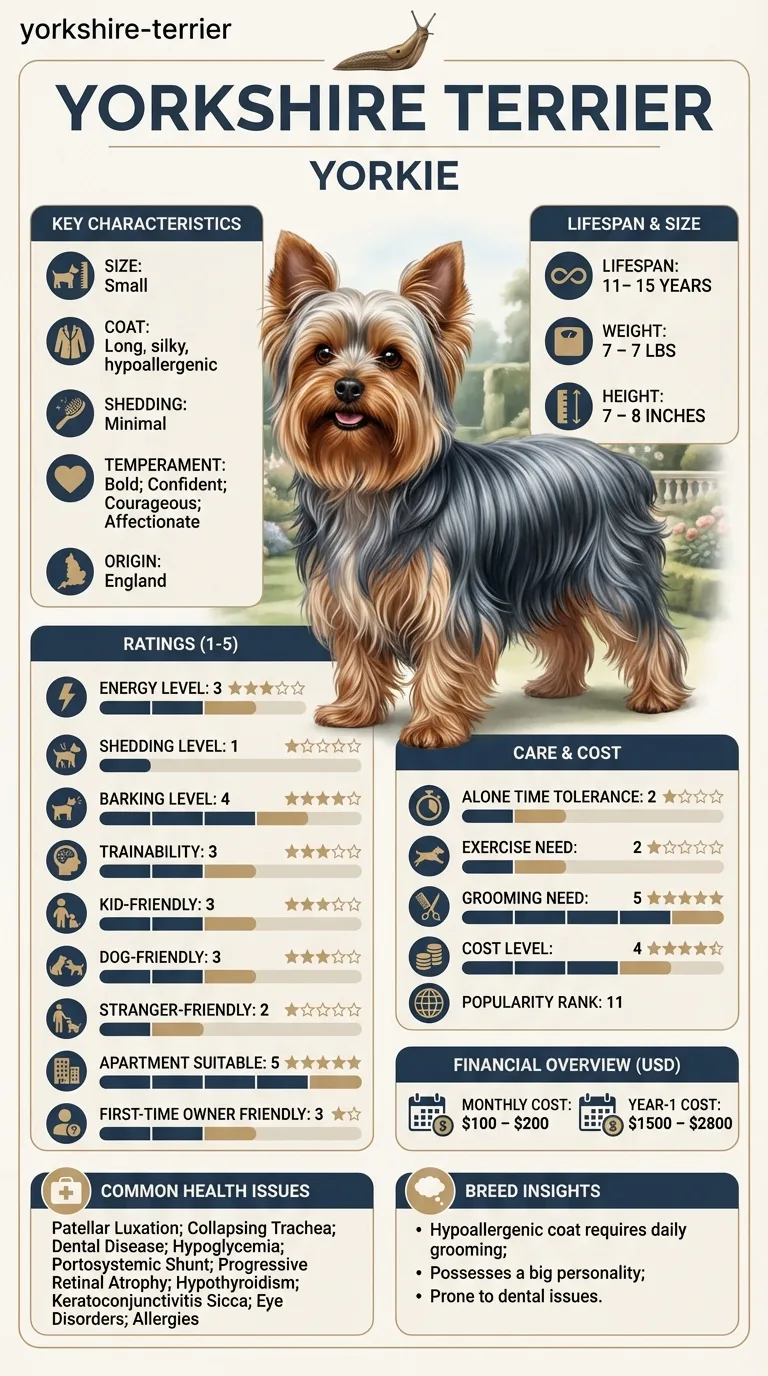
Yorkshire Terrier Wobbler Syndrome: Causes and Solutions
Yorkshire Terrier wobbler syndrome can severely affect your dog's mobility and quality of life.
Owners of Yorkshire Terriers often face this challenge, especially those who may not be familiar with the breed's specific health risks. New dog parents or those with senior Yorkies may particularly struggle as they try to identify and manage the symptoms.
Important reminder
This guide is not medical advice. If your dog shows pain, sudden behavior change, or worsening symptoms, consult a licensed veterinarian.
Some links may be affiliate links. We may earn a commission at no extra cost to you. We only suggest products we believe are helpful for dog owners.
What this problem looks like
Yorkshire Terrier wobbler syndrome is a condition where the cervical vertebrae become unstable, causing your dog to wobble or stumble while walking. This can lead to difficulty maintaining balance and may affect their ability to run or jump. It's important to recognize these signs early, as they can significantly impact your Yorkie's quality of life.
Common triggers
Rapid growth in young Yorkies
Injury or trauma to the neck area
Genetic predispositions in certain lines
Wobbler syndrome is relatively common in Yorkshire Terriers, especially those between the ages of 3 to 7 years. While not every Yorkie will experience this condition, it's a known risk among the breed.
Why this happens
Breed factors
Yorkshire Terriers are small dogs with delicate neck structures. This breed can be prone to wobbler syndrome due to their genetic makeup. Their lightweight frame may not support their head and neck properly, leading to instability.
Environment factors
Environmental factors can also play a role in wobbler syndrome. Activities that strain the neck, such as jumping or rough play, can aggravate the condition. Additionally, poor nutrition or excessive weight can further increase the risk of developing this issue.
What you can try
At-home strategies
Limit high-impact activities, like jumping off furniture or running on hard surfaces.
Provide a supportive harness instead of a collar to reduce neck strain during walks.
Create a safe, comfortable environment to help your Yorkie feel secure and reduce anxiety.
When to consider a trainer
If your Yorkshire Terrier displays severe wobbling or unsteady movements, it may be time to consult a professional trainer. A trainer can provide tailored exercises that focus on strengthening the neck and supporting balance.
When to talk to your vet
You should consult a vet if your Yorkie shows signs of pain, difficulty walking, or any sudden changes in behavior. Early intervention is crucial, especially if wobbler syndrome symptoms worsen, as a vet can recommend appropriate treatment options.
Realistic expectations
With consistent training and care, you may see improvements in your Yorkie's mobility within 4 to 8 weeks. Full management of Yorkshire Terrier wobbler syndrome often requires ongoing adjustments.
Success means your Yorkshire Terrier can move more confidently, reduce wobbling, and engage in daily activities without discomfort. You'll also notice a decrease in anxiety related to movement.
Mistakes that make this worse
Addressing Yorkshire Terrier wobbler syndrome can be challenging. Here are some common mistakes owners make that could hinder progress or worsen the condition.
Ignoring symptoms: Not recognizing the signs of wobbler syndrome can delay treatment. Look for signs like unsteady gait or difficulty walking, and consult a vet promptly.
Overexercising: Excessive physical activity can exacerbate symptoms. Instead, provide short, controlled walks and allow plenty of rest periods.
Neglecting training: Failing to train your Yorkie can lead to anxiety and behavioral issues. Focus on positive reinforcement techniques to build confidence and reduce stress.
Skipping vet visits: Avoiding regular check-ups can result in missed opportunities for early intervention. Schedule regular vet appointments to monitor your dog’s condition.
Using harsh corrections: Punishing your dog for wobbly movements can increase fear and anxiety. Instead, use gentle guidance and positive reinforcement to encourage better behavior.
Not adjusting the environment: A cluttered or unsafe space can increase the risk of falls. Create a safe environment by removing obstacles and providing supportive bedding.
Ignoring dietary needs: A poor diet can impact your dog's overall health. Consult your vet about a proper nutrition plan that supports their specific needs.
When Yorkshire Terrier Wobbler Syndrome is an Emergency
Recognizing when Yorkshire Terrier wobbler syndrome is an emergency is crucial for your pup's health. If your Yorkshire Terrier shows signs of severe wobbling, falls frequently, or appears to have difficulty breathing, it's time to call your vet immediately. These symptoms can indicate serious neurological issues or spinal problems that require urgent care.
Other red flags include loss of coordination, extreme weakness in the legs, or unresponsiveness. If your Yorkie is unable to stand or walk without assistance, don't wait for an appointment; get them to the vet right away. These issues can worsen quickly and lead to more severe complications.
On the other hand, if your dog has mild wobbling that doesn’t seem to interfere with their daily activities, you can monitor the situation. Keep an eye on their behavior and mobility. If they are eating, drinking, and playing normally, you might not need immediate veterinary intervention.
Make a plan to observe their condition over the next few days, and consider scheduling a routine visit for a check-up if the symptoms persist or worsen.

Yorkshire Terrier Wobbler Syndrome: Causes and Solutions - When Yorkshire Terrier Wobbler Syndrome is an Emergency
How Lucy Helped Bella Overcome Wobbler Syndrome
Lucy, a busy nurse from Atlanta, noticed her Yorkshire Terrier, Bella, was wobbling more than usual. After a vet diagnosis of wobbler syndrome, Lucy felt overwhelmed and worried about the costs. With guidance from her vet, she created a tailored exercise and training plan, focusing on low-impact activities.
Over the next few months, Bella gained strength and improved her balance. Lucy also learned to manage Bella's anxiety, which further helped her recovery.
Key takeaway: With a consistent plan and patience, even a challenging condition like Yorkshire Terrier wobbler syndrome can be managed effectively.
Frequently asked questions
What is Yorkshire Terrier wobbler syndrome?
Yorkshire Terrier wobbler syndrome is a condition where cervical vertebral instability occurs in the neck area. This can lead to wobbling, difficulty walking, and even pain. It's essential to recognize these symptoms early to seek veterinary help.
Why does my Yorkshire Terrier have wobbler syndrome?
Wobbler syndrome in Yorkshire Terriers can be caused by genetic factors or trauma. It's often linked to the breed's small size and specific anatomical features. Regular veterinary check-ups can help catch issues before they escalate.
How can I stop my Yorkshire Terrier from wobbling?
Stopping the wobbling involves a combination of medical treatment and lifestyle adjustments. Your vet may recommend medications, physical therapy, or even surgery in severe cases. It's also crucial to ensure your dog avoids activities that could worsen the condition.
What training methods help with Yorkshire Terrier wobbler syndrome?
Training for Yorkshire Terriers with wobbler syndrome should focus on gentle exercises that strengthen their neck and body. Avoid high-impact activities and consider using harnesses instead of collars. Positive reinforcement is key to making training effective.
What are the treatment options for Yorkshire Terrier wobbler syndrome?
Treatment options for Yorkshire Terrier wobbler syndrome can range from medication to surgery, depending on the severity. Medications may help manage pain and inflammation, while surgery could stabilize the neck vertebrae. Always consult your vet to determine the best approach.
Can Yorkshire Terriers live a normal life with wobbler syndrome?
Yes, many Yorkshire Terriers with wobbler syndrome can live normal lives with proper care. Early intervention and ongoing management can significantly improve their quality of life. Regular vet visits and adherence to treatment plans are essential.
What causes Yorkshire Terrier wobbler syndrome?
Yorkshire Terrier wobbler syndrome is often caused by cervical vertebral instability, which affects the neck's vertebrae. Genetics and structural issues in the spine can contribute to this condition. If your Yorkie shows signs of wobbling, it's important to consult a vet for a proper diagnosis.
How can I help my Yorkie with wobbler syndrome?
To help a Yorkshire Terrier with wobbler syndrome, focus on providing a safe environment that minimizes the risk of injury. Gentle exercises and physical therapy may also help strengthen their muscles. Always consult your vet before starting any new regimen.
Is wobbler syndrome more common in older Yorkshire Terriers?
Yes, wobbler syndrome is more commonly diagnosed in older Yorkshire Terriers, typically those over five years old. However, younger dogs can also be affected due to genetic predispositions. Regular vet check-ups can help catch issues early.
When should I take my Yorkshire Terrier to the vet for wobbler syndrome?
If your Yorkshire Terrier displays symptoms like wobbling, difficulty walking, or neck pain, it's time to see the vet. Early intervention can help manage the condition effectively. Don't wait for symptoms to worsen before getting professional help.
Can training help with Yorkshire Terrier wobbler syndrome?
Training can play a role in managing Yorkshire Terrier wobbler syndrome, particularly through positive reinforcement techniques. Training can help improve their confidence and reduce anxiety related to mobility issues. Always consult with a trainer experienced in handling special needs dogs.
What are quick tips for Yorkshire Terrier wobbler syndrome?
Monitor your Yorkie's movements closely, and consult your vet at the first sign of wobbling. Regular low-impact exercise can help maintain muscle strength without straining the neck. Always provide a supportive environment to prevent falls.
Costs
How much does it cost to treat Yorkshire Terrier wobbler syndrome?
Treatment costs for Yorkshire Terrier wobbler syndrome can range from $500 to $7,000 depending on the severity and required procedures. Always discuss costs and options with your vet to plan your budget.
Training
Are there specific exercises for Yorkshire Terriers with wobbler syndrome?
Gentle, controlled exercises like walking on a leash or swimming can be beneficial. Avoid high-impact activities and consult your vet for a tailored exercise plan.
Health
Can diet affect Yorkshire Terrier wobbler syndrome?
A balanced diet can support overall health, which is crucial for managing wobbler syndrome. Ensure your Yorkshire Terrier is receiving the right nutrients to maintain their strength and health.
Related DogBreedCompass guides
Yorkshire Terrier behavior problems – Learn about common issues that can affect your Yorkshire Terrier's behavior.
Yorkshire Terrier separation anxiety guide – Find effective strategies to help your dog cope with separation anxiety.
Yorkshire Terrier wobbler syndrome training – Explore how to train your Yorkie to manage wobbler syndrome effectively.
Yorkshire Terrier cost breakdown – Understand the costs associated with owning a Yorkshire Terrier.
Wobbler syndrome details – Discover more about health issues related to wobbler syndrome.