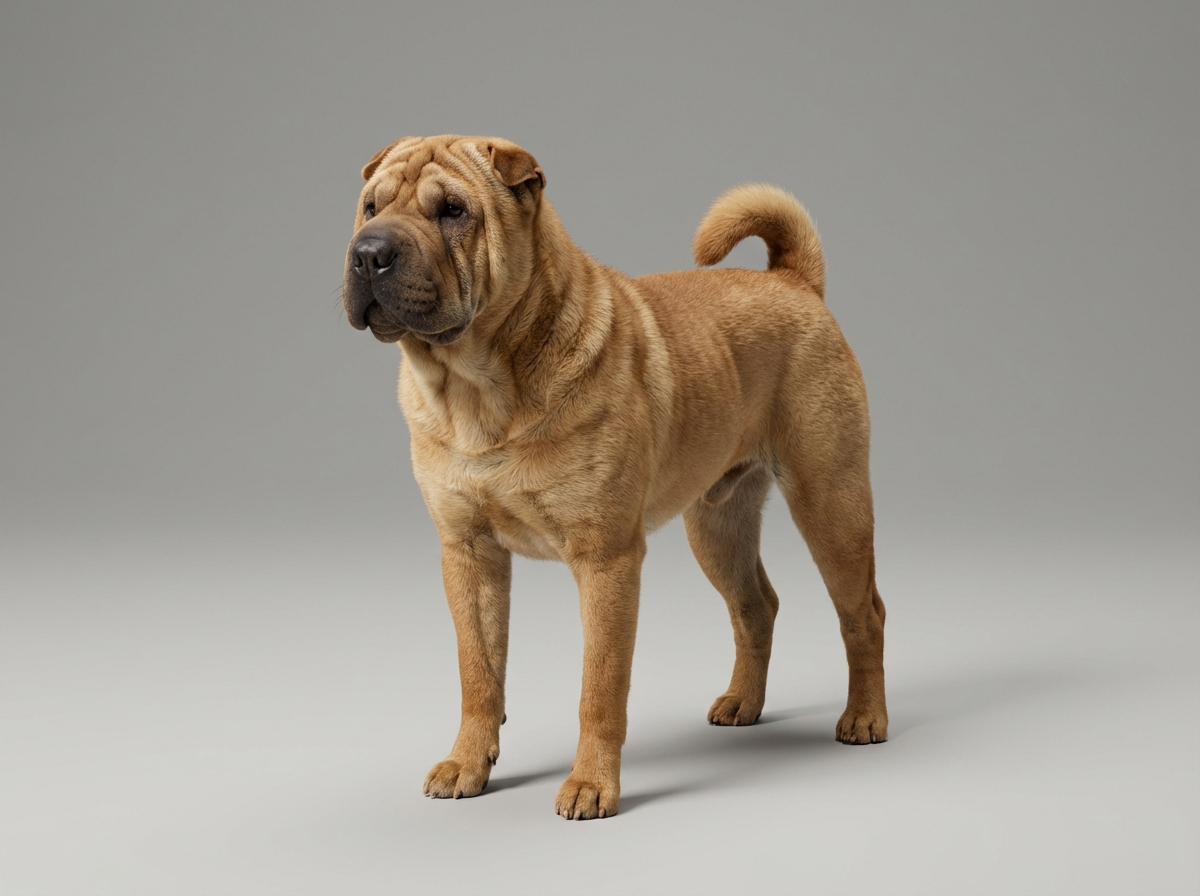
Health
Does this breed need special anesthesia drugs?
No documented drug-specific sensitivity exists for this breed. Standard pre-anesthetic screening and monitoring, done well, are what matters most.

Quick answer
Does this breed need special anesthesia drugs?
No documented drug-specific sensitivity exists for this breed. Standard pre-anesthetic screening and monitoring, done well, are what matters most.
The question owners should be asking isn't 'is my Shar-Pei especially sensitive to anesthesia' — it's 'how many times will my dog realistically need it, and how do I make each one as safe as possible.'
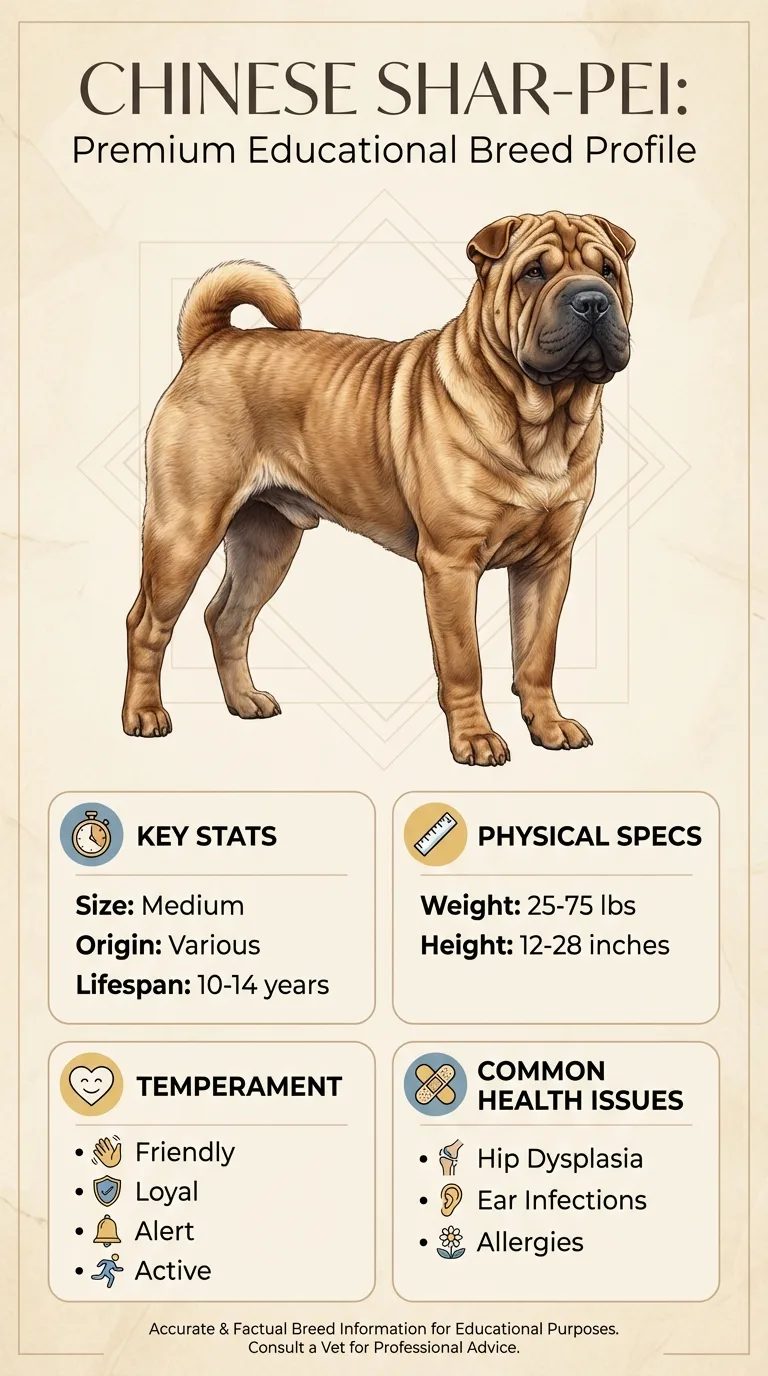
This mostly concerns owners facing a first surgery recommendation — usually for entropion correction — who are searching for reassurance and instead find a mix of accurate and exaggerated claims about anesthesia risk in wrinkled breeds.
This guide is not medical advice. If your dog shows pain, sudden behavior change, or worsening symptoms, consult a licensed veterinarian.
Some links may be affiliate links. We may earn a commission at no extra cost to you. We only suggest products we believe are helpful for dog owners.
We research and check what we publish, but we do not warrant that any figure, date, price, or statement is accurate, complete, or current, and we accept no liability for any loss, cost, injury, or other harm arising from the use of this site. Use it as one reference among several. You remain responsible for your own decisions and for your dog's care - confirm anything that matters with a licensed veterinarian or another qualified professional before you act on it. Full disclaimer.
There's no documented anesthesia-specific drug sensitivity for the Chinese Shar-Pei. What's real is that this breed's documented entropion and skin fold dermatitis mean it undergoes surgery, and therefore anesthesia, more often over a lifetime than many other breeds — making it worth understanding the process well rather than treating every procedure as unusually risky.
Facing at least one anesthesia event tied to eyelid or skin issues is common for this breed, though the frequency varies a lot by individual dog — some need it once as a puppy, others manage without ever needing elective surgery.
This breed's documented entropion and skin fold dermatitis are structural and skin-based issues that sometimes require surgical correction, which is the actual driver of increased anesthesia exposure — not a separate, independent anesthesia sensitivity. Documented hypothyroidism risk also makes pre-anesthetic bloodwork more valuable than a routine formality.
How early and how well fold and eyelid issues are managed at home affects whether they progress to needing surgery at all. Weight management, given this breed's documented lower exercise needs, also plays a direct role in how safely any anesthesia event goes.
Bring it up as soon as entropion or a fold infection is suspected, well before it becomes urgent, so you have time to ask questions and plan rather than deciding under pressure. Also flag it if your dog has ever had an unusual reaction to sedation in the past.
Start here: Chinese Shar-Pei Most Common Genetic Disorders: Screening
See all Chinese Shar PEI health problems, which breeds are prone to anesthesia sensitivity, or the full Chinese Shar PEI breed guide for temperament, exercise needs and ownership costs.
Recovery from a standard entropion correction is typically a week to ten days with an e-collar and restricted activity. Most dogs are back to full normal behavior within two weeks.
Success means going into any needed procedure well-informed and prepared rather than anxious, with pre-anesthetic screening done and a vet experienced with this breed's structure handling the case.
Entropion — an eyelid rolling inward, documented as a known issue in this breed — is frequently corrected surgically, sometimes more than once as a puppy's face finishes developing. Skin fold dermatitis, also documented, occasionally progresses to a point where a vet recommends a fold-reduction procedure in severe, recurring cases. Add routine dental cleanings, which any breed needs periodically, and it adds up to more total anesthesia exposures over a lifetime than a dog with no documented fold or eyelid issues would need.
None of this means each individual anesthesia event is more dangerous for this breed specifically. It means the cumulative number of times anesthesia is discussed tends to be higher, so it's worth understanding the process well rather than dreading it as a singular high-stakes event.
These are the real, relevant factors for this breed's build and documented health profile — not sighthound-specific concerns that don't apply here.

Callum adopted Duke as an eight-week-old puppy and noticed by four months that Duke squinted and teared up constantly on one side. His vet diagnosed early entropion and recommended a temporary tacking procedure to get Duke through puppyhood without corneal damage, rather than a permanent fix while his face was still growing. Callum worried extensively about the anesthesia risk after reading alarming forum posts about wrinkled breeds. His vet walked him through the actual pre-anesthetic bloodwork results, which were normal, and explained that the surgery itself, not some special drug sensitivity, was the reason for the visit. Duke needed a second, permanent correction at fourteen months once his face finished developing. Both procedures went smoothly, with recovery under ten days each time.
Key takeaway: The real anesthesia conversation for this breed is about how many procedures are likely, not about a special drug risk — asking your vet to walk through actual bloodwork and history beats reading general forum warnings.
Not based on any documented trait specific to this breed's metabolism or body type. The elevated exposure comes from needing surgery more often — for entropion or severe skin folds — not from an inherent drug sensitivity.
In young puppies, the face and skin are still developing, so an early correction can become insufficient as the dog matures. Some vets deliberately wait or use a temporary tacking procedure first, planning for a permanent fix once growth stabilizes.
Yes, this is standard good practice for any dog and particularly worthwhile here given this breed's documented hypothyroidism risk, which can be caught early through routine panels and factored into anesthesia planning.
Yes, meaningfully. This breed's documented exercise needs are on the lower end, which makes weight gain easier than owners expect. Extra weight affects drug dosing and recovery, so keeping your dog at a healthy weight before any elective surgery matters.
Ask directly during a consultation how many wrinkled or fold-heavy breeds they've operated on. Experience with the specific positioning and post-operative fold care this breed needs is more useful than general surgical volume.
Often yes, and it can reduce total anesthesia events over your dog's lifetime. Ask your vet whether combining, say, an entropion follow-up with a dental cleaning makes sense for your specific dog.
No documented drug-specific sensitivity exists for this breed. Standard pre-anesthetic screening and monitoring, done well, are what matters most.
Many Shar-Peis need at least one eyelid procedure in their lifetime; some need none, others need more than one, depending on how their individual face develops.
Not per procedure, but the higher lifetime likelihood of eyelid or skin surgery means anesthesia-related costs add up more over time than for a dog with no documented fold issues.
Not entirely, since entropion is a structural issue, but keeping folds clean and monitoring eye irritation early can sometimes delay or reduce the severity of what's needed.
For a straightforward entropion correction, an experienced general practice vet is usually fine. For repeat or complex cases, a referral to a veterinary ophthalmologist is worth discussing.
A one-page prep sheet for this condition: the signs, the questions to ask, what to get priced. Unlocks here.
You get: Vet visit prep sheet
No spam. One-click unsubscribe. See our privacy policy.
Preview page 1 before you decide.